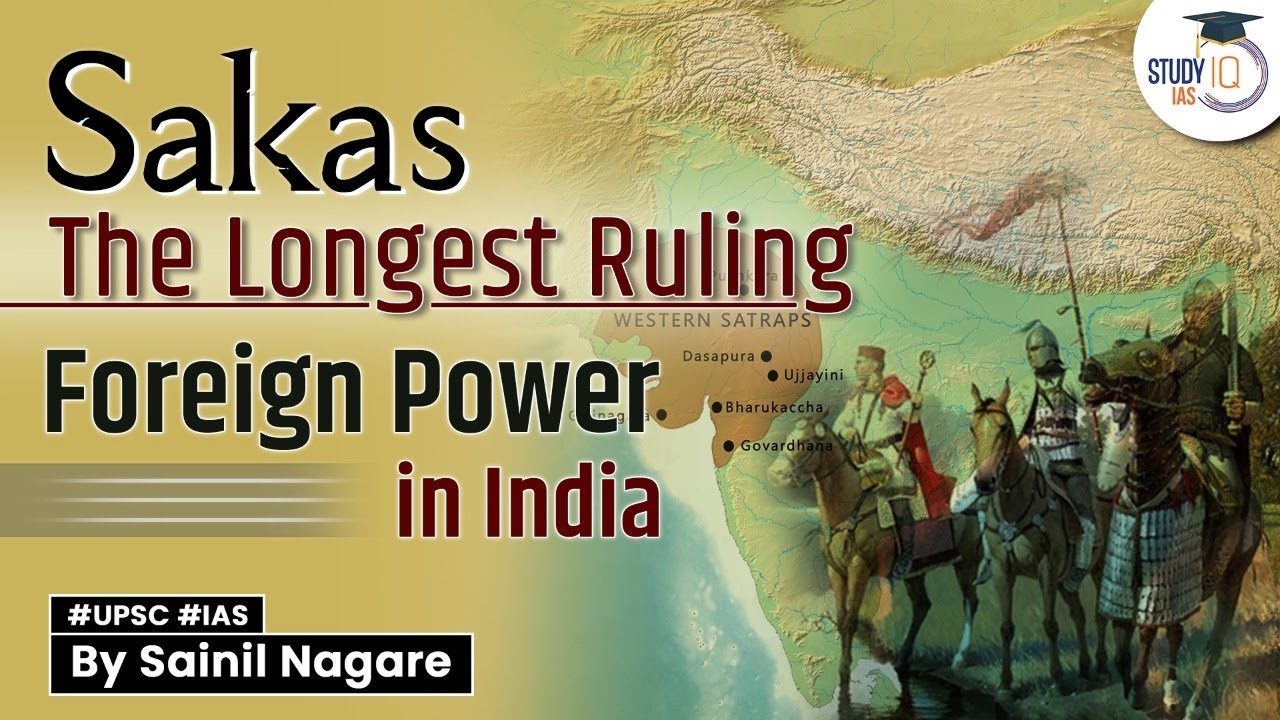
The Kardamaka Dynasty marked a turning point in Western Indian political history following the fall of Nahapana. Starting with Chashtana around , this line of Western Kshatrapas established a resilient kingdom. Its greatest monarch, Rudradaman I (c. ), expanded Saka domain to its furthest limits and left behind the famous Junagarh rock inscription. This period is essential for understanding ancient Indian statecraft, royal lineage, and the transition of political language from Prakrit to Sanskrit.
In this chapter, you will understand:
- How Chashtana founded the Kardamaka branch and built Saka power in Western India.
- The military achievements and administrative brilliance of Rudradaman I.
- The importance of the Junagarh Inscription in documenting early Sanskrit royal prasastis.
- The economic taxation framework (Bali, Bhaga, Sulka) and eventual decline under Gupta rule.
Why this topic matters: This period illustrates how foreign rulers integrated into classical Indian society through language patronage, marital alliances, and traditional administrative models.
Core Idea: The Kardamaka dynasty revived Saka rule in Western India under Chashtana, reaching its political and cultural height under Rudradaman I. Through strategic marriages, battlefield wins against the Satavahanas, and royal patronage of Sanskrit, the dynasty created a prosperous and enduring kingdom that lasted until the .
The Kardamaka Dynasty: The Rise of Chashtana and Saka Power in Western India ()
After the defeat of Nahapana created a power vacuum in the region, Chashtana stepped in to establish the Kardamaka dynasty. This family built a strong administrative foundation that revitalized Saka rule across Western India.
Political realignment followed as Chashtana consolidated his rule, using both diplomacy and military strength to secure his territory.
- (i) Strategic family ties helped stabilize the throne, notably when Chashtana's daughter married the Satavahana king Vashisthiputra Satakarni.
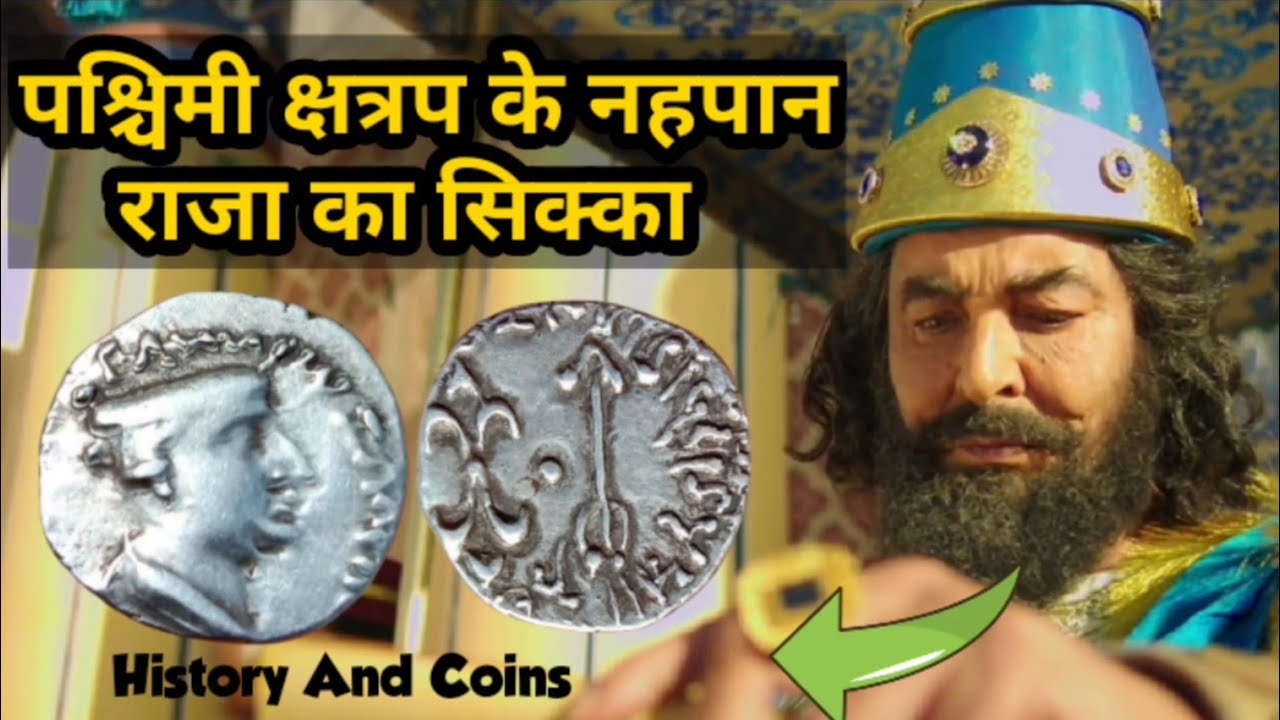
- (ii) Early coins show Chashtana with the minor title Kshatrapa, but he later took the higher title Mahakshatrapa as his power expanded.
- (iii) Historical records mark the formal start of his reign around , which laid the groundwork for future dynastic growth.
Chashtana's Rule and the Consolidation of Saka Authority in Western India
During the early phase of Kardamaka governance, Chashtana ruled over broad territories and shared authority with his grandson, Rudradaman I.

Dynastic Succession and Co-Regency: Evidences from the Andhau Inscription
Joint rule was a key feature of this period, with grandfather and grandson sharing administrative duties in harmony.
- (i) The Andhau inscription found in Kutch and dated to proves that Chashtana and Rudradaman I ruled together as co-regents.
- (ii) Chashtana's son Jayadaman had a very short reign before dying early, leaving Rudradaman next in line for full power.
Foreign Records and Capital Relocation
External sources and shift in capitals highlight the growing reach of this Saka line.
- (i) The Greek geographer Ptolemy mentions Chashtana as Tiastenes in his classic book Ptolemy's Geography.
- (ii) Setting up the dynastic capital at Ujjayini in Avanti shows that the Satavahanas had lost control over western Malwa.
Rudradaman I: The Zenith of Saka Power and the Landmark Junagarh Inscription (c. )
Rudradaman I was the most capable and famous king of the Kardamaka line, bringing Saka prestige and political reach to its highest point.
Achievements, Title, and the Literary Significance of Royal Eulogies
The famous Junagarh Rock Inscription from c. gives us a detailed record of his military successes and domestic reforms.
- (i) He formally assumed the full sovereign title of Mahakshatrapa to show his complete independence.
- (ii) The inscription stands as a classical example of a prashasti (royal eulogy), praising a king's lineage and good deeds.
- (iii) It details his battlefield wins over the Satavahanas and the independent republican Yaudheya tribes.

The Junagarh rock inscription of Rudradaman I at Junagadh, Gujarat.
The Cultural Shift: Rudradaman's Patronage of Sanskrit and Royal Legitimacy
One of his greatest cultural moves was adopting Sanskrit for official records instead of the usual Prakrit used by earlier rulers.
- (a) Sanskrit in Inscriptions: Using refined Sanskrit prose in the Junagarh inscription helped win over orthodox groups and local elites.
- (b) Projecting Legitimacy: Adopting classical Sanskrit helped offset any doubts about his non-indigenous background and boosted his royal prestige.
- (c) Shifting Linguistic Trend: This choice started a wider shift where Sanskrit gradually took over as the main language for royal decrees across Western India.
Rudradaman's Territorial Expansion: The Mahakshatrapa Empire at its Zenith
Through systematic military campaigns, Rudradaman I built a vast domain across western and central parts of the Indian subcontinent.
Key Provinces and Conquests Consolidating Western India
Geographical lists from the era show how much land he brought under direct Saka administration.
- (i) Core Lands: His domain included Akaravanti (Malwa), Anarta (North Kathiawad), Saurashtra, Kutch, Sindh, and Sauvira.
- (ii) Coastal and Hill Regions: He conquered Aparanta (the Konkan coast) and Nishada near the Vindhya ranges.
- (iii) Reclaimed Territories: Many of these provinces were taken directly from the Satavahanas after decisive battles.
Rudradaman's Conflict with the Satavahanas: War and Kinship
The rivalry between the Kardamakas and the Satavahanas involved both battlefield clashes and tactical family marriages.
Repeated Military Victories and the Factor of Familial Mercy
Records confirm that Rudradaman defeated the Satavahana forces at least twice in major battles.
- (i) Even after these clear victories, he spared the life of the defeated Satavahana king because of close family relations.
- (ii) The Kanheri inscription confirms that the defeated king Vasishthiputra Satakarni was actually Rudradaman's son-in-law.
Economic Policies of Rudradaman I: Revenue System and Treasury Prosperity
The Junagarh inscription describes an organized tax structure that kept the state wealthy without overburdening the population.
Diversified Taxation: From Land Rent to Customs Duties
State funds came from several clear revenue sources designed to support public works and defense.
- (i) Land Rent (Bali): A standard land tax levied on landholders.
- (ii) Agricultural Share (Bhaga): The state's fixed share of farm produce.
- (iii) Tolls and Customs (Sulka): Duties gathered from trade networks and transit goods.
- (iv) Treasury Wealth: The inscription notes that the royal treasury was full of gold, silver, and precious gems due to fair governance.
Decline of the Saka-Kshatrapas: Enduring Independence until the
Later rulers could not keep the vast empire of Rudradaman I intact, leading to a smaller territorial base.
Post-Rudradaman Era: Continued Independence in Western India
Despite losing outer provinces, the Saka Kshatrapas held onto their core regions in Western India for a long time.
- (i) They maintained independent rule until the early , when Chandragupta II finally annexed their territories into the Gupta Empire.
Quick Revision Capsule
Key highlights of the Kardamaka Dynasty at a glance:
| Ruler / Event | Key Inscription / Source | Core Historical Significance |
|---|---|---|
| Chashtana | Ptolemy's Geography / Coins | Founded Kardamaka line c. ; ruled from Ujjayini. |
| Co-Regency Period | Andhau Inscription () | Joint rule of Chashtana and his grandson Rudradaman I in Kutch. |
| Rudradaman I | Junagarh Inscription (c. ) | Highest peak of Saka power; rebuilt Sudarsana Lake; patron of Sanskrit. |
| Satavahana Rivalry | Kanheri Inscription | Defeated Satakarni twice; spared him due to marital alliance. |
| Taxation System | Junagarh Inscription | Treasury funded by Bali (land tax), Bhaga (share), and Sulka (tolls). |
Summary
The Kardamaka Dynasty altered the political landscape of Western India after Nahapana's defeat. Starting with Chashtana around and reaching its peak under Rudradaman I (c. ), the dynasty combined military strength with cultural integration. Rudradaman's Junagarh Inscription shows his victories over the Satavahanas, his repair of Sudarsana Lake without extra taxes, and his choice to publish royal decrees in Sanskrit. The dynasty held onto power until the early , leaving a deep impact on ancient Indian administration and culture.
Quick Revision Points
Essential facts to review before your examination:
- (i) Chashtana founded the Kardamaka dynasty, taking the title Mahakshatrapa and making Ujjayini his capital.
- (ii) The Andhau inscription provides clear evidence of co-regency between Chashtana and Rudradaman I.
- (iii) The Junagarh Rock Inscription (c. ) is a key early example of a royal prashasti written in classical Sanskrit prose.
- (iv) State finances relied on Bali (tribute/rent), Bhaga (crop share), and Sulka (customs/tolls).
- Exam Tip: Remember that the Junagarh Inscription of Rudradaman I is the earliest major inscription composed in classical Sanskrit prose. Questions often test the tax terms (Bali, Bhaga, Sulka) and the co-regency evidence from the Andhau Inscription.
Frequently Asked Questions (FAQ)
Q1: Who was the founder of the Kardamaka dynasty in Western India?
A1: Chashtana founded the dynasty around , establishing Saka authority after the fall of Nahapana and making Ujjayini his capital.Q2: What makes the Junagarh Inscription of Rudradaman I historically important?
A2: Composed around , it is one of the earliest major royal inscriptions in classical Sanskrit prose. It details Rudradaman's conquests, his repairs to Sudarsana Lake, and his revenue system.Q3: How did Rudradaman I treat his defeated rival, the Satavahana ruler?
A3: Though Rudradaman defeated Vasishthiputra Satakarni twice in battle, he spared his life because of close family ties created when his daughter married into the Satavahana royal family.