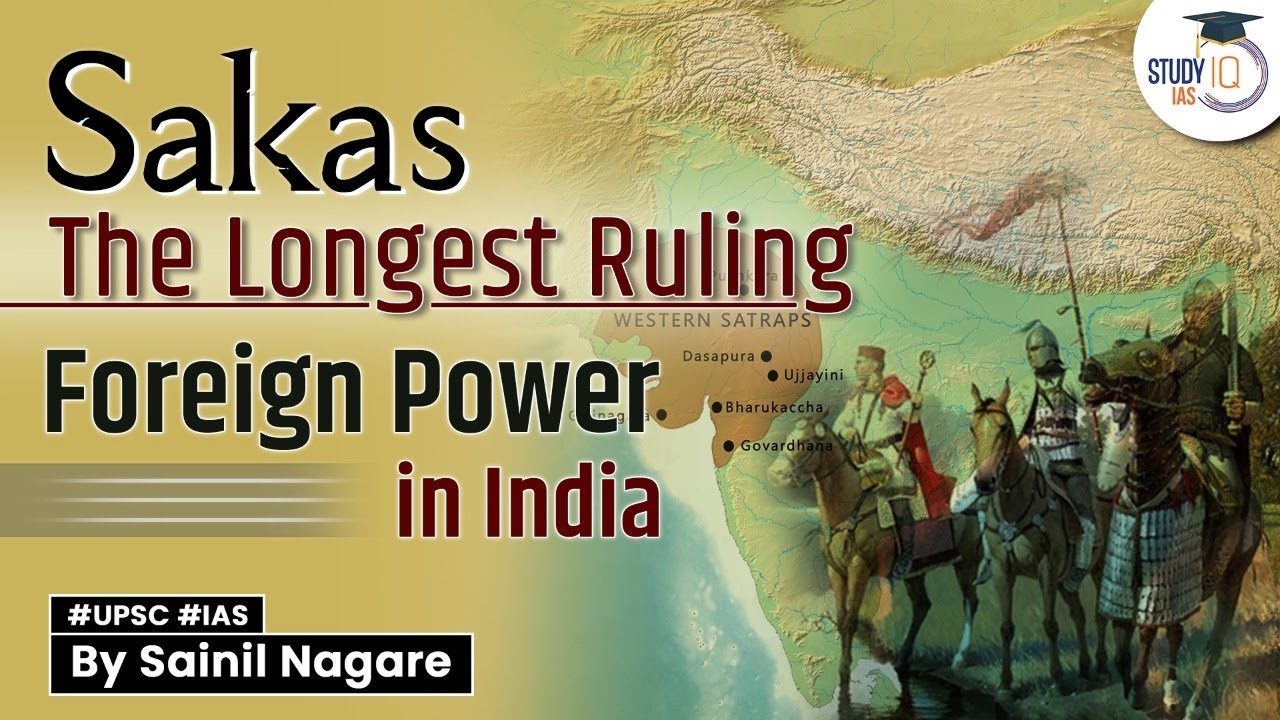
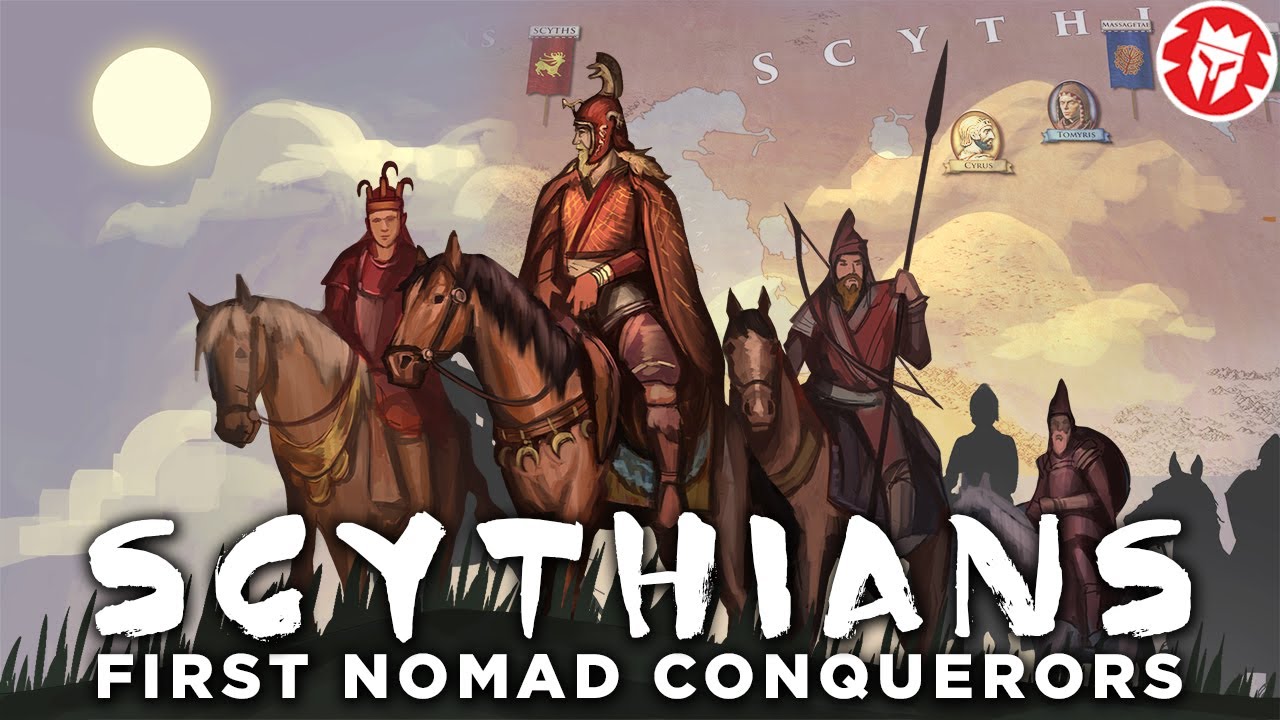
The Indo-Scythians, historically known as the Shakas, represent a crucial chapter in the history of Central Asia and northwestern South Asia. Their influence spanned from the mid- to the . As a nomadic warrior group of pastoralists, they established powerful regional kingdoms across northern and western India following the decline of Greek rule. In doing so, they introduced vital administrative practices, trade routes, and military innovations. Understanding the origins of the Shakas, their decentralized satrapy system, and key rulers like Rudradaman I is essential for analyzing the political landscape of ancient India.
In this chapter, you will understand:
- Central Asian origins of the Shakas and their migration routes into South Asia.
- The five regional branches of Shaka rule across the Indian subcontinent.
- Administrative innovations, including the satrapy system and bilingual coinage.
- The reign of Rudradaman I, his Sanskrit patronage, and the legacy of the Vikrama Samvat calendar.
Why this topic matters: This period marks the transition from Hellenistic control to Central Asian rule in northern India, bridging Silk Road commerce with traditional Indian statecraft and literature.
Core Idea: Driven out of Central Asia by competing tribes, the Shakas integrated into Indian society, established flexible administrative provinces, advanced Sanskrit literature, and promoted long-distance commerce.
Indo-Scythian (Shaka) Origins, Migration, and Impact (2nd Century BCE - 4th Century CE)
The movement of the Sakas into northwestern India was part of a massive migratory sweep across Central Eurasia. These skilled pastoralists and equestrian warriors adapted quickly to changing regional power vacuums.
Shaka Origins and the Central Asian Nomadic Thrust
Originally inhabiting lands near Lake Issyk-Kul and the Jaxartes River, the Shakas were pushed southward and westward by competing nomadic groups.
- The Sakas moved into the territories of the declining eastern Alexandrian empire, taking advantage of local political instability.
The Nomadic Catalyst: The Yueh-chih Displacement
Westward pressure from the Yueh-chih forced the Shakas out of their homelands, triggering a cascade of territorial shifts across Bactria and Parthia.
- Nomadic pastoralists interacted directly with established sedentary societies, creating new hybrid administrative structures.
- Rather than turning to agriculture themselves, these mobile rulers collected tribute and controlled lucrative trade corridors.
Shaka Culture, Military Capabilities, and Trade
Equestrian mastery formed the backbone of Shaka military strength and trade dominance across Central and South Asia.

- The central role of the horse allowed the Shakas to deploy advanced military gear, including specialized saddles, bridles, and the powerful compound bow.
Influence on Indian Polity and Trade Networks
By securing fertile oases and trade junctions, the Shakas served as essential handlers on the trade routes connecting India, China, and Central Asia.
- They facilitated the movement of luxury goods, including silk, between East Asia and the Mediterranean basin.
- They managed regional trade through stable local garrisons and minting operations.
Regional Branches and Administration in India
The Shakas established direct presence over much broader territory than their Greek predecessors, organizing their domain into distinct seats of power.
The Five Shaka Branches and King Maues
Power was split across five main regions to govern vast territories stretching from Afghanistan down to the Deccan.

Architectural depiction of regional satrapies and governance hubs. - The first branch settled in Afghanistan.
- The second branch made Taxila in the Punjab its capital.
- The third branch governed from Mathura for nearly two centuries.
- The fourth branch ruled western India until the .
- The fifth branch established power in the upper Deccan.
Administrative Systems and Coinage
The first recognized Shaka ruler in India was Maues (or Moga), who captured Gandhara around and expanded toward the Jhelum River.
- They adapted Achaemenid and Seleucid administrative models using military governors known as mahakshatrapas.
- Subordinate satraps held rights to mint bilingual coins featuring Greek on the front and Kharoshthi script on the back.
Quick Revision Capsule: Key Shaka Rulers and Dynastic Milestones
This table outlines core milestones, administrative features, and notable rulers of the Indo-Scythian period:
| Ruler / Event | Primary Region & Sphere | Historical Significance |
|---|---|---|
| King Maues (Moga) | Gandhara & Northwest India | First major Shaka king in India (); ended remaining Greek enclaves up to the Jhelum. |
| King Azes | Northwestern India | Associated with chronological eras and consolidation of Indo-Scythian territorial control. |
| Rudradaman I | Western India (Gujarat, Malwa, Sindh) | Repaired Sudarsana Lake; issued the first major inscription in high classical Sanskrit (). |
| Vikrama Samvat Era | Ujjain / Central India | Calendar era established in following a local victory over Shaka forces. |
| Kushana Displacement | Bactria to Northern India | Rising Kushana power under Kujula Kadphises gradually pushed the Shakas out of northern centers. |
Western Shakas, Rudradaman I, and the Vikrama Legend
While northern branches fell to neighboring forces, the western Shaka satraps maintained their state for four centuries.
Rudradaman I and the Junagadh Inscription
The most famous western Shaka ruler was Rudradaman I (reigned ). He ruled Sindh, Kutch, Gujarat, Konkan, and the Narmada Valley after defeating the Satavahanas.
- He ordered extensive repairs on Sudarsana Lake in Kathiawar without levying extra taxes on his subjects.
- He issued the first long public inscription written in refined Sanskrit, moving away from standard Prakrit inscriptions.
The Legend of Vikramaditya
In , a king of Ujjain drove out local Shaka forces and assumed the title Vikramaditya.
- This victory marked the start of the Vikrama Samvat calendar era.
- The title Vikramaditya became a lasting symbol of royal prestige in Indian history, adopted by up to fourteen later monarchs.
Summary
The Indo-Scythians transformed ancient South Asian administration and trade. From their Central Asian roots, they introduced the satrapy framework, expanded Silk Road trade, minted bilingual coins, and patronized both Buddhism and Sanskrit literature. Rulers like Rudradaman I left lasting architectural and epigraphic achievements before the dynasty was ultimately absorbed by the Satavahanas, Kushanas, and later the Guptas.
Key Checkpoints for Revision
Focus on these essential facts for quick examination review:
- (i) The Shakas migrated due to pressure from the Yueh-chih in Central Asia.
- (ii) King Maues established the initial Indo-Scythian power base in Gandhara around .
- (iii) The satrapy system used military governors (mahakshatrapas) who issued bilingual coins in Greek and Kharoshthi.
- (iv) Rudradaman I renovated Sudarsana Lake and authored the classical Sanskrit Junagadh rock inscription.
- Exam Tip: Remember that Rudradaman I's Junagadh inscription is the first major inscription in pure classical Sanskrit, making it a frequent question in ancient history papers. Also link the 58 BCE Vikrama Samvat era with the Ujjain victory over the Shakas.
Frequently Asked Questions (FAQ)
Q1: Who were the Indo-Scythians or Shakas?
A1: They were nomadic pastoralists from Central Asia who migrated into South Asia during the 2nd century BCE, establishing regional satrapies across northern and western India.Q2: What is the significance of King Rudradaman I?
A2: Rudradaman I was a Western Shaka ruler known for repairing the Mauryan-era Sudarsana Lake and issuing the earliest long inscription written entirely in classical Sanskrit.Q3: How was the Shaka administrative system structured?
A3: It relied on a decentralized satrapy model governed by mahakshatrapas (great satraps) and regional satraps who held local military authority and coin-minting rights.