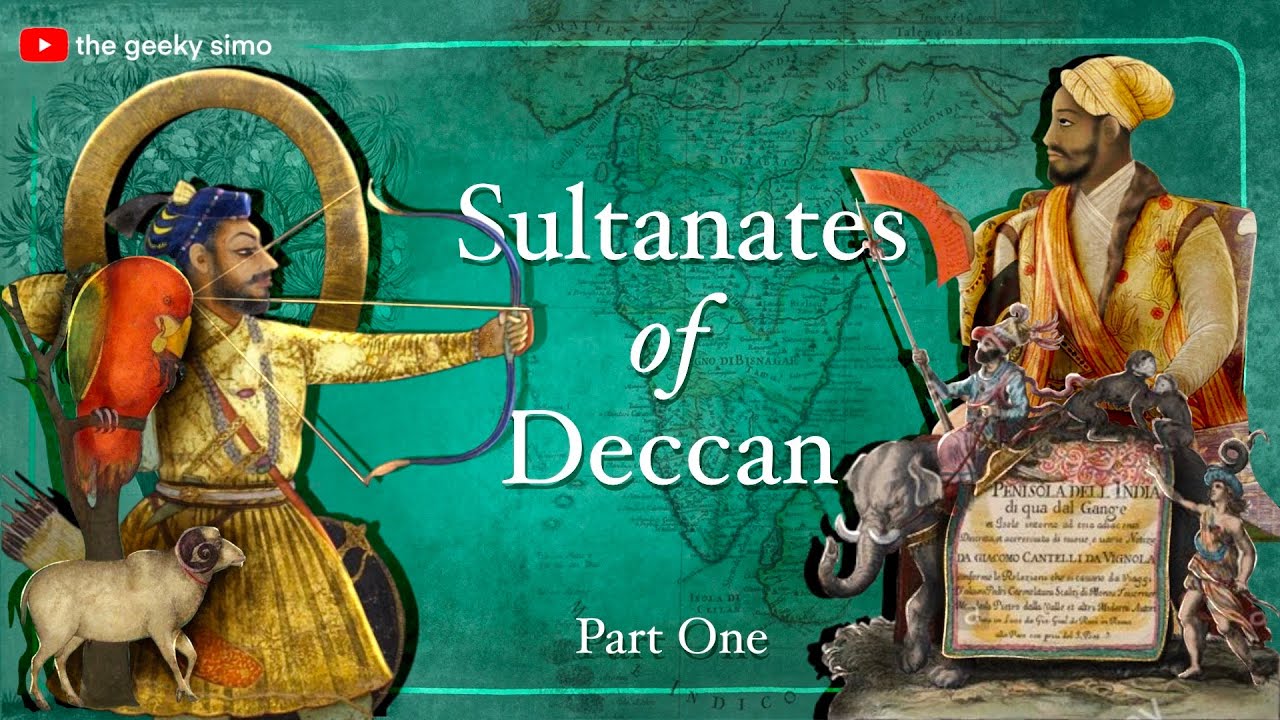
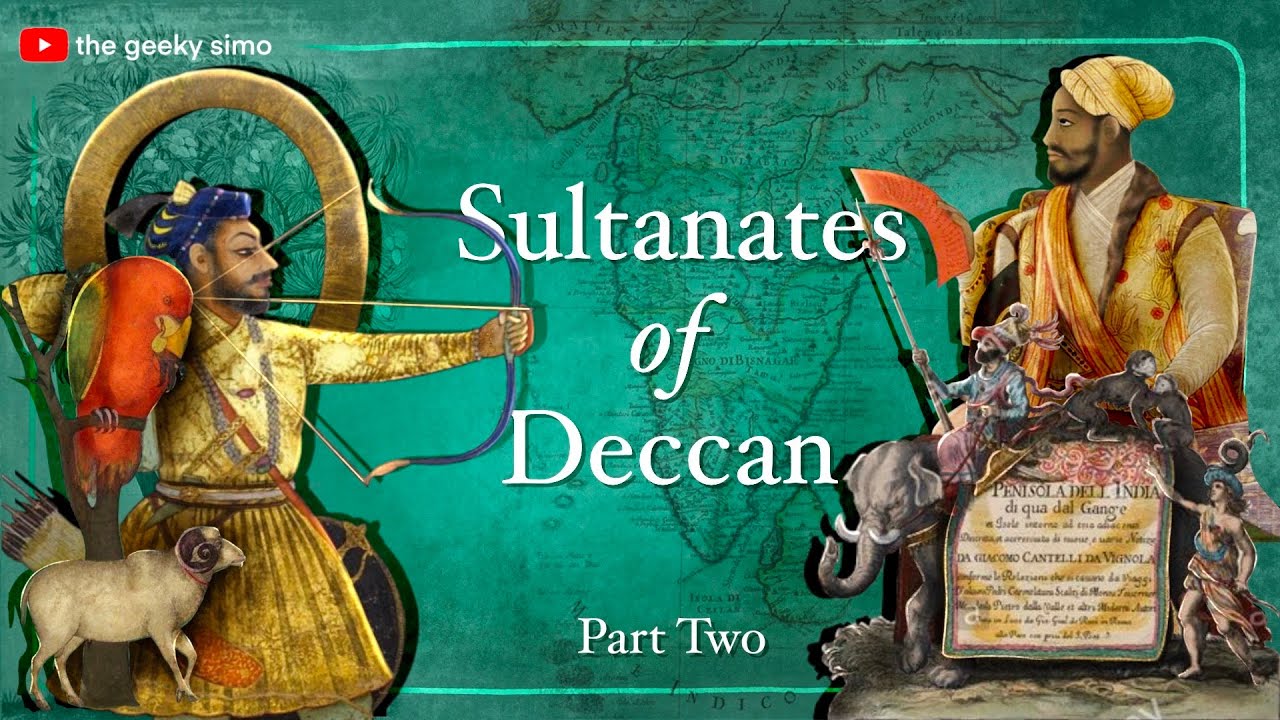
In the early , the Mughal conquest of the Deccan under Emperor Shah Jahan brought an end to the Nizam Shahi kingdom of Ahmadnagar. This crucial military campaign established Mughal suzerainty over the southern kingdoms of Bijapur and Golconda. These historic Mughal-Deccan relations show how smart diplomacy, military planning, and changing alliances shaped the region and paved the way for the rise of Maratha ambitions under Shivaji.
🎯 In this chapter, you will understand:
- How Emperor Shah Jahan used diplomacy to isolate and conquer Ahmadnagar.
- The role of internal betrayals and shifting alliances among the Deccan Sultanates.
- The significance of the Treaties of 1636 with Bijapur and Golconda.
- How political changes in the Deccan opened doors for early Maratha leadership.
💡 Why this topic matters: It explains how Mughal expansion permanently changed the politics of Southern India, setting up long-term rivalries.
🧠 Core Idea: Strategic treaties and military power allowed Shah Jahan to control the Deccan Sultanates, which unintentionally helped the Marathas grow strong.
Extinction of Ahmadnagar and Establishment of Mughal Suzerainty under Shah Jahan in the Deccan (17th Century)
The campaign against Ahmadnagar was a complex story of careful planning, long battles, unexpected betrayals, and lasting peace treaties.
When Shah Jahan took the throne in , he brought deep experience from his earlier military missions in the south.
- (i) Upon becoming emperor in , Shah Jahan used his firsthand knowledge of the Deccan region to guide his strategy.
- (ii) At first, he sent his nobleman Khan-i-Jahan Lodi to win back lost Deccan territories from the ruler of the Nizam Shahi kingdom.
- (iii) However, Khan-i-Jahan Lodi failed in his mission, rebelled against the empire, and joined hands with the Nizam Shahi forces he was sent to defeat.
Diplomatic Isolation and Military Strategy of Emperor Shah Jahan in the Deccan
Seeing that an independent Ahmadnagar blocked lasting peace, Shah Jahan used a mix of military force and diplomatic moves to isolate the kingdom completely.

Strategic Diplomatic Alliances to Isolate Ahmadnagar
Knowing that war alone would be slow and expensive, the emperor worked to divide his southern enemies before launching full attacks.
- (i) The emperor offered the Bijapur ruler a valuable share of Ahmadnagar land in return for helping the Mughals.
- (ii) This smart move cut off Ahmadnagar from its political and military allies, making its defeat almost certain.
Initial Successes and Shifting Loyalties in the Mughal Campaign against Ahmadnagar
The military action started well with local support, but it quickly ran into trouble as regional powers frequently changed sides.
Mughal Deployment, Local Support, and the Turn of Bijapur
Even with huge, well-organized armies, shifting political loyalties in the region made victory challenging for Shah Jahan.
- (i) The campaign started strong with support from the Bijapur Sultanate and several influential Maratha sardars.
- (ii) In , large Mughal armies moved into the region while the emperor personally directed operations from Burhanpur.
- (iii) Despite good early progress, Bijapur suddenly switched sides to help Ahmadnagar, forcing Mughal troops to pull back temporarily.
The Critical Betrayal and Final Conquest of Ahmadnagar
The fall of Ahmadnagar happened quickly after major betrayals from inside the Nizam Shahi court.
Fath Khan’s Treachery and the Surrender of Daulatabad
This betrayal brought down the ruling dynasty, allowing Shah Jahan to capture the region without endless fighting.
The historic Daulatabad Fort, key stronghold during the Mughal campaign. - (i) Fath Khan, son of the famous leader Malik Ambar, betrayed his ruler, leading to the capture of Ahmadnagar city in .
- (ii) Shah Jahan then appointed Mahabat Khan as the new viceroy, who fought off strong resistance from Bijapur and local leaders.
- (iii) By , the strong Daulatabad fort surrendered, ending the rule of the Nizam Shahi dynasty for good.
Treaties of 1636 and Establishing Mughal Suzerainty over Bijapur and Golconda
Combining diplomatic skill with military power, the Mughals signed treaties that secured control over Bijapur and Golconda.
Shah Jahan’s Grand Settlement of the Deccan (1636)
This overall settlement forced the surviving southern kingdoms to accept Mughal authority and pay yearly tribute.
- (i) Shah Jahan finalized the historic Treaties of 1636 with the kingdoms of Bijapur and Golconda.
- (ii) These treaties established Mughal suzerainty, requiring both states to pay regular tribute to the imperial government.
- (iii) The agreements allowed these kingdoms to expand further south, which later made them harder to manage and control.
Aftermath and Legacy of the Mughal Conquest: The Rise of Maratha Ambition
The fall of Ahmadnagar changed regional power dynamics, creating opportunities for local leaders like Shivaji to build new independent power.
Instability in Deccani States and the Foundations of Maratha Power
Internal struggles in Bijapur and Golconda created a leadership gap that ambitious Maratha leaders quickly filled.
- (i) Rapid expansion into southern lands caused internal fights among nobles, aiding leaders like Shahji Bhonsle and his son Shivaji.
- (ii) In , after the death of Bijapur's ruler Muhammad Adil Shah, Prince Aurangzeb arrived as viceroy, shifting the balance of power again.
- (iii) These changes set the stage for major conflicts over the next fifty years and helped establish the independent Maratha state.
⚡ Quick Revision Capsule: Mughal Conquest of the Deccan
Here is a quick summary of key events, dates, and outcomes from Shah Jahan's campaigns in the Deccan:
| Year / Period | Key Event / Milestone | Historical Significance |
|---|---|---|
| Ascension of Shah Jahan | Marked a new, experienced approach toward controlling the southern territories. | |
| Mughal army deployment from Burhanpur | Direct imperial command created pressure on the Nizam Shahi forces. | |
| Fall of Ahmadnagar city | Accelerated by the betrayal of Fath Khan, son of Malik Ambar. | |
| Surrender of Daulatabad Fort | Signaled the formal end of the Nizam Shahi dynasty. | |
| Treaties of 1636 | Established Mughal suzerainty over Bijapur and Golconda with annual tribute. |
📝 Summary
The campaign led by Emperor Shah Jahan starting in brought an end to the kingdom of Ahmadnagar and brought Bijapur and Golconda under Mughal control through the Treaties of 1636. This period combined military strength, clever diplomacy, and political betrayals to redraw the map of Southern India. While it expanded Mughal control, it also opened doors for the rise of the Maratha state under Shivaji.
🚀 Quick Revision Points
Essential facts to review before examinations:
- (i) Shah Jahan used smart diplomacy to isolate Ahmadnagar before sending troops.
- (ii) The revolt of Khan-i-Jahan Lodi created initial challenges for Mughal plans.
- (iii) The surrender of Daulatabad Fort in ended the Nizam Shahi kingdom.
- (iv) The Treaties of 1636 required Bijapur and Golconda to acknowledge Mughal authority and pay tribute.
- 💡 Exam Tip: Focus on how the Treaties of 1636 altered the regional balance of power and paved the way for Shivaji's rise.
❓ Frequently Asked Questions (FAQ)
Q1: What was the main outcome of Shah Jahan's Deccan campaigns?
A1: The complete end of the Ahmadnagar kingdom and the establishment of Mughal authority over Bijapur and Golconda.Q2: What role did Fath Khan play in the fall of Ahmadnagar?
A2: Fath Khan betrayed his ruler, facilitating the fall of Ahmadnagar city in and the final surrender of Daulatabad Fort in .Q3: How did the Treaties of 1636 affect Bijapur and Golconda?
A3: These agreements forced both sultanates to accept Mughal suzerainty and pay regular tribute while permitting them to expand southwards.