The first half of the in India represents a pivotal era under the reigns of Jahangir () and his successor, Shah Jahan (). This period was marked by strong political consolidation, major administrative reforms, and remarkable cultural growth. Understanding this era helps us learn about Rajput alliances, Mughal foreign policy with other Asian powers, and the strong political influence of Empress Nur Jahan. For students preparing for exams, this topic explains core Mughal governance strategies, official systems, and recurring succession struggles.
🎯 In this chapter, you will understand:
- How Jahangir and Shah Jahan expanded and strengthened Mughal rule across India.
- The main rebellions and military strategies used in regional areas like Bengal and Mewar.
- The growing political power of Empress Nur Jahan and her impact on court politics.
- Key administrative tools like the mansabdari system and diplomatic links across Asia.
💡 Why this topic matters: It reveals how the Mughal dynasty maintained peace across a vast territory while building some of world history's greatest architectural and artistic monuments.
🧠 Core Idea: Strategic alliances and cultural development kept the Mughal Empire strong, even while internal family disputes for the throne caused instability.
India in the First Half of the Seventeenth Century: Key Political, Administrative, and Cultural Developments
The Mughal Empire flourished under Jahangir and Shah Jahan, building directly on the strong foundation laid by Akbar while expanding its reach across India and beyond.
This transformative period saw major progress in imperial administration, remarkable art and architecture, and active foreign diplomacy, even as ordinary workers faced hard economic conditions.
- (i) The empire stayed stable and grew under both rulers through strong alliances with key groups like the Rajputs, while also bringing influential Afghans and rising Marathas into imperial service.
- (ii) Capital cities, especially Agra and Delhi, were decorated with magnificent white marble architecture, making the Mughal court a world-famous cultural hub for art and design.
- (iii) The emperors maintained strong diplomatic ties with major foreign powers, such as Safavid Iran, the Uzbeks of Central Asia, and the Ottoman Turks, which helped boost foreign trade and the economy.
- (iv) Despite the obvious wealth of the royal court, ordinary peasants and labourers faced tough hardships and high taxes, while the noble military class grew increasingly rich.
Jahangir’s Reign (1605–1627): Political Stability and Regional Challenges
Jahangir’s rule maintained stable governance after his father’s reign, though he regularly dealt with succession disputes and regional conflicts along border regions.

Internal Struggles and Principal Rebellions
The early years of Jahangir’s reign were troubled by family rivalries for the throne, which were common during Mughal royal successions.
- (i) The most urgent threat was a revolt led by his own son, Prince Khusrau, showing the constant succession battles within the Mughal ruling family.
- (ii) Regional conflicts also continued, such as long-running tension with Mewar in Rajasthan, resistance led by military strategist Malik Ambar in the Deccan, and uprisings by Afghan chiefs in East Bengal.
The Strategic Policy in Bengal and the Role of Islam Khan
A key success of Jahangir’s rule was bringing Bengal fully under central Mughal control, a task led by governor Islam Khan.
- (a) Islam Khan, grandson of the famous Sufi saint Shaikh Salim Chishti, moved the regional capital east to Dacca (Dhaka), securing tighter administration over the region.
- (b) He systematically defeated local Afghan rebels, which made the eastern frontier of the empire much safer.
- (c) Jahangir used peaceful diplomacy alongside military action, offering positions to cooperative Afghan nobles in the Mughal military service to turn former enemies into trusted allies.
Nur Jahan’s Political Ascendancy and Succession Issues
Empress Nur Jahan became a powerful political leader during the later years of Jahangir’s reign, guiding governance and playing a big role in court decisions.
The Dominant Political Role of Empress Nur Jahan
As Jahangir’s health worsened, Nur Jahan’s role grew, making her an active political decision-maker in appointments and foreign affairs.
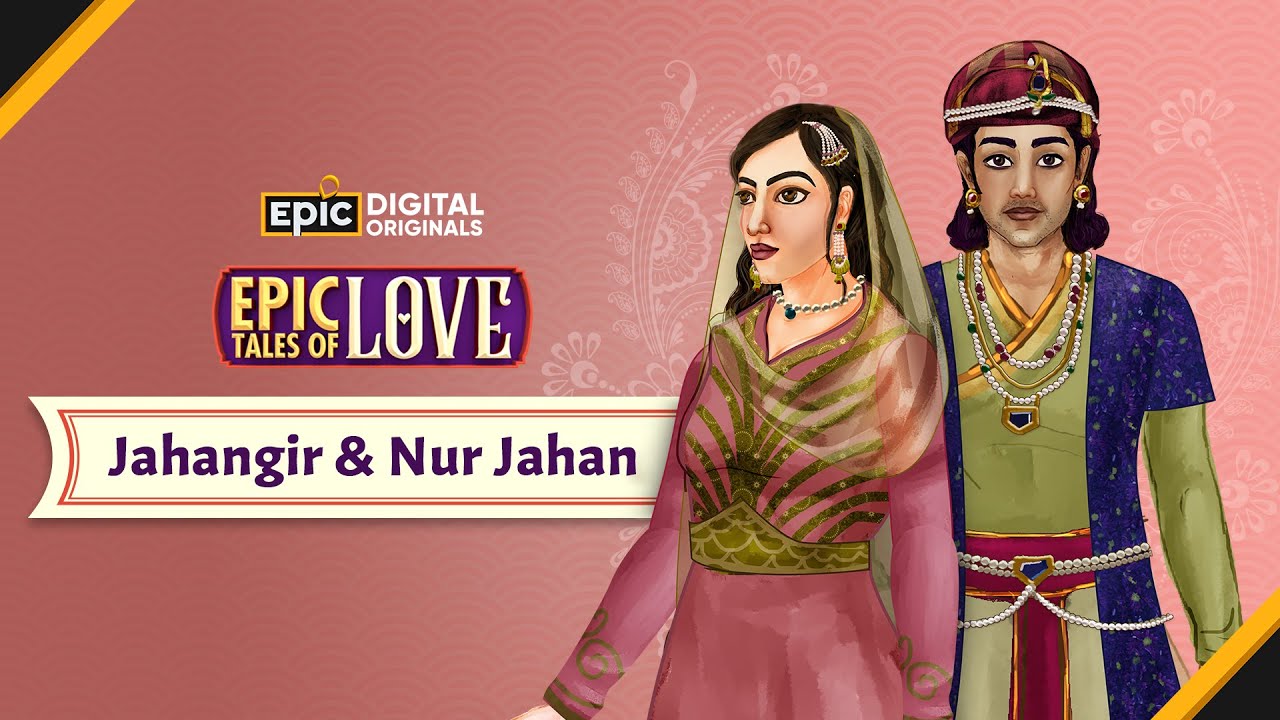
Portrait illustration showing Empress Nur Jahan's prominent place in Mughal court history - (i) Her leadership was clear when Persia captured Qandahar in , a major geopolitical loss that her court group worked to manage through diplomatic and military steps.
- (ii) However, her strong influence led to competing groups of nobles forming within the court, which created rivalries against her political alliance.
The Deepening Succession Uncertainty
The closing years of Jahangir’s life saw political rivalries among nobles and princes planning for the next ruler.
- (a) Jahangir’s falling health triggered competition among his sons, who all sought support to claim the throne.
- (b) Political groups—some supporting Nur Jahan and others backing rival princes—competed for power, creating uncertainty across the empire.
- (c) These conflicts set up the difficult environment that Shah Jahan had to manage when he eventually took power.
⚡ Quick Revision Capsule: Mughal Empire (First Half 17th Century)
Here is a quick overview of key figures, developments, and events from this historic era:
| Ruler / Key Figure | Main Historical Contributions | Major Challenges & Events |
|---|---|---|
| Jahangir () | Maintained administrative stability, extended alliances with Rajputs, promoted art and painting. | Prince Khusrau’s revolt; ongoing military campaigns in the Deccan against Malik Ambar. |
| Islam Khan | Secured Mughal control over Bengal; moved capital to Dacca (Dhaka). | Subdued local Afghan rebellions and integrated former rebels into Mughal administrative service. |
| Empress Nur Jahan | Managed administrative matters during Jahangir's illness; active in trade, art, and governance. | Loss of Qandahar to Persia in ; rising court rivalries over throne succession. |
| Shah Jahan () | Constructed grand marble monuments in Agra and Delhi; strengthened foreign diplomatic ties. | Heavy taxation on farming communities; high cost of imperial building projects and military campaigns. |
📝 Summary
The first half of the under Jahangir and Shah Jahan was a golden age for Mughal culture, political stability, and architectural art. The period saw smart diplomatic connections with Asian powers and strong administrative tools like the mansabdari system. However, continuous family conflicts over succession, the loss of Qandahar in , and high taxes on rural peasants were ongoing problems during this famous era of Indian history.
🚀 Quick Revision Points
Essential facts to review before examinations:
- (i) Jahangir maintained Rajput alliances and recruited Afghans and Marathas into Mughal service.
- (ii) Islam Khan consolidated Mughal control in Bengal and moved its capital to Dacca.
- (iii) Empress Nur Jahan held real political power during Jahangir's later years.
- (iv) The Persian capture of Qandahar in was a key diplomatic and territorial setback.
- 💡 Exam Tip: When writing exam answers about Jahangir's reign, highlight both his military actions in Bengal/Deccan and his use of peaceful diplomacy to integrate former Afghan enemies into imperial service.
❓ Frequently Asked Questions (FAQ)
Q1: Who was Islam Khan, and what was his major achievement in Bengal?
A1: Islam Khan was Jahangir's governor in Bengal and the grandson of Shaikh Salim Chishti. He moved the capital to Dacca and successfully brought local Afghan chiefs under Mughal authority.Q2: What role did Empress Nur Jahan play in Mughal governance?
A2: Nur Jahan exercised significant administrative and political influence, especially during Jahangir's illness, taking part in appointments, foreign policy decisions, and court affairs.Q3: What major territorial loss occurred for the Mughals in 1622?
A3: The empire lost the key frontier city of Qandahar to Safavid Iran in , which impacted Mughal military standing in Central Asia.