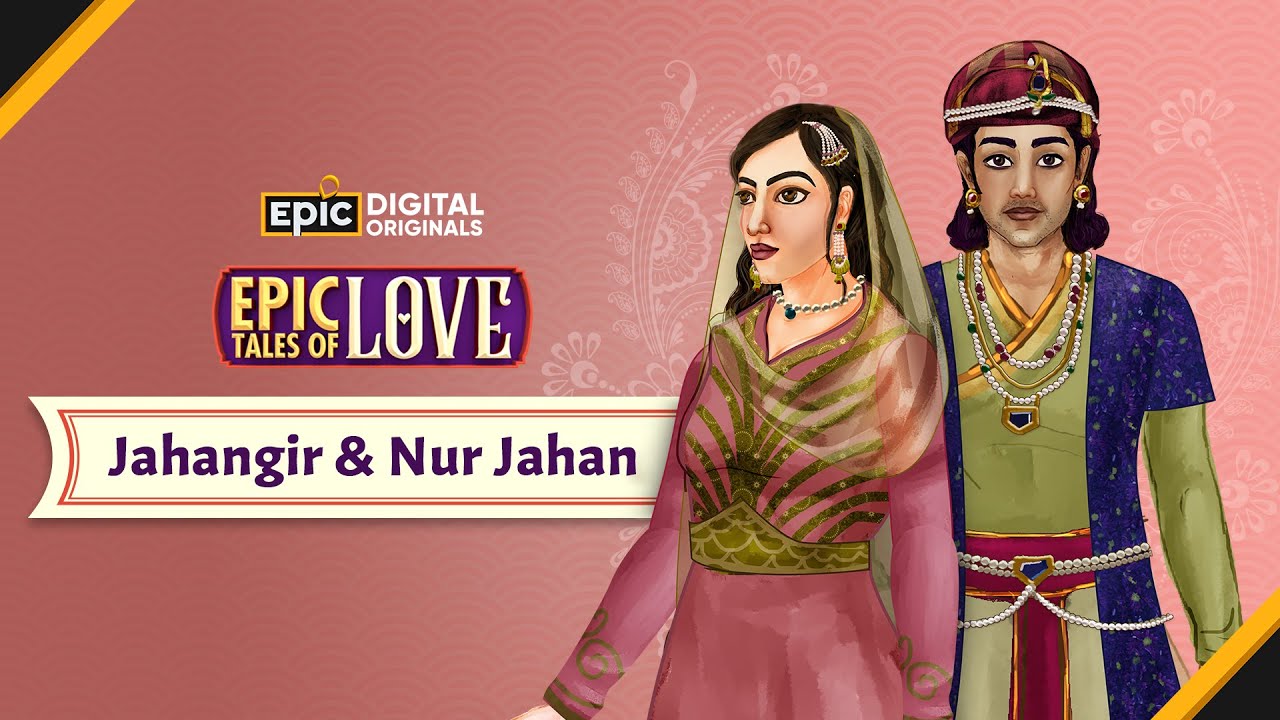
The story of Nur Jahan, arguably the most powerful and influential Mughal empress, offers a crucial insight into women's power in Mughal politics and the blending of cultural contributions that defined the era. Rising from Persian nobility, her marriage to Emperor Jahangir in cemented her position as a decisive force in Mughal administration, culture, and state affairs, a topic of high relevance for students preparing for history and political science exams.
🎯 In this chapter, you will understand:
- How Nur Jahan rose from Persian nobility to become an influential Mughal Empress.
- The strategic role of her family and the political faction known as the Junta in court affairs.
- Her direct impact on administrative decisions, coining currency, and patronizing Persian arts.
- The shift in royal alliances that led to tensions with Shah Jahan and the rebellion.
💡 Why this topic matters: It highlights how female leadership operated within Mughal political systems, showing how a skilled Empress influenced governance, court administration, and artistic traditions.
🧠 Core Idea: Through sharp political skill, family support, and cultural taste, Nur Jahan became a powerful co-ruler alongside Emperor Jahangir between and .
Nur Jahan: Political Rise, Governance, and Cultural Legacy in the Mughal Empire ()
Nur Jahan's formidable ascent from humble Persian nobility to the esteemed position of Mughal Empress fundamentally redefined the dynamics of court politics and cultural life.
Her remarkable personal journey from an aristocratic background to the apex of Mughal power is a testament to her inherent resilience, sharp political acumen, and profound cultural influence that flourished during the reign of Emperor Jahangir.
- (i) Born as Mehr-un-Nissa into a noble Persian family, her father, Itimaduddaula (Mirza Ghiyas Beg), served diligently and earned high status within the Mughal administration.
- (ii) She was initially married to Sher Afgan, a distinguished Iranian noble, whose life was tragically cut short in a politically charged clash with the Mughal governor of Bengal.
- (iii) Following her introduction to the royal household, she married Emperor Jahangir in , subsequently being granted the illustrious title of Empress Nur Jahan (Light of the World).
Nur Jahan’s Family Influence and Strategic Political Rise in Mughal Court Politics
The marriage acted as a catalyst, propelling Nur Jahan's immediate family into a position of unmatched dominance at the Mughal court, where they secured high administrative offices and significantly shaped imperial policy and governance.

- The rapid rise of her closest relatives helped build a solid group of loyal officials across key government offices.
Itimaduddaula and Asaf Khan: Key Figures in the Mighty Mughal Administration
The rise of Nur Jahan's father and brother was instrumental in consolidating her power base, ensuring the highest echelon of the Mughal bureaucracy was loyal to her faction, which became known as the 'Junta'.
- (i) Her father, Itimaduddaula, was elevated to the prestigious post of Chief Diwan (finance minister), where he demonstrated exceptional competence and unwavering loyalty to the Crown.
- (ii) Her influential brother, Asaf Khan, secured the significant appointment of Khan-i-Saman (Chief Steward of the Royal Household), making him a deeply trusted and powerful Mughal noble.
- (iii) The placement of these key family members in such critical roles effectively strengthened the family's collective control over the imperial court and its internal machinery.
Nur Jahan’s Strategic Political Group and the Alliance with Prince Khurram (Shah Jahan)
Nur Jahan's shrewd formation of a powerful inner circle allowed her to effectively steer state affairs and participate directly in crucial decision-making, earning her a title of tremendous respect.
- (a) Initially, she formed a crucial political alliance with Prince Khurram (Shah Jahan), who was considered the most capable successor to the throne, consolidating the Junta's influence.
- (b) She expertly managed complex court affairs, constantly influencing and guiding the Emperor in critical political decisions, especially as Jahangir's health began to decline.
- (c) Her undeniable and pervasive authority at court was formally recognised with the special title of Badshah Begum (First Lady or Empress of the Empire), underscoring her stature.
Nur Jahan’s Unprecedented Role in Governance and Imperial Administration
As the effective co-sovereign Empress, she moved beyond the traditional confines of the royal household, exercising remarkable and often direct authority behind the throne, profoundly influencing state policies, cultural discourse, and the public image of the monarchy.
- Her guidance helped ensure smooth administration during times when Emperor Jahangir faced health challenges.
Political and Administrative Influence: Intervention and Authority in the Mughal Empire
The Empress became an undeniable pivot of power, with her influence extending into every facet of Mughal statecraft, making her the essential intermediary for high political matters.
- (i) Due to her well-known proximity to the Emperor, important nobles and even foreign dignitaries sought her direct intervention and mediation in complex political and state matters.
- (ii) She introduced sophisticated Persian-inspired fashions, aesthetics, and culinary preferences, thereby dominating the cultural life of the royal household and court society.
- (iii) The ultimate symbol of her unprecedented temporal power was the issuance of imperial coins that bore her name alongside that of Jahangir, a revolutionary move for a female monarch.
Limits to Nur Jahan’s Power: Emperor’s Supremacy and Court Balance
Despite her immense power, it is crucial to remember that Nur Jahan's influence operated within the existing framework of imperial authority, which ultimately rested with the Emperor.
- (a) Jahangir, despite his indulgence, retained his fundamental role and independent capacity for final decision-making in all critical state affairs.
- (b) The system ensured that non-aligned or rival nobles who proved their merit and competence still received necessary promotions and high imperial offices, preventing complete factional control.
- (c) Ultimately, the extent of her effective political power was inextricably linked to the strength of her strategic political alliances and, most importantly, the unwavering support of Emperor Jahangir.
Nur Jahan’s Enduring Cultural Contributions and Artistic Legacy
Nur Jahan's sophisticated tastes ensured she was not just a political figure but also a leading patron of Persian art and architecture, thereby embedding a lasting sense of refinement into Mughal cultural traditions.
- Her support for creative arts transformed imperial fashion, building design, and court ceremonies.
Arts, Architecture, and Refined Cultural Patronage in Mughal Aesthetics
The Empress actively fostered a court environment where artistic innovation and cultural exchange flourished, marking a notable zenith in Mughal aesthetic development.
The Tomb of Itimaduddaula in Agra, built under Nur Jahan's patronage, is a masterpiece of Mughal marble inlay. - Persian Art Patronage: She was a major promoter of Persian art, culture, and especially architecture at the Mughal court, leading to highly decorative and refined styles.
- Cultural Blending: Her patronage strongly supported the artistic blending and fusion of highly refined Persian artistic traditions with indigenous Indian forms and aesthetics.
- Elegance and Design: Her period marked an era of intense cultural vibrancy, unprecedented refinement, and a distinctly elegant style that pervaded art, fashion, and architecture.
Personal Image and Public Life: Challenging Conventions with Hunting Skills
Nur Jahan consciously cultivated a public image that masterfully combined traditional female grace with decisive, traditionally masculine power, setting a new precedent for royal women.
- (a) Breaking typical norms, she regularly accompanied Emperor Jahangir on extensive hunting expeditions and official tours across the empire.
- (b) She publicly demonstrated remarkable riding and proven hunting skills—even reputedly shooting tigers—which significantly augmented her powerful and respected public image.
- (c) This careful cultivation projected her dual identity as both a highly cultured Empress and an inherently powerful political and physical force.
Nur Jahan’s Relationships with Jahangir and Shah Jahan: Impact on Succession Struggles
Her core personal and political alliances—particularly with Emperor Jahangir and later her shift in allegiance concerning Prince Khurram—were pivotal factors that decisively influenced imperial succession struggles and the tumultuous Mughal politics of the time.
- These changing political relationships had a direct impact on who would inherit the throne.
Marriage with Jahangir: Political Stability and Cultural Growth
The imperial couple’s relationship was characterised by deep personal affection alongside a shared political partnership that yielded significant benefits for the empire.
- (i) Her presence and acumen brought a notable degree of stability, as well as a period of significant cultural growth and patronage to the Mughal Empire.
- (ii) She was permitted to share authority in key court affairs, providing executive support while Jahangir remained the ultimate supreme ruler.
- (iii) Their partnership significantly strengthened the public image of women's integral role and high influence in formal Mughal politics.
Alliance and Tensions with Shah Jahan: The Breakaway and Rebellion
The change in Nur Jahan's allegiance—from Shah Jahan to his younger brother, Prince Shahriyar—caused irreparable rifts and plunged the court into intense political rivalry.
- (a) Her initial, strong alliance with Prince Khurram (Shah Jahan) was crucial, but the eventual breakdown of this relationship led to increased court divisions and political rivalries.
- (b) This critical shift in alignment caused significant tension, culminating in the civil war following the Emperor's ill health and the push for her own son-in-law's succession.
- (c) Shah Jahan's famous rebellion in was a direct, explosive manifestation of the deep-seated tensions and challenges posed by Nur Jahan's unrelenting political dominance.
⚡ Quick Revision Capsule: Nur Jahan's Influence & Legacy
This capsule summarizes key details about Nur Jahan's life, political steps, and major achievements for quick exam review.
| Key Aspect | Historical Details | Impact / Significance |
|---|---|---|
| Early Life & Marriage | Born Mehr-un-Nissa to Itimaduddaula; married Jahangir in . | Gained the title Nur Jahan and rose quickly to central court influence. |
| Family Junta | Promoted her father (Chief Diwan) and brother Asaf Khan (Khan-i-Saman). | Secured strong control over government departments and decision-making. |
| Imperial Authority | Earned the title Badshah Begum; issued royal coins with her name. | Demonstrated rare administrative authority as a female ruler in Mughal history. |
| Cultural Patronage | Promoted Persian art, refined dresses, and marble architecture. | Enriched Mughal artistic style and blended Persian traditions with local Indian designs. |
| Succession Rivalry | Backed Prince Shahriyar over Prince Khurram (Shah Jahan). | Triggered political conflict and Shah Jahan's rebellion in . |
📝 Summary
Nur Jahan, as the formidable Empress of Jahangir, stands as a historical anomaly who fundamentally transformed the Mughal Empire through her sustained and unprecedented political influence, active administrative role, and distinguished cultural patronage between and . She masterfully shaped court politics, secured her family's position through strategic appointments, and was directly responsible for elevating Persian art and aesthetics in India to new heights. For students, her legacy is a vital case study to understand the nuances of women's leadership in Mughal history and the long-lasting socio-cultural impact of a powerful female monarch.
🚀 Quick Revision Points
Essential facts to review before examinations:
- (i) Nur Jahan married Jahangir in and earned the title Badshah Begum.
- (ii) Her family group, known as the Junta, held high offices like Chief Diwan and Chief Steward.
- (iii) She was the only Mughal Empress to have coins minted bearing her name alongside the Emperor.
- (iv) Her backing of Prince Shahriyar led to conflict and rebellion with Shah Jahan in .
- 💡 Exam Tip: Focus on her unique administrative privileges—such as coining money and holding the title Badshah Begum—and her role in introducing Persian art into Mughal architecture.
❓ Frequently Asked Questions (FAQ)
Q1: Who was Nur Jahan and when did she become Empress?
A1: Born Mehr-un-Nissa, she was a Persian noblewoman who married Emperor Jahangir in , becoming Empress Nur Jahan.Q2: What was the 'Junta' in the Mughal court?
A2: The Junta was an influential court faction formed by Nur Jahan, her father Itimaduddaula, her brother Asaf Khan, and initially Prince Khurram.Q3: How did Nur Jahan influence Mughal art and culture?
A3: She promoted Persian art, new clothing fashions, and distinct architectural designs like marble inlay, as seen in The Tomb of Itimaduddaula.