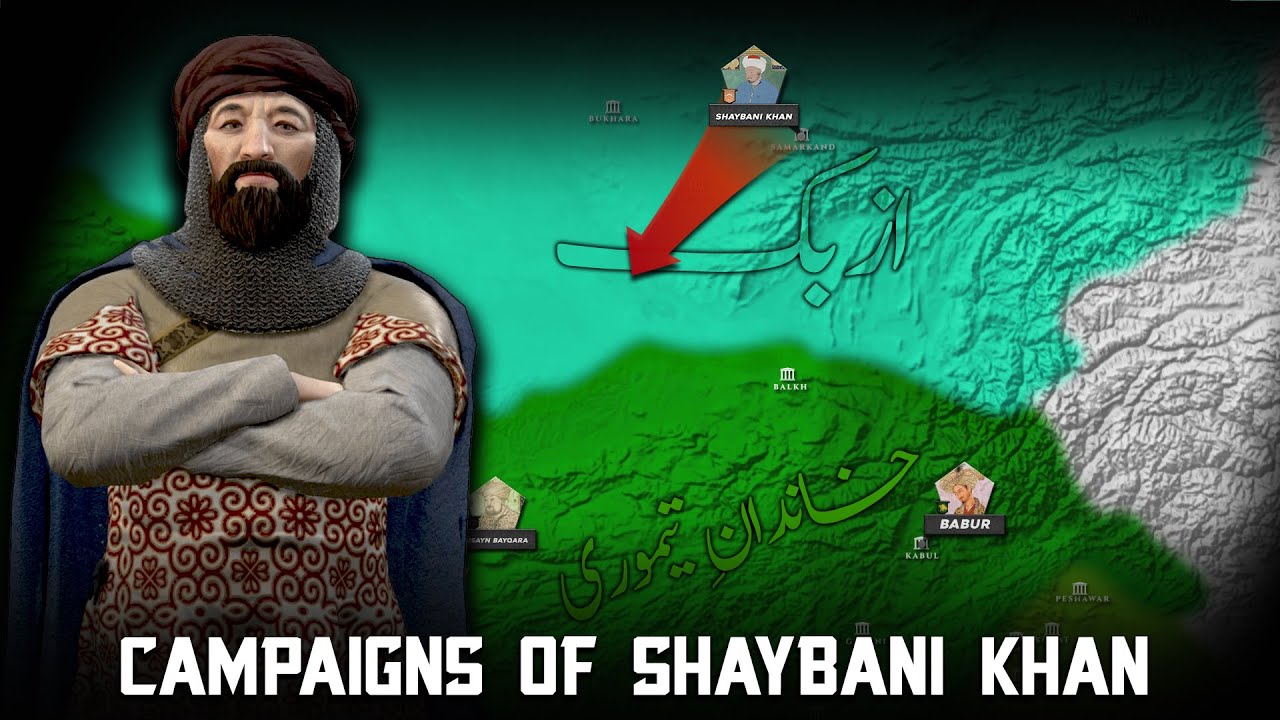
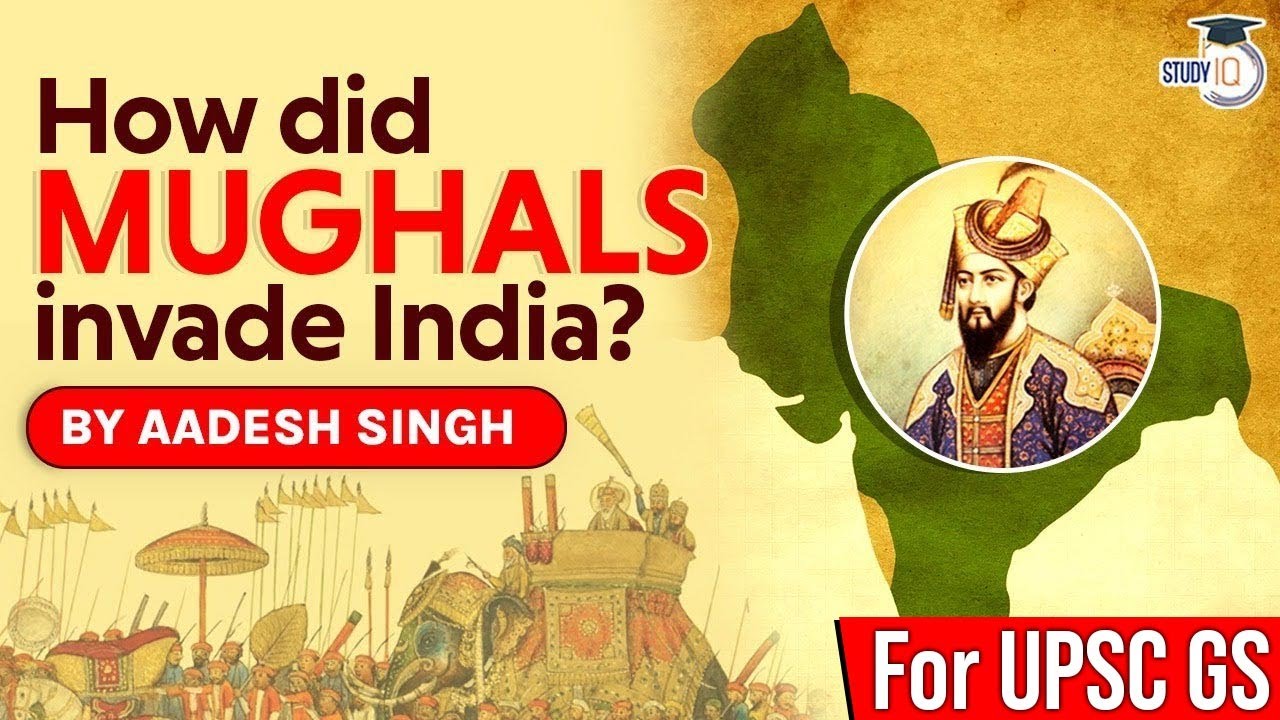
The relations between the Mughals, Safavids, and Uzbeks during the shaped the political balance of Central Asia. Starting with the defeat of Shaibani Khan in , these powers came into direct contact. Over the decades, the rise of Abdullah Khan Uzbek and the smart diplomacy of Akbar led to shifting alliances and careful strategic moves. This historical period is essential for UPSC exam preparation because it shows how rulers like Babur, Humayun, and Akbar secured key boundaries along the Hindukush and Qandhar frontiers.
🎯 In this chapter, you will understand:
- How the defeat of Shaibani Khan in 1510 launched Mughal-Safavid cooperation.
- The strategic impact of Abdullah Khan Uzbek capturing Balkh and proposing to partition Iran.
- Akbar’s pragmatic foreign policy, non-sectarian approach, and frontier defense strategy.
- The establishment of the Hindukush boundary and the stabilization of Mughal borders by 1598.
💡 Why this topic matters: Understanding 16th-century Central Asian diplomacy reveals how border defense and balance of power strategies secured the Mughal Empire’s northwestern frontiers.
🧠 Core Idea: Akbar replaced sectarian religious conflicts with practical diplomatic strategies, creating a defensible "scientific frontier" along Qandhar and the Hindukush mountains.
Mughal-Safavid-Uzbek Relations (1510–1598): Strategic Power Balance, Conflicts, and Akbar’s Masterful Diplomacy
The clear victory of the Safavids over Shaibani Khan in started a new phase of friendship and strategic planning between the Mughals and Safavids.
After the Uzbek defeat, Babur temporarily controlled Samarqand. Later, during his time in exile, Humayun received military support from the Safavid ruler Shah Tahmasp. These early events created a foundation of trust that helped Akbar balance power between the aggressive Uzbeks and the influential Safavids.
- (i) In , the Safavid victory over Shaibani Khan allowed Babur to briefly regain control of Samarqand and build a temporary partnership.
- (ii) During his years away from power, Humayun received helpful military and political backing from Shah Tahmasp, establishing long-term goodwill between the two dynasties.
- (iii) These early interactions focused on dealing with common Uzbek threats, setting the geopolitical direction for the rest of the .
Abdullah Khan Uzbek’s Power Consolidation and the Central Asian Power Shift
The growing power of Abdullah Khan Uzbek during the led to quick territorial expansions that changed the balance of power among the Mughals, Safavids, and Uzbeks.

The Strategic Capture of Balkh (1572–73) and the Elimination of the Buffer Zone
When Abdullah Khan conquered Balkh, it removed a helpful neutral area that had kept the Uzbeks and Mughals separated.
- (i) Abdullah Khan took control of Balkh between and , strengthening Uzbek authority.
- (ii) Taking this territory removed the natural barrier, putting the Mughal and Uzbek forces face-to-face along the border.
- (iii) This closer contact forced Akbar to build stronger defenses and update his diplomatic strategy along the frontier.
The Proposal to Partition Iran (1577) and Akbar’s Rejection of Sectarianism
In , Abdullah Khan suggested that Akbar join him in attacking and dividing Safavid Iran. He tried to frame this attack as a Sunni effort against the Shia Safavids, but Akbar refused to join.
- (a) Akbar rejected Abdullah’s attempt to use religious divisions to start a joint war against the Shia Safavids.
- (b) Akbar saw that a stable and independent Iran was necessary to keep Uzbek ambitions in check.
- (c) This decision demonstrated Akbar’s practical foreign policy, which prioritized regional peace and national security over religious differences.
Akbar’s Masterful Diplomatic Maneuvers and Pragmatic Frontier Policy
Akbar's main foreign policy goal was to protect state interests through practical planning rather than religious warfare. He built trade routes, created strong alliances, and protected vital border posts.
The Policy of Religious Tolerance and Deepening Iranian Ties
Akbar’s belief in religious tolerance influenced both his internal rule and his foreign affairs. By turning down Abdullah Khan’s religious war offer, he strengthened ties with Iran.
- (i) He turned down proposals for religious conflicts, establishing the Mughal Empire as a fair, non-sectarian state.
- (ii) Akbar highlighted the open pilgrimage route to Mecca through Gujarat, presenting the empire as a neutral supporter of Islamic pilgrimage without joining regional religious disputes.
- (iii) By staying neutral, Akbar improved relations with Iran, which helped counter persistent Uzbek hostility.
Crucial Infrastructure Development and Securing Timurid Alliances
Akbar focused on building important infrastructure while making alliances with local leaders to secure the border region.
- (a) He gave shelter to the exile Timurid prince Mirza Sulaiman, winning Timurid support and weakening Uzbek claims in the region.
- (b) He spent resources to improve the Khyber Pass so that wheeled vehicles could travel through easily, which helped both military movement and regional trade.
- (c) Combining border improvements with smart diplomacy helped create a peaceful western boundary.
Military Campaigns and Strategic Mughal Expansion: Kabul and Qandhar (1585–1595)
Between and , the Mughals expanded their territory to build a strong, easily defensible border line.
The Badakhshan Conflict and the Annexation of Kabul (1585)
When the Uzbeks took control of Badakhshan in , Akbar responded quickly to protect Mughal interests in the area.
- (i) Abdullah Khan captured Badakhshan in , putting pressure on nearby Mughal lands.
- (ii) The former ruler of the area, Mirza Sulaiman, asked for protection at Akbar’s court, giving the Mughals a clear reason to step in.
- (iii) Following the death of Mirza Hakim, Akbar took action and added Kabul to the Mughal Empire in .
The Decisive Control of Qandhar (1595) and the Scientific Frontier
Securing Qandhar in completed Akbar’s goal of forming a secure border along the natural geography of the region.
- (a) Akbar took full control of the fortress city of Qandhar in , securing an important trade and defense location.
- (b) Owning Qandhar created a border that was much easier to supply and defend.
- (c) This territorial expansion helped balance regional power between the aggressive Uzbeks and the Safavids.
⚡ Quick Revision Capsule: Mughal Frontier Policy Key Events
A quick summary of key events and tactical decisions in Mughal-Safavid-Uzbek relations:
| Year | Key Event | Strategic Outcome |
|---|---|---|
| Safavids defeat Shaibani Khan | Babur briefly gains Samarqand; starts Safavid-Mughal ties. | |
| Abdullah Khan captures Balkh | Removes the regional buffer zone; puts Uzbeks on the Mughal border. | |
| Abdullah Khan proposes partitioning Safavid Iran | Akbar rejects the sectarian proposal to preserve the balance of power. | |
| Uzbeks take Badakhshan; death of Mirza Hakim | Akbar annexes Kabul directly into the Mughal Empire. | |
| Mughals secure control of Qandhar | Establishes a defensible "scientific frontier" for the empire. |
Establishing Clear Boundaries: The Hindukush Agreement and Frontier Stabilization
The diplomatic negotiations under Akbar ended with an agreement that accepted the Hindukush mountain range as the natural border between the Mughal Empire and the Uzbek state.
- (i) The Mughals stopped claiming distant regions like Badakhshan and Balkh, acknowledging Uzbek control there.
- (ii) In return, the Uzbeks stopped trying to take over Mughal-held Kabul and Qandhar.
- (iii) This practical agreement stabilized the northwest frontier for many years.
The Decline of Uzbek Power (1598) and Subsequent Mughal Consolidation
The death of Abdullah Khan Uzbek in broke up political unity in Central Asia, removing the primary external threat to the Mughal border.
- (i) The death of Abdullah Khan in led to internal succession fights and weakened the Uzbek state.
- (ii) With the Uzbek threat reduced, Akbar shifted his attention to internal administration and tax collection.
- (iii) This period of peace allowed the Mughals to strengthen their control across the empire.
Critical Timeline of Mughal-Safavid-Uzbek Relations for Examination
Here is a quick timeline of key events for fast review during study sessions:
- – Abdullah Khan proposes dividing Iran; Akbar rejects the sectarian offer.
- – Akbar promotes religious tolerance and offers asylum to Mirza Sulaiman.
- – Abdullah Khan takes Badakhshan, leading Akbar to annex Kabul.
- – Akbar gains control of Qandhar, completing his natural defense line.
- – Abdullah Khan dies, leading to the decline of Uzbek power and a peaceful frontier.
📝 Summary
The story of Mughal-Safavid-Uzbek relations between highlights early struggles under Babur, exile support for Humayun, and the diplomatic policies of Akbar. By working with the Safavids, establishing strong borders along the Hindukush and Qandhar, and avoiding religious wars, the Mughals protected their lands from Uzbek threats. For students and examination candidates, this history illustrates the value of practical foreign policy and effective border defense.
🚀 Quick Revision Points
Essential facts to review before examinations:
- (i) The defeat of Shaibani Khan in launched direct relations between the three powers.
- (ii) Akbar rejected Abdullah Khan’s sectarian offer to divide Iran.
- (iii) Annexing Kabul () and taking Qandhar () formed the imperial defense line.
- (iv) The Hindukush became the agreed natural border between the Mughals and Uzbeks.
- 💡 Exam Tip: Focus on Akbar's rejection of sectarian diplomacy in 1577 as a classic example of realpolitik in medieval Indian history.
❓ Frequently Asked Questions (FAQ)
Q1: Why was the year 1510 significant in Central Asian history?
A1: The Safavids defeated Shaibani Khan in , which allowed Babur to briefly hold Samarqand and initiated direct Mughal-Safavid-Uzbek diplomacy.Q2: What was the "scientific frontier" created by Akbar?
A2: It was a secure defensive line running through Kabul and Qandhar back to the Hindukush mountains, protecting India from invasions.Q3: Why did Akbar refuse Abdullah Khan's proposal to partition Iran in 1577?
A3: Akbar wanted to keep Safavid Iran strong as a check against Uzbek expansion, prioritizing state security over sectarian conflicts.