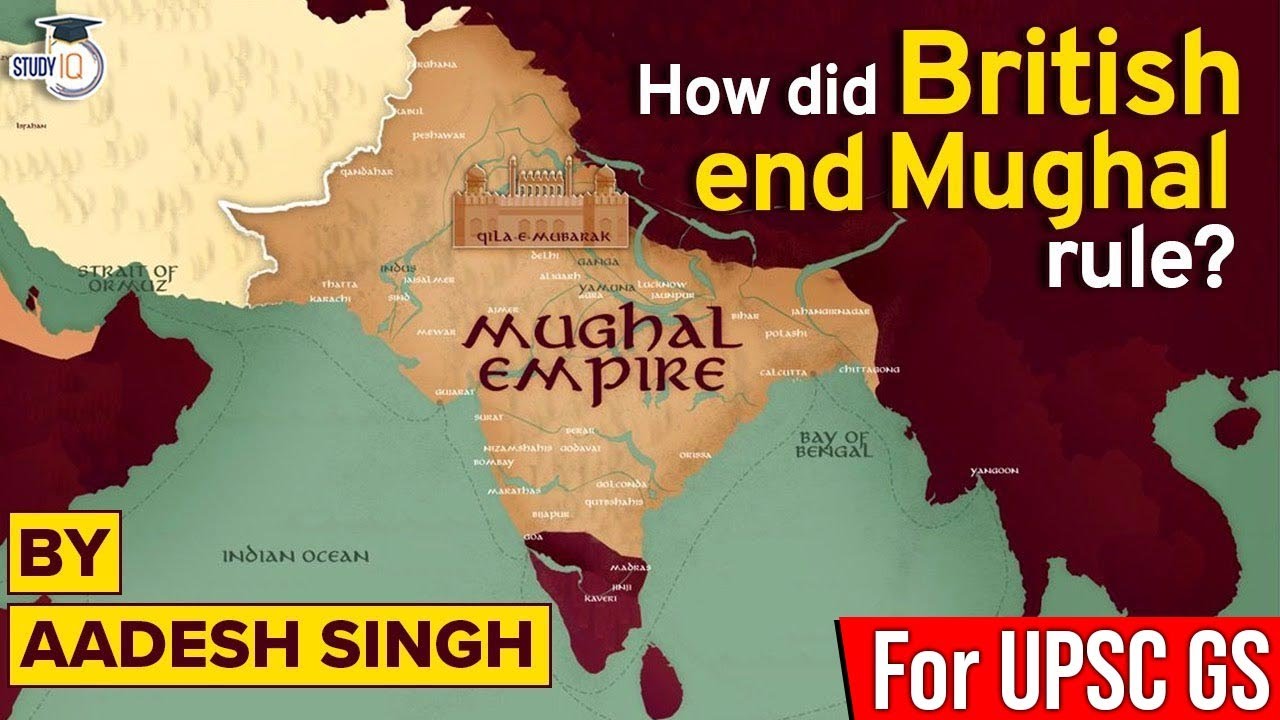
Mughal foreign policy in the and shows how the empire carefully balanced power among strong regional neighbors like the Safavids of Iran, the powerful Ottoman Empire, and the expanding Uzbeks. Through practical alliances, careful diplomacy, and smart trade choices, the Mughals protected their sea routes and kept their borders safe. This topic helps students understand how religion, trade, and regional politics shaped Mughal strategy.
🎯 In this chapter, you will understand:
- How the Mughals balanced power between the Safavids, Ottomans, and Uzbeks.
- The strategic reasons behind the Mughal-Safavid alliance against Uzbek expansion.
- Why the Mughals kept a cautious, neutral stance toward the Ottoman Empire.
- How trade routes, maritime security, and religious tolerance guided Mughal foreign relations.
💡 Why this topic matters: It highlights how real-world security and trade needs took priority over religious differences in medieval Asian diplomacy.
🧠 Core Idea: The Mughals used practical alliances, safe trade networks, and religious neutrality to shield their empire from external threats.
Mughal Foreign Policy Strategy with Safavids, Ottomans, and Uzbeks: A Geopolitical Analysis (16th–17th Century)
The Mughal Empire maintained a flexible network of regional alliances to balance power in Central and West Asia.
Mughal foreign relations were constantly shaped by threats from the Uzbeks in the north, rivalries between the Safavids and Ottomans, and the need to protect valuable trade routes in the Arabian Sea.
- (i) The core of their early plan was a strategic alliance with the Safavids of Persia to push back against aggressive Uzbeks near Kabul and Qandahar.
- (ii) Relations with the massive Ottoman Empire, which held the Red Sea and holy sites, were handled with careful diplomacy and restraint to avoid useless conflicts.
- (iii) The Mughals practiced religious tolerance in foreign relations, keeping them out of damaging Sunni-Shia conflicts across the region.
The Strategic Alliance with Safavids Against Uzbek Aggression
To deal with outside threats, the Mughals formed a practical partnership with the Safavids of Iran. This alliance checked Uzbek power in Transoxiana and protected land trade routes vital to the economy.
Mughal-Safavid Strategic Partnership: A Geopolitical Necessity
Even though the two empires occasionally argued over Qandahar, they generally worked together against common enemies. This partnership was a clear example of practical politics in the and .
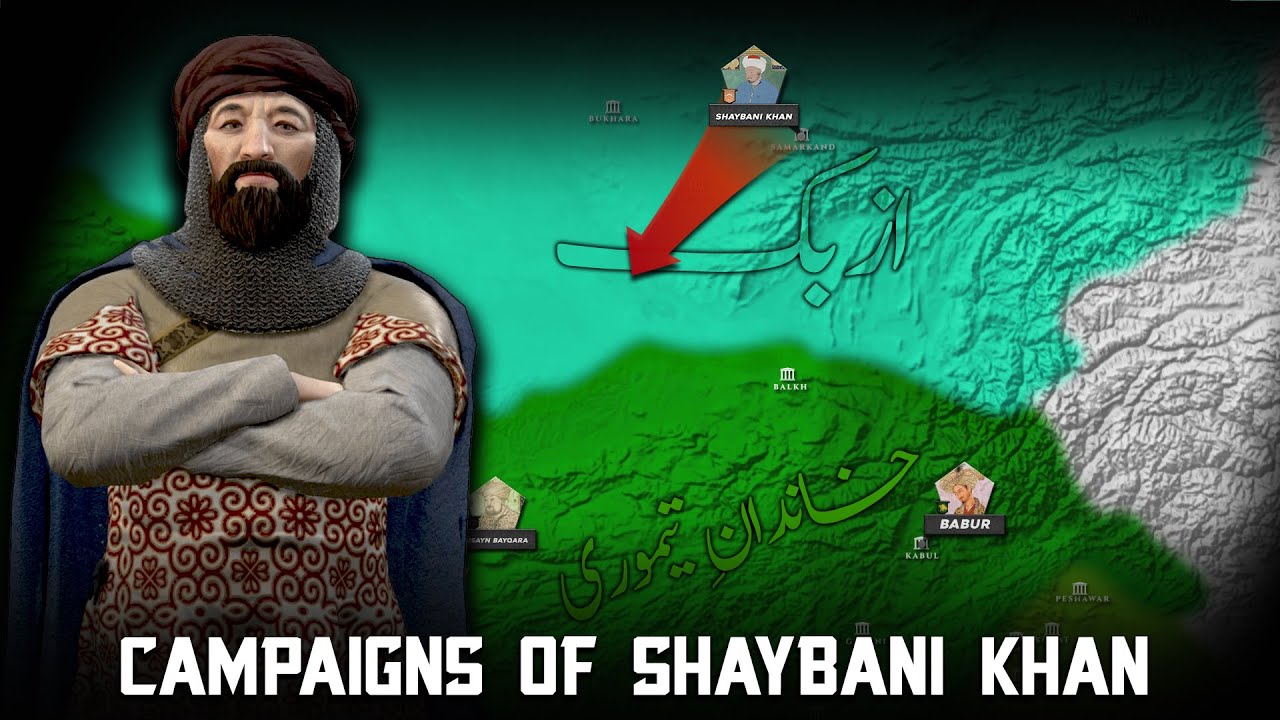
- (a) The warlike Uzbeks, led by rulers like Shaibani Khan, threatened both Mughal-controlled Kabul and Safavid-controlled Khurasan, creating a shared need for cooperation.
- (b) This strong partnership grew out of mutual security needs, especially after Babur was driven out of Farghana by the Uzbeks.
- (c) Keeping overland trade routes open through Persia to the West brought steady goods and revenue to both empires.
Mughal Relations with the Ottoman Empire: Balancing Caution and Maritime Trade
When dealing with the powerful Ottoman Empire, the Mughals deliberately chose a careful and neutral approach to avoid being dragged into long Ottoman-Safavid wars.

Cautious Mughal Policy: The Art of Strategic Neutrality
The Mughal court recognized the Ottomans as a leading power in West Asia. Rather than forming a direct alliance or hostile stance, they maintained careful neutrality to protect pilgrim journeys for Haj and guard ocean trade.
- (i) The Mughals stayed watchful of growing Ottoman influence so it would not disturb borders near Persia or challenge their own royal authority.
- (ii) Since the Ottomans fought long wars against the Safavids over regions like Baghdad, the Mughals wisely remained neutral in those battles.
- (iii) Skilled Mughal diplomats kept regional peace while shielding the empire's economic and political goals in India.
The Role of Persian Relations in the Geopolitical Balance of Power
The Mughals used their good relations with the Safavids of Persia to balance pressure coming from both the Uzbeks and the Ottomans.
Strategic Persian Support: Ensuring Mughal Security and Stability
Working with Persia gave the Mughals a helpful buffer zone against strict Uzbek movements and potential Ottoman expansion toward India.
Strategic positioning of Persia as a buffer state safeguarding Mughal borders. - (i) The Persians regularly asked for Mughal diplomatic and military support against Uzbek attacks in Khurasan, strengthening ties between both courts.
- (ii) Shared interest in preventing Ottoman growth toward Indian borders strengthened political and cultural links between Delhi and Isfahan.
- (iii) These strong diplomatic bonds maintained stability and kept business moving across the core Mughal territories.
⚡ Quick Revision Capsule: Mughal International Relations
Overview of key regional players, strategic goals, and outcomes in Mughal foreign relations during the and .
| Empire / Group | Primary Policy Goal | Mughal Strategic Outcome |
|---|---|---|
| Uzbeks | Expansion into Kabul and Transoxiana | Contained through a joint partnership with the Safavids. |
| Safavids (Persia) | Border defense and control of Qandahar | Maintained as a essential buffer state and trading partner. |
| Ottoman Empire | Dominance over West Asia and Haj routes | Handled through cautious diplomacy and strict neutrality. |
| European Powers | Control of Indian Ocean trade networks | Resisted in sea trade while maintaining essential maritime access. |
Trade, Naval Dynamics, and Maritime Interests: Shaping Mughal Foreign Policy
Sea routes and maritime security influenced Mughal diplomatic moves, especially with the naval power of the Ottomans and rising European traders in the Indian Ocean.
Mughal Naval and Trade Policies: Resisting European and Ottoman Influence
Though the Mughals lacked a large navy, they understood the value of sea routes. They managed relationships with Ottoman fleets and European traders to protect Indian exports and pilgrimage ships without giving up control over local waters.
- (i) Close contact with the Ottomans helped protect ship lanes leading to holy cities across the Red Sea.
- (ii) Both the Mughal and Ottoman Empires wanted to limit European control over lucrative Indian Ocean trade routes.
- (iii) The Mughals politely rejected Ottoman claims to the leadership of the global Caliphate, keeping their own independent authority intact.
The Broadminded Approach: Religious Tolerance in Mughal Foreign Policy
A major strength of Mughal strategy was using a practical, tolerant approach so that religious differences did not ruin foreign goals.
Religious Tolerance in Diplomacy: A Mark of Mughal Pragmatism
Mughal rulers, especially Akbar, kept foreign policy focused on practical benefits rather than religious arguments. This made it easy to partner with different states regardless of sectarian divisions.
- (i) Unlike their neighbors, the Mughals avoided using Sunni-Shia disputes for short-term gain, which kept their borders quieter.
- (ii) Open diplomatic habits helped build strong trust with the Shia-led Safavid state over many decades.
- (iii) Practical security and economic needs always guided Mughal international choices over religious doctrine.
📝 Summary
Mughal foreign policy during the and succeeded through practical alliances, careful neutrality, and open trade. Partnering with the Safavids of Persia held back Uzbek threats, while cautious diplomatic steps with the Ottomans protected trade and pilgrim ships. By placing security, trade, and religious tolerance ahead of conflict, the empire kept its borders secure and its economy strong.
🚀 Quick Revision Points
Essential facts to review before examinations:
- (i) The primary threat to northern Mughal borders came from the aggressive Uzbeks.
- (ii) The Safavids served as an important buffer state against both Uzbek incursions and Ottoman influence.
- (iii) The Mughals maintained strategic neutrality during Ottoman-Safavid wars to protect Haj travel and trade.
- (iv) Practical goals and religious tolerance guided Mughal foreign relations under rulers like Akbar.
- 💡 Exam Tip: Focus on how the Mughal-Safavid partnership helped control Uzbek expansion while keeping trade routes open between India and Western Asia.
❓ Frequently Asked Questions (FAQ)
Q1: Why was the alliance with the Safavids important to the Mughals?
A1: It helped contain Uzbek advances toward Kabul and protected main land trade routes going westward.Q2: How did the Mughals deal with the Ottoman Empire?
A2: They used strategic neutrality to keep trade and pilgrim routes safe without joining regional wars.Q3: Did religious differences control Mughal foreign policy?
A3: No, rulers like Akbar chose practical diplomacy and religious tolerance to build partnerships based on national security and trade.