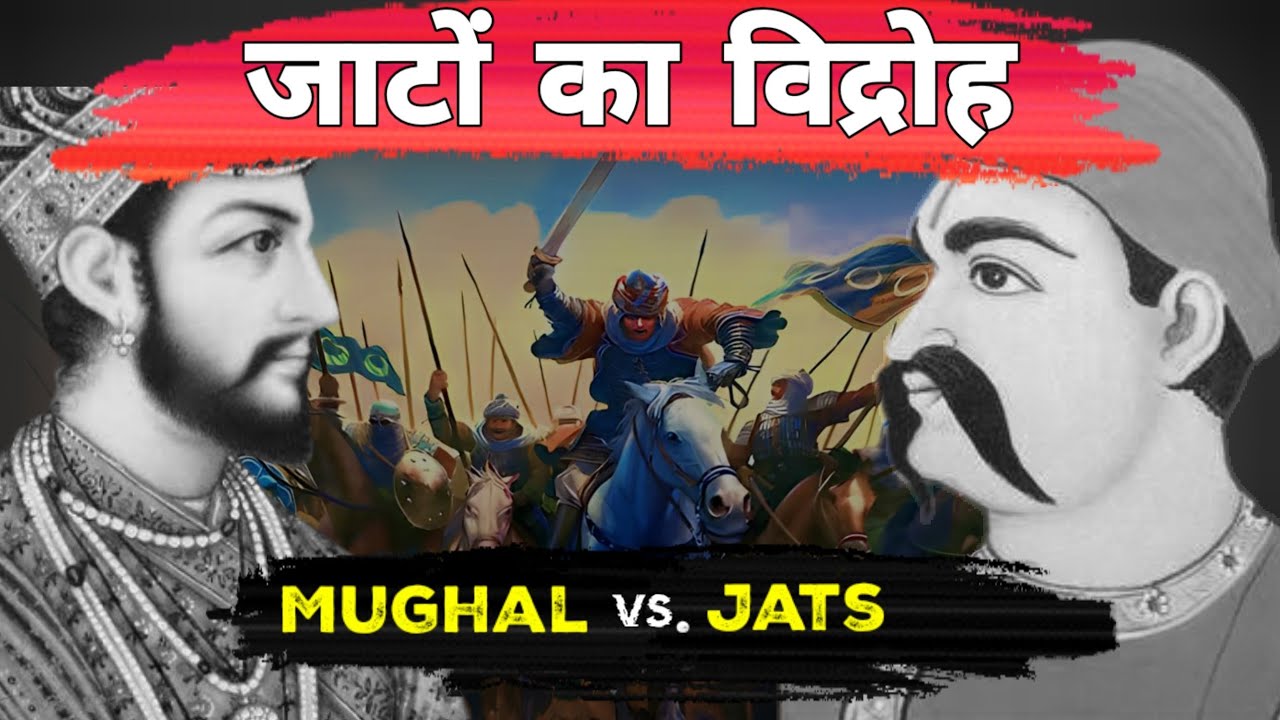
The Jat uprisings were an important part of history in northern India during the late . These revolts showed how peasant farmers and local leaders stood up against the heavy land tax and religious policies of the Mughal Empire. Starting around under Gokla and continuing from under Rajaram, these fights near the Agra-Delhi area created the foundation for an independent Jat kingdom.
🎯 In this chapter, you will understand:
- Why the Jat peasants revolted against Mughal tax collectors in the Agra-Delhi corridor.
- How Gokla led the first major organized revolt in Mathura in .
- The religious and social reasons behind the Satnami rebellion near Narnaul in .
- How Rajaram and Churaman used guerrilla tactics to build a Jat kingdom with its capital at Bharatpur.
💡 Why this topic matters: It shows the first long-term peasant fight against Mughal rule, which helped weaken the empire and create new regional powers.
🧠 Core Idea: High taxes, land disputes, and religious rules turned local farming communities into strong armed groups that built their own independent state.
1. Jat Resistance in the Agra-Delhi Region
The Jats were mostly farming peasants along with some local zamindars (landowners) living in the rich lands between Agra and Delhi. High tax demands from imperial officers brought them into frequent conflict with Mughal rulers.
The Gokla Rebellion of 1669
They lived on both sides of the Yamuna River and used the rough countryside to hide and plan attacks when troubles began.
- (i) Early disputes started over land rights, high taxes, and the community's desire to manage their own local affairs.
- (ii) These growing problems turned into organized armed fights led by local leaders like Gokla and later Rajaram.
Events and Suppression of Gokla's Revolt
In , peasant farmers in the Mathura region started an armed revolt led by Gokla against oppression by the local Mughal military officer (faujdar).
- (a) The protest quickly spread to nearby villages as more unhappy farmers joined in.
- (b) Emperor Aurangzeb had to bring an army from Delhi himself to stop the large uprising.
- (c) About 20,000 Jat fighters fought bravely, but the imperial army defeated them. Gokla was captured, tortured, and executed.
- (d) Even though the army crushed the fight, the local people remained angry and ready to rise again in the future.
2. The Satnamis Conflict (1672)
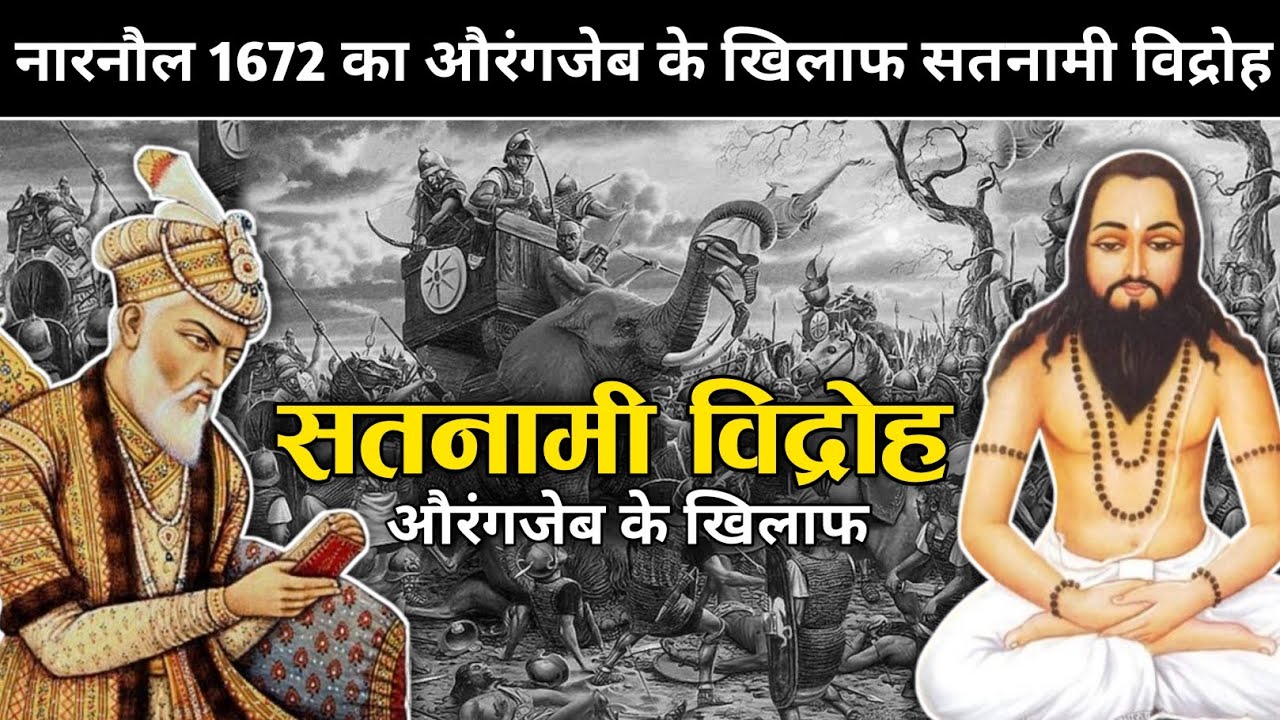
In , another uprising broke out at Narnaul near Mathura. This fight involved the Satnamis, a religious community of peasants with strong beliefs about equality.

- The Satnamis rejected the caste system and followed a strict moral code, which brought them into conflict with traditional social structures and imperial controls.
Causes and Imperial Response
A small fight with a Mughal soldier quickly turned into a major clash because the peasants were already angry about government treatment.
- (i) The Satnamis fought with strong religious devotion, forcing Emperor Aurangzeb to send imperial troops to put down the revolt.
- (ii) Many wealthy Rajput zamindars supported the Mughal army against the lower-caste Satnami peasants during this conflict.
- (iii) The event highlighted deep social and religious divisions in rural northern India during the late .
3. The Second Jat Uprising (1685 onwards)
Starting in , Rajaram led a second, better organized Jat rebellion that focused on long-term military strategy and political freedom.
- The Jats stopped relying only on simple protests and began building fortified positions and regional military power.
Strategy and Formation of the Bharatpur Kingdom
This movement transformed a local peasant protest into a formal fight for political control and land rights.
Tactics and movement of peasant forces during the Jat resistance. - Guerrilla Tactics: Jats used guerrilla warfare (surprise attacks and fast retreats) and raided government supply lines to support their troops.
- Imperial Counter-Move:Aurangzeb appointed Rajput ruler Raja Bishan Singh as the faujdar of Mathura to stop the Jats.
- Land Rights Conflict: The struggle involved clashes over zamindari rights between the rising Jat farmers and traditional Rajput landowners.
- Truce and Expansion: Leaders like Rajaram and later Churaman made a temporary peace around , but local peasant resistance continued.
- Independent Kingdom: In the early , Churaman took advantage of Mughal weakness after Aurangzeb died and built an independent Jat state with its capital at Bharatpur.
⚡ Quick Revision Capsule: Jat & Satnami Revolts
This table compares the major leaders, dates, areas, and results of the peasant revolts against Mughal rule.
| Movement | Key Leaders & Time | Main Causes & Outcomes |
|---|---|---|
| Gokla Rebellion | Gokla () | High revenue demands in Mathura; crushed by Aurangzeb, but left deep peasant anger. |
| Satnami Uprising | Peasant Community () | Egalitarian community clash at Narnaul; suppressed by imperial troops and Rajput landowners. |
| Second Jat Rebellion | Rajaram & Churaman () | Used guerrilla warfare and raids against Mughal supply lines to secure local control. |
| Bharatpur State Creation | Churaman (Early ) | Took advantage of post-Aurangzeb weakness to build an independent Jat kingdom. |
📝 Summary
The Jat uprisings during the late started as local peasant protests against high land taxes and harsh administrative rule in the Agra-Delhi corridor. Through leadership from figures like Gokla, Rajaram, and Churaman, these revolts grew from simple village protests into a organized military movement. By using guerrilla tactics and taking advantage of internal imperial struggles, the Jats established a lasting regional state centered at Bharatpur in the early .
🚀 Quick Revision Points
Essential facts to review before examinations:
- (i) The Jats lived mainly along the Yamuna river in the rich Agra-Delhi agricultural belt.
- (ii) Gokla led the first major organized Jat revolt at Mathura in against imperial tax officers.
- (iii) The Satnamis were an egalitarian group near Narnaul who fought Mughal forces in .
- (iv) Churaman successfully built an independent state at Bharatpur during the early .
- 💡 Exam Tip: Focus on how peasant grievances over tax demands evolved into a political movement that formed the state of Bharatpur.
❓ Frequently Asked Questions (FAQ)
Q1: Who was Gokla and why did he revolt in 1669?
A1: Gokla was a Jat leader from Mathura who led peasant farmers in against high land taxes and oppression by the local Mughal military chief.Q2: How did the Jats fight against the larger Mughal army?
A2: They used guerrilla warfare, taking advantage of the rough Yamuna river terrain to carry out fast surprise attacks and raids on imperial supply lines.Q3: What was the ultimate result of the Jat uprisings?
A3: The revolts weakened imperial control in northern India and led to the creation of an independent kingdom with its capital at Bharatpur under Churaman.