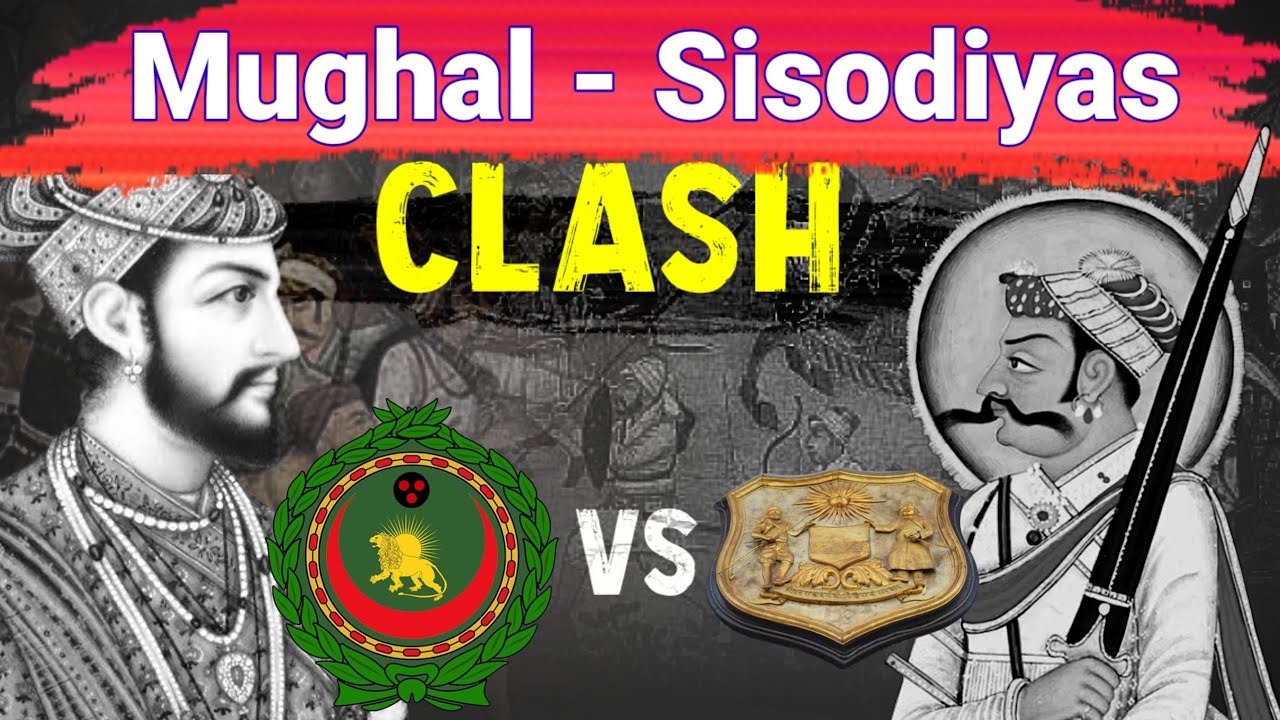
This article provides an in-depth overview of the crucial policies of Mughal rulers Jahangir, Shah Jahan, and Aurangzeb during the . It specifically focuses on the evolution of their influential alliances with Rajputs, the politically charged succession disputes in Marwar, and their broader administrative strategies. It meticulously highlights the paramount importance of Mughal-Rajput relations as a pillar of imperial power and offers essential, detailed insights for students preparing for history exams on Mughal politics, regional governance, and the shifting dynamics of the era.
🎯 In this chapter, you will understand:
- How Jahangir maintained conciliatory agreements and concluded the historical treaty with Mewar in .
- How Shah Jahan shifted from matrimonial bonds to administrative collaboration and military service.
- The causes and impacts of Aurangzeb's intervention in the Marwar succession crisis.
- The overall strategic importance of Rajput warriors within the Mughal mansabdari system.
💡 Why this topic matters: The alliance between the Mughal court and Rajput kingdoms was the main foundation of political stability and military strength across India.
🧠 Core Idea: Mughal governance shifted from flexible diplomatic alliances and marriage ties under Jahangir to pragmatic administrative partnerships under Shah Jahan, and finally to direct central intervention under Aurangzeb.
1. Mughal Policies Towards Rajputs: Strategies and Conflicts under Jahangir, Shah Jahan, and Aurangzeb (17th Century)
The foundational relationship between the Mughal emperors and the powerful Rajput states was marked by a strategic blend of diplomacy, alliances, and, at times, direct intervention to sustain and expand imperial authority.
Throughout the , the Mughal emperors, recognizing the military and administrative strength of the Rajput princes, carefully navigated these relationships. Their strategies were instrumental in securing the vast empire's stability and military reach.
- (i) The policies initiated by Emperor Jahangir largely maintained the conciliatory framework established by his father, Akbar, emphasizing negotiated settlements and reinforcing political bonds through matrimonial alliances.
- (ii) Emperor Shah Jahan, while continuing to depend on Rajputs for strategic alliances and military support across the empire, significantly limited the policy of securing ties through matrimonial exchanges.
- (iii) The reign of Emperor Aurangzeb saw a shift towards more assertive control, characterized by direct imperial intervention, particularly in managing pivotal succession disputes, to ensure the compliance of key Rajput states.
2. Negotiating Power: Policies of Jahangir and Shah Jahan Towards Rajput Alliances (Early 17th Century)
This section examines how the reigns of Jahangir and Shah Jahan shaped the Mughal-Rajput dynamic, primarily through high-profile settlements and mutually beneficial military collaborations that supported the empire's expansion in the early .

Emperor Jahangir and the Historic Mewar Settlement of 1613
Jahangir's diplomatic success in concluding the long-standing hostility with the proud state of Mewar marked a significant political achievement, continuing the legacy of seeking Rajput alliances as a cornerstone of imperial governance.
- (i) This pivotal event in settled generations of conflict with the powerful Ranas of Mewar, a feat that had eluded even Akbar, bringing a major independent state into the Mughal orbit under negotiated terms that preserved their honor.
- (ii) He meticulously continued Akbar's established policy, ensuring that Rajput alliances were favored and that key Rajput nobles held high positions and significant commands within the Mughal administration.
- (iii) Furthermore, Jahangir strategically utilized matrimonial alliances with other Rajput houses to further strengthen political bonds, cementing a shared future between the Mughal dynasty and the Rajput aristocracy.
Shah Jahan's Calculated Approach to Strategic Rajput Alliances
Emperor Shah Jahan, despite having a strong maternal Rajput lineage himself, adopted a more pragmatic approach, prioritizing administrative and military support over purely familial ties to maintain his powerful alliances.
- (a) He meticulously maintained and relied upon the established alliances with major Rajput clans, strategically utilizing their battle-hardened military support in numerous campaigns across the vast Mughal empire, from the Deccan to the Northwest frontier.
- (b) Notably, unlike his father and grandfather, Shah Jahan did not pursue further matrimonial ties with Rajput families, shifting the emphasis of the alliance from personal kinship back towards mutual political and military benefits.
- (c) His primary focus in managing these crucial relationships was on administrative collaboration and the integration of Rajput nobles into the mansabdari system, valuing their governance skills and military loyalty above forging new family bonds.
3. The Interventionist Reign: Aurangzeb's Policies, Marwar Succession, and Political Strains (Later 17th Century)
This detailed section explores Emperor Aurangzeb's interventionist strategies for managing Rajput alliances during the later , which were dominated by the sensitive Marwar succession dispute and the political strains that followed direct imperial measures.
Emperor Aurangzeb's Initial Recognition of Rajput Alliances
Despite his firm administrative style, Aurangzeb initially understood the immense value of Rajput strength and loyalty, demonstrating this by enhancing the status of key Rajput leaders who were crucial for his imperial military machine.
- (i) He significantly enhanced the rank and salary, or mansab, of the Maharana of Mewar, explicitly recognizing the importance of this key alliance for the stability of the Deccan and the empire's internal balance.
- (ii) Furthermore, in a calculated move, Aurangzeb eventually restored Jaswant Singh of Marwar to his elevated rank and position, even after the powerful nobleman had shown prior opposition, underscoring the political necessity of retaining powerful allies.
The Critical Conflict and Succession Dispute in Marwar
The events following the death of Jaswant Singh transformed the Mughal-Marwar relationship, leading to one of the most politically charged imperial interventions of Aurangzeb's reign.
- (i) Initial Conflict: The relationship was already fraught with tension, largely due to Jaswant Singh's defection during a crucial phase of the imperial succession wars, which created deep distrust with Aurangzeb.
- (ii) Pardon and Restoration: However, recognizing the practical need for his loyalty and military resources, Aurangzeb eventually pardoned Jaswant Singh and restored his position, showing a practical political decision over personal grievances.
- (iii) Direct Control and Khalisa: Upon Jaswant Singh's death, the Emperor decided to take direct imperial control over Marwar, placing it under Khalisa (crown land administration). This move was intended to manage the deceased Raja's large debts and ensure stable local governance.
- (iv) Resistance Measures: Anticipating strong local opposition from the Rathor clan, Aurangzeb proactively ordered a significant military mobilization to manage any resistance against his imperial administrative takeover.
- (v) Succession After Death: To maintain immediate order and secure outstanding debts owed to the empire, Aurangzeb initially offered the throne to Inder Singh, attempting to place a loyal figure rather than immediately accepting the claim of Jaswant Singh's minor son, Ajit Singh.
The Mewar Strategy and Re-evaluating Aurangzeb's Rajput Legacy
Aurangzeb's political and military actions eventually led to strained relations with key allies like Mewar, impacting the long-term political authority of the Mughal Empire.
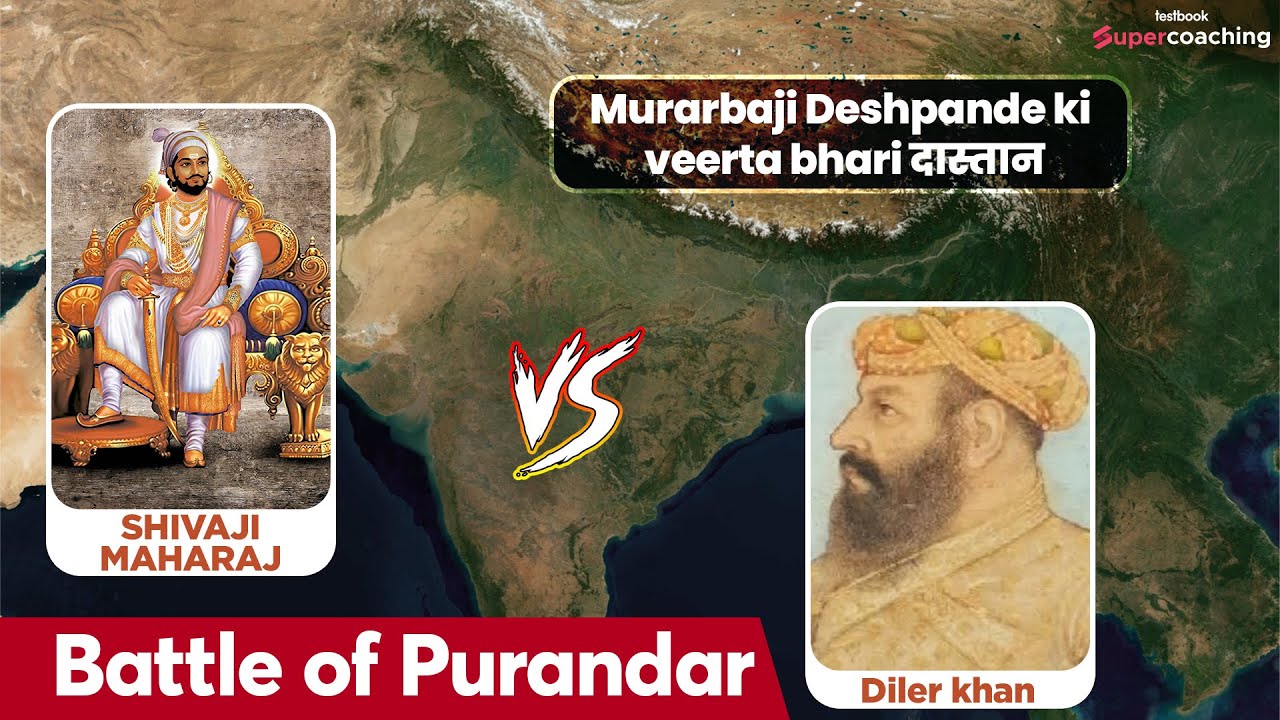
Map of 17th-century Rajput states including Mewar and Marwar - (i) To resolve ongoing succession tensions led by the Rathor faction, Aurangzeb eventually supported the young Ajit Singh through strategic official appointments, attempting to pacify the hostile political climate.
- (ii) The combined effect of direct military measures, the re-imposition of the Jizya tax, and interventions in succession matters severely strained relations with powerful Rajput houses, leading to open revolts and impacting Mughal prestige in the region.
- (iii) A deeper historical evaluation reveals that his policies were fundamentally politically driven—aimed at imperial consolidation and securing revenue—rather than purely religious. This is supported by the fact that he continued to integrate numerous Hindu figures, including Marathas, into the highest levels of his nobility (mansabdari) throughout his reign.
⚡ Quick Revision Capsule: 17th-Century Mughal-Rajput Policy Comparison
The following table summarizes how the three major 17th-century Mughal emperors approached Rajput alliances, succession matters, and imperial governance.
| Mughal Emperor | Primary Policy Approach | Key Historical Events & Decisions |
|---|---|---|
| Jahangir | Conciliatory diplomacy & matrimonial alliances | Concluded the historic Mewar treaty in ; maintained Akbar's inclusive nobility structure. |
| Shah Jahan | Administrative partnership & military deployment | Ended new matrimonial exchanges; focused on integrating Rajputs into the mansabdari system for distant military campaigns. |
| Aurangzeb | Direct central control & political intervention | Placed Marwar under Khalisa crown land; appointed Inder Singh before recognizing Ajit Singh; re-imposed Jizya. |
📝 Summary
In conclusion, the highly nuanced and evolving policies of Jahangir, Shah Jahan, and Aurangzeb critically shaped Mughal-Rajput relations throughout the pivotal . This historical overview highlights the enduring strategic importance of these alliances, the complexities inherent in succession management, and the indispensable military support provided by Rajput princes. Understanding these intricate political and administrative interactions—the key Mughal-Rajput dynamics—is crucial for students preparing for history exams, as they provide an essential lens through which to view the central political, administrative, and strategic priorities of Mughal India and the reasons behind its shifting fortunes, as analyzed in historical studies like Mughal Administration.
🚀 Quick Revision Points
Essential facts to review before examinations:
- (i) Jahangir successfully brought peace with the Ranas of Mewar in without stripping away their honor or territorial control.
- (ii) Shah Jahan relied heavily on Rajput generals for military campaigns across the empire but stopped making new marriage ties.
- (iii) Aurangzeb placed Marwar under direct crown control (Khalisa) following the death of Maharaja Jaswant Singh.
- (iv) Modern historians view Aurangzeb's Rajput policies as political measures for state consolidation rather than purely religious shifts, as documented in Studies in Mughal History.
- 💡 Exam Tip: When writing answers on Aurangzeb's Rajput policy, emphasize that administrative control over crown land (Khalisa) and state debt recovery were key political motives alongside regional succession disputes.
❓ Frequently Asked Questions (FAQ)
Q1: What was the significance of the 1613 Mewar settlement under Jahangir?
A1: It ended decades of military conflict with Mewar that started during Akbar's reign, bringing the Ranas of Mewar into the Mughal administrative system while respecting their dignity.Q2: How did Shah Jahan's Rajput policy differ from Jahangir's?
A2: Shah Jahan continued to rely on Rajput military support in the mansabdari system but discontinued the practice of forming new matrimonial alliances between the imperial family and Rajput houses.Q3: Why did Aurangzeb place Marwar under Khalisa land administration?
A3: After Jaswant Singh died in , Aurangzeb took direct control over Marwar as crown land to maintain administrative stability and clear imperial debts, as discussed in major historical texts like The Mughal Empire.