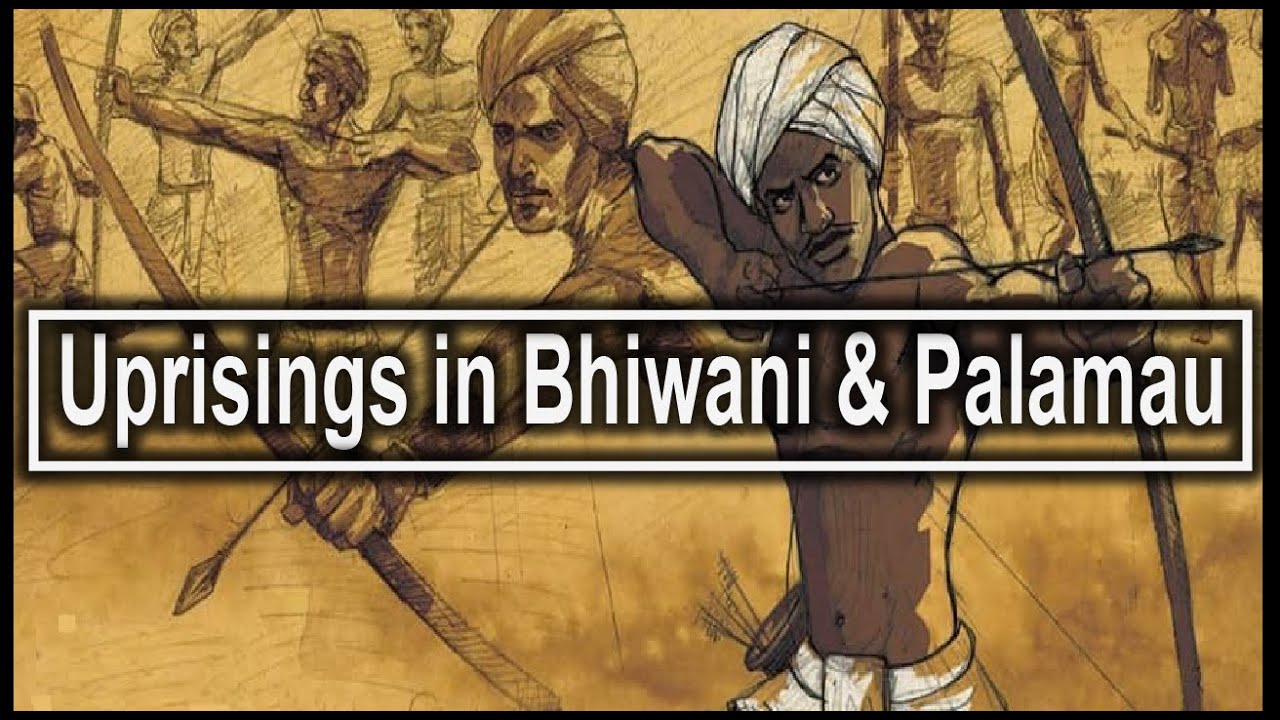
The Palamau Uprisings (), an early series of anti-British rebellions in present-day Jharkhand, were led by the Chero chiefBhukhan Singh. Driven by an severe agrarian crisis, deep anger against the feudal system, and harsh British rules, this event stands as a clear example of local fightback against colonial exploitation. Learning about its key causes, events, and results is essential for students preparing for Indian history exams on early regional revolts against the East India Company.
🎯 In this chapter, you will understand:
- The main reasons why Bhukhan Singh led the Chero revolt in Palamau.
- How oppressive land policy and feudal control hurt local farmers and chiefs.
- The timeline of military actions taken by British forces under Colonel Jones.
- The historical impact of the 1800–1802 uprising on tribal resistance in Jharkhand.
💡 Why this topic matters: It highlights early rural and tribal resistance against colonial land rule long before the major national revolts of the late nineteenth century.
🧠 Core Idea: Unfair land taxes and colonial interference forced local Chero leaders and farmers to unite and fight back to protect their lands and freedom.
Overview of the Palamau Uprisings (): The Resistance Led by Bhukhan Singh
This early anti-British uprising clearly showed the ongoing farming crises and heavy feudal pressure inside the Palamau area.
The large revolt organized by Bhukhan Singh brought out the deep local anger toward an oppressive land setup. Added British interference in old land ownership patterns pushed local people from quiet anger into active armed conflict.
- (i) The primary context involved deep political and social instability that came from harsh rules placed on farm lands and traditional estate management.
- (ii) Bhukhan Singh, a respected Chero chief, started and led this major revolt straight against British officials and their supporters beginning in .
- (iii) To control the spreading revolt, British officer Colonel Jones stayed in the area with his troops, camping across Palamau and Sarguja for two full years.
- (iv) The organized fight came to an end when Bhukhan Singh died in , bringing a brief and tense quiet back to the region.
Root Causes of the Palamau Uprisings: Agrarian and Feudal Resentment
The main force behind the rebellion was widespread farming trouble, unfair traditional land control, and growing anger toward British control over local land and affairs.

Deep-Seated Agrarian and Feudal Crises: Exploitation of Local Peasants
Everyday life for local villagers was full of hardship due to high money demands and unfair land rules. These heavy pressures finally moved people to group together and fight back.
- (i) Local farming families faced regular extraction of money and land rights under a strict landlord arrangement, leading to poverty and suffering.
- (ii) Old ways of managing communities were broken apart under the enforced feudal arrangements, pushing local leaders and tribes away from peaceful cooperation.
Timeline and Key Events of Bhukhan Singh's Rebellion
This period of battle involved teamwork among local village leaders, followed by strong and planned military action from British army units.
Uprising Actions: Mobilization of Local Chero Chiefs
Bhukhan Singh was key in bringing different local groups together into one strong force, posing a real threat to British authority across the whole district.
- (i) In , Bhukhan Singh successfully gathered influential Chero leaders and their supporters to stand together against British control.
- (ii) The fighting included quick local attacks, raids, and surprise skirmishes that kept British officers from easily running the area.
British Military Response: Campaign of Colonel Jones
The British sent experienced army troops to stop the uprising, knowing that prolonged fighting could spread to neighboring regions like Sarguja.
British troops maintained a two-year presence to contain regional tribal movements. - (a) Under Colonel Jones, British soldiers were stationed across Palamau and Sarguja for two full years to surround and stop the fighters.
- (b) The British army used repeated military sweeps to weaken the rebellion step by step and bring back colonial control.
Legacy and Significance: The Impact of the Palamau Uprisings
Although the death of Bhukhan Singh in stopped the active fighting, this event created a lasting memory of brave resistance against outside rule in Jharkhand.
Significance for Students: Understanding Early Anti-Colonial History
Learning about the Palamau movement gives students a clear view of how early British expansion worked and how local people resisted it, making it an important topic for history examinations.
- (i) It shows the early history of tribal resistance and regional revolts that marked the start of the nineteenth century in India.
- (ii) It proves how farming problems and unfair rules acted as immediate sparks for local people to rise up together.
- (iii) This topic helps students build strong answers for exam questions on early anti-British movements in eastern India.
⚡ Quick Revision Capsule: Palamau Uprisings ()
Use this table to review key historical details of the uprising quickly before your examination.
| Key Aspect | Historical Details | Exam Relevance |
|---|---|---|
| Primary Leader | Bhukhan Singh (Chero Chief) | Key figure in early Jharkhand anti-colonial movements. |
| Time Period | – | Early 19th-century regional revolt timeframe. |
| Main Causes | Severe farming crisis, high tax demands, and oppressive landlord system | Classic example of economic sparks in tribal rebellions. |
| British Commander | Colonel Jones | Led a 2-year military suppression campaign in Palamau and Sarguja. |
| Outcome & Legacy | Ended in with Bhukhan Singh's death; set a pattern for future resistance | Forms a foundational topic for state and national history exams. |
📝 Summary
The Palamau Uprisings of represented an important early fight by local Chero communities led by Bhukhan Singh against British expansion and oppressive land policies. Sparked by severe farming distress and unfair feudal control, the revolt required two years of continuous military force led by British officer Colonel Jones across Palamau and Sarguja. Though the uprising ended after Bhukhan Singh died in , it established a proud legacy of tribal resistance that influenced later regional movements across eastern India.
🚀 Quick Revision Points
Essential facts to review before examinations:
- (i) The revolt took place between and in the Palamau region of present-day Jharkhand.
- (ii) Chero chief Bhukhan Singh was the main leader who brought local chiefs together.
- (iii) The British sent troops under Colonel Jones who stayed camped in Palamau and Sarguja for two years.
- (iv) The rebellion ended following the death of Bhukhan Singh in .
- 💡 Exam Tip: Focus on the twin causes—agrarian distress and colonial land policy changes—when writing long answers on early 19th-century tribal revolts.
❓ Frequently Asked Questions (FAQ)
Q1: Who led the Palamau Uprisings between and ?
A1: The uprising was led by the Chero chief, Bhukhan Singh, who united local leaders against British interference and feudal exploitation.Q2: What were the main causes of the Palamau rebellion?
A2: The main causes were severe farming crises, heavy financial demands on peasants, and anger against the new landlord system introduced under British rule.Q3: How did the British suppress the Palamau Uprising?
A3: British forces commanded by Colonel Jones spent two years () conducting military operations across Palamau and Sarguja until Bhukhan Singh died in .