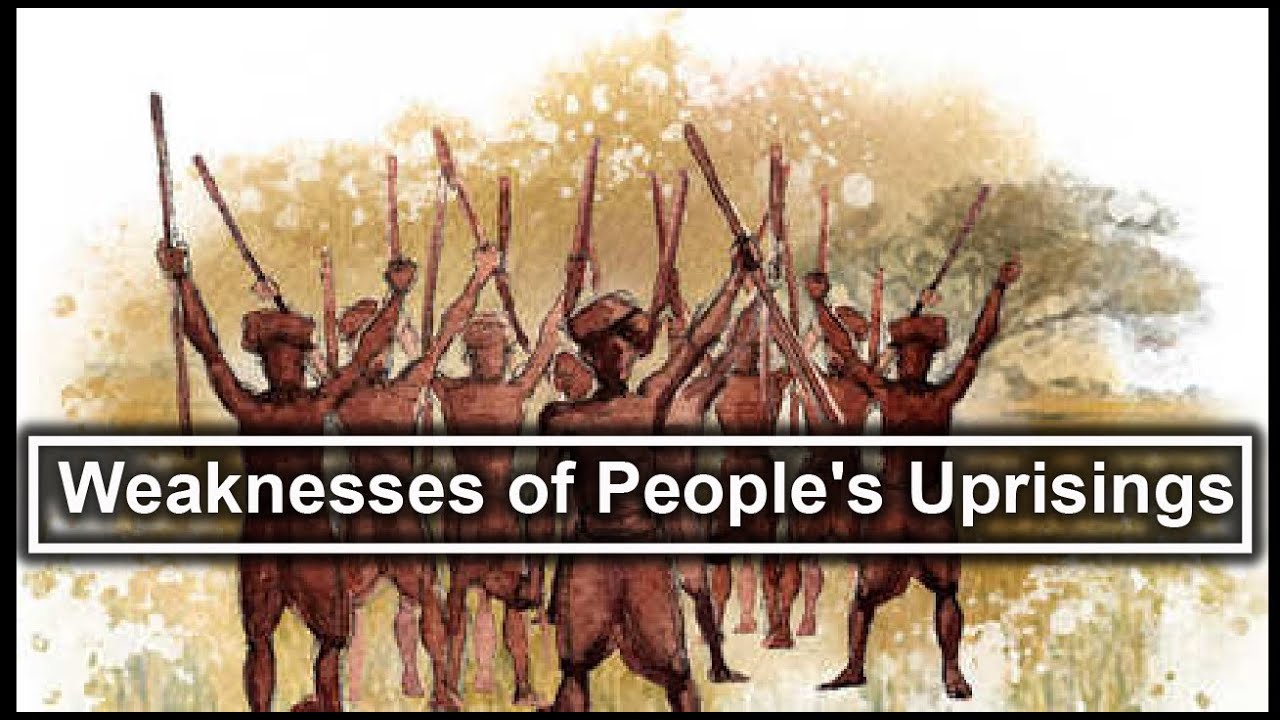
The early people’s uprisings in Indian history, active during , were marked by local participation and led by traditional elites, showing key limitations in early anti-colonial resistance. These revolts stemmed from local issues, used old military methods, and lacked national unity, which limited their long-term impact. Understanding these fragmented struggles helps students grasp how India's freedom movement evolved over time.
🎯 In this chapter, you will understand:
- Why early rebellions remained geographically isolated and localized.
- How semi-feudal leadership limited political and social vision.
- The colonial tactics used to divide and pacify rebel leaders.
- How military and technological gaps led to tactical defeats.
💡 Why this topic matters: Studying early revolts reveals why localized resistance failed against organized colonial power and highlights why modern national movement building required unified political strategies.
🧠 Core Idea: Early Indian revolts were passionate but fragmented. They lacked a forward-looking national program, modern arms, and cross-regional coordination.
Analyzing the Limitations of Historical People’s Uprisings and Revolts in Indian History ()
These early anti-colonial movements expressed strong public anger, but they suffered from narrow geographical boundaries and an absence of overall national coordination.
Although these local revolts spread across various regions, their political impact remained strictly region-specific. They arose from immediate local complaints rather than a unified national goal, preventing the growth of a single, country-wide resistance struggle.
- (i) Public participation was intense, but it remained restricted to specific local areas and failed to spread into a unified national movement.
- (ii) Most revolts were sparked by immediate local problems, such as high land taxes or cultural interference, rather than a common goal of full national independence.
- (iii) Every uprising developed in isolation, which made joint planning and coordinated resistance practically impossible.
The Traditional and Semi-Feudal Nature of Leadership in People’s Movements
The leadership guiding these early struggles was mostly semi-feudal and drawn from traditional social structures. This made it difficult for leaders to introduce modern reforms or build forward-looking political models.

Ideological Limitations of Semi-Feudal Leadership in Indian Revolts
The lack of a forward-looking plan weakened the long-term success of these revolts. Leaders often looked backward, aiming to restore old social and political setups rather than creating a modern society.
- (i) Leaders held a traditional mindset, making them hesitant to accept new administrative or social ideas.
- (ii) They rarely offered practical alternatives to the existing social structure or a clear vision for life after colonial rule.
- (iii) Relying on old customs and backward-looking ideas created a major barrier to political modernization and organized growth.
Fragmentation: Absence of a Unified National Impulse in Early Rebellions
Although these movements shared a common opposition to foreign rule, they lacked a shared political awareness, unified national framework, or long-term plan for the country's future.
The Localized and Isolated Character of Historical Uprisings
Centuries-old regional customs and loyalties influenced these revolts, preventing the cooperation required for a national movement. This separation contributed directly to their eventual defeat.
Map showing how isolated revolts lacked central coordination across different regions. - (i) Regional cultural traditions shaped each revolt, making cooperation across different provinces difficult.
- (ii) The lack of a modern nationalist perspective weakened overall coordination and strategic planning.
- (iii) Every revolt functioned as an isolated event, resulting in a disconnected impact on the broader freedom struggle.
Strategies of the Authorities to Suppress Rebellions Through Division and Concessions
Colonial authorities used clever strategies to weaken these uprisings. They created internal disagreements among leaders and selectively offered deals or rewards to pull key figures away from the resistance.
Divide and Rule Tactics and the Pacification of Cooperative Leaders
Colonial rulers used targeted compromises and political incentives to break the unity of rebel leaders, successfully dividing the resistance movements.
- (i) Authorities identified cooperative leaders and won them over using concessions, land grants, or titles.
- (ii) This tactic broke the leadership structure, reducing the overall strength and organization of the revolts.
- (iii) By encouraging internal divisions, colonial forces isolated and defeated remaining rebel groups with greater ease.
Obsolete Methods and Arms in Revolutionary Struggles Leading to Defeat
Brave rebel fighters faced severe disadvantages because they relied on outdated weapons and traditional tactics against a technologically advanced military force.
The Significant Technological and Military Disadvantage of the Rebels
The massive gap in military technology and professional warfare techniques created an obstacle that rebel forces could not overcome.
- (i) Fighters relied mainly on older weapons like swords and spears, which could not stand against modern organized troops.
- (ii) Colonial armies possessed superior firearms, artillery, professional discipline, and modern battle strategies.
- (iii) Advanced military tactics and deceptive strategies enabled colonial forces to repeatedly overcome localized rebel groups.
Conclusion: Importance and Limitations of Early Indian Uprisings for Students and Competitive Exams
In summary, early people's uprisings were passionate but short-lived due to main structural weaknesses: they were limited to small regions, led by semi-feudal leaders with traditional perspectives, and easily defeated because of old weapons and a lack of national unity. While these initial rebellions proved the strong spirit of resistance against foreign rule, their fragmented nature limited their political outcome. For students analyzing history, studying these events highlights early weaknesses and shows how later national movements learned to build unity, modern organization, and shared national goals.
⚡ Quick Revision Capsule: Limitations of Early Indian Uprisings
A structured comparison of the main structural factors that impacted early Indian revolts during :
| Factor | Rebel Characteristics | Impact on Struggle |
|---|---|---|
| Geographical Scope | Localized, isolated to specific regions | Prevented the growth of a coordinated, country-wide movement. |
| Leadership & Ideology | Led by traditional, semi-feudal elites focused on restoring old systems | Failed to offer a modern political vision for post-colonial society. |
| National Integration | Driven by regional grievances without a shared nationalist consciousness | Kept revolts disconnected from one another. |
| Colonial Response | Targeted concessions, political deals, and divide and rule policies | Divided leadership structures and isolated hardline groups. |
| Military & Technology | Outdated weapons (swords, spears) and traditional tactics | Led to quick military defeats against disciplined, modern forces. |
📝 Summary
Between and , early uprisings across India demonstrated strong resistance to foreign rule. However, their long-term political impact remained limited because they operated in regional isolation, relied on semi-feudal leadership, lacked modern weapons, and faced strategic colonial divide-and-rule policies. Later leaders studied these early lessons to construct a unified national movement for Indian independence.
🚀 Quick Revision Points
Essential facts to review before examinations:
- (i) Early revolts were restricted to specific local areas without cross-regional coordination.
- (ii) Leadership was semi-feudal, aiming to restore traditional orders rather than build a new state.
- (iii) Colonial rulers used divide and rule policies to split rebel leadership through concessions.
- (iv) Outdated weapons made it impossible for rebels to sustain victories against modern military power.
- 💡 Exam Tip: Focus on comparing the localized nature of early rebellions () with the modern organizational methods used by later freedom movements in the late and .
❓ Frequently Asked Questions (FAQ)
Q1: Why did early Indian uprisings remain localized?
A1: They were triggered by immediate regional grievances like high taxation or local interference, rather than a shared national goal of political independence.Q2: What was the main weakness of the semi-feudal leadership in these revolts?
A2: Their vision was backward-looking, seeking to return to old social and political orders instead of establishing a modernized, progressive state.Q3: How did colonial forces defeat these uprisings despite strong popular participation?
A3: Colonial authorities used superior firearms, disciplined military tactics, and targeted concessions to divide rebel leadership and suppress isolated revolts one by one.