The Revolutionary Movement in Bengal saw active participation of women and significant ideological shifts under leaders like Surya Sen and Bhagat Singh. From early armed resistance to later adoption of Marxism and mass-based strategies, these movements highlight collective action, social inclusion, and the challenges faced by revolutionaries. Understanding these developments is crucial for students studying the Indian freedom struggle and preparing for competitive examinations.
🎯 In this chapter, you will understand:
- Involvement of young women revolutionaries under Surya Sen in armed and supportive roles during the early .
- The strategic transition from individual heroic actions to organized group operations.
- Changes in ideological approaches that encouraged the participation of Muslims and reduced religious barriers.
- Official British state reaction through legal actions, repressive laws, and social punishment.
- The redefinition of revolution by Bhagat Singh toward mass politics, socialist principles, and systemic social change.
💡 Why this topic matters: The dawn of the marked a transformative era in the Indian freedom struggle, where the revolutionary movement evolved from isolated acts of bravery into an organized and inclusive resistance that challenged traditional gender and societal norms.
🧠 Core Idea: Armed revolutionary efforts expanded beyond secret individual attacks to embrace secular unity, organized mass movements, female combatants, and anti-capitalist socialist goals.
📌 Participation of Brave Women in Revolutionary Activities
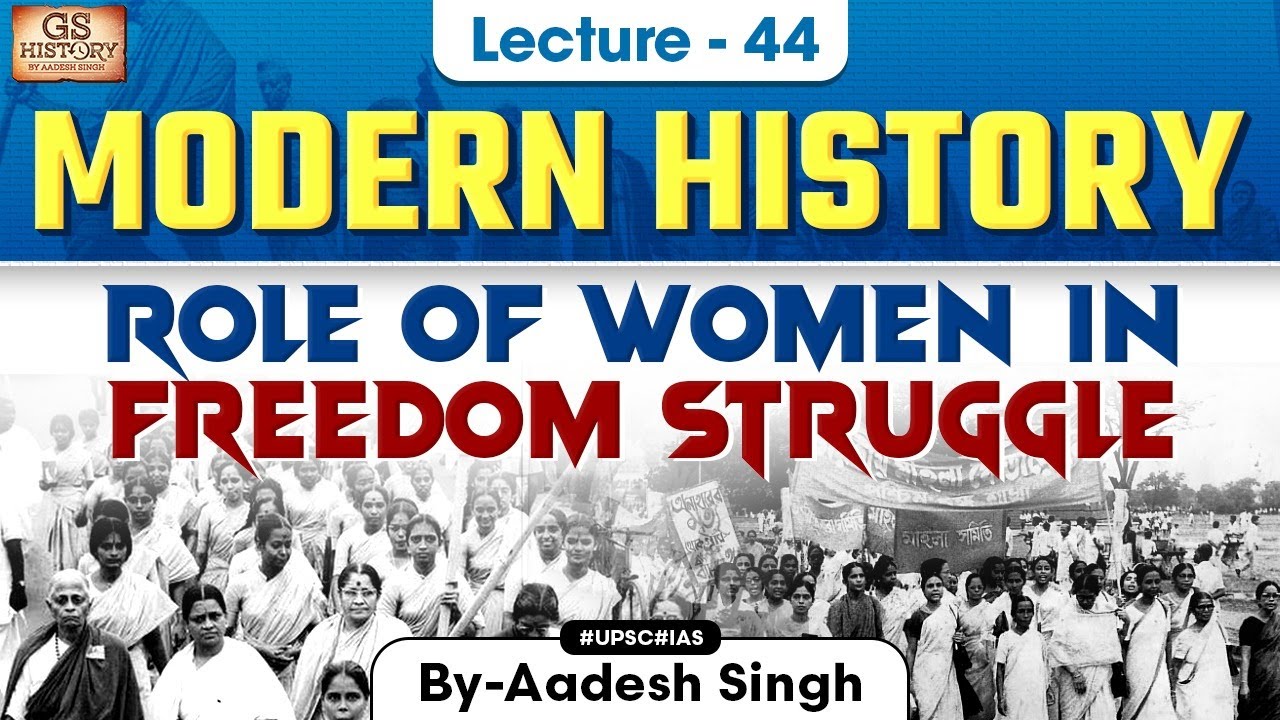
Young women actively participated in revolutionary efforts under Surya Sen, providing shelter, carrying messages, and engaging in armed actions, defying the traditional societal norms of the .
Prominent Women Revolutionaries and Their Sacrifice
The narrative of Bengal's resistance is incomplete without the stories of these fearless women who chose the path of armed struggle over a quiet domestic life. They were not just supporters but frontline combatants in the fight for Purna Swaraj.
Individual Contributions of Female Leaders
Key female figures led dangerous missions and took immense personal risks for national freedom:
- (i) Pritilata Waddedar – She led the attack on the Pahartali European Club and died during a raid to avoid capture, becoming an enduring symbol of self-sacrifice.
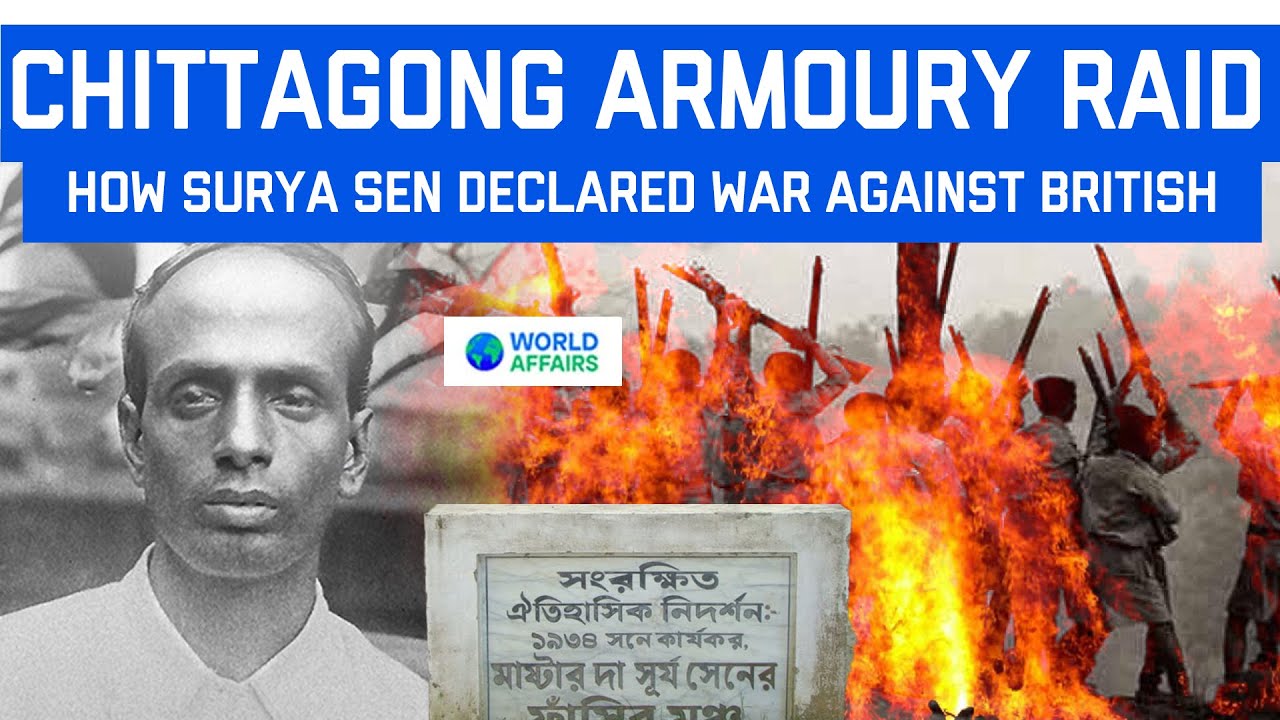
- (ii) Kalpana Dutt – A close associate of Surya Sen, she was arrested and given a life sentence alongside "Masterda" after the Chittagong Armoury Raid.
- (iii) Santi Ghosh and Suniti Chandheri – Two young schoolgirls who shocked the British administration by assassinating the district magistrate of Comilla in .
- (iv) Bina Das – Famous for her attempt to assassinate the Governor of Bengal during a convocation ceremony, showing the depth of student-led resistance.

📌 Strategic Shift Toward Emphasis on Group Action
The revolutionary movement shifted its focus toward collective actions targeting British administration to demoralize the government bureaucracy and spark broader nationalist awareness across the country.
Strategy of Collective Action and Mass Impact
Moving away from the era of single, isolated acts, revolutionaries in the realized that organized group efforts made a much stronger psychological impact on British rule.
- (i) Reduced reliance on individual acts of heroism to better protect secret organizations and ensure their long-term survival.
- (ii) Coordinated group attacks and propaganda campaigns to demonstrate that Indian youth were united and organized in their resistance.
📌 Modern Changes in Ideological Approach
Earlier religious practices were gradually dropped, allowing wider participation including members of the Muslim community, which marked a step toward secular nationalism.
Inclusive Participation and Secular Unity
The revolutionary movement in Bengal underwent a clear secularization process, setting aside the strict religious rituals that had earlier characterized organizations like Anushilan Samiti and Jugantar.
Key Muslim Figures in the Resistance
Muslim revolutionaries worked shoulder-to-shoulder with Hindu comrades to fight imperial rule:
- (i) Prominent Muslim members included Satar, Mir Ahmed, Fakir Ahmed Mian, and Tunu Mian, who played vital roles in various operations.
- (ii) Stronger interfaith cooperation inside underground groups directly countered the British strategy of dividing communities.
📌 Limitations and Drawbacks of the Revolutionary Movement
Despite significant sacrifices and successes, the movement lacked broad economic programs and clear connections with rural peasant movements, which restricted its growth among common people.
Critical Analysis of Limitations and Missed Opportunities
While the courage of these activists was undeniable, structural hurdles prevented the movement from becoming a nationwide mass movement during this period.
- (i) Social leadership remained mostly confined to educated middle-class youth without deep rural networks.
- (ii) Little direct attention was given to pressing economic concerns like land reform, agricultural debt, and extreme poverty.
- (iii) Limited effort to support rural Muslim peasants against local landlords created a gap between city revolutionaries and rural farming communities.
📌 Official British Reaction to Revolutionary Activities
The Government of India responded with harsh measures, heavy fines, and wide-scale arrests to suppress the growing threat of revolutionary nationalism.
State Repression and Punitive Measures
The British administration used full legal and police power to destroy the Chittagong group and discourage local communities from offering them support.
- (i) Introduction of special emergency laws designed to limit civil freedoms and speed up political trials.
- (ii) Destruction of homes in Chittagong and heavy fines imposed on villages to stop locals from hiding revolutionaries.
- (iii) Arrest of mainstream leaders like Jawaharlal Nehru in for outspoken speeches, showing how broadly the government cracked down on political dissent.
📌 Ideological Rethinking and the Rise of Marxism
Leaders like Bhagat Singh advocated organized political work by workers and peasants, turning away from individual attacks toward complete social transformation.
Bhagat Singh's Profound Ideological Contributions
Inside prison cells and courtrooms, a new political philosophy was born. Bhagat Singh and his comrades in the Hindustan Socialist Republican Association (HSRA) identified imperial rule and financial exploitation as twin problems requiring a combined solution.
Evolution of the HSRA and Socialistic Goals
The movement systematically widened its scope beyond secret societies toward public mobilization:
- (i) Supported socialist principles and Marxism as the main path to real freedom for working people and farmers.
- (ii) The early HRA document of had proposed public control of key basic industries and organized public resistance.
- (iii) By the late , leaders called for broad public involvement instead of isolated clashes by small groups.
- (iv) Leaders like Ram Prasad Bismil encouraged open political work, communal harmony, and cooperation with the Indian National Congress.
- (v) Formed open youth organizations such as the Punjab Naujawan Bharat Sabha and the Lahore Students' Union to organize young citizens.
- (vi) Co-authored the famous text The Philosophy of the Bomb (written by Bhagwati Charan Vohra and colleagues) to explain that revolution meant public awakening rather than random violence.
📌 Redefining the Vision of Revolution in India
Revolution was re-imagined as a quest for social justice, human equality, and economic freedom, far beyond simple political revenge or replacing British rulers with local elites.
Bhagat Singh's Vision of a Socialist Revolution
The ideological growth of the movement made its long-term objective clear: ending all forms of human exploitation.
- (i) End colonial rule and build a fair, socialist society rooted in equal opportunity.
- (ii) Avoid violence for personal revenge, focusing instead on educating and organizing the public.
- (iii) Oppose internal social and economic inequalities so that national independence would truly benefit the poor.
- (iv) Promote secular values, logical thinking, and moral commitment among young activists preparing to serve a free nation.
⚡ Quick Revision Capsule: Key Facets of the 1930s Movement
A quick summary table outlining key revolutionary leaders, their primary contributions, and the ideological evolution of their movements.
| Leader / Organization | Key Event / Action | Ideological Focus |
|---|---|---|
| Surya Sen ("Masterda") | Chittagong Armoury Raid () | Organized group actions and active inclusion of female combatants. |
| Pritilata Waddedar | Pahartali European Club Raid | Self-sacrifice and direct female participation in armed attacks. |
| Santi Ghosh & Suniti Chandheri | Comilla Magistrate Assassination () | Student-led resistance defying traditional social gender roles. |
| Bina Das | Attempt on Governor of Bengal () | Radical student activism within academic spaces. |
| Bhagat Singh & HSRA | The Philosophy of the Bomb & Naujawan Bharat Sabha | Marxism, mass politics, secularism, and anti-capitalism. |
📝 Summary
The Revolutionary Movement in Bengal during the witnessed remarkable participation by women, a clear move away from individual attacks toward group operations, and an ideological expansion toward secularism and Marxism. Under the influence of leaders like Surya Sen and Bhagat Singh, revolution was redefined as a fight for total social and economic equality, laying down important principles for the broader Indian freedom struggle.
🚀 Quick Revision Points
Essential facts to review before examinations:
- (i) Women took on active combat roles as seen in the actions of Pritilata Waddedar, Kalpana Dutt, Santi Ghosh, Suniti Chandheri, and Bina Das.
- (ii) Secret groups moved toward collective group actions to create a stronger psychological impact on colonial rule.
- (iii) The movement dropped early religious rituals to encourage secular unity and include Muslim participants like Satar and Mir Ahmed.
- (iv) Bhagat Singh and the HSRA redefined revolution around socialist goals, mass organization, and ending all economic exploitation as outlined in The Philosophy of the Bomb.
- 💡 Exam Tip: When writing examination answers about revolutionary movements, highlight two major shifts: the transition from individual heroism to organized group actions, and the shift from religious-nationalist ideas toward secular, socialist principles led by Bhagat Singh and Surya Sen.
❓ Frequently Asked Questions (FAQ)
Q1: What role did women play in the Bengal Revolutionary Movement during the 1930s?
A1: Women served as direct combatants, strategists, and supporters. Notable leaders like Pritilata Waddedar led armed attacks, while others like Kalpana Dutt worked closely with Surya Sen in major military actions.Q2: How did the movement's ideology change regarding religion and community during this period?
A2: The movement moved away from early religious oaths and rituals, adopting a secular approach that welcomed Muslim revolutionaries such as Mir Ahmed and Fakir Ahmed Mian.Q3: What was Bhagat Singh's main contribution to the idea of revolution in India?
A3: Bhagat Singh expanded the definition of revolution beyond driving out the British. He introduced Marxist ideas, emphasizing mass involvement by workers and peasants to build a fair society free from economic exploitation.