The Rowlatt Act of , followed by Gandhi's first mass Satyagraha and the horrific Jallianwala Bagh Massacre, marked one of the darkest periods of British repression in India. These major events sparked nationwide Indian resistance and exposed the harsh reality of colonial rule. For students preparing for history exams, this timeline is essential to see how Indian nationalism changed from peaceful petitions to powerful mass movements for India's independence.
🎯 In this chapter, you will understand:
- The key provisions and legal impact of the Rowlatt Act passed in .
- How Mahatma Gandhi organized his first nationwide Satyagraha and nationwide strike (hartal).
- The events leading up to the tragedy at Jallianwala Bagh on .
- The national reaction, including the surrender of British honors and the rise of revolutionaries like Bhagat Singh and Udham Singh.
💡 Why this topic matters: This phase represents the major turning point where Mahatma Gandhi transformed the freedom struggle into a true mass movement across India.
🧠 Core Idea: Severe colonial laws and military brutality destroyed public trust in British justice, leading to organized national resistance.
Rowlatt Act of 1919, Gandhi's Satyagraha, and Jallianwala Bagh Massacre: A Turning Point in India's Freedom Struggle
The passage of strict legislation in early caused anger across the country, showing how colonial authorities used harsh laws to silence public demands for political freedom.
The Rowlatt Act () made emergency wartime restrictions permanent, giving the government extreme control over civil rights.
Passed in , the official law acted as a major trigger for public anger by extending wartime rules and granting the British administration unchecked power to stop political protests.
- (i) The Act extended the harsh rules of the earlier Defence of India Regulations Act 1915, officially titled the Anarchical and Revolutionary Crimes Act, to control rising national activities.
- (ii) It ignored basic principles of legal justice by allowing police to arrest people without warrants, hold secret trials, and cancel habeas corpus protection, removing fundamental legal rights.
- (iii) This law came directly from the recommendations of the Rowlatt Commission, led by the British judge Sir Sidney Rowlatt to investigate political conspiracies.
- (iv) Respected national figures including Mohammed Ali Jinnah, Madan Mohan Malaviya, and Mazhar Ul Haq strongly opposed the bill and resigned from the Imperial Legislative Council in protest.
- (v) By enforcing strict newspaper censorship and stopping political gatherings, the government turned temporary war rules into permanent tools of control.
The Rise of Gandhi's First Mass Satyagraha Against the Rowlatt Act
When this law was enacted, Mahatma Gandhi publicly called it the "Black Act." He saw that standard petitions were no longer effective, so he launched his very first nationwide non-violent protest movement in .

The Awakening of a Nation: Mass Protest and Hartal (April 1919)
The call for a nationwide hartal, or general strike, became the first major step toward uniting people across different regions of India.
- (i) Planned for , the protest combined spiritual discipline with political action, involving day-long fasting, prayer, and peaceful refusal to follow unfair laws.
- (ii) Major urban areas like Bombay, Delhi, Calcutta, and Ahmedabad saw massive strikes and peaceful parades that halted daily business operations.
- (iii) This event marked a key shift in history, bringing farmers, workers, and city residents together for the first time under the Congress banner.
The Unfolding Crisis and Repression in Punjab
Protests spread across India, but Punjab became the center of extreme tension, facing strict measures from colonial officers.
Factors Fueling the Punjab Crisis
Local anger was already high due to forced military recruitment during World War I, high prices, food shortages, and severe health crises affecting local families.
- (a) Forced military recruitment during wartime and heavy local taxes created widespread economic stress.
- (b) Lieutenant Governor Michael O'Dwyer used harsh policies to try and crush political activity throughout the province.
British Tactical Brutality
The administration used aggressive methods to control crowds, including military force against public gatherings.
- (a) Local authorities used military threats and airplane attacks on crowds to create fear among residents.
- (b) These severe military tactics created an intense environment that directly led to the tragedy at Jallianwala Bagh.
The Infamous Jallianwala Bagh Massacre (April 13, 1919)
The tragedy in Amritsar remains a dark event in Indian history, exposing severe colonial violence and strengthening the national demand for full independence.
The Horrors of Baisakhi Day: Events of April 13, 1919
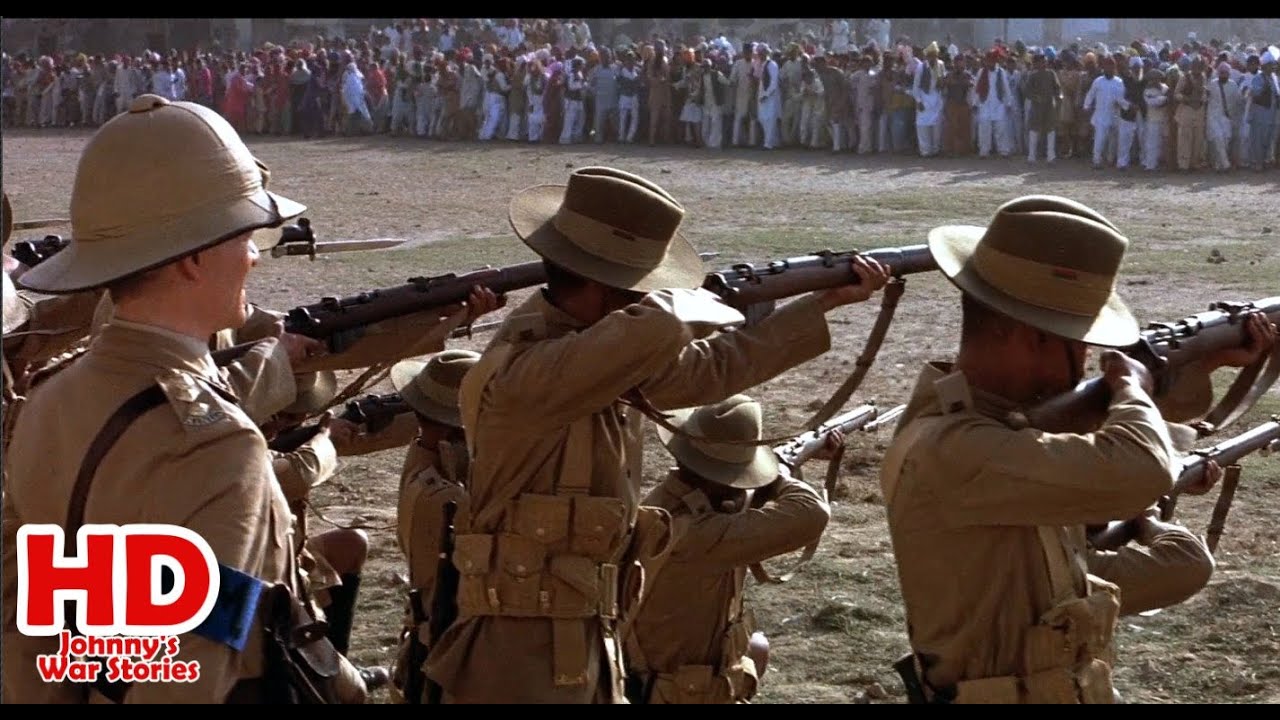
On the festival of Baisakhi on , a large crowd gathered peacefully at Jallianwala Bagh. Many were local villagers visiting the city for the festival, unaware that public meetings had been banned.
Jallianwala Bagh memorial site in Amritsar, Punjab. - (i) General Dyer brought armed soldiers, blocked the main narrow exit of the enclosed garden, and ordered firing on the crowd without giving any warning to leave.
- (ii) Shooting continued continuously for about ten minutes, totaling 1,650 rounds aimed where the crowd was thickest, stopping only when ammunition ran out.
- (iii) Official British reports stated 379 people died and 1,100 were injured, but estimates by the Indian National Congress showed more than 1,000 dead and over 1,500 injured.
The Aftermath: Consequences and the National Response
News of the firing shocked people across India, destroying remaining faith in British promises and shifting national politics toward total freedom.
Renunciation of Colonial Honors
Prominent leaders expressed moral outrage against the government's violent actions.
- (a) Renowned poet and Nobel winner Rabindranath Tagore formally returned his British Knighthood, stating such awards felt meaningless during times of deep national distress.
- (b) Troubled by outbreaks of local violence, Gandhi temporarily stopped the Satyagraha campaign on .
Impact on the Revolutionary Movement
The tragedy inspired many young freedom fighters to join the national movement.
- (a) The tragedy deeply affected young individuals, including future revolutionary Bhagat Singh, shaping his commitment to the freedom movement.
- (b) Years later, Udham Singh, who experienced the period's events, assassinated Michael O'Dwyer in London in .
- (c) Strict military rules, public floggings, and harsh punishments in Punjab strengthened the public's desire to end foreign rule completely.
⚡ Quick Revision Capsule: Rowlatt Act & Jallianwala Bagh (1919)
Use this review table to quickly check core facts, key figures, and major outcomes of the events of before your exams.
| Event / Topic | Key Details & Provisions | Historical Impact |
|---|---|---|
| Rowlatt Act | Passed in ; based on recommendations by Sir Sidney Rowlatt. Allowed detention without trial. | Led to widespread public protests and prompt resignations from national leaders. |
| Rowlatt Satyagraha | Launched by Mahatma Gandhi; featured a nationwide hartal on . | Became Gandhi's first mass-scale non-violent protest across major Indian cities. |
| Jallianwala Bagh Massacre | Occurred on in Amritsar; General Dyer ordered troops to fire on an enclosed peaceful gathering. | Resulted in heavy loss of life, marked a major turning point, and led Rabindranath Tagore to give up his Knighthood. |
| Hunter Committee | Formed in by the government to investigate the Amritsar shootings. | Criticized Dyer's actions, but official limitations angered Indian leaders further. |
| Long-term Legacy | Inspired freedom fighters like Bhagat Singh and Udham Singh; prepared ground for the Non-Cooperation Movement. | Changed the national movement from seeking minor reforms to demanding full self-rule. |
📝 Summary
The Rowlatt Act of , Gandhi's first Satyagraha, and the Jallianwala Bagh Massacre clearly showed the severe methods used by colonial authorities. These events brought together people from different regions and backgrounds across India. This period changed standard political discussions into widespread public action, making it a fundamental topic for students learning about India's Freedom Struggle and the events that led toward national independence.
🚀 Quick Revision Points
Essential facts to review before examinations:
- (i) The official name of the Rowlatt Act was the Anarchical and Revolutionary Crimes Act of .
- (ii) The Rowlatt Satyagraha marked Mahatma Gandhi's first organized nationwide non-violent movement in India.
- (iii) The tragic shooting took place on , during the spring festival of Baisakhi in Amritsar.
- (iv) In direct response to the violence, Rabindranath Tagore returned his British Knighthood title in protest.
- 💡 Exam Tip: Remember that the Rowlatt Act permitted arrest and imprisonment without trial for up to two years, which is why national leaders called it a "Black Law."
❓ Frequently Asked Questions (FAQ)
Q1: What was the main purpose of the Rowlatt Act of 1919?
A1: The main goal was to give colonial authorities extra powers to arrest and detain political suspects without a court trial for up to two years, curbing anti-colonial political activities.Q2: Why did Mahatma Gandhi call for a nationwide hartal in April 1919?
A2: Gandhi organized the hartal on as a peaceful nationwide protest against the unjust provisions of the Rowlatt Act.Q3: What was the immediate national impact of the Jallianwala Bagh Massacre?
A3: It led Rabindranath Tagore to renounce his British Knighthood, caused widespread anger across India, and transformed the independence movement into a mass struggle for full freedom.