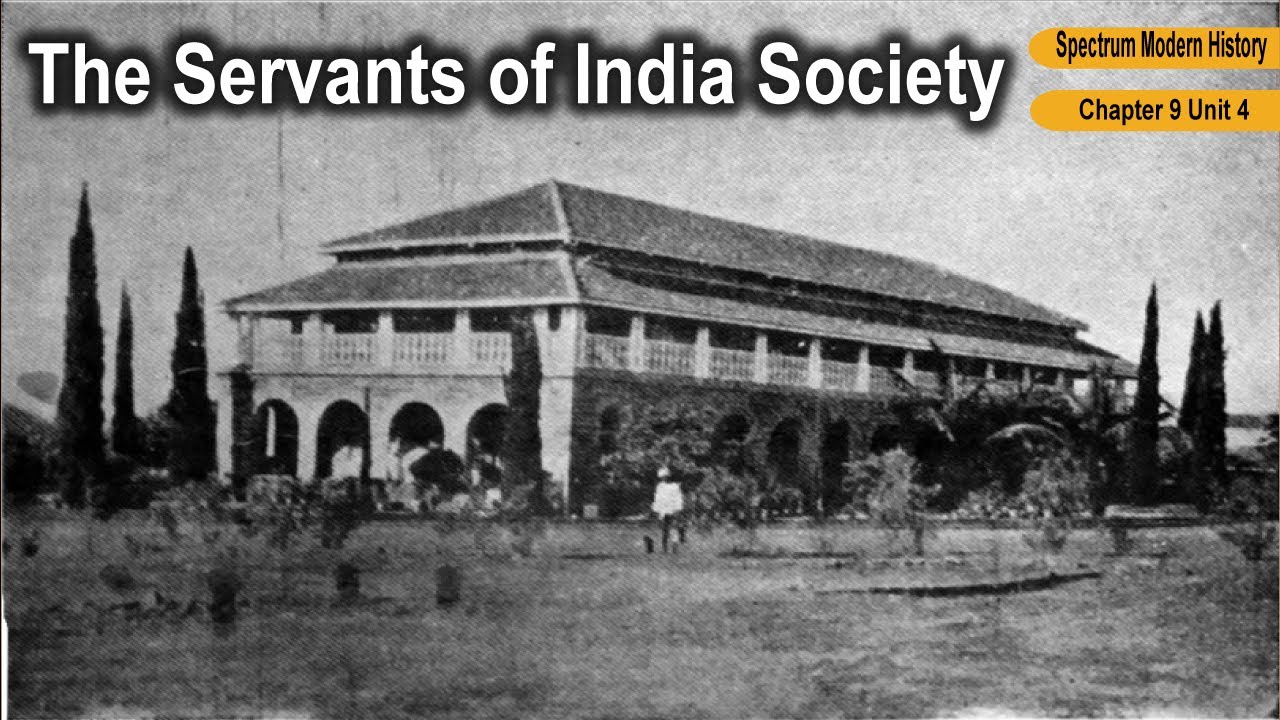
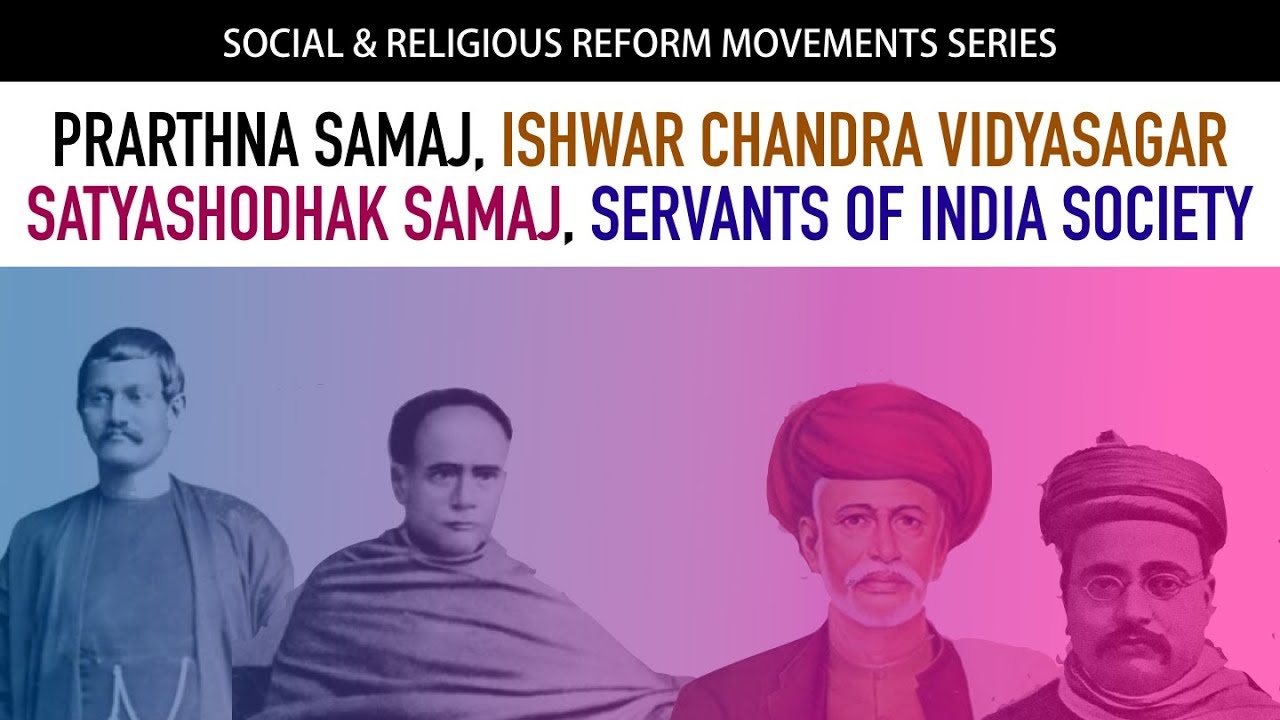
The Servants of India Society, founded in by Gopal Krishna Gokhale, was a pioneering organization that trained national missionaries dedicated to serving India. Its work in social welfare, education, and constitutional reform played a major role in the country's social and political growth. This topic is essential for students preparing for examinations like UPSC, State PCS, and other competitive history tests.
🎯 In this chapter, you will understand:
- The origins and founding ideals of the Servants of India Society in .
- The main goals of the society and the role of the newspaper Hitavada.
- How the society expanded its education efforts under Srinivasa Shastri after .
- The long-term impact of non-political social work on India's freedom struggle.
💡 Why this topic matters: It shows how selfless service and social reform laid the groundwork for India's national movement alongside political action.
🧠 Core Idea: Training dedicated workers to improve society through peaceful means, education, and selfless service rather than political protest.
Founding Principles, Objectives, and Historical Impact of the Servants of India Society: 1905 and Beyond
The Servants of India Society was created to build a group of selfless national workers who would spend their lives serving India. Formed during the Indian freedom struggle, this group focused on law-based reforms, helping poor communities, and preparing honest leaders for the future.
Origins and Foundation: In , moderate leader Gopal Krishna Gokhale established the society with strong guidance and moral support from M.G. Ranade.
- (i) The society worked to protect the real interests of the Indian public using peaceful, legal, and constructive methods instead of sudden protests.
- (ii) It served as a training ground for national missionaries, making sure public workers acted out of duty and self-discipline rather than personal gain.
Visionary Mission and Foundational Objectives: Building a Cadre for National Progress
The main goal was to train a permanent group of workers devoted to India's development while maintaining high ethical and moral standards in all public work.

Detailed Breakdown of Primary Society Objectives
The organization balanced political reform with immediate social and educational work across the country.
- (i) Promote peaceful and lawful administrative reforms within India to improve government functions.
- (ii) Train dedicated missionaries who took lifetime vows of poverty and social service.
- (iii) Provide continuous public education and social aid to marginalized local communities.
Intellectual Outreach and the Strategic Role of the Hitavada
The society used public print media to share its vision of a modern and self-reliant nation.
- (i) In , the society started publishing the newspaper Hitavada to share its core ethical and social ideas.
- (ii) The paper allowed the society to discuss social justice and national issues with educated citizens and the general public.
Political Neutrality and the Distinct Reformist Stance of the Society
The group kept a clear stance by choosing social service over direct involvement in party politics.
Key Principles of Non-Partisan Service
The society prioritized long-term character building and social development.
- (a) Leaders chose not to join party politics to keep their main focus on social welfare and community building.
- (b) The society did not join the Indian National Congress officially, even though many members shared similar long-term goals for the country.
- (c) The focus remained on long-term constructive work rather than short-term political protests in the early .
Evolution of the Society in the Post-Gokhale Era: Leadership Transition and Growth
After founder Gokhale passed away in , new leaders took over and successfully carried forward its educational mission.
Leadership Succession and the Continuity of the Reformist Legacy
The new leadership maintained the founding principles while reaching out to neglected communities.
- (i) Srinivasa Shastri became president in , providing steady direction for the group's projects.
- (ii) The society increased its focus on education, targeting underserved tribal and rural areas across India.
- (iii) It established residential ashram-type schools for tribal girls and started balwadis (pre-schools) in remote areas.
Impact on Marginalized Tribal Communities
Educational programs reached groups that had been left out of early school systems.
Educational work and residential schools established for rural and tribal children. - Educational Gap: Focus on tribal girls' education addressed a major gap in the school system of that time.
- Early Care: Setting up balwadis provided early childhood care and primary learning in rural villages.
⚡ Quick Revision Capsule: Servants of India Society Key Facts
A quick summary of key facts, dates, figures, and contributions for fast review before exams:
| Feature / Aspect | Details & Key Terms | Historical Impact |
|---|---|---|
| Founding Year & Founder | Founded in by Gopal Krishna Gokhale with support from M.G. Ranade. | Created a trained team of national missionaries for full-time social work. |
| Primary Newspaper | Launched Hitavada in to publish reform ideas. | Spread ethical thoughts on social reform and public welfare across India. |
| Political Stance | Non-partisan; stayed away from direct affiliation with the Indian National Congress. | Kept public focus on long-term character development and social service over political agitation. |
| Succession (1915) | Srinivasa Shastri took over leadership after Gokhale passed away in . | Expanded welfare projects into rural areas and tribal education programs. |
| Key Social Contributions | Built residential ashram-type schools for tribal girls and balwadis (pre-schools). | Provided early child care and education to underserved rural and tribal communities. |
📝 Summary
The Servants of India Society, created by Gopal Krishna Gokhale in , was a key milestone in India's social reform history. Its focus on training national missionaries, spreading education, and advocating peaceful legal reform makes it an important topic in modern Indian history. For students, this movement shows how selfless service worked hand-in-hand with the broader freedom struggle during the early .
🚀 Quick Revision Points
Essential facts to review before examinations:
- (i) Established in by Gopal Krishna Gokhale alongside M.G. Ranade.
- (ii) Focused on legal constitutional reform, education, and social work through trained national missionaries.
- (iii) Started the Hitavada newspaper in to spread social and ethical ideas.
- (iv) Expanded tribal education and rural pre-schools (balwadis) under Srinivasa Shastri after .
- 💡 Exam Tip: Note that the Servants of India Society did not officially join the Indian National Congress. Remembering this non-partisan approach helps answer objective questions on modern Indian history accurately.
❓ Frequently Asked Questions (FAQ)
Q1: Who founded the Servants of India Society and in which year?
A1: It was founded in by moderate leader Gopal Krishna Gokhale with guidance from M.G. Ranade.Q2: What newspaper was published by the Servants of India Society?
A2: The society started publishing the newspaper Hitavada in to share its social and ethical views.Q3: Who led the society after Gopal Krishna Gokhale died in 1915?
A3: Srinivasa Shastri took over leadership in and led efforts toward tribal education and establishing balwadis.