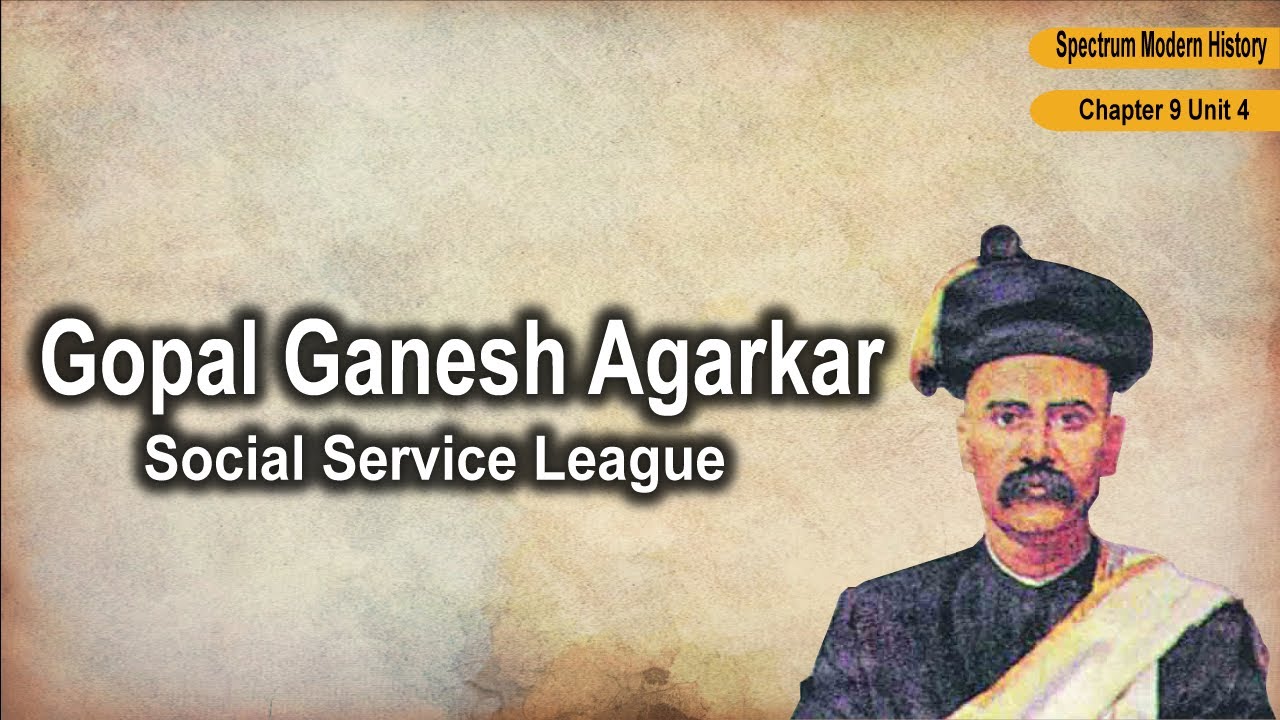
The Social Service League, a monumental pillar in the history of social reform movements in India, was established by the visionary leader Narayan Malhar Joshi in Bombay. This organization dedicated itself to improving the living and working conditions of common people through organized education, healthcare, and welfare initiatives. Understanding this movement is essential for students and exam preparation because it connects the Indian freedom struggle with the growth of influential social organizations.
🎯 In this chapter, you will understand:
- The founding and core purpose of the Social Service League in .
- The wide range of educational, legal, and community welfare programs launched in Bombay.
- How Narayan Malhar Joshi helped build the early labor movement and founded the All India Trade Union Congress (AITUC).
- The lasting legacy of urban social reform and workers' advocacy in modern Indian history.
💡 Why this topic matters: It highlights how early 20th-century reformers moved from simple charity to organized, long-term community upliftment and workers' rights.
🧠 Core Idea: Systemic social work combining schooling, free legal help, healthcare, and trade union activism creates lasting social change.
The Genesis and Strategic Founding of the Social Service League in India (1911)
A new era of humanitarianism began when the Social Service League was set up to help ordinary citizens achieve better living standards.
Institutionalizing Service for the Urban Poor
In the year , Narayan Malhar Joshi transformed the field of Indian social work. As a follower of the moderate leader Gopal Krishna Gokhale, Joshi wanted to build a lasting structure for public service. The League was more than just a charity; it was a planned effort to lift up the social, educational, and economic life of regular people during the period of British rule.
- (i) The main goal focused on social welfare, public education, and helping underprivileged communities.
- (ii) The organization was guided by the discipline and moral values of Gokhale'sServants of India Society.
- (iii) It concentrated on practical, ground-level answers to everyday problems faced by factory workers and the urban poor.
The Multifaceted Welfare Activities of the Social Service League in India
The League served as an active engine for community growth, running everything from health clinics to neighborhood centers to support marginalized groups.

Expanding Horizons through Educational and Cultural Initiatives
The League believed that knowledge was the ultimate path to personal freedom. Therefore, it encouraged education and social awareness through local schools and cultural programs.
- (i) Setting up a strong network of schools, public libraries, and reading rooms to boost literacy.
- (ii) Organizing day nurseries for working parents and starting cooperative societies to help families save money.
Leisure and Community Spirit
Building health and community connections was an essential part of daily welfare work.
- (a) Promoting physical health through local gymnasiums.
- (b) Using stage plays and group trips to offer enjoyable cultural experiences for people living in slums.
Providing a Safety Net through Legal and Social Support
Because poor and uneducated people were often taken advantage of, the League provided free legal and civic help to protect their everyday rights.
- (i) Appointing police court agents to guide and protect vulnerable people facing legal troubles.
- (ii) Offering free legal help and clear advice made specifically for factory workers and slum residents.
- (iii) Running sanitation drives and medical relief camps to prevent disease in crowded city neighborhoods.
Empowering the Future: Youth and Community Programs
The League recognized that long-lasting progress required active young people, leading to local youth leadership groups.
- (i) Boys' Clubs: Centers created for skill-building, character growth, and discipline among young people.
- (ii) Scout Corps: A special group that trained youth in leadership and unselfish service to their neighborhoods.
- (iii) Community Integration: Bringing people from different social backgrounds together for practical community action.
Narayan Malhar Joshi and the Evolution of the Trade Union Movement in India
The reform work of Narayan Malhar Joshi naturally grew from general social welfare into organized worker support, creating a milestone for Indian labor history.
- (i) In , Joshi played a key leadership role in founding the All India Trade Union Congress (AITUC), starting national trade union activism.
- (ii) This organization gave workers their first national voice to ask for fair pay, safe workplaces, and proper respect on the job.
- (iii) It successfully connected early social reform movements with the growing labor movements of the 20th century.
⚡ Quick Revision Capsule: Social Service League (1911)
Key highlights of the organization, its founder, and its main activities at a glance:
| Key Aspect | Historical Details | Exam Relevance |
|---|---|---|
| Founder | Narayan Malhar Joshi (follower of Gopal Krishna Gokhale) | Key pioneer of Indian social work and organized labor. |
| Founding Year & Place | in Bombay (now Mumbai) | Important event in early 20th-century social history. |
| Core Objective | Improving living and working conditions of the urban poor | Focus on structured, non-political urban social work. |
| Major Welfare Services | Schools, libraries, day nurseries, gymnasiums, and free legal aid | Demonstrates an early multi-purpose approach to welfare. |
| Labor Movement Link | Founder helped establish the All India Trade Union Congress (AITUC) in | Connects social work directly to worker rights movements. |
📝 Summary
The Social Service League, created in by Narayan Malhar Joshi, stands as a landmark institution in India's social history. By combining education, free legal assistance, and health programs into one structured effort, it changed urban welfare work in Bombay. For students, this topic forms a direct bridge between the Indian freedom movement, social reform initiatives, and modern worker rights organizations.
🚀 Quick Revision Points
Essential facts to review before examinations:
- (i) Established in in Bombay by Narayan Malhar Joshi.
- (ii) Guided by the principles of Gokhale'sServants of India Society.
- (iii) Provided night schools, libraries, day nurseries, and police court assistance for poor residents.
- (iv) Expanded into worker advocacy, leading to the creation of the AITUC in .
- 💡 Exam Tip: Remember that N.M. Joshi is connected to both the Social Service League (1911) for urban welfare and the AITUC (1920) for labor rights. Exams frequently test this connection!
❓ Frequently Asked Questions (FAQ)
Q1: Who founded the Social Service League and in which year?
A1: It was founded by Narayan Malhar Joshi in in Bombay.Q2: What were the main activities of the Social Service League?
A2: The League set up schools, libraries, day nurseries, gymnasiums, medical centers, and offered free legal help to industrial workers and slum dwellers.Q3: How is Narayan Malhar Joshi connected to the Indian labor movement?
A3: N.M. Joshi used his experience from urban social welfare to help establish the All India Trade Union Congress (AITUC) in , creating India's first national trade union body.