This detailed analysis explores the complexities of India's international boundaries, focusing on the peaceful India-Bhutan border. Understanding these territorial dynamics is vital for students preparing for geography, polity, and international relations examinations, providing crucial insights into South Asian geopolitics since .
🎯 In this chapter, you will understand:
- The overall nature and historical context of India's international borders following .
- How the peaceful boundary between India and Kingdom of Bhutan acts as a model of friendly relations.
- Key areas of cooperation enabled by an undisputed border, including trade and hydropower.
- Why mastering border dynamics is essential for scoring well in competitive examinations.
💡 Why this topic matters: Knowing how India manages its borders helps you understand national security, foreign policy, and regional stability in South Asia.
🧠 Core Idea: India's borders range from conflicted boundaries born during the Partition to peaceful, stable frontiers like the India-Bhutan border.
Geopolitical Analysis of India’s International Boundary Disputes and Peaceful Borders (Post-1947 Partition Era)
A comparative study of India's boundaries reveals a wide spectrum of relationships, ranging from complete tranquility with its Himalayan neighbor to enduring conflict shaped by historical partitions. The vast network of India's borders provides a critical lens through which to view its foreign policy and security challenges, impacting regional stability and internal governance.
(i) The borders define India's geographical and political limits, influencing its trade, defense strategy, and cultural exchanges with adjacent nations.
(ii) Historical events, primarily the Partition of 1947, have marked certain boundaries deeply, leading to persistent, internationally recognized disputes.
(iii) The concept of boundary demarcation often rests on varying interpretations of colonial-era agreements or the realities established through military control.
India-Bhutan Boundary: A Model of Peaceful Coexistence
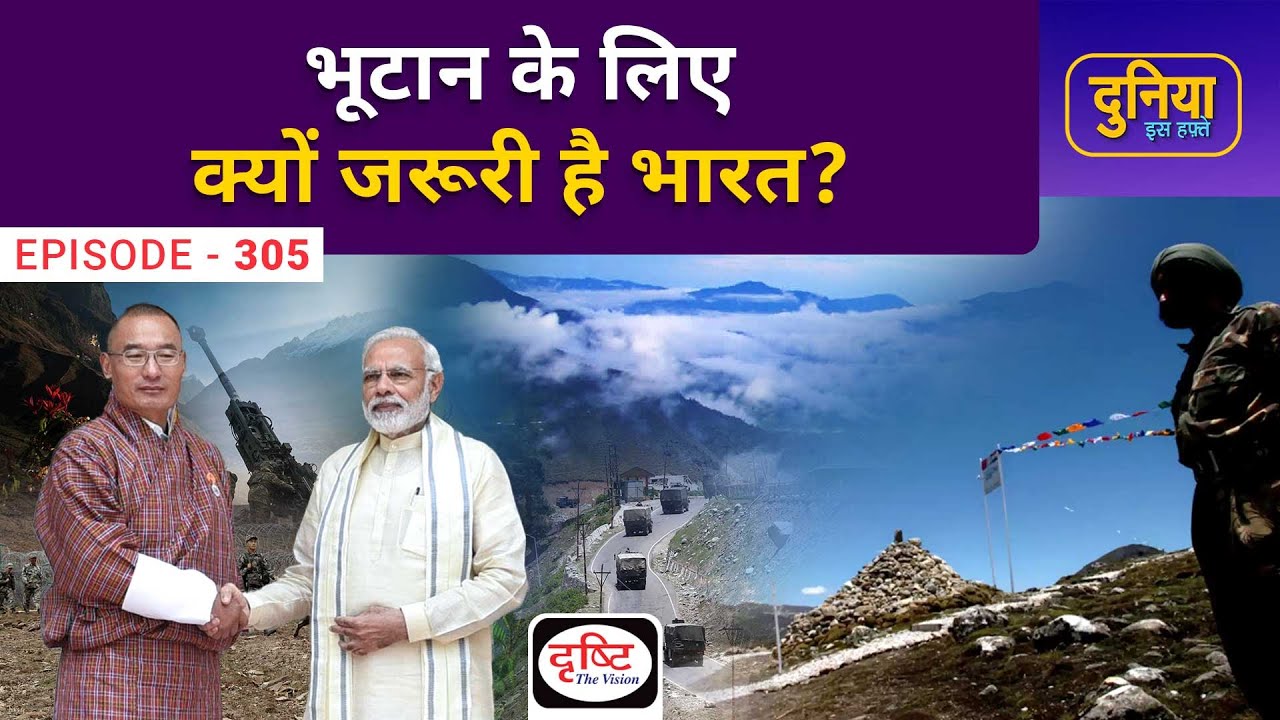
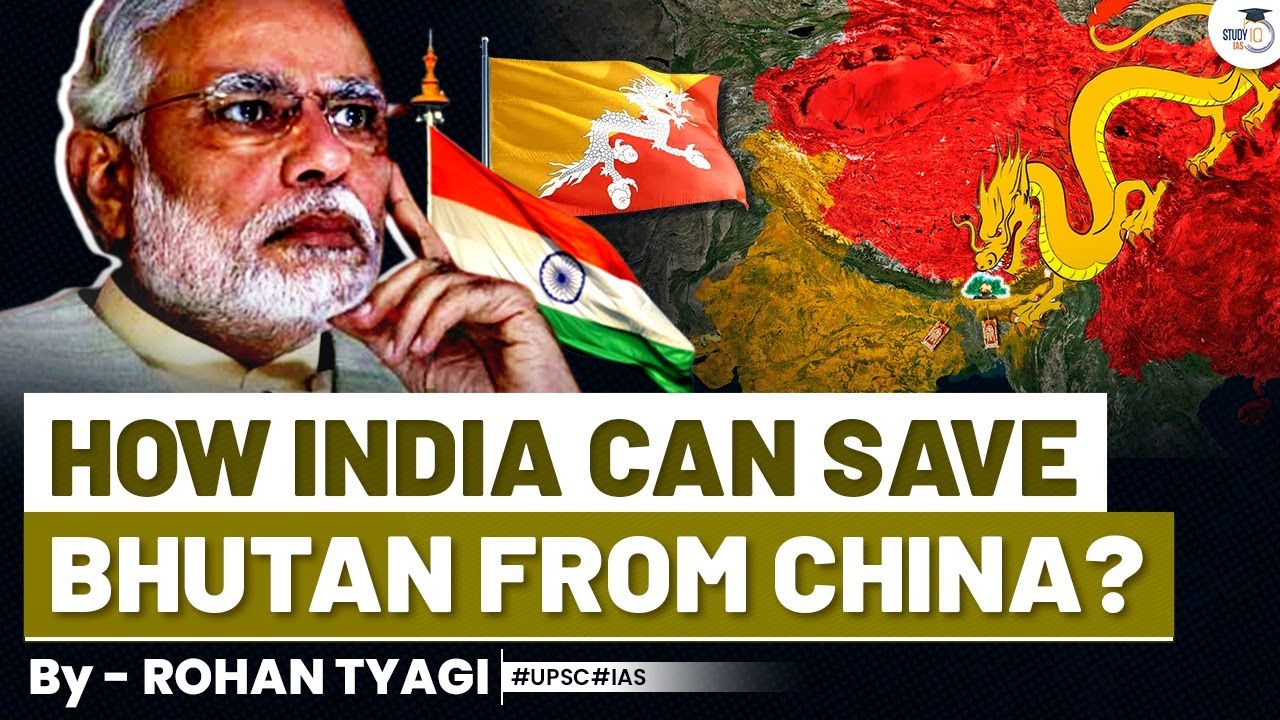
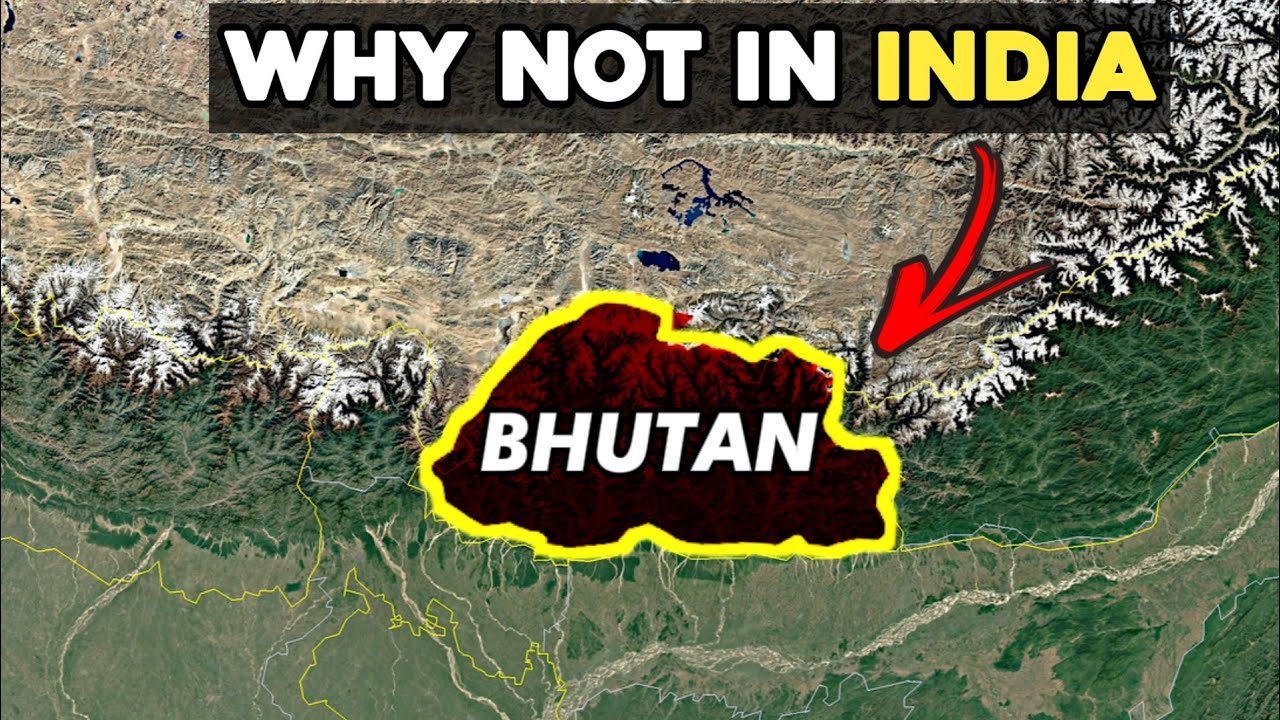
In stark contrast to other contested boundaries, the long-standing border shared between India and the Kingdom of Bhutan stands as a remarkable example of mutual trust and undisputed demarcation.

The Undisputed Frontier Between India and Bhutan
The boundary running between India and Bhutan is characterized by its stability and lack of any major territorial claims or border disputes from either side. This peaceful status greatly facilitates cooperation in areas like trade, hydropower, and security, making it a cornerstone of India's 'Neighborhood First' policy.
- (i) The relationship is historically rooted in cooperation, with India playing a crucial role in Bhutan's socio-economic development.
- (ii) The shared border remains an exemplar of amicable neighborly relations in the often-turbulent South Asian region.
📝 Conclusion: Why Studying Border Studies is Crucial for Exam Preparation
The study of India's international boundaries is indispensable for grasping the nation's geopolitical challenges and strategic depth. The tranquil India-Bhutan border offers profound insights into South Asian security dynamics. For students, mastering the details of neighborly agreements is key to excelling in competitive examinations that test knowledge of Indian Geography and International Relations.
⚡ Quick Revision Capsule: India's Border Dynamics
This quick comparative summary highlights the key aspects of India's border relationships and strategic policies.
| Border / Concept | Current Status | Strategic & Economic Significance |
|---|---|---|
| India-Bhutan Border | Undisputed and peaceful frontier | Promotes hydropower cooperation, regional trade, and security under the 'Neighborhood First' policy. |
| Post-1947 Partition Borders | Persistently contested and disputed areas | Shapes defense priorities, military strategies, and overall foreign policy in South Asia. |
| Boundary Demarcation | Based on colonial agreements or actual control | Determines political limits and controls cross-border movement, security, and trade flow. |
| Socio-Economic Support | Active developmental partnership | India actively contributes to Bhutan's socio-economic development and infrastructure growth. |
| Exam Relevance | Core syllabus topic | Essential for answering geography, polity, and international relations questions effectively. |
📝 Summary
India's international boundaries present a mix of complex disputes and exemplary peaceful relationships created after the Partition of . While some borders remain contentious due to historical agreements and military positions, the India-Bhutan border serves as a model of mutual trust and stability. This undisturbed border supports shared growth in trade and energy, reinforcing India's broader diplomatic goals in South Asia.
🚀 Quick Revision Points
Essential facts to review before examinations:
- (i) Boundary demarcation in India relies on colonial treaties, geography, and real-time military control lines.
- (ii) The Partition of created lasting border challenges that influence current foreign policy.
- (iii) The peaceful India-Bhutan border enables strategic trust, hydropower projects, and free trade.
- (iv) Studying border relations is essential for mastering topics in Indian Geography and International Relations.
- 💡 Exam Tip: When writing answers on South Asian geopolitics, always contrast disputed borders with the peaceful India-Bhutan boundary to demonstrate a complete understanding of regional relationships.
❓ Frequently Asked Questions (FAQ)
Q1: Why is the India-Bhutan border considered a model for neighborly relations?
A1: It is completely undisputed and peaceful, allowing both countries to cooperate smoothly on trade, security, and economic projects without territorial conflicts.Q2: How did the 1947 Partition affect India's international borders?
A2: The Partition created new political boundaries that led to long-standing territorial disputes and complex security requirements in the region.Q3: What role does the India-Bhutan boundary play in India's foreign policy?
A3: It serves as a successful implementation of India's 'Neighborhood First' policy, showcasing how mutual respect leads to economic growth and regional peace.