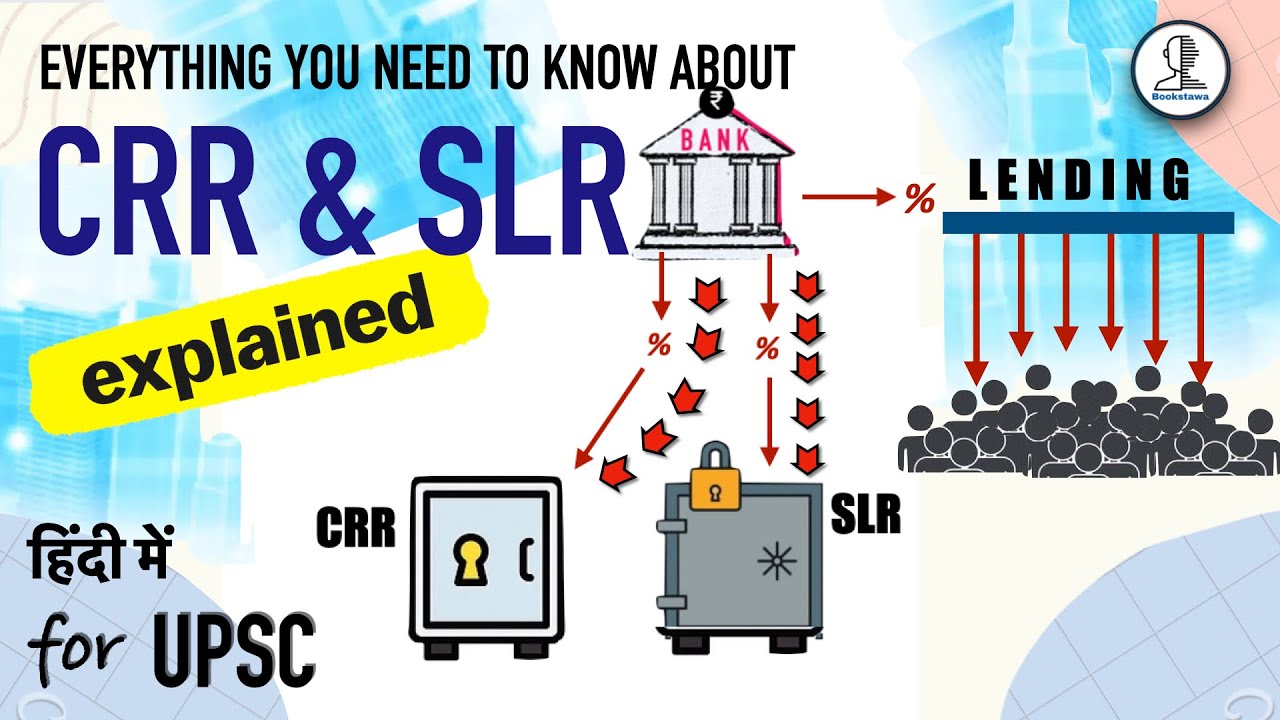
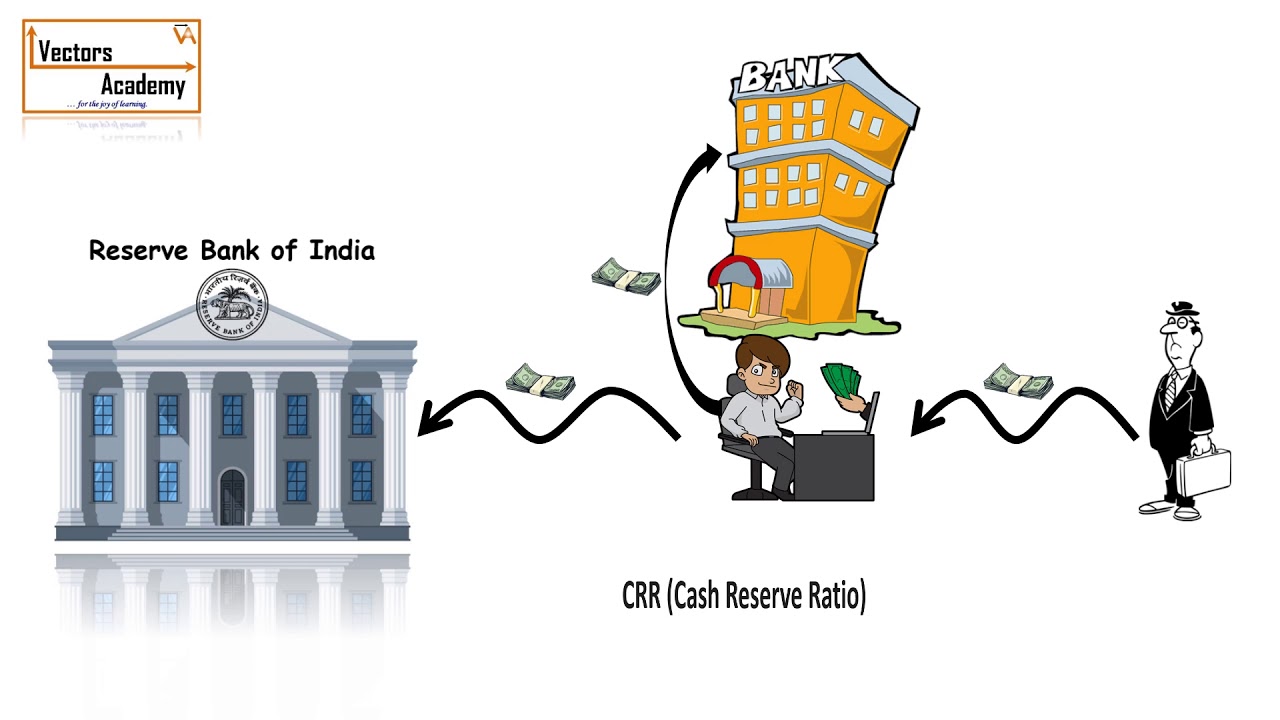
The Monetary Policy Framework in India serves as the foundational architecture for keeping prices stable and ensuring that money flows smoothly into the economy. Over the years, this system underwent a major structural change, moving away from strict direct controls to a modern indirect liquidity management system. At the core of this change is the Liquidity Adjustment Facility (LAF), which lets the Reserve Bank of India (RBI) adjust short-term interest rates and manage daily money flows with precision, ensuring that the cost of borrowing stays aligned with national economic goals.
🎯 In this chapter, you will understand:
- How India shifted from direct quantity targets to indirect interest rate management.
- The operational role of Reserve Money (RM) and Broad Money (M3) in central banking.
- How repo and reverse repo auctions under the LAF regulate daily market cash flows.
- The key updates introduced in the 2004 LAF scheme review for market stability.
💡 Why this topic matters: Understanding how the RBI manages money flows explains how short-term interest rates are set, directly influencing banking, credit flow, and overall economic health.
🧠 Core Idea: The central bank manages daily money levels in the banking system using interest rate levers rather than forcefully controlling total money supply volumes.
The Narrative of India’s Monetary Policy Transformation
For many years, the central bank relied on controlling exact money amounts to manage inflation and growth. As India became more connected to global markets, it needed a more flexible setup. This led to creating the Liquidity Adjustment Facility (LAF), which changed how the central bank works with commercial banks.
For decades, the RBI relied on a quantity-oriented approach to control inflation and growth. However, as the Indian economy integrated further with global markets, the need for a more flexible and market-linked mechanism became evident. This led to the de-emphasizing of direct instruments and the birth of the LAF, a move that fundamentally altered the relationship between the central bank and commercial banks.

The Era of Quantity-Based Targeting: Reserve Money and M3
In the traditional quantity-based monetary targeting framework, the central bank focused directly on the overall volume of money in circulation. By managing the total money base, the RBI aimed to guide economic outcomes from the top down.
Analyzing Operating Targets and Intermediate Goals
During this phase, Reserve Money (RM) was used as the primary operating target, while bank reserves served as the main tool. The thinking was built on the money multiplier effect, where:
- (i) Broad Money (M3) served as the intermediate target to align growth with fiscal goals.
- (ii) The Cash Reserve Ratio (CRR) was frequently adjusted to soak up or release liquidity.

The Transition to an Interest Rate-Based Framework
The central bank eventually reduced its dependence on direct tools, moving to indirect methods that focus on managing daily money flows instead of strict volume controls. This change marked the start of modern market-based steps.
LAF: The Principal Operating Instrument for Liquidity Management
Introduced in , the Liquidity Adjustment Facility (LAF) emerged as the cornerstone of the central bank's toolkit. By managing short-term cash flows, the LAF successfully stabilized the overnight call money market. The system operates through two main levers:
- (i) Repo Auctions: Allowing banks to borrow money short-term to meet immediate needs.
- (ii) Reverse Repo Auctions: Allowing banks to store extra funds with the central bank.
This interest rate corridor allowed the central bank to move away from targeting bank reserves directly, allowing a steady reduction in the CRR without disturbing the financial system.
Important Operational Verification: While earlier layouts describe the corridor managing short-term flows under baseline limits, modern updates formally integrate the Standing Deposit Facility (SDF) as the floor and the Marginal Standing Facility (MSF) as the ceiling of this operating corridor.

Policy Revisions: The 2004 LAF Scheme Updates
To make policy transmission smoother, the LAF scheme was updated on , following suggestions from an internal RBI study group. This gave the central bank greater operational flexibility.
Enhanced Discretionary Powers for Market Stability
The updated framework allowed the central bank to run overnight reverse repo or longer-term auctions at fixed or changing rates. This ensured quick responses to shifting market conditions. Key features include:
- (i) The ability to adjust the spread between repo and reverse repo rates.
- (ii) The use of Open Market Operations (OMO) to buy or sell government securities directly.
⚡ Quick Revision Capsule: Liquidity Adjustment Facility (LAF)
A concise side-by-side comparison of India's monetary policy tools and framework evolution.
| Feature / Instrument | Quantity-Based Framework | Interest Rate-Based (LAF) Framework |
|---|---|---|
| Primary Focus | Direct volume control of money in circulation | Managing daily liquidity and short-term interest rates |
| Operating Target | Reserve Money (RM) | Overnight call money interest rates |
| Intermediate Goal | Broad Money (M3) growth targets | Market stability and smooth policy transmission |
| Key Instruments | Cash Reserve Ratio (CRR) direct changes | Repo, Reverse Repo, SDF, and MSF auctions |
| Launch / Major Update | Traditional pre-2000 central bank framework | Introduced in ; revised on |
📝 Summary
The growth of the Monetary Policy Framework shows India's move toward a mature, interest-rate-focused economy. By using the Liquidity Adjustment Facility (LAF) as its main tool for daily stability, the central bank shifted from managing bank reserves directly to guiding market expectations. While the system avoids fixing overnight rates forcefully, LAF auctions effectively set the money movement across the nation, ensuring liquidity supports broad money goals while preserving market balance.
🚀 Quick Revision Points
Essential facts to review before examinations:
- (i) The LAF was formally introduced in to manage daily short-term liquidity imbalances.
- (ii) Under traditional targeting, Reserve Money (RM) was the main operating target and Broad Money (M3) was the intermediate goal.
- (iii) Major structural updates were made on based on an internal RBI group study.
- (iv) The operational setup uses Repo auctions to add liquidity and Reverse Repo auctions to absorb extra cash.
- 💡 Exam Tip: Remember that Repo adds liquidity into the banking system while Reverse Repo absorbs excess liquidity from banks.
❓ Frequently Asked Questions (FAQ)
Q1: What is the main purpose of the Liquidity Adjustment Facility (LAF)?
A1: The primary purpose of the LAF is to manage daily cash flow imbalances in the banking system and keep short-term overnight interest rates stable.Q2: How did the 2004 review change the central bank's market management?
A2: The changes gave the central bank full freedom to run auctions at fixed or variable rates and adjust the interest rate gap between tools.Q3: What is the difference between Repo and Reverse Repo transactions?
A3: In a Repo transaction, commercial banks borrow money from the central bank using eligible securities to cover short-term needs. In a Reverse Repo transaction, banks store extra cash with the central bank to earn interest.