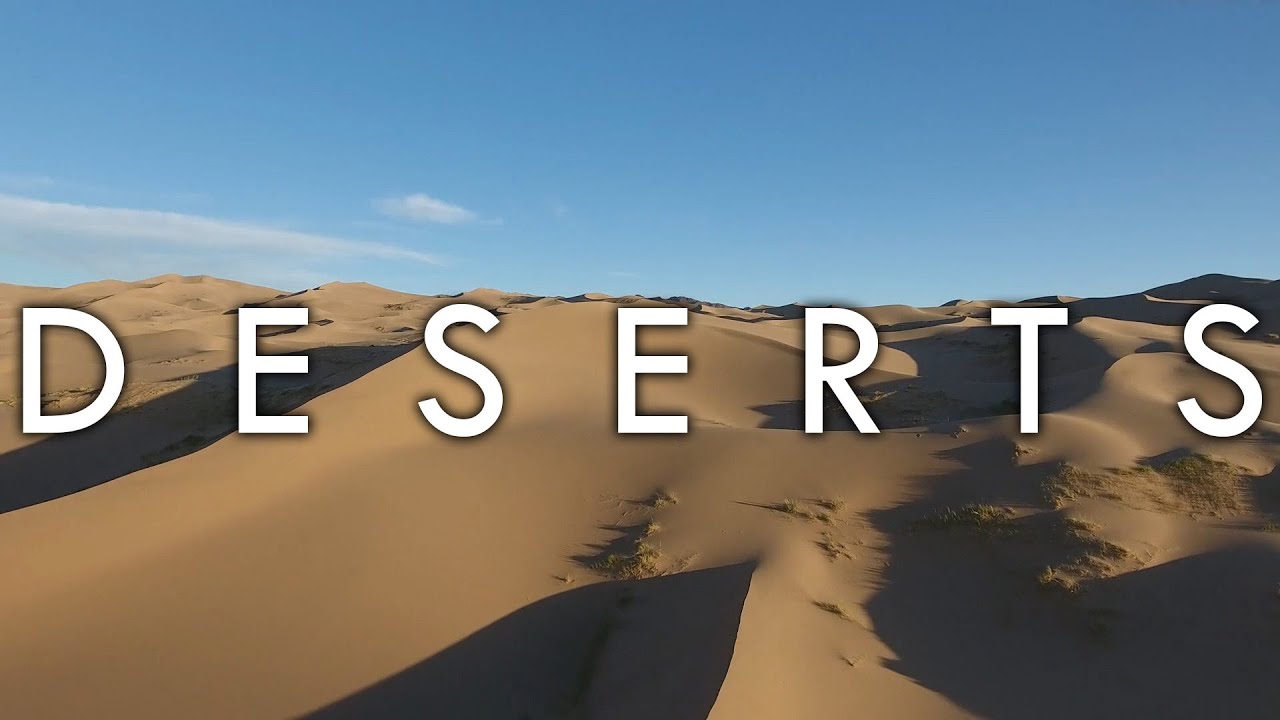
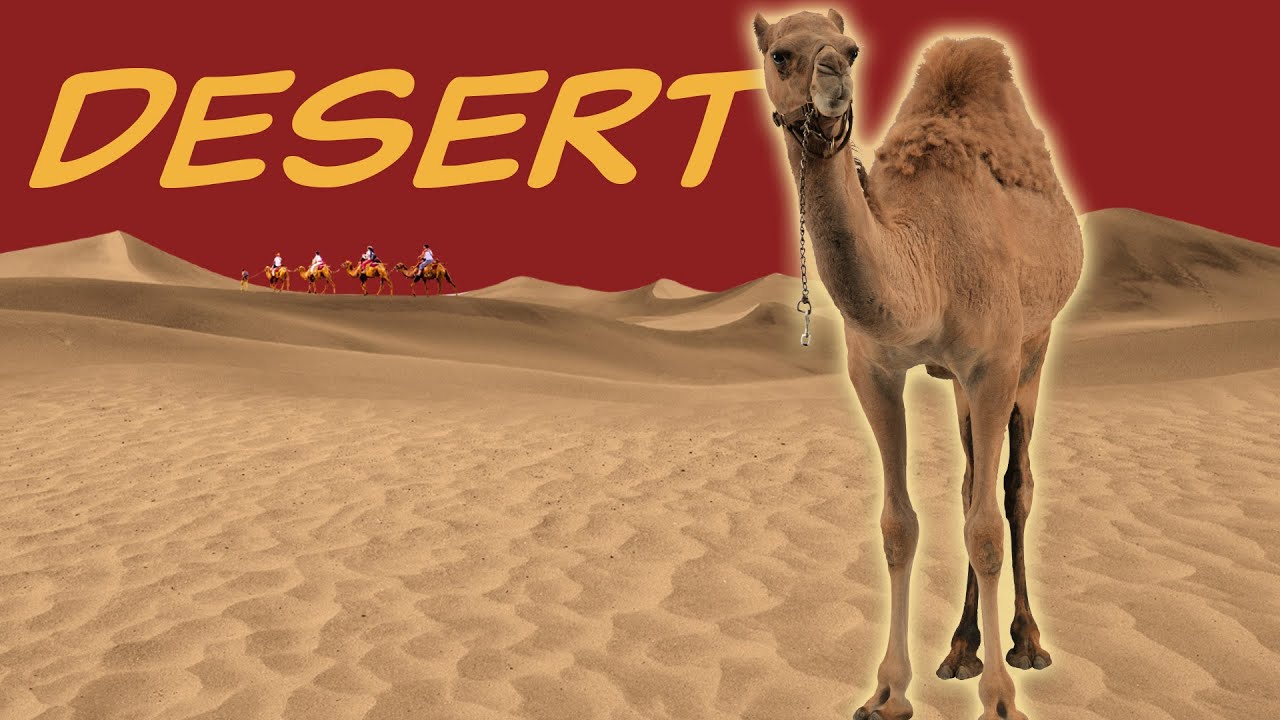
The desert biome represents one of the most extreme and fascinating ecosystems on Earth. It is characterized by severe low annual rainfall, scorching daytime temperatures, and freezing nights. Understanding the flora, fauna, and climatic conditions of deserts is crucial for students preparing for environmental geography exams and for appreciating how life adapts to harsh surroundings. This detailed guide explores hot, cold, and semi-arid deserts across the globe, highlighting their ecological role and unique survival strategies.
🎯 In this chapter, you will understand:
- The primary climatic conditions and rainfall patterns defining desert biomes.
- How desert plants store water and reduce moisture loss to survive aridity.
- The physical and behavioral adaptations of desert animals, including camels and nocturnal species.
- The geographic distribution and environmental importance of hot, cold, and coastal deserts.
💡 Why this topic matters: Desert ecosystems showcase nature's most advanced survival mechanisms and cover nearly one-fifth of Earth's land surface.
🧠 Core Idea: Extreme dryness forces plants and animals to evolve specialized water conservation and temperature control strategies.
🏜️ Desert Biome: Characteristics, Flora, Fauna, and Climatic Conditions
Deserts are defined by extreme dryness and unpredictable weather, making them unique ecosystems where only specialized species can thrive.
The main defining feature of any desert is severe lack of rainfall, usually receiving between of rain per year. Precipitation is seasonal and unpredictable, with some areas facing prolonged periods without a single drop. For example, the Atacama Desert in Chile is known as the driest desert in the world, where certain areas have recorded no rainfall for decades.
- (i) Classification of Deserts: Deserts are grouped into hot, cold, and semi-arid types depending on their geographic location, atmospheric pressure patterns, and distance from mountain ranges.
- (ii) Examples of Major Deserts: The Sahara and Kalahari in Africa, Gobi in Asia, Arabian and Syrian in the Middle East, Great Victoria in Australia, Great Basin in North America, Patagonian in South America, and the vast Antarctic and Arctic polar deserts.
- (iii) Coastal Deserts: Deserts like the Atacama and Namib sit along western coastlines between 20°–30° latitude. Steady easterly winds block incoming moisture, creating extremely dry coastal conditions.
- (iv) Semi-arid Deserts: Regions like the Gobi and Great Basin often form in rain-shadow zones directly behind tall mountain chains.
- (v) Temperature Fluctuations: Daily temperatures swing dramatically from scorching daytime heat to freezing night temperatures, creating tough survival conditions for all living organisms.
🌵 Flora of the Desert Biome and Plant Adaptations
Desert plants show remarkable structural changes to survive long dry spells and intense solar heat.

Succulent and Water-Storing Plants
Plants like cacti and mulga trees use succulent tissues inside their stems, roots, or leaves to hold water for extended drought periods.
- (i) Saguaro cactus: Famous native of the Sonoran Desert, storing high volumes of water inside its accordion-like ribbed stem.
- (ii) Mulga tree: Uses specialized funnel-shaped leaf layouts to direct rainwater straight to its deep root structure.
- (iii) Spinifex: A tough grass species in Australian deserts that grows well in loose sand and dry soil conditions.
Drought-Resistant Shrubs and Grasses
Many desert bushes feature tiny leaves or shiny waxy outer layers to stop water from escaping through evaporation.
- (a) Creosote bush: Produces a natural resinous coating over its surface to block moisture loss.
- (b) Sagebrush: Has small leaves covered in fine hairs and natural oils to slow down transpiration.
- (c) Short grasses: Follow extremely fast growth cycles, sprouting and blooming immediately after rare rainfall events.
Adaptive Mechanisms Across Desert Plants
Key survival tools shared by desert vegetation include:
- (i) Deep root systems: Taproot systems extending far underground to access water tables.
- (ii) Spiny or tiny leaves: Sharp spines protect against hungry animals and reduce leaf surface area.
- (iii) Waxy skin layers: Thick cuticles protect plant stems from burning heat.
🐪 Fauna of the Desert Biome and Survival Strategies
Animals living in deserts have evolved clever ways to deal with scarce food, intense summer heat, and limited drinking water.
Nocturnal and Burrowing Animals
Many desert animals rest during the day and come out at night to escape the intense heat.
- (i) Kangaroo mice: Found in North America; nocturnal rodents that extract all necessary moisture directly from the seeds they eat.
- (ii) Bilby: Native to Australia; digs deep underground burrows to rest in cool soil during daylight hours.
- (iii) Red kangaroo: Australian mammal that rests under shady trees during mid-day heat to prevent overheating.
Camels and Specialized Water Storage Adaptations
The camel is the classic icon of desert survival, capable of traveling long distances without drinking water while enduring high heat levels.
- (a) Water efficiency: Can drink large quantities of water quickly and store fluids safely in internal tissues.
- (b) Temperature management: Allows its body temperature to fluctuate naturally during daylight to minimize sweating.
- (c) Nighttime activity: Feeds and moves primarily during cooler hours to save energy.
Adaptation Strategies of Other Desert Fauna
Reptiles and insects utilize specialized body coverings to block heat and conserve fluid. - Insects: Protected by tough outer shells (exoskeletons) that block moisture loss.
- Birds: Use strong wings to fly over vast distances toward temporary water holes.
- Reptiles: As ectothermic cold-blooded animals, they warm up in early sun and hide in shade when temperatures climb too high.
⚡ Quick Revision Capsule: Desert Biome Ecosystems
A quick-reference guide summarizing key features, plant traits, and animal strategies across major desert categories.
| Desert Category | Key Climatic Features & Location | Notable Plant & Animal Adaptations |
|---|---|---|
| Hot Deserts | Extreme day heat, low humidity (Sahara, Arabian) | Water-storing stems, deep roots, nocturnal habits |
| Cold Deserts | Freezing winter seasons, snow precipitation (Gobi, Great Basin) | Drought-resistant shrubs, thick fur layers, seed storage |
| Coastal Deserts | Cool sea breezes, fog, very low rain (Atacama, Namib) | Fog harvesting by plants/insects, specialized skin barriers |
| Polar Deserts | Sub-zero temperatures, ice cover (Antarctic, Arctic) | Mosses, lichens, thick fat (blubber) layers in marine fauna |
| Semi-Arid Deserts | Moderate dry seasons, rain-shadow zones (Patagonian) | Spiny succulents, fast-blooming seasonal grasses |
📝 Summary & Educational Importance
The desert biome clearly demonstrates how life adapts to environmental extremes like dry air, low rainfall, and severe heat swings. For students of environmental geography preparing for exams, studying deserts helps clarify global climate zones, ecosystem fragility, and species survival skills. Exploring these dry lands provides valuable insights into how plants and animals maintain ecological balance even under extreme climate stress.
🚀 Quick Revision Points
Essential facts to review before examinations:
- (i) Annual rainfall in dry deserts remains low, ranging from .
- (ii) Succulent plants like the Saguaro cactus store moisture in thick ribbed stems.
- (iii) Burrowing and nocturnal behaviors help animals like the kangaroo mouse avoid extreme daylight heat.
- (iv) Deserts are grouped by climate and geography into hot, cold, coastal, and semi-arid zones as detailed in standard geography texts like Environmental Geography Studies.
- 💡 Exam Tip: When writing exam answers on desert biomes, always pair climate characteristics (like rain-shadow effects or coastal winds) with specific structural adaptations of local flora and fauna.
❓ Frequently Asked Questions (FAQ)
Q1: What defines a desert biome?
A1: A desert is defined primarily by its severe lack of rainfall, receiving less than of rain annually, combined with high evaporation rates and wide daily temperature changes.Q2: How do succulent plants survive long droughts?
A2: Succulents store water in specialized spongy tissues inside their stems, roots, or leaves, while using thick waxy cuticles to block evaporation.Q3: What makes the Atacama Desert unique among global deserts?
A3: The Atacama Desert is known as the driest non-polar desert on Earth, located along a dry coastline where cold ocean currents and dry atmospheric winds prevent cloud formation.