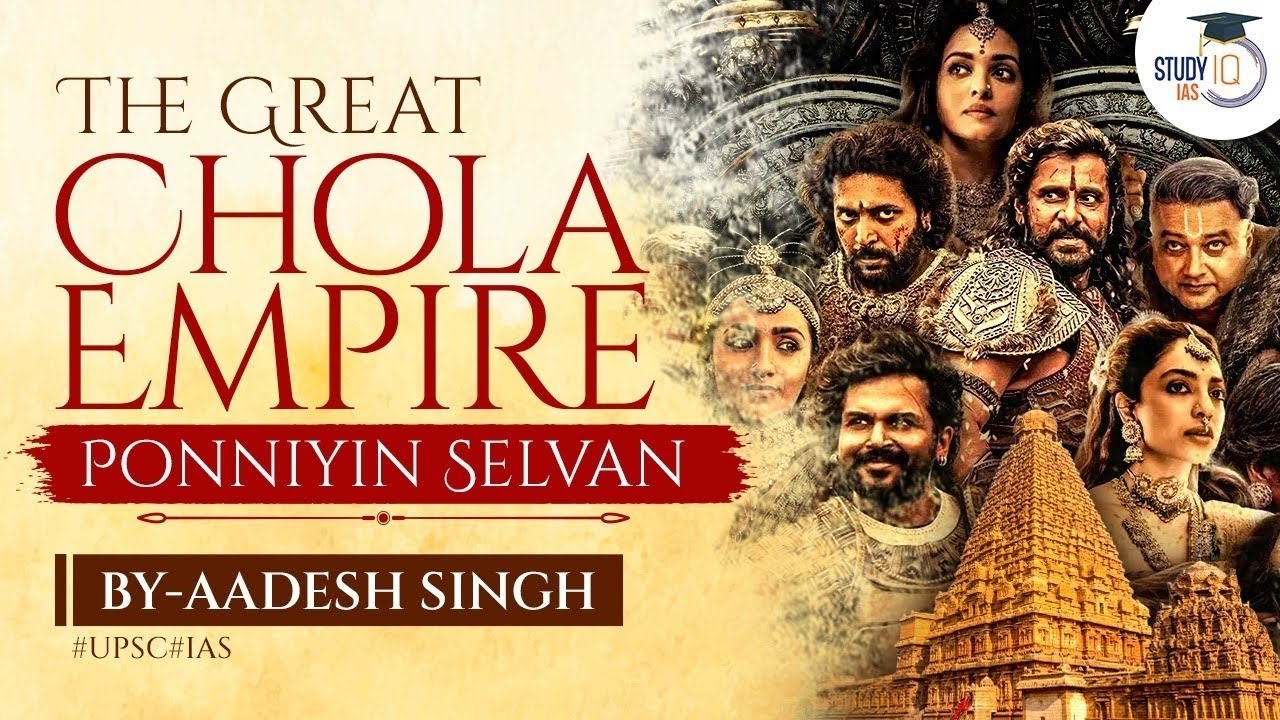
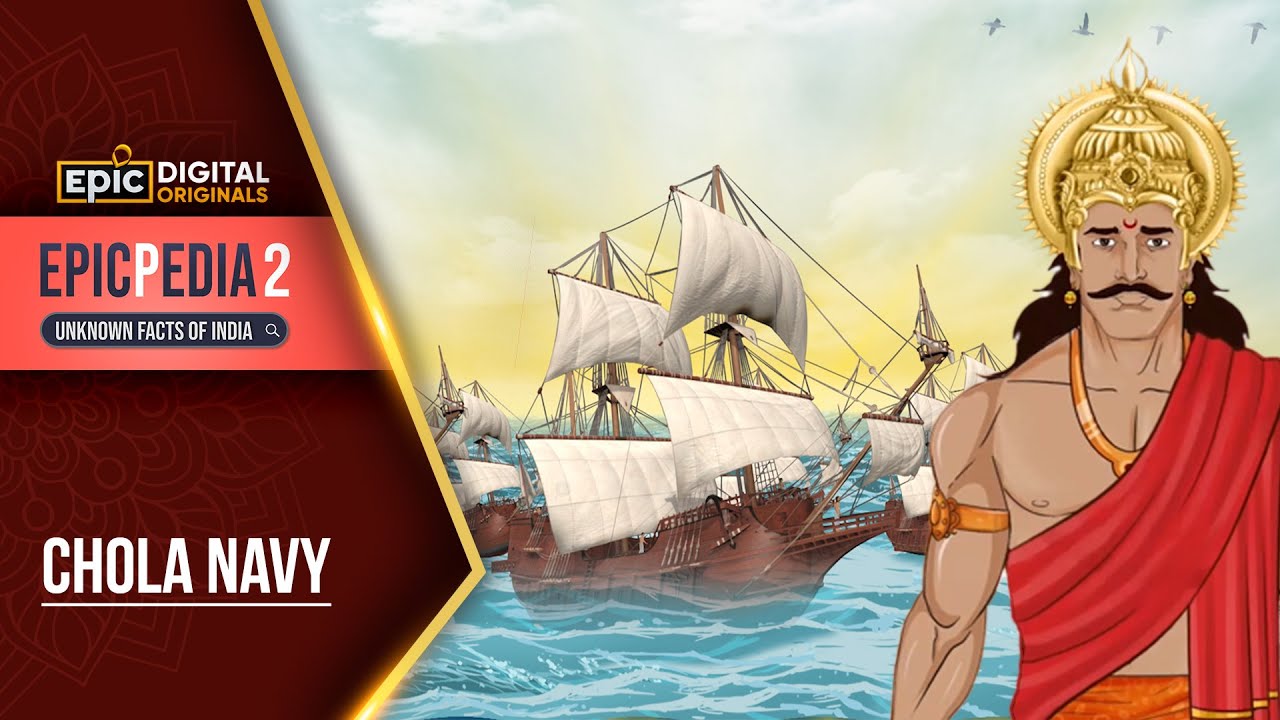
The story of the Chola Empire's decline is a crucial chapter in South Indian history. It is marked by incessant conflicts with the Later Chalukyas and the eventual rise of the Pandyas, culminating in the dynasty's end by 1279 CE. This period is highly significant for students preparing for competitive exams as it details the shift in regional power dynamics and the intricate diplomacy involving the Hoysalas, providing a deep understanding of India's medieval political landscape.
In this chapter, you will understand:
- The underlying causes behind the territorial and economic decline of the imperial Cholas.
- The geo-strategic impact of the continuous conflicts between the Cholas and the Later Chalukyas.
- The interventionist role of the Hoysala dynasty as kingmakers in Tamil politics.
- The eventual resurgence of the Pandyas and the final battles that dissolved the Chola state.
Why this topic matters: This historical narrative reveals how continuous military expenditure, structural internal revolts, and aggressive neighbors can break down a sophisticated, maritime superpower. It provides critical context for dynamic medieval history questions in competitive civil service exams.
Core Idea: The disintegration of the Chola Empire was not an overnight incident but a multi-decade exhaustion process. Extended border wars with the Chalukyas of Kalyani drained the state exchequer. This financial weakness opened doors for internal rebel chieftains and gave the rising Pandyas and Hoysalas tactical opportunities to partition and rule former Chola domains.
The Grand Chola Empire: Rise, Expansion, and Final Collapse (9th to 13th Century)
The Chola dynasty emerged as a formidable maritime power from the fertile Kaveri River valley, establishing a highly sophisticated administrative and military structure before its eventual decline. The foundation for this great empire was laid in the 9th century CE when Vijayalaya Chola seized Tanjavur from the Muttarayas. This event initiated an era of rapid expansion across the Pallava and Pandyan territories. To legitimize their divine right to rule, the Cholas proudly traced their lineage to the mythological Suryavamsha, which is diligently recorded in their legendary Tiruvalangadu and Leiden Copper Plates.
Chola-Chalukya Conflict and the Exhaustion of Regional Superpowers
The core reason for the Chola's weakening was a prolonged, century-long border conflict with the powerful Later Chalukyas, who had inherited the mantle from the ancient Rashtrakutas.
- (i) The empire reached its zenith under Rajaraja I and his son, Rajendra Chola I, who extended their dominion across Sri Lanka, the Deccan, and even the Malay Peninsula, demonstrating unmatched military and naval prowess.
- (ii) Administrative genius was evident in their refined territorial units, converting the local Nadu into larger Valanadu units, integrating local leaders, and ensuring efficient land revenue collection like the Kadamai (land tax).
- (iii) The Cholas constructed architectural marvels, such as the magnificent Brihadishvara Temple at Tanjore, promoting Tamil literature along with Shaivism and Vaishnavism.

Brihadeeshwara Temple, Thanjavur - A Grand Architectural Marvel of the Chola Dynasty The Constant Battles Over Strategic Territories
The Later Chalukyas, whose capital was based at Kalyani, engaged the Cholas in a series of destructive wars to control vital geographical and economic regions that defined South Indian supremacy.
- Overlordship of Vengi (Rayalaseema): A fiercely contested region that served as a crucial buffer zone and gateway between the two empires, shifting its loyalty constantly.
- Control of the Tungabhadra Doab: This highly fertile land situated between the Tungabhadra and neighboring rivers was agriculturally rich and strategically indispensable.
- The Ganga-ruled region in northwest Karnataka: Dominating this area was essential for asserting true administrative authority over the entire Kannada country.
- The Outcome of the Conflicts: Despite relentless warfare, neither the Cholas nor the Later Chalukyas could achieve a decisive, long-lasting victory, ultimately exhausting the military and economic vitality of both kingdoms.
The Later Chola Struggles and the Rise of Hoysala Influence
As the central Chola power waned, the later rulers struggled to manage internal revolts and external threats, paving the way for the Hoysalas to become the new dynamic kingmakers in Tamil politics.

- The collapse of central administrative authority left outer provinces vulnerable to local fragmentation and fluid alliances.
The Weakness of Rajaraja Chola III and Internal Revolt
The reigns of Rajaraja Chola III and his successor, Rajendra Chola III, were characterized by intense political instability and a diminishing central authority.
- The Kadava Challenge: The extent of Chola weakness was laid bare when Kopperunchinga I, a local Kadava chieftain, captured and held Rajaraja Chola III hostage at Sendamangalam.
- Ascension of the Hoysalas: Replacing the declining Chalukyas, the Hoysalas quickly established themselves as the dominant power in the Kannada country, containing threats from the Seunas and Kalachuris.
- Strategic Alliances: Recognizing shared threats, the Hoysalas initially maintained friendly relations with the Cholas, a defensive policy that started under Kulothunga Chola III.
- The Hoysala Divisive Role in Tamil Politics: The Hoysalas adopted an opportunistic strategy, capitalizing on the friction between Cholas and Pandyas to ensure neither neighbor could rise to absolute regional hegemony.
The Hoysala Diplomacy and Overseas Imperial Legacies
The complex intervention of the Hoysalas altered internal state boundaries, while maritime lines preserved old Chola cultural links abroad.
- The political space transformed from a centralized imperial system into a multipolar regional battleground.
Chola Influence and Legacy Beyond India
The Chola empire's expansive reach meant their influence extended far beyond the Indian mainland, creating lasting cultural and trade connections across Southeast Asia.

Chola Kingdom in 1200 AD - Extent and Influence of the Chola Empire 
Chola Influence in Southeast Asia - Expansion, Trade, and Cultural Impact - Maritime Trade Networks: Modern historiography suggests that commercial maritime trade networks, rather than outright colonization, drove Chola influence in the Malay Peninsula.
- The Philippines Connection: Fascinating Cebuano oral legends suggest a branch of the dynasty survived overseas. The Rajahnate of Cebu was reportedly founded by Rajamuda Sri Lumay, an individual of mixed Tamil and Malay heritage.
- Administrative Epigraphy: The empire's sophisticated bureaucracy utilized officials like the Nattar (locality managers), Brahmadeyakkilavars (Brahmana land beneficiaries), and Nagarattars (merchant guilds).
- Shift of Hoysala Allegiance: When Rajendra Chola III attempted a brief military revival, the Hoysala king Vira Someswara quickly switched allegiance to the Pandyas, checking Chola expansion.
Quick Revision Capsule: Factors in the Chola Decline
Review this concise summary matrix mapping the strategic declines, key participants, and historical outcomes:
| Conflict & Factor | Key Historical Players | Core Outcome & Impact |
|---|---|---|
| Chola-Chalukya Wars | Cholas vs. Later Chalukyas | Century-long military exhaustion over the control of Vengi and Tungabhadra. |
| Internal Fragmentation | Rajaraja III & Kopperunchinga I | The Kadava rebellion openly exposed the vulnerability of the central crown. |
| Hoysala Diplomatic Shifts | Vira Someswara & Rajendra III | Prevented Chola revival by balancing power dynamically between Tanjore and Madurai. |
| Pandyan Resurgence | Jatavarman Sundara Pandyan | Decisive military conquest at Kannanur Kuppam, liquidating Chola territory. |
| Naval and Cavalry Decline | Kudiraiccevagar & Navy Units | Loss of overseas revenue control and failure to defend regional borders by 1279 CE. |
Summary
The collapse of the Chola Empire marks the conclusion of an era of unprecedented naval expansion, democratic local assemblies, and monumental architecture in South India. Driven into a state of structural economic collapse by the endless wars against the Later Chalukyas, the central administration slowly split. The opportunistic interventions of the Hoysalas temporarily delayed the end, but the fast-rising military power of the Pandyas delivered the final blow. By 1279 CE, with the defeat of Rajendra Chola III, the imperial boundaries disappeared, leaving behind an artistic, administrative, and economic legacy that continues to define South Asian historiography.
Key High-Yield Revision Points for Students
Focus closely on these chronological milestones and administrative terms during your revision sessions:
- (i) 9th Century CE:Vijayalaya Chola captures Thanjavur from the Muttarayas, initiating the Imperial Chola era.
- (ii) Battle of Koppam (1054 CE): Showcases the high stakes of the Chola-Chalukya rivalry where Rajadhiraja I lost his life on the battlefield.
- (iii) Administrative Units: Remember the hierarchy of governance from peasant villages (ur) to localities (nadu) up to the larger districts (valanadu).
- (iv) 1279 CE: The final political termination of Chola authority following the ultimate triumphs of the Second Pandyan Empire.
- Exam Tip: Pay special attention to the roles of institutional officials like the Nattar and Nagarattars. Questions on medieval Indian history frequently focus on these land revenue systems and village-level democratic institutions recorded in the copper inscriptions.
Frequently Asked Questions (FAQ)
Q1: Who was the last effective ruler of the Chola Dynasty, and when did it end?
A1: The last Chola monarch was Rajendra Chola III. The dynasty officially ended around 1279 CE due to decisive conquests by the resurgent Pandyan kingdom.Q2: What role did the Hoysala dynasty play in the decline of the Cholas?
A2: The Hoysalas acted as complex political kingmakers. They initially protected the weakened Cholas from rebel chieftains, but later switched allegiances to the Pandyas to preserve a fractured, multipolar balance of power.Q3: What geographic regions caused the most military friction between Cholas and Chalukyas?
A3: The conflict centered on controlling the rich agricultural Tungabhadra Doab, the strategic buffer kingdom of Vengi, and the northwestern parts of the Kannada country.