The Chola Empire stands as one of the most brilliant epochs in South Indian history, characterized not just by military conquests but by a deeply complex social structure and an incredibly advanced economic system. Chola society successfully balanced a highly stratified, rigid caste hierarchy with dynamic, fluid commercial systems that extended across international waters. At the center of this civilization lay the temple economy, unique administrative networks, and massive agricultural expansions that transformed the rural landscape. Understanding the daily life, social customs, and trading networks of the Cholas provides vital context on how this medieval superpower sustained its golden age for centuries, leaving behind an indelible mark on Indian culture, maritime commerce, and socio-religious organization.
In this chapter, you will understand:
- The unique dual division of the Chola caste structure into Valangai and Idangai groups.
- The evolving socio-religious status of women, including the emergence of the Devadasi system and Sati.
- The pivotal role of temples as grand economic hubs controlling land, labor, and industrial patronage.
- The operations of powerful merchant guilds and international maritime trade links with China and Arabia.
Why this topic matters: This subject is foundational for understanding the socio-economic transformations of medieval South India. It highlights how religious institutions actively drove agrarian growth and international trade, making it a critical area for historical analysis, academic examinations, and study of early global maritime commerce.
Core Idea: The Chola Empire was anchored by a highly structured caste framework that granted immense privileges to the elite, yet thrived on extensive community cooperation. Economic vitality was powered by massive irrigation-backed agriculture, elite craft industries like bronze casting, and global maritime merchant guilds. Central to this entire ecosystem was the local temple, which functioned simultaneously as a spiritual anchor, a large-scale employer, and a financial engine.
Society and Economic Life: Structure and Foundational Pillars
The daily life and economic survival of the Chola populace relied heavily on a rigid caste structure operating alongside a highly vibrant economy. This complex system thrived on successful agricultural expansion, expansive overseas trade networks, and a unique, deep-rooted temple economy that brought stability to town and country alike.
The Chola Caste System and Social Stratification: Rigid Divisions and Cooperation
Social alignment under Chola rule was strictly defined, ensuring special privileges remained exclusive to the elite Brahmins and Kshatriyas. Interestingly, state inscriptions show that day-to-day social, land, and occupational interactions were governed by two overarching divisions rather than a simple four-fold system.
- (i) The two major social divisions recorded in Chola inscriptions were the Valangai (Right-hand caste) and the Idangai (Left-hand caste), which grouped together various occupational and territorial factions.
- (ii) Despite these deep and strict caste divisions, common citizens demonstrated significant cooperation in social and religious activities, pulling together resource clusters for local celebrations.
The Power Base of the Brahmin Elite
The Brahmins held a dominant, multi-faceted position in the social order. They were largely exempt from land taxation and wielded vast religious and economic influence, which cemented their placement at the top of the social hierarchy.
- The local temple served as the primary space where different castes interacted, balanced out conflicts, and collectively managed public resources.
Status of Women and Emerging Social Customs
An objective review of historical records suggests that the general status of women during the Chola period remained low, with limited independence. Furthermore, specific social structures and institutional practices, particularly within elite and royal circles, emphasize the structural challenges women faced during this era.

- The Practice of Sati: The custom of 'Sati', or widow self-immolation on the husband's funeral pyre, was unfortunately practiced. This custom was particularly visible within royal families, demonstrating its presence among the highest levels of the ruling elite.
The Emergence of the Devadasi System
The Chola era witnessed the institutionalization of the Devadasi system, which quickly transformed into a major socio-religious institution across South India.
- Under this system, women were dedicated to the temples as specialized temple dancers and permanent servants of the residing deity.
- While these women often attained high proficiency in the fine arts, their lives were completely tied to the economic and ritual requirements of the temple establishment.
Religion and Economic Transformation: The Temple Hub
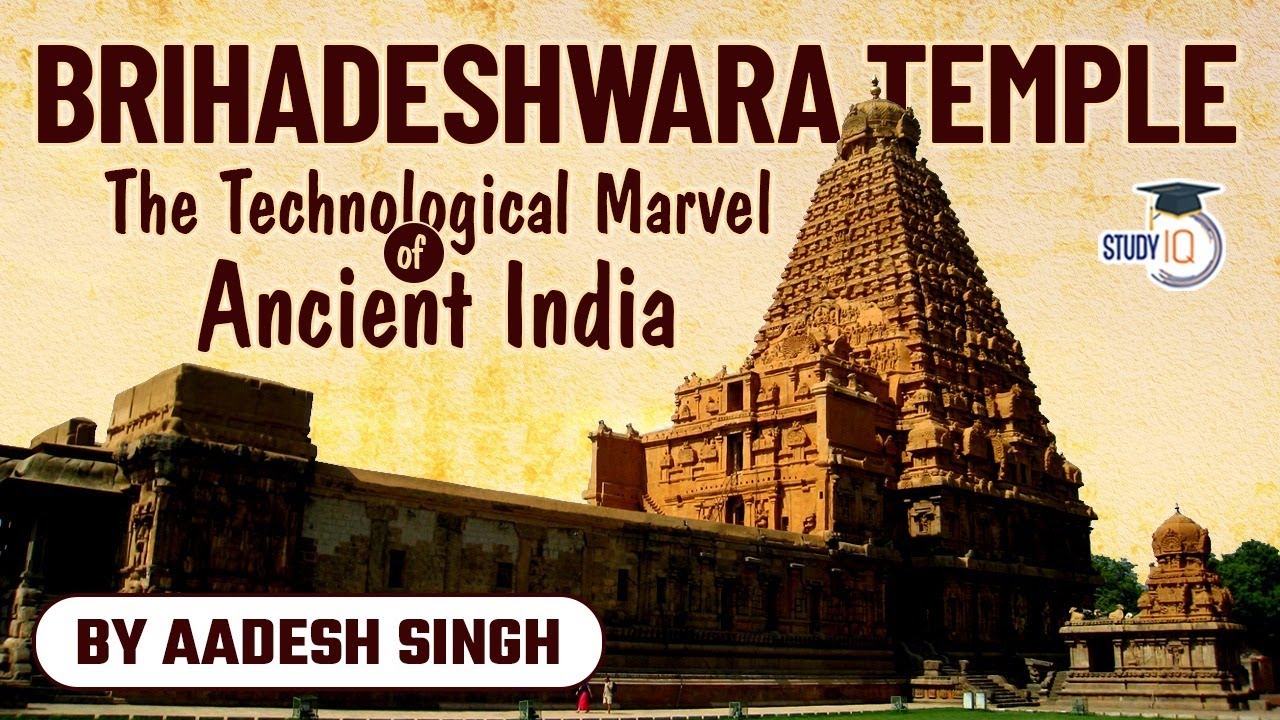
The Chola monarchs were deeply religious and actively patronized both Saivism and Vaishnavism. Under their royal care, magnificent stone temples evolved far beyond mere houses of worship, transforming into vibrant economic hubs and major educational centers that drove regional prosperity.
- Temples as Financial Centers: Chola temples functioned as powerful economic engines, managing massive land grants (Devadana), extending rural credit, and employing thousands of laborers, craftsmen, and administrators. At the same time, monastic institutions known as mathas emerged to exert considerable religious and social influence.
Agrarian Expansion and Industrial Craftsmanship
The economic success of the empire was built upon a booming agricultural foundation and highly specialized urban manufacturing clusters.
Strategic state-led irrigation systems and exceptional bronze-casting industries formed the dual pillars of Chola economic wealth. - Strategic Irrigation:Agriculture prospered because of aggressive state-backed forest reclamation and the building of extensive irrigation networks, showcasing the high quality of Chola administrative planning.
- Textile Production: Industrial activities grew rapidly; the city of Kanchi became a globally renowned production center for premium silk weaving.
- Metalworking and Idol Casting:Metalwork thrived due to constant, immense demand for delicate, high-quality temple idols—especially masterpieces in bronze—alongside premium domestic utensils.
Quick Revision Capsule
A structured breakdown of key socio-economic elements, institutional mechanisms, and core targets of the Chola Empire:
| Social/Economic Unit | Strategy & Core Mechanism | Primary Target & Objective |
|---|---|---|
| Valangai & Idangai | Dual division of right-hand and left-hand occupational caste factions | Organizing labor, territorial claims, and local social cooperation |
| Brahmin Elite | Tax-free land allocations and supreme religious authority | Consolidating spiritual power and managing temple-centric wealth |
| Chola Temples | Functioning as central economic corporations and large employers | Driving local industries, distributing credit, and storing wealth |
| Peruvazhis | Constructing and maintaining wide, strategic royal trunk roads | Boosting internal commerce and easing fast military movements |
| Merchant Guilds | Forming autonomous, armed transnational trading cartels | Dominating global luxury trade with China, Southeast Asia, and Arabia |
Summary
The internal strength of the Chola Empire depended on a carefully balanced mix of social discipline and commercial innovation. While social stratification remained undeniably rigid and strictly enforced for lower groups, the wider population maintained practical, daily cooperation through local temple assemblies. Economic success was secured by combining domestic agrarian developments—such as forest clearance and canal systems—with high-value artistic exports. Supported by excellent infrastructure, trusted metallic currencies, and sophisticated merchant guilds, the Cholas successfully turned the Bay of Bengal into an active trade highway, cementing their legacy as an economic powerhouse of the medieval world.
Quick Revision Points & Core Structural Rules
Key historical takeaways for students to remember for examinations:
- (i) The Chola caste system focused on the Valangai and Idangai divisions rather than just the standard four-fold system.
- (ii) Brahmins held tax-free land status and absolute administrative superiority across rural communities.
- (iii) Temples were not simple holy shrines; they operated as large-scale economic hubs managing land and manufacturing.
- (iv) International commerce was managed by high-powered merchant guilds using a reliable system of gold, silver, and copper coins.
- Exam Tip: Pay close attention to the economic functions of Chola temples and the names of the merchant guilds. Examiners frequently ask how temples drove agriculture and trade, rather than just asking about their architectural features. Make sure to highlight terms like Peruvazhis and the bronze idol industries.
Frequently Asked Questions (FAQ)
Q1: What were the Valangai and Idangai divisions in Chola society?
A1: They were the "Right-hand" and "Left-hand" social divisions recorded in Chola inscriptions. These groups brought together various occupational, craft, and land-holding communities to manage local social duties and territorial rights, working alongside the traditional caste structure.Q2: How did Chola temples function as economic hubs?
A2: Chola temples managed large tracts of tax-free land, employed hundreds of workers (such as musicians, dancers, accountants, and manual laborers), advanced loans to rural assemblies, and acted as major consumers for luxury industrial goods like Kanchi silk and custom bronze sculptures.Q3: What role did currency and trade routes play in Chola maritime dominance?
A3: Internal trade was accelerated by wide royal trunk roads called Peruvazhis. To handle heavy overseas trade with China, Sumatra, and Arabia, the Cholas used a multi-metal currency system featuring gold, silver, and copper coins, which allowed them to easily import vital items like Arabian warhorses.