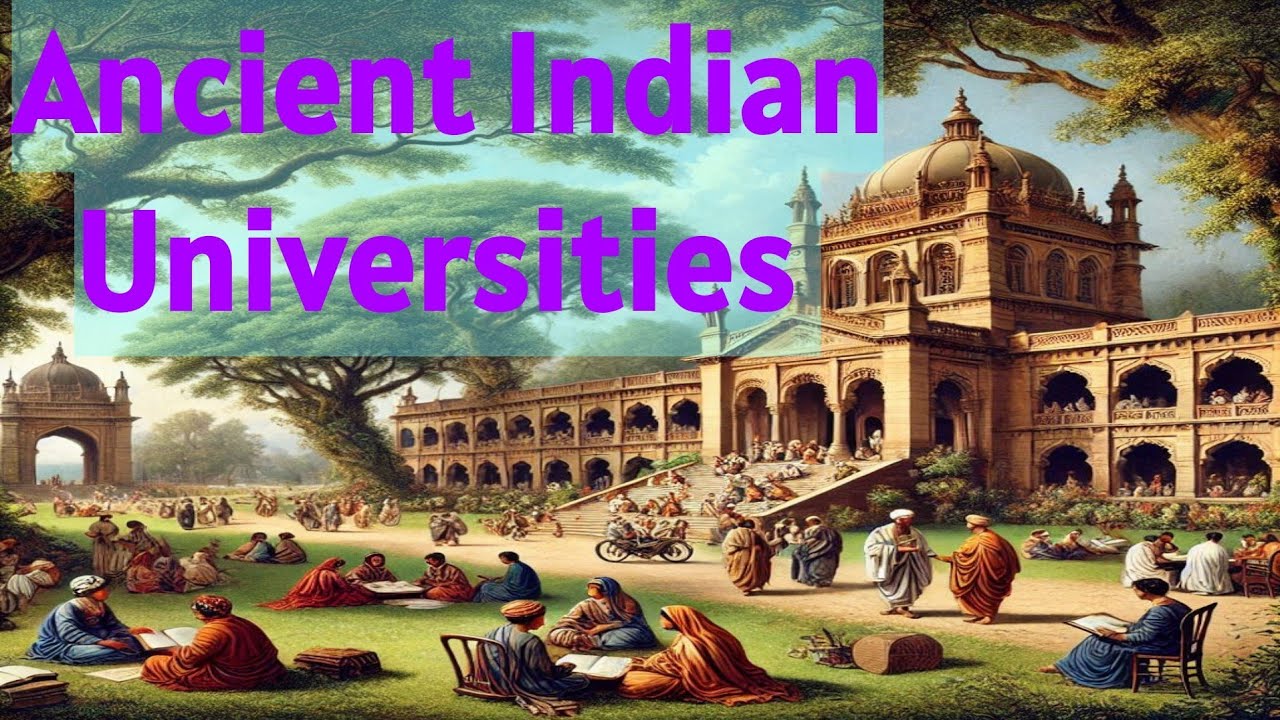
The ancient Indian subcontinent was a thriving cradle of global scholarship, where monumental centers for education flourished while deeply interwoven with diverse philosophical and religious traditions. Institutions like Nalanda Mahavihara, Vikramshila University, and Takshashila served as global hubs for Buddhist studies, philosophy, medicine, and science from onwards. These majestic monastic universities acted as vast reservoirs of knowledge, drawing scholars from across Asia and leaving an indelible impact on ancient urban planning, pedagogy, and regional thought systems.
In this chapter, you will understand:
- The architectural structure and academic scope of Nalanda Mahavihara.
- The historical role of Takshashila as an early center for practical disciplines.
- The key monastic centers established during the Pala Dynasty rule.
- The specialized focus of regional universities like Mithila and Valabhi.
Why this topic matters: Understanding these ancient institutions offers crucial insight into the roots of higher education, cross-border cultural exchanges, and key historical trends that regularly feature in academic examinations.
Core Idea: Ancient India pioneered residential university systems through monastic complexes (Mahaviharas), sustained by royal patronage and focused on rigorous multi-disciplinary scholarship spanning logic, science, medicine, and spiritual philosophy.
Ancient Indian Centers of Learning: A Rich Educational Heritage for Students and Scholars
The education system of the subcontinent featured massive monastic learning networks that maintained high academic standards. Royal dynasties helped build and preserve these campuses, ensuring that scholars could focus purely on research and teaching.
Nalanda Mahavihara: The Unrivaled Beacon of Buddhist and Global Scholarship
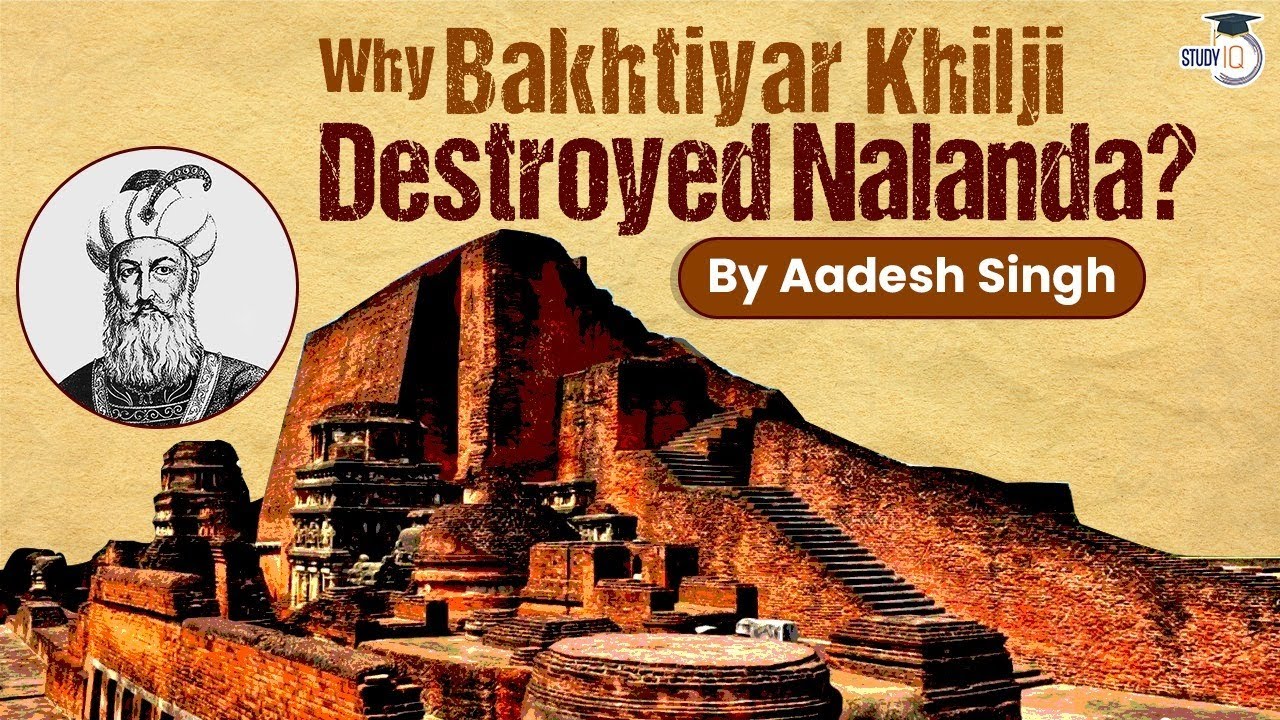
Established during the reign of the Gupta Empire, Nalanda University stands out as a prime example of ancient India's academic strength. It functioned as a vast residential university that welcomed international scholars.
- (i) Monastic Foundations: The initial foundation is historically attributed to Emperor Kumaragupta I during the , with expansive additions made by later rulers across centuries.
-
(ii)
Nalanda's Construction and Architectural Mastery
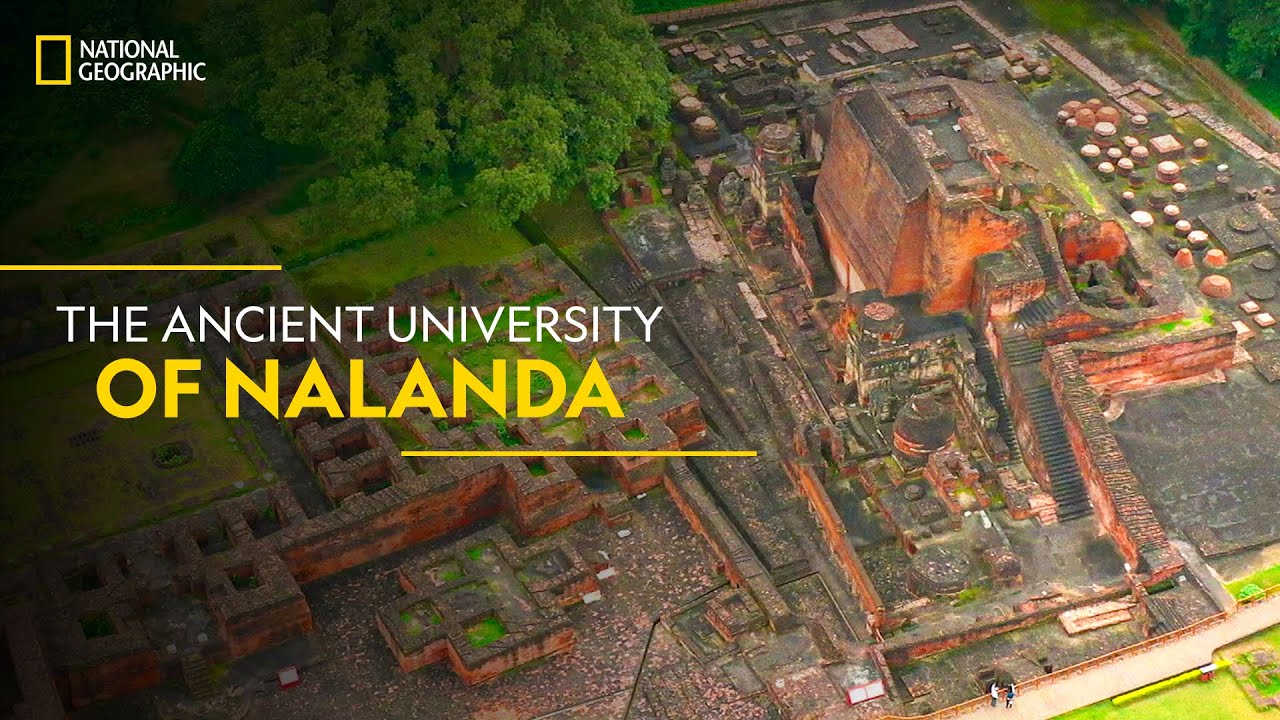
Located in the Nalanda district of present-day Bihar, India, the complex featured brick-built temples, large stupas, residential dormitories, and multi-story lecture halls designed to foster quiet study and reflection.
- (a) The layout integrated individual monk cells with central instructional spaces, establishing an organized residential campus model.
- (b) Royal land grants provided self-sustaining revenue, covering daily sustenance, books, and living arrangements for thousands of resident scholars.
- (c) Strict entrance examinations were conducted at the main gates by senior scholars, ensuring that only highly prepared applicants gained admission.
- (d) The residential format enabled continuous intellectual debates between junior scholars and senior professors throughout the day.
Global Significance, Curriculum, and Eminent Personalities
From the until its downfall around , Nalanda provided deep instruction across both religious studies and empirical sciences.

- The curriculum ranged from Buddhist philosophy to logic, astronomy, Sanskrit grammar, and medicine.
Takshashila (Taxila): One of the World's Oldest Universities and a Center for Diverse Disciplines
Predating many ancient institutions, Takshashila held a prominent place as an educational center that focused heavily on practical crafts, statecraft, and medicine.
- International Magnet: Students traveled long distances from China, Korea, Japan, Tibet, Mongolia, Sri Lanka, and Southeast Asia to learn at these sites. Chinese pilgrim Xuanzang recorded valuable observations during his stay.
- Hall of Fame: Teachers like Aryadeva and Xuanzang guided academic life, while students such as Dharmapala and Shilabhadra advanced philosophical traditions across Asia.
- The Grand Library (Dharma Gunj): The central library, known as Dharma Gunj (Mountain of Truth), stored thousands of handwritten texts, safeguarding vast stores of regional knowledge.
- Practical Expertise: Specialized tracks offered hands-on training in military science, administration, law, and surgical methods.
Historical Period, Location, and Institutional Development
Takshashila maintained a long history of intellectual leadership spanning from the to the .
- Situated in present-day Pakistan, northwest of Islamabad, the site functioned as an active cultural bridge connecting South Asia with Central Asia.
Specialized Curriculum and Illustrious Scholars
The academic structure relied on individual master teachers who guided student groups in specialized subjects.
Geographical distribution of primary educational centers across the ancient subcontinent. - Core Disciplines: Recognized for advanced studies in grammar linked to Pāṇini, alongside medicine, law, and military tactics.
- Master Teachers: Influential figures included the master grammarian Pāṇini as well as Buddhist scholars like Vasubandhu and Kumāralāta.
- Distinguished Alumni: Famous figures who trained here include King Pasenadi of Kosala, the physician Charaka, and Jivaka, doctor to the Buddha.
- Curriculum Flexibility: Teachers maintained autonomy over their course material, adapting lessons to fit the capacity of their students.
Ancient Learning Centers Comparison
A quick comparison of key educational hubs across the ancient subcontinent:
| University Name | Primary Region / Location | Key Focus Disciplines |
|---|---|---|
| Nalanda | Bihar, India | Buddhist Philosophy, Logic, Astronomy, Medicine |
| Takshashila | Rawalpindi, Pakistan | Statecraft, Medicine, Sanskrit Grammar, Military Science |
| Vikramshila | Bhagalpur, Bihar | Tantric Buddhism, Logic, Metaphysics |
| Sompura | Naogaon, Bangladesh | Multi-faith Studies (Buddhism, Hinduism, Jainism) |
| Valabhi | Gujarat, India | Hinayana Buddhism, Economics, Law, Administration |
Summary
The ancient centers of learning in the Indian subcontinent represented a high point in global educational history. Institutions like Nalanda, Takshashila, Vikramshila, Sompura, Oddantapura, Mithila, and Valabhi provided systematic higher education that drew students from across the continent. Supported by royal patronage, these universities fostered multi-disciplinary research, preserved invaluable manuscripts, and established cross-cultural connections that influenced surrounding regions for centuries.
Quick Revision Points
Core takeaways to keep in mind:
- (i) Nalanda was founded under Emperor Kumaragupta I in the in modern-day Bihar.
- (ii) Takshashila was located in modern-day Pakistan and specialized in practical fields like medicine, statecraft, and grammar.
- (iii) The Pala Dynasty established key universities including Vikramshila, Sompura, and Oddantapura.
- (iv) Valabhi in Gujarat was a prominent center for Hinayana Buddhist studies and administration.
- Exam Tip: Remember the specific royal patrons for each university: Nalanda is linked with the Guptas (Kumaragupta I), while Vikramshila, Sompura, and Oddantapura were established by Pala rulers (Dharmapala and Gopala).
Frequently Asked Questions (FAQ)
Q1: Who founded Nalanda University and where was it located?
A1: Nalanda University was founded in the under the patronage of Emperor Kumaragupta I of the Gupta Dynasty. It was located in the Nalanda district of present-day Bihar, India.Q2: What made Takshashila different from other ancient Indian universities?
A2: Takshashila focused heavily on practical and professional training, including medicine, military tactics, law, and statecraft. Rather than following a single central syllabus, teaching was led by autonomous master scholars.Q3: Which universities were established under the Pala Dynasty?
A3: The Pala Dynasty established several major centers, including Vikramshila (founded by Dharmapala), Sompura (in modern Bangladesh), and Oddantapura (founded by Gopala).