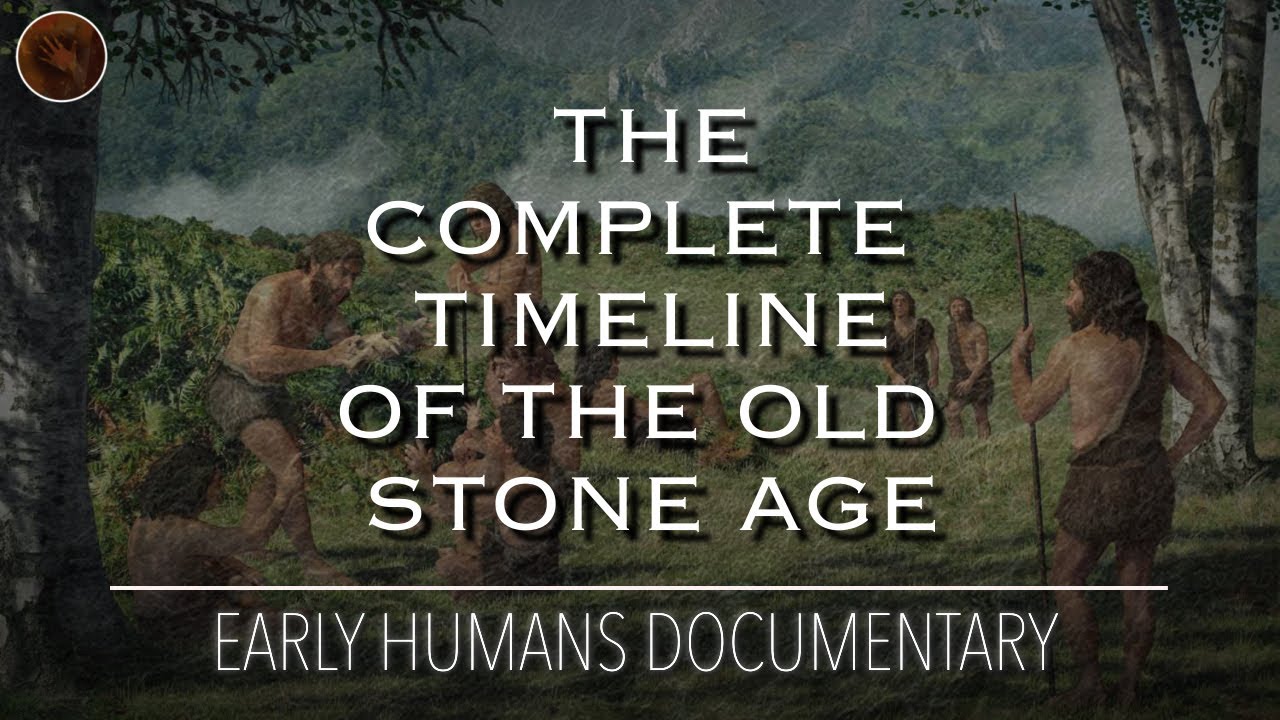
The Middle Paleolithic period marks a turning point in prehistoric human history. During this era, early human populations shifted away from heavy, bulky core tools to smaller, more precise flake tools. In India, this technological transition changed how humans hunted, gathered, and processed raw materials. River valleys provided essential water and stone resources, allowing prehistoric communities to thrive across diverse geography, from the northern plains down to the peninsular river basins. Studying these early toolkits helps us trace human cognitive growth, resource adaptation, and regional culture building during the Pleistocene epoch.
In this chapter, you will understand:
- The transition from heavy core tools to flake-based technology
- The characteristics of Nevisian and Levalloisian traditions in India
- Specialized tool types like scrapers, borers, and points
- Key prehistoric sites across major Indian river valleys
Why this topic matters: It reveals how early humans adapted their toolmaking to survive changing environments, forming an important link between early stone tool traditions and advanced prehistoric industries.
Core Idea: The Middle Paleolithic era in India replaced heavy core handaxes with smaller, specialized flake tools. Known locally as the Nevisian tradition, this culture used controlled stone flaking to create efficient tools for hunting, skinning, and woodcraft across key river valleys.
Middle Paleolithic Culture: Tools, Sites, and Transition to Flake-Based Technology
The Middle Paleolithic stage brought a major change in tool manufacturing. Early humans began crafting smaller, lighter, and sharper implements derived directly from stone flakes rather than heavy rock cores.
Introduction to Middle Paleolithic Culture: The Flake Industry
The Middle Paleolithic represents a pivotal transitional phase, moving away from the heavy core tools of the earlier stage. During this time, tools became distinctly smaller, thinner, and lighter, with a deliberate change in the preferred raw materials. This culture is often paralleled with the Mousterian Culture of Europe, where Neanderthal presence is well-documented. In India, the culture is sometimes called the Nevisian Culture, named after a critical discovery.
The Nevisian and Levalloisian Traditions in India
The recognition of this period in India was formalized by H.D. Sankalia in , who identified a distinctive Flake Industry at Nevasa, featuring tools like scrapers, points, and borers—hence the name Nevisian Culture. Another parallel tool-making tradition, the Levalloisian Culture (known for its distinctive tortoise-shaped core preparation), also influenced the technology of this era, characterized by producing flakes of a predetermined shape and size.
- (i) Timeframe: Generally dated between and , showing a long period of refinement.
- (ii) Technological Focus: Emphasis on manufacturing tools from flakes carefully struck from a stone core, a more advanced and economical method.
Tools of Middle Paleolithic Culture: Specialization and Variety
Prehistoric craftspeople adapted their techniques to make tools aimed at specific daily jobs, such as processing animal hides, shaping wood, and hunting game.

Tool Variety and Material Innovation
The tool kit of the Middle Paleolithic people, categorized as Mousterian, demonstrated a clear step towards specialization. These tools were predominantly lighter and designed for specific tasks. Besides stone, the inhabitants also began to utilize materials like bones, horns, and wood more prevalently, as evidenced by sharpened wooden sticks (possibly fire-hardened spears) used for hunting large animals.
Flake Tools and Their Specialized Functions
The Middle Paleolithic industries were fundamentally characterized by smaller, lighter implements crafted from flakes. These flakes were often pre-shaped before being struck, indicating significant technological foresight. The main tools included:
- (a) Scrapers: Used extensively for cleaning and processing animal hides and wood.
- (b) Borers: Sharp points for drilling holes in materials like wood or bone.
- (c) Knives, Blades, and Burins: These were multi-purpose tools for tasks such as butchering, cutting, and engraving.
In certain regions, especially where hard rock like quartzite was still the primary raw material, elements of the Lower Paleolithic tradition continued to blend into this new phase, illustrating a diverse regional landscape of tool use.
Major Sites of Middle Paleolithic Culture in India
Evidence of Middle Paleolithic occupation spreads across major river systems and rock shelters throughout the Indian subcontinent.
Geographical Distribution of Prehistoric Settlements
The Middle Paleolithic culture flourished across diverse geographic areas of the subcontinent, often centered around major river valleys, which offered abundant resources.
Prominent Middle Paleolithic Sites and Their Geographical Spread
Important sites yielding characteristic Middle Paleolithic artifacts include the famousBhimbetka rock shelters, where the older Acheulian tradition was noticeably replaced by the new flake culture:
Geographical distribution of major Middle Paleolithic flake industry sites in India - (i) River Valleys: Artifacts are prominently found along the Soan Valley, Narmada River, and Tungabhadra River (south of which many sites are located).
- (ii) Regional Clusters: Sites along the Wagon and Kalamali Rivers in Mewar and Bhandarpur (Orsang Valley) show strong evidence of this phase.
- (iii) Rohri Hills: The most striking collection of Middle Paleolithic sites in the entire subcontinent is located at the Rohri Hills in Upper Sind (now Pakistan).
Quick Revision Capsule: Middle Paleolithic Phase
A quick comparison of key aspects defining the Middle Paleolithic culture in India:
| Aspect | Key Characteristic | Historical Significance |
|---|---|---|
| Primary Technology | Flake-based tools (Nevisian Tradition) | Replaced heavy core handaxes with lighter, sharper implements |
| Time Period | to | Covers the middle stage of Pleistocene stone technology evolution |
| Key Tool Types | Scrapers, borers, points, blades, and burins | Allowed specialized activities like hide scraping and bone working |
| Raw Materials | Fine-grained stones, plus bone, horn, and wood | Demonstrates expanding use of varied organic and inorganic materials |
| Major Sites | Nevasa, Bhimbetka, Rohri Hills, and Narmada Valley | Shows widespread human occupation near major freshwater sources |
Summary
The Middle Paleolithic period in India brought a major step forward in human ingenuity. By shifting from heavy core choppers to fine flake tools, early humans developed lighter and more efficient toolkits. Known regionally as the Nevisian culture and influenced by Levalloisian flaking methods, this era relied on specialized instruments like scrapers and borers. Settling along key river valleys such as the Narmada, Soan, and Tungabhadra, these early populations adapted successfully to their environments, setting the stage for later Stone Age technological advancements.
Quick Revision Notes
Essential checkpoints for quick study and exams:
- (i) The Middle Paleolithic in India is widely known as the Nevisian Culture, named after discovery at Nevasa by H.D. Sankalia in
- (ii) Core tools were replaced by flake tools produced using controlled stone flaking, including Levalloisian methods.
- (iii) Main tool types included scrapers, borers, points, and knives made from fine stone as well as bone and wood.
- (iv) Prime sites include Bhimbetka rock shelters, Soan Valley, Narmada Basin, Tungabhadra Basin, and the Rohri Hills.
- Exam Tip: Remember that H.D. Sankalia identified the Nevisian culture at Nevasa in 1956. On exams, highlight the transition from core handaxes to specialized flake tools (scrapers and borers) when describing Middle Paleolithic technology.
Frequently Asked Questions (FAQ)
Q1: What defines the Middle Paleolithic culture in India?
A1: It is defined by a shift from heavy core handaxes to lighter, smaller flake tools made through controlled stone flaking methods.Q2: Why is this period called the Nevisian Culture in India?
A2: It was named after the site of Nevasa in Maharashtra, where archaeologist H.D. Sankalia first formally identified this distinct flake industry inQ3: What were the primary tools used during the Middle Paleolithic?
A3: Key tools included scrapers for cleaning hides, borers for drilling holes, and blades or points used for cutting and hunting.