The Mesolithic Age in India, often called the Late Stone Age or Middle Stone Age, represents a pivotal transitional phase in prehistoric human history. It bridges the wide gap between the nomadic Paleolithic hunters and the settled agriculturalists of the Neolithic era. Spanning approximately from 8000 B.C. to 4000 B.C., this period is scientifically defined by the ubiquitous appearance of sophisticated, composite microlithic tools and the initial, tentative steps toward community living and eventual domestication and agriculture. This critical stage of cultural and technological shift is highly significant for students preparing for comprehensive examinations focused on the evolution of prehistoric Indian societies.
In this chapter, you will understand:
- The structural logic of prehistoric adaptation and cultural corridors.
- Chronological timelines and socio-economic shifts from food gathering to early food production.
- Key cultural, technological, and geographical footprints of microlithic tools.
- The stratigraphic significance of sites like the Bélan Valley in Indian prehistory.
Why this topic matters: Mastering the Mesolithic Age allows students to accurately trace the direct evolutionary lineage from nomadic hunter-gatherers to settled farming societies, a core element of ancient Indian history exams.
Core Idea: The Mesolithic period was defined by human adaptation to a warming post-Ice Age climate. By shifting from massive stone implements to delicate, versatile microliths, communities established the semi-permanent settlements that laid the essential groundwork for agriculture and animal domestication.
The Structural Logic of Prehistoric Adaptation and Cultural Corridors
The Mesolithic Age served as the indispensable cultural and technological corridor connecting the highly nomadic hunter-gatherer lifestyle of the Paleolithic to the sedentary farming life of the Neolithic period. This era witnessed the fundamental introduction of refined survival strategies, prominently featuring diminutive yet highly effective microlithic tools—a necessary adaptation to post-Ice Age climate changes—and the establishment of the very first semi-permanent human settlements across the subcontinent.
Chronology and Socio-Economic Transition (Domestication and Agriculture)
The technical transition from simple food gathering to early food production is mapped explicitly across this era, showing how material conditions forced human groups into small-scale ecological modifications.
- The era strategically spanned a period roughly from 8000 B.C. to 4000 B.C. across various regions of the Indian subcontinent, marking a clear chronological distinction.
Overview of the Mesolithic Age: Adaptation and Technology
It is archaeologically characterized by the widespread use of geometric and non-geometric microlithic stone tools, which facilitated more efficient hunting, processing, and a continued reliance on food gathering activities.
- Crucially, this age documented a gradual, yet profound, socio-economic transition, showcasing the initial tentative steps toward rudimentary animal domestication and settled agriculture that would define the subsequent period.
Key Cultural and Technological Characteristics of the Mesolithic Age
A meticulous study of the archaeological remnants from this pivotal time clearly underscores the technological ingenuity and concurrent cultural advancements achieved by the early Mesolithic inhabitants of India.
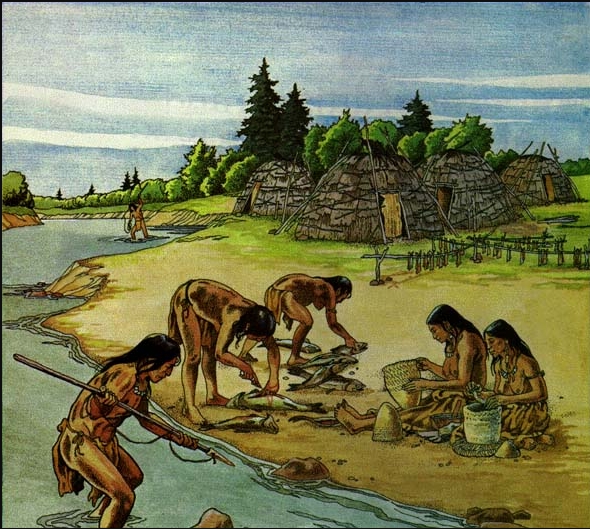
- Under the changing environmental landscapes, early humans turned toward miniature technology to optimize resource extraction from their immediate surroundings.
Tool Innovation (Microlithic Tools) and Geographical Footprint
The most defining hallmark of this period was the transition to highly efficient, miniature stone tool implements tailored for a changing ecosystem.
- Temporal Span: The age’s estimated duration, from 8000 B.C. to 4000 B.C., provides a crucial timeline for understanding the pace of prehistoric development in India.
- Tool Innovation: The most defining feature was the invention and mass production of microlithic tools (tiny blades, lunates, triangles), which were often hafted onto bone or wood to create complex, composite tools vital for enhanced hunting, fishing, and gathering.
- Geographical Footprint: Archaeological findings are extensively spread, with major concentrations found in the plateau region of Chotanagpur, various sites across central India (like Adamgarh), and regions extending significantly beyond the Krishna River in the South.
- Cultural Precedence & Continuous Sequence: All known Mesolithic sites chronologically precede the development of the farming-oriented Neolithic culture. The well-excavated Bélan Valley region, situated within the Vindhya ranges, provides a rare and complete stratigraphic sequence, demonstrating a clear, unbroken developmental line tracing from the older Paleolithic through the Mesolithic and into the nascent Neolithic period.
Phases and Chronology of the Mesolithic Age: Evolution in Tool and Settlement Styles
The Mesolithic Age is not a monolithic period but is strategically categorized into distinct phases, which are primarily differentiated based on the progressive evolution observed in stone tool typology, the sophistication of cultural artifacts, and noticeable shifts in human settlement patterns.
- The progression through each Mesolithic phase organically reflected the deep-seated capacity of humans for innovative adaptation to the dynamically shifting environmental conditions and the simultaneous growth and complexity of their early community structures.
Phase Identification, Climatic Adaptation, and Community Practices
The stratigraphy of modern excavations allows historians to draw meaningful conclusions about the social fabric, diet profiles, and community activities of these populations.
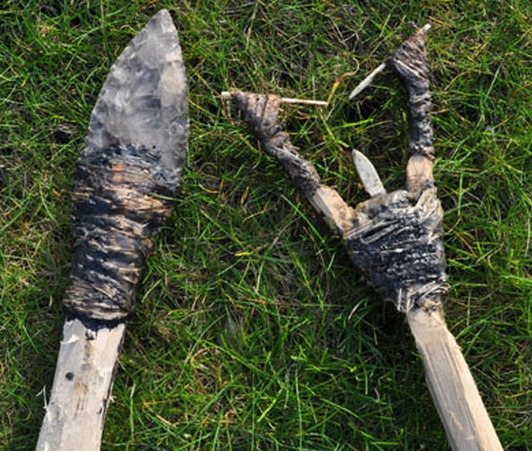
Illustrative examples of microlithic tools from the Mesolithic Era, showcasing sophisticated hunting and processing technology. - Phase Identification: Distinct Mesolithic phases are primarily identified and dated through subtle but recognizable changes in tool technology, such as the introduction of new core reduction techniques, alongside modifications in settlement styles and size.
- Climatic Adaptation: The archaeological record clearly showcases how prehistoric humans efficiently adapted their material culture and subsistence methods in response to the massive post-Pleistocene climate change (the end of the Ice Age) and the consequent shifts in the availability of flora and fauna, dictating new food habits.
- Social Insights: The findings from this age, including burials and habitation floors, provide invaluable insights into the nascent structures of early community practices, the organization of hunting groups, and the innovative survival strategies employed by these transitional societies.
Quick Revision Capsule: The Indian Mesolithic Age
A structural summary of the crucial regional, chronological, and technological milestones of the period:
| Core Parameter | Historical Reality & Data Variables | Target Objective & Significance |
|---|---|---|
| Temporal Range | Approximately 8000 B.C. to 4000 B.C. | Bridges the evolutionary gap between the Paleolithic and Neolithic periods. |
| Technological Hallmark | Sophisticated, composite microlithic tools (blades, triangles, lunates) | Hafted onto bone or wood handles to maximize hunting and foraging efficiency. |
| Key Geographic Sites | Chotanagpur plateau, Adamgarh (Central India), and south of the Krishna River | Marks the extensive regional dispersal of semi-settled human communities. |
| Stratigraphic Benchmarks | The well-excavated Bélan Valley within the Vindhya ranges | Provides an unbroken, continuous archaeological layer from Paleolithic to Neolithic. |
| Socio-Economic Shift | Initial steps toward animal domestication and rudimentary agriculture | Lays the foundational groundwork for the fully settled farming economies that followed. |
Summary
The Mesolithic Age stands as a definitive bridge in the story of human evolution on the Indian subcontinent. By shifting away from massive stone implements toward delicate, highly versatile microliths, prehistoric communities developed the tools necessary to adapt to a changing post-glacial climate. This technological efficiency, coupled with the early signs of semi-permanent housing and animal containment, set the stage directly for the farming revolution that followed. Understanding this era ensures students can conceptualize history not as sudden leaps, but as a systematic, logic-driven journey of human survival and innovation.
Quick Revision Points for Students
Reviewing the core empirical and regulatory facts ensures full retention for examinations.
- (i) The Mesolithic Age in India flourished roughly between 8000 B.C. and 4000 B.C., serving as the link between the Paleolithic and Neolithic eras.
- (ii) Its definitive archaeological hallmark is the production of microlithic tools—tiny stone blades, triangles, and lunates designed to be hafted onto wood or bone handles.
- (iii) Major regional concentrations of Mesolithic sites are found in the Chotanagpur plateau, Adamgarh in central India, and south of the Krishna River.
- (iv) The Bélan Valley offers an invaluable, unbroken stratigraphic sequence showcasing human progress from the Paleolithic through the Mesolithic and directly into the Neolithic layer.
- Exam Tip: When writing answers on prehistoric India, always highlight the Bélan Valley because its complete stratigraphic sequence proves that the transition from hunting to farming was a gradual, local evolution rather than a sudden external import.
Frequently Asked Questions (FAQ)
Q1: What exactly are microliths, and how were they utilized during the Mesolithic Age?
A1: Microliths are miniature, finely chipped stone tools—often under a few centimeters in size—shaped into geometric forms like triangles and lunates. They were attached to bone or wooden shafts to form composite hunting weapons, harpoons, and arrows.Q2: Why is the Bélan Valley considered uniquely important for prehistoric Indian history studies?
A2: The Bélan Valley provides a continuous, undisturbed archaeological sequence. It perfectly documents the continuous evolution of early human cultures without gaps, tracing straight from Paleolithic hunter groups into Mesolithic tool users and finally into Neolithic farmers.Q3: What environmental catalyst triggered the transition from the Paleolithic to the Mesolithic era?
A3: The transition was heavily driven by the onset of the post-Pleistocene era, which brought a warmer, more humid climate, melting ice caps, and changing flora and fauna profiles that required humans to adopt smaller, more precise hunting equipment.