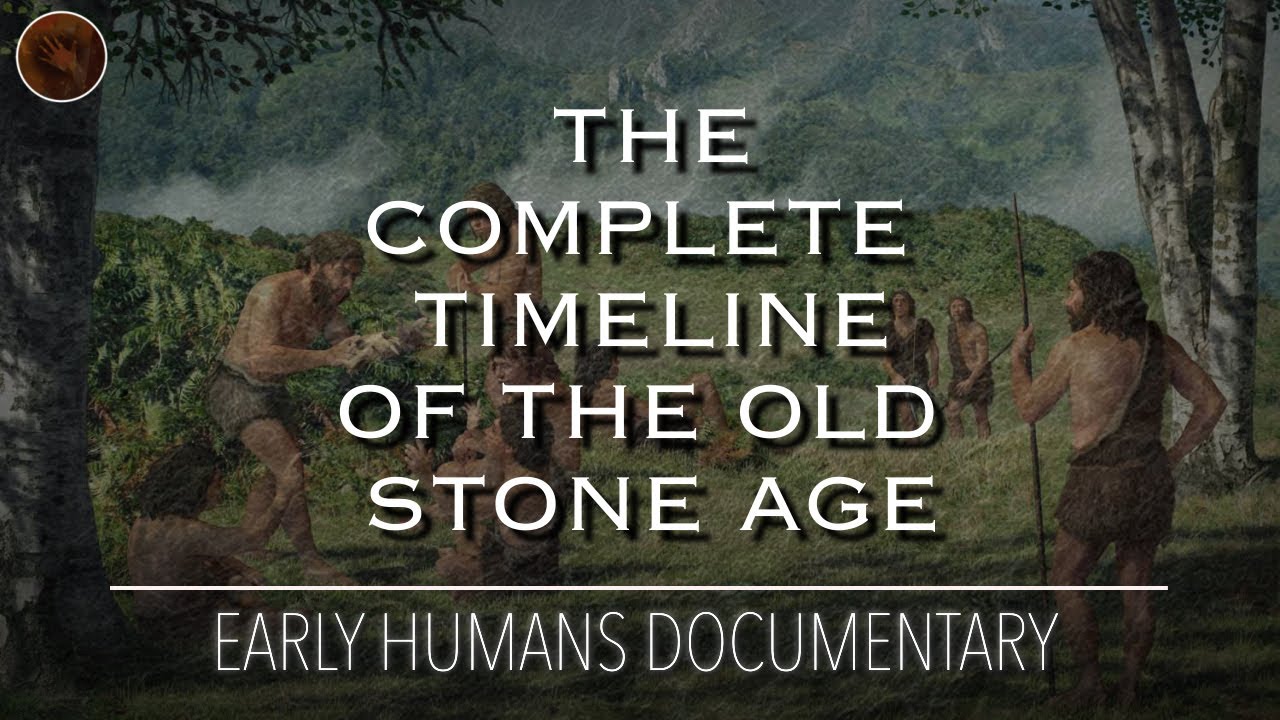
The Paleolithic Age was a defining era for humanity, shifting our ancestors from solitary survival to communal living. Early humans realized that forming groups offered better protection against predators and improved their chances of securing food. This collective approach laid the groundwork for human society, shaping how people interacted, shared resources, and adapted to harsh environments.
In this chapter, you will understand:
- The origins of human social organization and collective living.
- How early humans secured food through gathering and hunting.
- The evolution of tools, shelters, and the transformative discovery of fire.
- The beginnings of art, language, and spiritual beliefs, along with key Paleolithic sites in India.
Why this topic matters: Understanding Paleolithic social life reveals the fundamental survival strategies and cognitive leaps—like controlling fire and creating art—that defined human evolution.
Core Idea: Driven by the need to survive, early humans formed egalitarian groups, developed stone tools, mastered fire, and began expressing themselves through art and early religious beliefs.
Social Life of the Paleolithic Culture: Society, Tools, Art, and Beliefs
The social structure of early humans was born out of necessity. The constant threat from predators and the daily struggle for food meant that solitary life was nearly impossible.
Introduction to Social Life: From Solitary Survival to Group Dynamics
During the Paleolithic Age, early humans relied heavily on their intellect to craft tools for protection and hunting. The brutal challenges of their environment pushed them to abandon solitary habits and form groups for collective security. This shift marked the true beginning of social life.
Social Organization: The Necessity of Collective Survival
Facing constant threats from wild animals and the difficulty of acquiring food, early humans had to work together. This collective strategy was vital for their survival and shaped their entire social structure.
Key Characteristics of Paleolithic Social Life
These early communities were highly egalitarian, focusing on communal defense and sharing whatever resources they found.
- (i) Group Living: They lived in groups, usually guided by a leader who directed hunting efforts and made important decisions.
- (ii) Shared Economy: Tasks like food gathering and hunting were done collectively, ensuring everyone contributed and benefited.
- (iii) Egalitarianism: There were almost no social hierarchies. Men and women held equal social status, sharing both the workload and the resources.
- (iv) Clothing: Adapting to their climate, early humans made simple clothes from animal skins and tree bark.
Food Gathering and Hunting: The Subsistence Strategy
A Paleolithic person's life was almost entirely dedicated to finding food. They were nomads, constantly moving to find new sources of sustenance, making them true food collectors rather than farmers.
Hunter-Gatherer Activities and the Discovery of Fire
Their diet was diverse, consisting of plants and animals, and was forever changed by the most crucial discovery of their time: fire.
- (a) Gatherers: They foraged for edible fruits, herbs, and roots in the forests.
- (b) Hunters and Fishermen: They hunted wild animals using basic stone weapons and caught fish in nearby rivers and lakes.
- (c) Discovery of Fire: Initially, they ate raw food. The groundbreaking discovery of fire allowed them to roast meat, making it tastier and easier to digest.
Tools, Dwellings, and the Growth of Human Intellect
As early humans adapted, their ability to create tools and secure shelter improved, setting the stage for significant cultural advancements.
Tools and Implements: The Dawn of Craftsmanship
Making tools was a vital daily activity during the Paleolithic period. Stone implements were the core technology used for hunting, preparing food, and defense.
Paleolithic Tool Types and Materials
The tools evolved from simple chipped stones to more specialized implements made from bone and horn over the three Paleolithic phases.
- (i) Stone Tools: These included versatile hand-axes, mostly made of quartzite, and hatchets used as knives, hammers, or daggers.
- (ii) Organic Implements: By the Upper Paleolithic phase, early humans increasingly used bone and horn implements for intricate tasks.
Both men and women made tools and household objects, though the finish remained mostly crude and unpolished.
Dwellings and Shelters: The Nomadic Home
Lacking the skills to build permanent structures, Paleolithic humans lived a nomadic lifestyle. They chose shelters based on safety and proximity to food and water.
Types of Paleolithic Shelters
Their homes ranged from natural hideouts to very basic constructed shelters.
- (a) Natural Cover: Early on, they climbed trees to escape predators or lived in natural caves and rock shelters to stay safe from the weather.
- (b) Water Access: They often camped near riverbanks and lakeshores for easy access to drinking water, fish, and animals coming to drink.
- (c) Temporary Huts: Later, they learned to build simple, temporary huts using branches, leaves, and animal hides.
Discovery and Use of Fire: The Landmark Achievement
The most significant breakthrough of the Paleolithic Age was the discovery of fire. After likely observing natural fires caused by lightning, humans figured out how to create fire by rubbing stones or wood together.
Multifunctional Benefits of Harnessing Fire
Controlling fire dramatically improved their daily lives and survival chances.
- (i) Warmth: It provided vital warmth during the freezing conditions of the Ice Age.
- (ii) Cooking: It allowed for the roasting of meat, making food safer and easier to consume.
- (iii) Protection: Fire scared away predators, offering protection from wild animals.
- (iv) Light: It provided essential light inside dark caves.
The Emergence of Culture: Art, Beliefs, and Indian Sites
The later stages of the Paleolithic era witnessed early humans moving beyond mere survival to developing early forms of communication, artistic expression, and spiritual awareness.
Development of Art and Language: Early Expression
The Paleolithic period marks the beginning of human aesthetics and communication, signaling a major step in cognitive evolution.
Paleolithic Artistic Expression and Communication
Early humans left behind evidence of their thoughts and lives through engravings and remarkable cave paintings.
- (a) Art Forms: They created engravings on bone and stone, polished objects, and striking cave paintings.
- (b) Cave Paintings: Found in places like the Altamira Caves in Spain (discovered in ), these artworks usually showed animals like mammoths, deer, and bison, painted with natural pigments in red, yellow, brown, and black.
- (c) Communication:Homo Sapiens of the Upper Paleolithic likely had the ability for articulate speech, using basic symbols and markings to communicate.
Religious Beliefs: Worship of Nature and the Afterlife
Paleolithic religious beliefs were based on their awe and fear of nature. Unable to explain natural phenomena, they viewed elements like wind and rain as powerful divine forces.
Paleolithic Spirituality and Burial Practices
Their spirituality involved revering nature and a growing belief in an existence beyond death.
- (i) Nature Worship: They worshiped elements like rain, wind, and fire, and considered dangerous wild animals like lions and snakes to be sacred.
- (ii) Belief in Afterlife: The way they buried their dead, often including tools and offerings in the grave, indicates a strong belief in a life after death.
Indian Sites of the Old Stone Age (Paleolithic Age)
The Indian subcontinent holds numerous archaeological sites that trace the presence and progression of early humans throughout the Paleolithic period.
Lower Paleolithic Sites in India: Overview
Evidence shows that early Homo Sapiens using crude stone tools were spread widely across India.
Major Early Paleolithic Locations
These sites are found from the northern regions down to the central and western parts of the subcontinent.
- (i) Northern Sites: Includes the Valley of Sohan in Punjab (now in Pakistan), parts of Kashmir, and the Thar Desert.
- (ii) Central/Eastern Sites: Important areas include the Belan Valley in Mirzapur District, Uttar Pradesh, and the Narmada Valley.
- (iii) Western Sites:Bidwana in Rajasthan is known for its collection of ancient artifacts.
Middle Paleolithic Sites in India: Overview
This phase, characterized by the use of flake tools, saw settlements concentrated around major river valleys in Peninsular India.
Key Middle Paleolithic Locations
The most significant evidence of flake tool industries is found near two major rivers.
- (a) River Valleys: The Narmada River Valley and the Tungabhadra River Valley are primary locations for Middle Paleolithic discoveries.
Upper Paleolithic Sites in India: Overview
The final Paleolithic phase featured advanced blade and burin tools and the earliest forms of art, with sites spread across Central and Southern India.
Key Upper Paleolithic Locations
The widespread nature of these sites shows how well humans had adapted across different landscapes.
- (i) Southern Sites:Andhra Pradesh and Karnataka are known for their blade tools and rock shelters.
- (ii) Central Sites: Includes areas in Central Madhya Pradesh (famous for rock art), Maharashtra, and Southern Uttar Pradesh.
- (iii) Eastern Sites: The South Bihar Plateau has also provided important evidence of Upper Paleolithic life.
Paleolithic Social Life Quick Revision
Review the key aspects of early human social development and survival strategies:
| Aspect | Key Characteristics | Significance |
|---|---|---|
| Social Organization | Egalitarian groups, shared resources, collective hunting | Crucial for survival against predators and resource scarcity |
| Subsistence | Hunting animals, fishing, gathering fruits and roots | Defined their nomadic lifestyle as food collectors |
| Tools & Technology | Stone hand-axes, bone implements | Enabled hunting, cutting, and self-defense |
| Fire | Generated by friction; used for warmth, cooking, light | The most transformative discovery for human survival |
| Beliefs & Art | Nature worship, cave paintings, burial rituals | Demonstrates early cognitive evolution and spiritual thought |
Summary
The Paleolithic Age established the foundation of human society. Forced by a harsh environment to abandon solitary living, early humans formed egalitarian groups to hunt and gather. Their survival depended on crafting stone tools, finding natural shelters, and mastering the use of fire. As they evolved, they began expressing themselves through cave art, developing rudimentary language, and formulating early religious beliefs based on nature worship and the afterlife. In India, evidence of these incredible adaptations can be found across various sites, from the Sohan Valley to the Narmada and Tungabhadra river basins.
Key Takeaways for Revision
Review these critical points regarding Paleolithic culture:
- (i) The shift to group living was a direct result of needing collective security and shared food gathering.
- (ii) Early society was largely egalitarian with shared responsibilities among men and women.
- (iii) The discovery and control of fire was the most vital technological advancement of the era.
- (iv) Evidence of early spirituality is seen in the worship of nature and deliberate burial practices indicating a belief in the afterlife.
- Exam Tip: Pay close attention to the geographical progression of Indian Paleolithic sites and the specific tool types associated with each phase (e.g., core tools in the Lower phase vs. flake tools in the Middle phase).
Frequently Asked Questions (FAQ)
Q1: Why did Paleolithic humans start living in groups?
A1: They formed groups primarily for collective security against wild animals and to make hunting and gathering food more efficient, which was essential for survival.Q2: What was the significance of the discovery of fire during this period?
A2: Controlling fire allowed early humans to stay warm during the Ice Age, cook their meat to make it safer and easier to digest, scare away predators, and illuminate dark caves.Q3: What evidence suggests that Paleolithic people had religious beliefs?
A3: Their deliberate burial practices, often including tools and offerings placed with the dead, strongly suggest they believed in some form of an afterlife. They also showed reverence for powerful natural elements and animals.