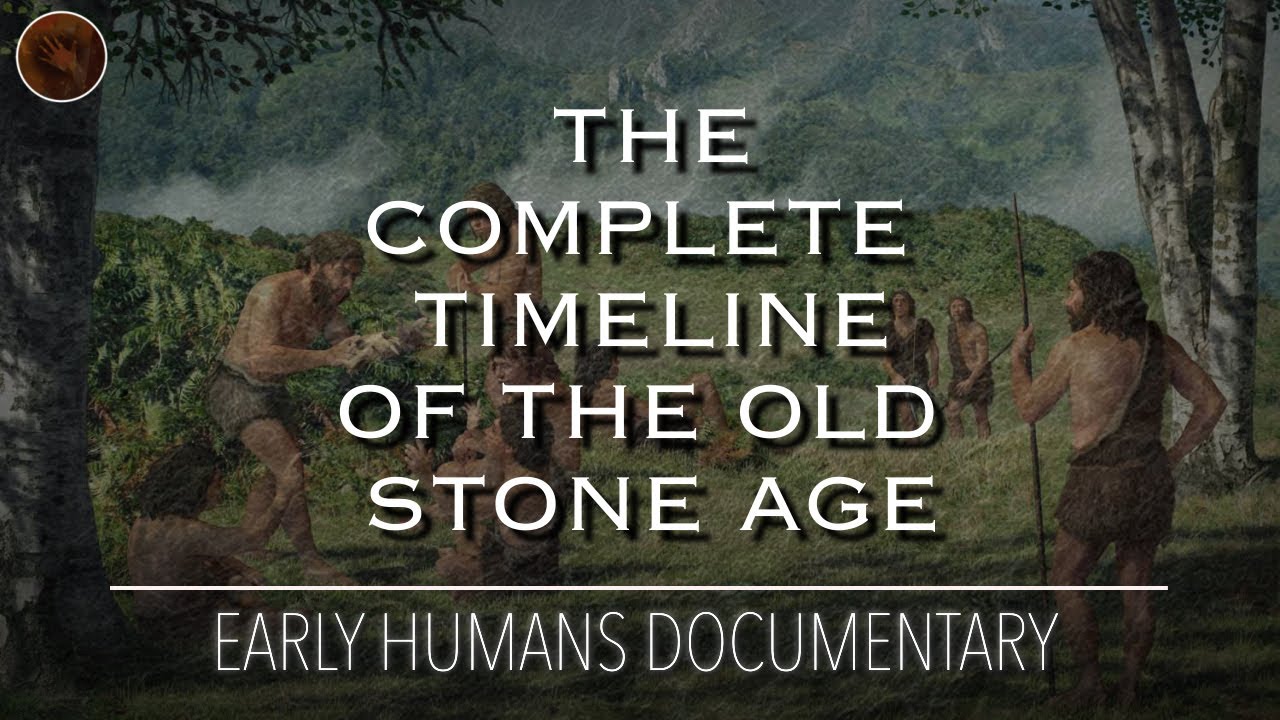
The Old Stone Age reached its highest point during the Upper Paleolithic period, setting the groundwork for modern human civilization. Emerging alongside Homo sapiens, this transformative phase shifted prehistoric life from basic survival to sophisticated craftsmanship, specialized hunting, and distinct regional traditions. Across Europe, Asia, and the Indian subcontinent, humans adapted to changing climates by refining stone-working techniques and expanding into new environments. Studying this era offers crucial insights into how early human societies developed organized social structures, invented composite tools, and laid the foundations for art, symbolic expression, and widespread global migration.
In this chapter, you will understand:
- The transition to the Upper Paleolithic era and the rise of anatomically modern humans.
- Innovations in blade technology, pressure flaking, and organic bone tools.
- Key prehistoric tool discoveries across the Indian subcontinent.
- Major geographical sites, including Kurnool, Billasurgam, and Renigunta.
Why this topic matters: This period marks the final stage of the Old Stone Age, bridging early hominin development with the Mesolithic period. Understanding these technological leaps provides vital context for archaeology, history examinations, and human evolution studies.
Core Idea: The Upper Paleolithic era represents a technological peak defined by standardized blade production, the introduction of organic materials like bone and antler, and the global spread of Homo sapiens. In India, key sites like Renigunta and the Kurnool caves highlight a thriving blade-and-burin culture that paved the way for future prehistoric developments.
Upper Paleolithic Culture: The Final Flourishing of the Old Stone Age
The Upper Paleolithic culture lasted from around to and was the last phase of the Paleolithic era. It coincided with the rise of modern humans, Homo sapiens, and brought huge improvements in technology, regional art, and cultural traditions such as the Aurignacian, Solutrean, and Magdalenian in Europe.
Introduction to Upper Paleolithic Culture: The Technological Peak
This period saw human technology advance rapidly. People developed specialized tools and began expressing themselves through art and cultural traditions, marking a major turning point in human history.
Global Spread and Cultural Phases of the Upper Paleolithic
During this time, modern humans expanded across the globe, leaving behind evidence of their presence as far as Australia and the Americas. Human societies evolved quickly, becoming more adaptable and resourceful.
- (i) Major Technological Leap: People created highly specialized tools and started using organic materials alongside stone, showing advanced problem-solving skills.
- (ii) Rise of Modern Humans: This era is directly connected to the spread and dominant rise of Homo sapiens.
Tools of Upper Paleolithic Culture: Blades, Burins, and Bone Implements
Tool production reached its peak during this period. Crafters focused on making thin, uniform blades and began working with organic materials like bone, animal horn, antlers, and ivory to build strong, composite tools.

Innovation in Blade Technology and Composite Tools
The major technological breakthrough was blade making, which allowed people to produce long, straight-edged stone tools efficiently. The invention of the burin—a sharp chisel tool—made it much easier to carve wood and bone into useful items.
- (a) Primary Tool Kit: Long stone blades and pointed burins became the most common and versatile tools of the era.
- (b) Use of Organic Materials: Craftspeople carved bone, horn, and antler into needles, pins, and spear tips, though many have decayed over time.
- (c) Key Indian Discoveries: In , Newbold found early blade and burin tools in the Kurnool district of Andhra Pradesh. Later, Robert Bruce Foote discovered India's first prehistoric bone tool inside Billasurgam Cave.
Major Sites of Upper Paleolithic Culture in India
Evidence of Upper Paleolithic settlements appears across many regions in India, documenting the final phase of the Old Stone Age before the transition into the Mesolithic Age.
Geographical Distribution of Blade and Burin Industries
Important sites spread across Western, Northern, and Southern India show how widespread blade and burin toolmaking became during this time.
Geographical mapping of key Upper Paleolithic archaeological sites across the Indian subcontinent. - (i) Renigunta (Chittoor District, Andhra Pradesh): One of the most significant sites in Southern India, famous for its large collection of blade and burin tools.
- (ii) Western India: Key tool sites have been documented across Central Gujarat and Northern Kathiawar.
- (iii) Northern and Northwestern Sites: Archaeologists have uncovered important artifacts throughout the Thar Desert, the Sanghao Caves, and the Potwar Plateau.
Quick Revision Capsule
A quick summary of key facts, tool types, discoveries, and major archaeological sites from the Upper Paleolithic period:
| Feature / Aspect | Key Details & Characteristics | Historical Significance |
|---|---|---|
| Time Period | Roughly to | Final phase of the Old Stone Age before the Mesolithic Age. |
| Associated Species | Anatomically modern humans (Homo sapiens) | Marked widespread global human expansion. |
| Primary Tool Types | Blades, burins, pins, needles, and spear points | Introduced specialized stone cutting and composite tools. |
| Key Organic Materials | Bone, horn, antler, and animal ivory | Expanded toolmaking beyond stone to create detailed items. |
| Major Indian Sites | Renigunta, Billasurgam Cave, Thar Region, Potwar Plateau | Proves active toolmaking industries across the Indian subcontinent. |
Summary
The Upper Paleolithic period represents the final, most advanced stage of the Old Stone Age, running from around to This era saw the global rise of modern Homo sapiens, who introduced major advancements in tool design like stone blades, burins, and organic bone implements. In India, important discoveries at sites like Renigunta and Billasurgam Cave highlight a rich prehistoric culture that paved the way for the Mesolithic Age.
Quick Revision Points
Key facts to review before examinations:
- (i) The Upper Paleolithic lasted from to and is linked with modern humans.
- (ii) Blade technology and burins formed the core of the era's stone tool industry.
- (iii) Robert Bruce Foote discovered India's first prehistoric bone tool at Billasurgam Cave.
- (iv) Renigunta in Andhra Pradesh is a major Indian site known for its rich collection of blade and burin artifacts.
- Exam Tip: Remember that Newbold () and Robert Bruce Foote made crucial early discoveries in Andhra Pradesh. Questions frequently focus on the distinction between basic stone flakes and advanced blade-and-burin tools.
Frequently Asked Questions (FAQ)
Q1: What defines the Upper Paleolithic period?
A1: It is the final stage of the Old Stone Age, marked by the arrival of Homo sapiens, standardized blade tools, bone implements, and widespread artistic activity.Q2: What is a burin and why was it important?
A2: A burin is a specialized chisel-like stone tool used to carve wood, bone, and antler, enabling humans to make handles and complex composite tools.Q3: Which major Upper Paleolithic sites are located in India?
A3: Prominent sites include Renigunta in Andhra Pradesh, Billasurgam Cave, locations in Central Gujarat, the Thar Region, and the Potwar Plateau.