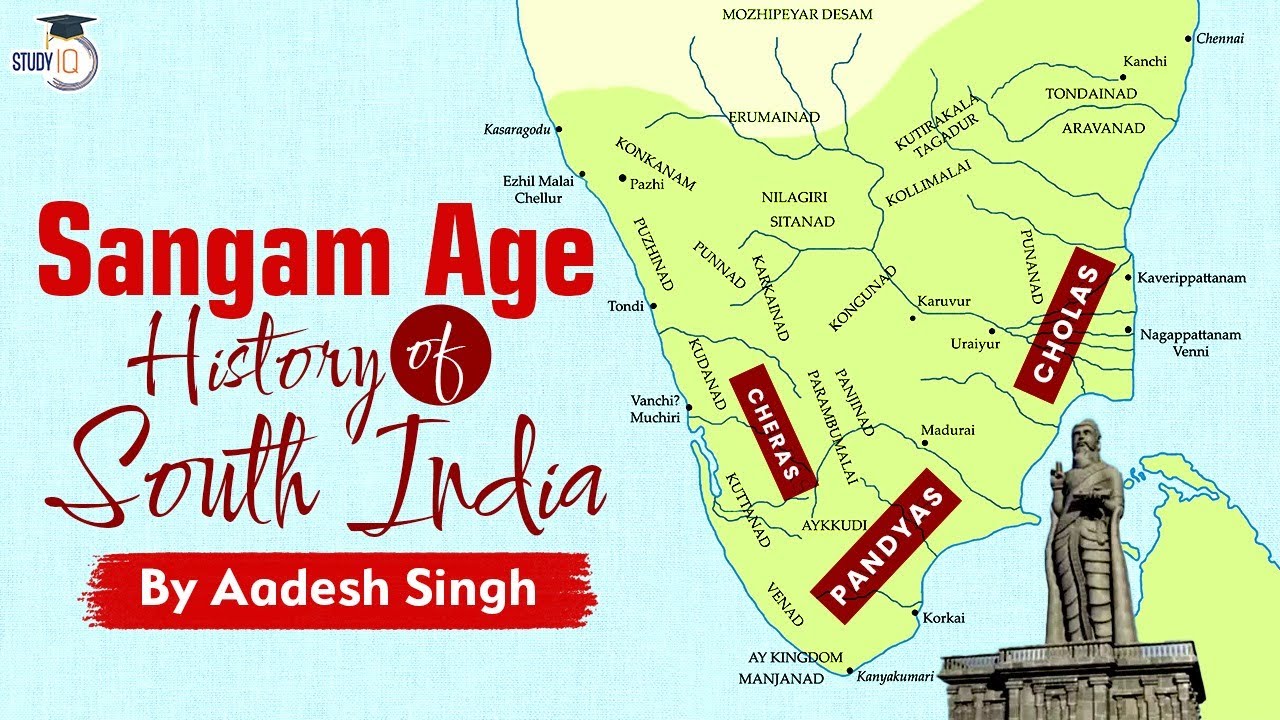
Between the and CE, the Chola Dynasty established one of the most remarkable state mechanisms in South Asian history. Their empire stretched across southern India and influenced maritime Southeast Asia. To govern such a vast region, Chola rulers developed an administrative framework that balanced direct central control with vibrant local self-governance. By granting land to temples and learned scholars, asserting divine authority, and structuring clear revenue hierarchies, the state maintained order and stimulated agrarian productivity. Studying this system reveals how medieval kingdoms organized territory, managed local assemblies like the Ur and Nadu, and maintained fiscal stability through detailed record-keeping.
In this chapter, you will understand:
- The multi-tiered territorial divisions of the Chola Empire from villages up to provinces.
- The political and economic motivations behind royal land grants like Brahmadeya and Devadana.
- How royal titles, divine attributes, and prashastis legitimised kingly power.
- The operational roles of key administrative ranks and land revenue registers.
Why this topic matters: Chola governance serves as a primary historical case study for decentralized rural administration, agrarian resource planning, and institutional statecraft frequently featured in competitive examinations.
Core Idea: The Cholas maintained stability through a balanced administrative network. Central royal officers managed army logistics and land surveys, while self-governing local assemblies managed routine rural life, tax assessments, and public water infrastructure.
The Chola Administrative Structure, Land Grants, and Local Bodies: An Overview (9th to 13th Century)
The Chola period showcased an impressively organized political framework that successfully managed large operational territories. At its core, this state apparatus relied on royal land distribution, the ideological projection of kingly divinity, and decentralized assemblies that managed daily rural life.
Chola Land Grants and Strategic Resource Redistribution Policy
Distributing land rights was a central element of Chola statecraft. This practice expanded the agrarian base, brought uncultivated soil under irrigation, and created loyal pockets of support throughout the realm.
- (i) Administrative units were organized hierarchically, moving from the basic village up to the massive provincial Mandalam.
- (ii)
Royal Motivation Behind Brahmana Land Grants (Brahmadeya)
Granting land to learned Brahmanas, known as Brahmadeya, served both spiritual and practical administrative purposes. Kings transformed unmanaged lands into taxable, highly productive agricultural settlements under the oversight of scholar-administrators.
- Inscriptional records note that royal advisors, known as the Dharmopadeshta, urged kings to issue land endowments to earn spiritual merit and secure their dynasty's honor.
- Inscriptions recorded real estate grants on stone and copper plates, while gifts of gold, cattle, and precious items were documented inside royal eulogies or prashastis.
- Land grants allowed the central throne to extend its political legitimacy, integrate rural elites, and build active revenue zones across frontier territories.
Chola Kings and Their Divine Legacies: Symbolism and Imperial Epithets
Chola monarchs cultivated impressive public personas to raise their standing above local chieftain lineages and establish supreme imperial authority over South India.

- Chola sovereigns used grand temple construction and elaborate consecration rituals to solidify their political status.
Rajaraja I's Divine Titles and Assertion of Supreme Authority
The prominent ruler Rajaraja I adopted titles that associated him directly with revered Hindu deities, reinforcing his right to lead an expanding empire.
- He assumed the title Ulakalanda Perumel, meaning the great ruler who measured the earth, invoking the divine persona of Lord Trivikrama.
- Royal court poets and temple records presented the monarch as an earthly manifestation of Lord Shiva, providing absolute legitimacy to his royal decrees.
- These carefully chosen epithets served as strategic tools that united political power with religious authority across all provinces.
The Chola Central Authority: King, Officials, and Territorial Units
The central administration worked alongside local assemblies to ensure tax collection, public order, and judicial fairness across the kingdom.
Central Administrative Structure and Official Remuneration
The monarch stood at the head of government. An executive council known as the Uddan-kottam provided continuous advice to the throne. Officers were frequently compensated with assignments of revenue rights over specific lands rather than cash payments, giving them strong stakes in local productivity.
Hierarchy and Mobility of Chola Officials
Administrative positions carried distinctive titles and responsibilities, allowing skilled personnel to move through administrative ranks.
Administrative breakdown of the Chola empire into provinces, districts, and villages. - Senior administrative leaders were designated as Perundanan, while lower-tier execution officers were called Sirutaram.
- Military commanders held the dual title of Sirudanattup Perundaram or Senapati, bridging the gap between field command and administrative duty.
- Judicial matters were managed by judicial officers named Nyayattar, who settled land disputes and managed local legal cases.
Quick Revision Capsule: Chola Administrative Structure
This reference overview outlines the primary administrative divisions, royal officials, and land registers that defined Chola statecraft:
| Administrative Component | Key Term / Official Title | Core Function & Scope |
|---|---|---|
| Provincial Division | Mandalam | Largest administrative province, often managed by royal princes or viceroys. |
| District Cluster | Valanadu / Nadu | Groupings of villages that served as primary revenue assessment zones. |
| Primary Local Assembly | Ur & Sabha | Village assemblies that managed local land, water tanks, and tax obligations. |
| Executive Officer | Adhikari / Muvendavelan | High-ranking royal officer responsible for carrying out kingly decrees. |
| Revenue Department | Puravuvari-tinaikkalam | Central agency responsible for land surveys, tax records, and reassessments. |
Summary
The administrative structure of the Chola Dynasty represents a high point of state organization in medieval South India. By combining systematic land surverys, a dedicated officer corps, and flexible local governance through assemblies like the Ur, Sabha, and Nagaram, the state maintained stable revenue without suppressing local initiative. Royal land grants expanded agriculture into new territory, while grand architectural projects and sacred titles reinforced the authority of the crown. Understanding this balance between central direction and village autonomy provides essential context for analyzing South Indian political history.
Quick Revision Points for Students
Focus on these fundamental concepts when preparing for examination questions:
- (i) The Mandalam was the largest administrative unit, which was subdivided into Valanadus and local Nadus.
- (ii) Land grants to temples were called Devadana, whereas grants given to learned scholar families were called Brahmadeya.
- (iii) The Puravuvari-tinaikkalam functioned as the primary land revenue department, maintaining detailed records in the Varipottagam.
- (iv) Autonomous local assemblies like the Ur (general village) and Sabha (Brahmana village) handled routine rural governance independently.
- Exam Tip: Be ready to distinguish between different types of village assemblies. Remember that the Ur was a general village assembly, the Sabha belonged to Brahmadeya settlements, and the Nagaram managed merchant and trade centers.
Frequently Asked Questions (FAQ)
Q1: What was the primary function of the Nadu in Chola administration?
A1: The Nadu was an administrative cluster of villages. It served as the key regional unit for land revenue assessment, agricultural coordination, and judicial dispute resolution.Q2: How were Chola government officials compensated for their services?
A2: Rather than receiving fixed cash salaries, most officers received land grants or rights to collect revenue from assigned lands, giving them a personal stake in local prosperity.Q3: What was the Varipottagam and why was it significant?
A3: The Varipottagam was the official land rights register. It held detailed records of land ownership, boundaries, tax liabilities, and exemptions overseen by state auditors.