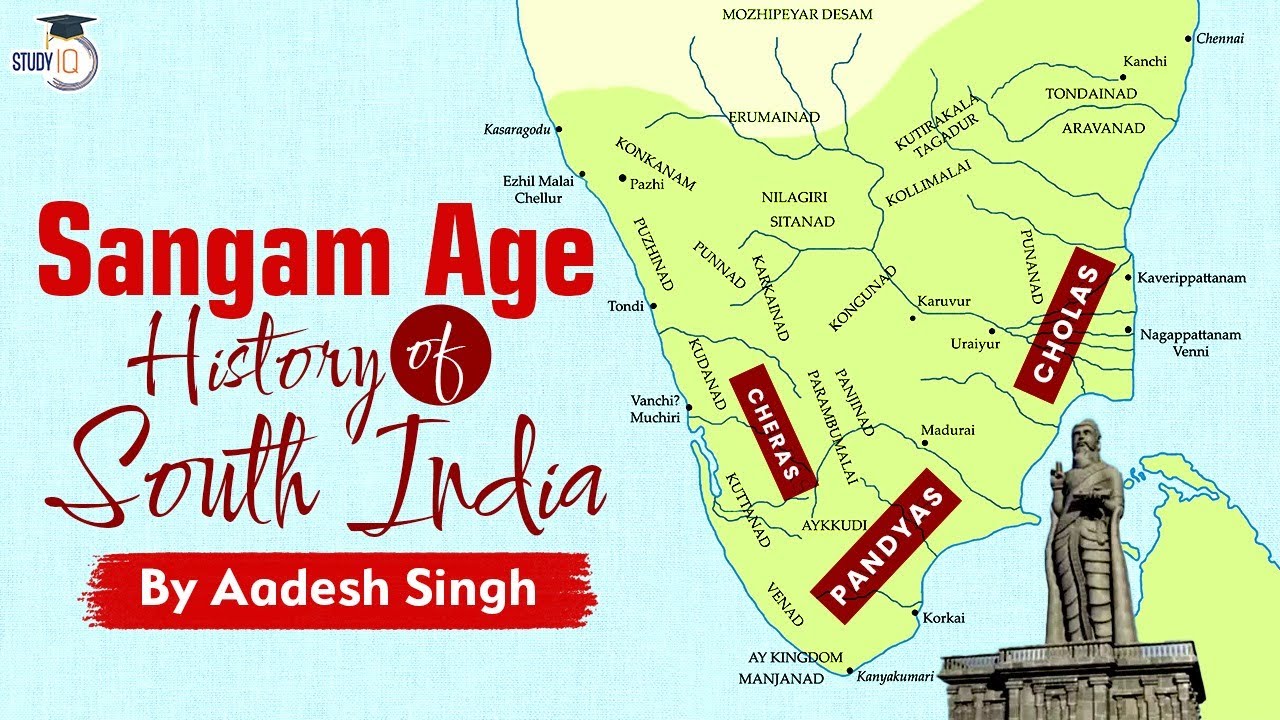
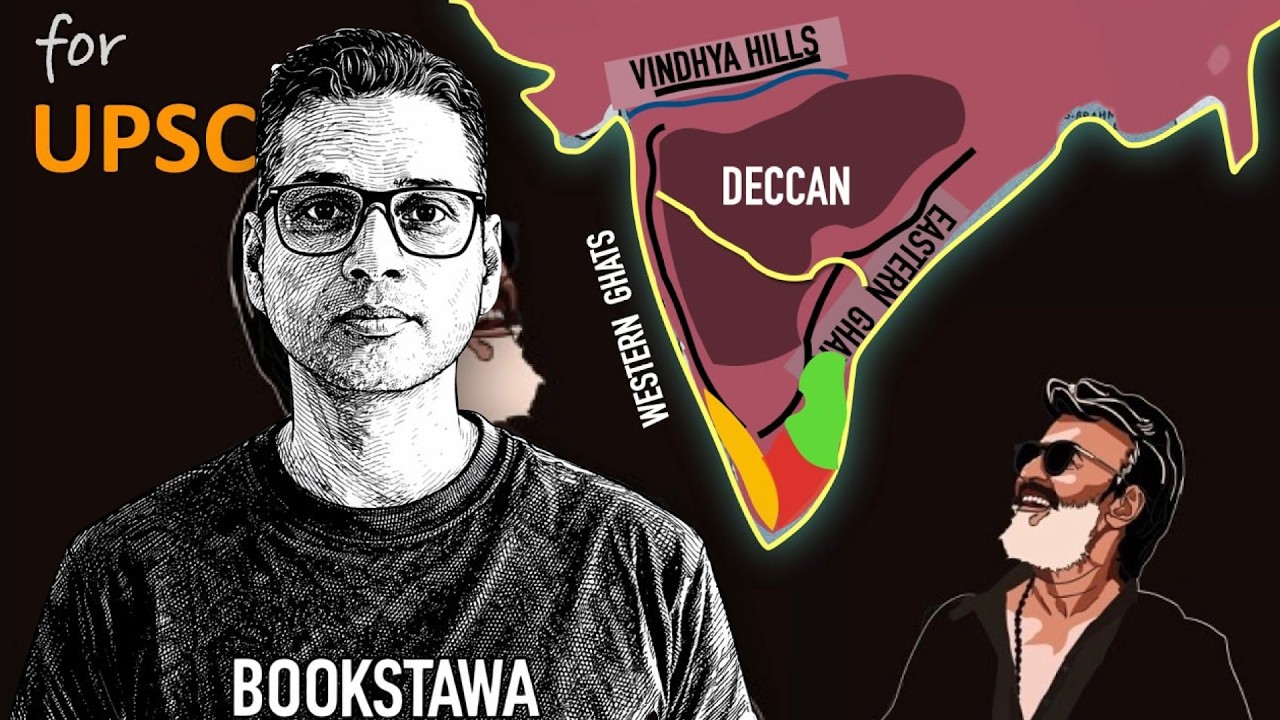
The history of Southern India opens with the rise of the Early Kingdoms—specifically the Chola, Pandya, and Chera dynasties. Emerging around the , these ancient powers laid the foundation for Dravidian culture, deep-sea trade, classical Tamil literature, and monumental temple architecture. Controlled trade routes linked them to foreign lands like Rome and China, making their political systems and maritime success a central topic in South Indian history.
In this chapter, you will understand:
- The origins and territorial reach of the early Cholas, Pandyas, and Cheras.
- Maritime trade networks connecting South India to Rome, Southeast Asia, and China.
- The revival, administrative depth, and agrarian strength of the Later Chola Empire.
- Cultural contributions across Tamil literature, Dravidian architecture, and bronze casting.
Why this topic matters: Studying early South Indian kingdoms reveals how maritime commerce, local governance, and temple-centered economies created one of Asia's most resilient and influential civilizations.
Core Idea: The Cholas, Pandyas, and Cheras built prosperous states powered by coastal trade, rich agriculture, and deep cultural patronage. Centuries later, the Chola revival expanded this legacy into a imperial network spanning the Bay of Bengal.
Origins and Regional Significance of the Southern Dynasties
Three main dynasties held power at the southern tip of the Indian peninsula. Each controlled a specific geographic zone and developed distinct strengths in administration, defense, and international trade.
The Chola Kingdom: Maritime Power and Cultural Legacy
The Cholas controlled the fertile plains of the Cauvery Delta, turning agricultural surpluses into naval strength and lasting architectural projects.
Territory, Capitals, and Trade
The core territory of the early Cholas was known as Cholamandalam (the Coromandel coast). Positioned between the Pennar and Velur rivers, it supported rich farming and busy ports.
- Uraiyur served as an early capital and a major center for the cotton trade.
- Puhar (also called Kaveripattanam) functioned as the main port city, host to foreign traders and merchant fleets.
- The Chola navy guarded trade routes connecting to the Malaya Archipelago, boosting cross-continental trade.
Political Consolidation
Early Chola rulers expanded their territories through military campaigns and administrative organization.
- King Karikala (around ) unified central Chola power and developed early water management along the Cauvery.
- Earlier rulers like Elara led military expeditions into parts of Sri Lanka.
- After Karikala, internal disputes led to a temporary decline until the dynasty revived in the .
Cultural and Literary Contributions
Royal patronage made the Chola realm a major center for literature and art.
- Builders constructed early stone temples filled with detailed carvings and sculptures.
- Famous poets like Kambar and Ottakoothar received royal support, producing landmark Tamil literary works.
- Classical dance, music, and sculpture reached high standards during this period.
Trade Networks and Administration
A organized legal framework maintained social stability and protected trade.
- Merchants exported cotton, silk, and spices across the Indian Ocean and into Southeast Asia.
- Inscriptions document local legal bodies that resolved disputes and maintained public order.
- The siltation and fall of Kaveripattanam weakened early Chola trade, leading to a long quiet phase.
The Pandya Dynasty: Pearl Trade and Literary Patronage
Ruling from Madurai, the Pandyas earned fame through their valuable pearl fisheries, foreign diplomacy, and support of Tamil scholars.

Society, Economy, and Royal Power
The Pandya region covered southern Tamil Nadu, including Tinnevelly and Madurai, relying heavily on coastal wealth and agricultural production.
- The pearl trade along the Gulf of Mannar provided substantial wealth to the royal treasury.
- Greek accounts by Megasthenes note active female leadership and unique succession customs in Pandya territory.
- Diplomatic envoys traveled to Rome to meet Emperor Augustus, securing trade agreements for spices and gems.
Cultural and Religious Life
Pandya kings combined traditional Vedic practices with strong support for local literary assemblies.
- Rulers funded the Sangam academies in Madurai, where poets compiled classical Tamil literature.
- Royal grants helped build early rock-cut temples and fund scholarly work.
- A standing military guarded land trade routes and protected coastal ports from rivals.
Infrastructure and Governance
Economic stability was backed by public works and religious inclusivity.
- The state supported Hinduism, Buddhism, and Jainism without enforcing a single belief system.
- Engineers constructed irrigation tanks and roads to connect farm areas directly to coastal markets.
The Chera Kingdom: Masters of Western Ocean Commerce
Occupying modern-day Kerala along the Malabar Coast, the Cheras dominated the western spice trade, connecting India directly to Mediterranean and Asian markets.
Port Operations and Global Trade
Natural harbors along the Arabian Sea made Chera territory a core hub for international commerce.
- The port of Muziris handled high volumes of Roman ships exchanging gold for pepper, ivory, and fine fabrics.
- Chera fleets secured coastal waters against piracy, keeping trade links open across the Arabian Sea.
- Foreign merchant communities settled in port cities, creating multi-cultural trading centers.
Rulers and Military History
Chera kings built alliances across the peninsula to safeguard their trade wealth.
- Senguttuvan (known as the Red Chera) is celebrated in Tamil tradition for military campaigns and establishing the Pattini cult.
- Frequent rivalries with Chola and Pandya neighbors caused shifts in territory over time.
- Dynastic power saw a resurgence after the through renewed trade alliances.
Cultural Exchange and Legacy
Constant interaction with overseas merchants shaped Chera culture and architecture.
Artifacts and trade goods recovered along the Malabar coast. - Foreign art styles and building techniques mixed with local traditions along the Malabar coast.
- Chera diplomacy helped establish long-term trade agreements with Roman, Arab, and Chinese merchants.
The Imperial Cholas: Administration, Economy, and Art ()
The revival of the Chola Empire under Vijayalaya in the 9th century changed the political map of Southern India, creating a centralized naval power with sophisticated local governance.
Political and State Structure
Historians analyze the Imperial Chola state through its balance of central royal authority and self-governing local bodies.
- The central government maintained direct control over core regions while granting autonomy to local assemblies.
- Land grants shaped social relations, creating strong ties between the royal court and local landholders.
- State income depended on organized land revenue assessments and trade tariffs rather than irregular war plunder.
Agrarian Base and Land Management
Systematic farming methods supported the empire's large military and administrative staff.
- Kings issued Brahmadeya grants (tax-free land given to Brahmins) to bring new wilderness areas under cultivation.
- Local committees built dams, canals, and storage tanks along the Cauvery River to secure seasonal harvests.
- Village assemblies called sabhas and peasant leaders (velalas) managed land rights, water distribution, and local tax collection.
- Merchant guilds like the Ayyavole and Manigramam linked rural farm production to international markets.
Temples as Economic Centers
Chola temples acted as banks, employers, and landowners alongside their religious roles.
- Temple treasuries stored capital, loaned money to traders, and employed artisans, musicians, and managers.
- Royal officials audited temple accounts to ensure state integration with local religious wealth.
- Temple festivals created markets for local crafts, textiles, and agricultural goods.
Key Rulers of the Imperial Era
A series of strong kings expanded Chola influence across South India and over the sea.
- Vijayalaya Chola () captured Thanjavur and established the imperial line.
- Parantaka I () expanded Chola territory before facing a setback against the Rashtrakutas at Takkolam.
- Rajaraja I () built a powerful navy, conquered northern Sri Lanka, and built the Brihadeswara Temple in Thanjavur.
- Rajendra Chola I () led a march to the Ganges, invaded Srivijaya in Southeast Asia, and founded Gangaikondacholapuram.
- Kulothunga Chola I reorganized land taxes, sent trade missions to China, and stabilized internal administration.
Administrative Units and Local Governance
Governance was structured through distinct administrative tiers down to the village level.
- The empire was divided into provinces called mandalams, which were divided into valanadus, then nadus (districts), and finally individual villages (agrahara or ur).
- The Uttaramerur inscriptions detail how village committee members were chosen through a lot system (Kudavolai) based on qualifications and property ownership.
- The standing army included specialized infantry, cavalry, elephant units, and elite royal guards.
Religious Developments
State patronage focused primarily on Saivism while accommodating other traditions.
- Saivism was the official state faith, giving rise to the formal philosophy of Saiva Siddhanta.
- Occasional rivalries occurred between Shaivite and Vaishnavite groups, such as the exile of the Vaishnava reformer Ramanujacharya to Melkote.
Social Organization
Chola society maintained distinct social divisions alongside specialized professional groups.
- Communities were divided into broad alignments known as Idangai (Left Hand) and Vadangai (Right Hand) groups.
- Royal families performed traditional rituals, while temple service roles became formalized.
Literary Renaissance
Both Tamil and Sanskrit literature flourished under royal patronage.
- Masterpieces compiled during this period include Kamban's Ramavataram and the devotional history Periyapuranam.
- Sanskrit scholars authored works on grammar, law, and philosophy, including texts by Kesava Swami.
Dravidian Architecture and Bronze Sculpture
Chola art reached its peak in stone temple construction and lost-wax bronze casting.
- Architects perfected the Dravidian style, characterized by tall towers (vimanas), detailed stone reliefs, and spacious courtyards.
- The Brihadeswara Temple at Thanjavur features a massive stone vimana rising 190 feet, topped by an 80-ton single-stone cap.
- Artisans produced bronze statues using the lost-wax process, creating famous figures like the Shiva Nataraja, Ardhanarisvara, and Parvati.
Quick Revision Capsule
Key features of the primary Southern Indian dynasties at a glance:
| Dynasty | Capital & Major Ports | Core Significance & Legacy |
|---|---|---|
| Cholas (Early) | Uraiyur, Puhar (Kaveripattanam) | Cauvery delta agriculture, early naval raids, cotton trade. |
| Pandyas | Madurai, Korkai | Pearl fisheries, Sangam literary academies, trade with Rome. |
| Cheras | Vanci, Muziris | Malabar coast spice export, Indo-Roman ocean trade routes. |
| Imperial Cholas | Thanjavur, Gangaikondacholapuram | Naval expansion to Srivijaya, Kudavolai local governance, Dravidian temples & bronzes. |
Summary
The early and imperial dynasties of Southern India created a political and economic model distinct from northern empires. Built on coastal trade, well-managed agriculture, and active local assemblies, the Cholas, Pandyas, and Cheras expanded Indian influence deep into Southeast Asia and the Mediterranean. Their artistic, literary, and architectural traditions remain central to South Asian cultural history.
Quick Revision Points
Key facts to remember for examinations:
- (i) The early three kingdoms were defined in Sangam literature as the Muventhar (Three Crowned Kings).
- (ii) The port of Muziris was the principal center for Indo-Roman trade along the western coast.
- (iii) The Uttaramerur Inscriptions give detailed rules on village self-governance and democratic selection processes under the Cholas.
- (iv) Rajendra Chola I earned the title Gangaikonda Chola after his military campaign to the River Ganges.
- Exam Tip: Focus on the administrative structure of the Imperial Cholas, specifically the Kudavolai system of local elections, the economic role of temples, and the difference between early Sangam ports (Puhar, Muziris, Korkai) for objective questions.
Frequently Asked Questions (FAQ)
Q1: What made the Chola naval power unique in medieval Indian history?
A1: The Cholas built a permanent ocean-going navy capable of projecting military force across the Bay of Bengal, enabling them to conquer Sri Lanka, secure trade routes, and launch campaigns against the Srivijaya Empire in Southeast Asia.Q2: What was the Kudavolai system in Chola administration?
A2: It was a local electoral system used by village sabhas to choose committee members. Eligible candidates' names were written on palm leaves, placed in a pot, and drawn by a young child to ensure fairness.Q3: How did the Chera kingdom leverage its geography?
A3: The Cheras controlled the mountain passes and natural deep-water ports along the Malabar Coast, allowing them to monopolize the pepper and spice trade with Roman, Arab, and Chinese merchants.