The Chola Dynasty stands out as one of the most powerful ruling families in medieval South India. Settled around the fertile Kaveri Valley, they turned Tamil Nadu into a flourishing, centralized kingdom starting in the . Through smart military moves, effective tax systems, and cultural alliances, rulers like Vijayalaya and Rajaraja I grew their empire while cementing their right to rule through religious rites and royal honors. Understanding their rise helps explain how regional politics, trade, and culture developed across the southern peninsula.
In this chapter, you will understand:
- How the Cholas rose to power in the Kaveri Valley from the 9th century CE.
- The administrative structure of Nadu and Valanadu units for revenue management.
- The role of Prashastis, genealogies, and Sanskritic titles in establishing legitimacy.
- Key royal rituals like Hiranyagarbha and Tulabhara used to affirm sovereign authority.
Why this topic matters: This period highlights the transformation of local chieftaincies into an organized imperial system, laying the framework for South Indian administration, temple architecture, and maritime trade.
Core Idea: Beginning in the 9th century CE, the Chola Dynasty built a unified regional state by combining agricultural wealth from the Kaveri delta, strong administrative division, strategic military expansion, and sacred royal rituals that confirmed their supreme authority.
The Rise and Territorial Expansion of the Powerful Chola Dynasty: Establishing a Regional State in Tamil Nadu (9th Century CE Onwards)
The Cholas emerged as the dominant political force in southern India by making the nutrient-rich Kaveri Valley their primary stronghold. Their ability to turn local farming resources into stable state power allowed them to build a lasting kingdom in Tamil Nadu that shaped the region for centuries.
Geopolitical Reach and Local Foundations
Rather than relying solely on conquest, the Cholas integrated older local traditions into their governance model. This gave them long-term stability across both land and sea trade routes.
- (i) The Chola state grew out of smaller, scattered territories, using the farming output of the Kaveri delta to fuel its growth.
- (ii) Over time, they built a strong navy and army, making them a leading power across South India.
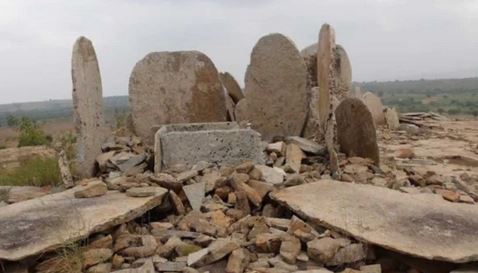
- (iii) Archaeological evidence from ancient megalithic sites shows that their political roots rested on deep cultural foundations in the region.
Early Conquests and Administrative Reorganization under Key Chola Rulers
Starting in the , key leaders turned a local ruling house into an imperial powerhouse through targeted conquests and clear administrative setups.
Vijayalaya's Strategic Seizure of Tanjavur and the Chola Foundation
The rise of Chola power officially began when Vijayalaya captured Tanjavur (modern Thanjavur) from the Muttarayas, who were loyal to the Pallava rulers. Taking this strategic site gave the Cholas a strong base to expand across the Tamil region.
- (i) Following this victory, Chola armies subdued both the declining Pallavas and the neighboring Pandyas.
- (ii) Controlling the Tamil heartland gave the crown access to key farm yields, coastal trade, and fresh military manpower.
Consolidating the Chola State: Administration, Revenue, and Resource Management
To run these newly won territories smoothly, the crown established an organized system focused on land management and systematic tax collection.
- (a) Traditional local districts called Nadu were grouped into larger administrative divisions named Valanadu.
- (b) Prominent local landowners received prestigious titles and military roles in exchange for collecting taxes and maintaining order.
Imperial Expansion and Feudatory Integration under Rajaraja I and Successors
Under Rajaraja I and subsequent monarchs, the army expanded further while local chiefs were brought into the state system as official representatives.
- (i) Defeated local chiefs were placed as administrative officers within the Valanadu system to keep local peace.
- (ii) Turning former rivals into working officials helped keep the kingdom united and secure against internal revolts.
Chola Kingship and Divine Legitimacy: Mythical and Sanskritic Traditions
To make their authority unquestioned, Chola kings tied their family lines to traditional religious stories, asserting a direct connection to the legendary Suryavamsha (Solar Dynasty).
Elaborate Genealogies and Royal Eulogies (Prashastis)
Chola court poets recorded these royal lineages in formal praise inscriptions called Prashastis, combining local history with Sanskritic traditions.
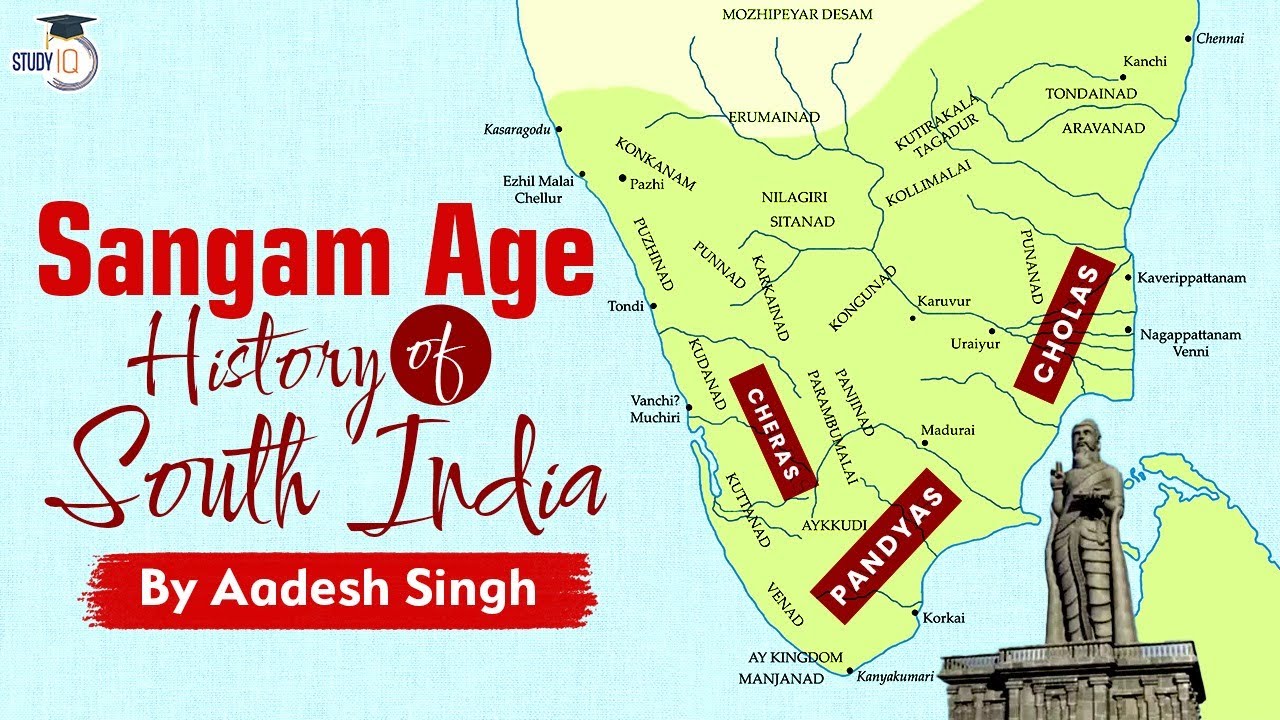
Map of Chera, Chola, and Pandya territories: Visualizing the political layout of ancient Tamil kingdoms. - (i) Important historical details appear in copper-plate sets like the Tiruvalangadu Copper Plates, Leiden Plates, Anbil Plates, and the Kanyakumari Inscription of Vira Rajendra.
- (ii) These documents drew heavily on the Itihaasa-Purana traditions to present the king as a divine protector of order.
Royal Titles and Symbolic Nomenclature Affirming Kshatriya Status
Monarchs took grand Sanskritic titles to confirm their high warrior status within traditional political hierarchies.
- (a) King Rajaraja I used the title Kshatriyasikhamani, meaning the crest jewel among rulers.
- (b) Adding the suffix Varman in names like Adityavarman and Parantaka Varman highlighted their royal rank.
- (c) Upon taking the throne, rulers assumed coronation names such as Prakesarivarman, Rajakesarivarman, and Arumolivarman, blending Tamil and Sanskritic culture.
Quick Revision Capsule: Chola Governance and Royalty
A quick look at the administrative units, sacred titles, and key concepts of the Chola period:
| Concept / Term | Administrative or Ritual Function | Key Historical Objective |
|---|---|---|
| Nadu & Valanadu | District and regional administrative divisions | Streamlined land revenue collection and governance |
| Prashastis | Royal eulogies and copper-plate inscriptions | Traced lineage to Suryavamsha for divine legitimacy |
| Hiranyagarbha | Sacred symbolic rebirth ritual | Confirmed sovereign authority and royal purity |
| Tulabhara | Ritual weighing of the king against gold | Demonstrated royal wealth and supported priestly classes |
| Kshatriyasikhamani | Honorific Sanskritic title used by Rajaraja I | Asserted supreme warrior status among ruling elites |
Summary
The Chola Dynasty represented a high point in South Indian history. By establishing their stronghold in the Kaveri Valley starting in the 9th century CE, they built an organized state supported by administrative divisions like Nadu and Valanadu. Their rulers backed up military success with strong cultural strategies, using Prashastis, royal titles, and public rituals like Hiranyagarbha and Tulabhara to secure lasting political authority.
Quick Revision Points
Core facts to review for exams:
- (i) Vijayalaya founded medieval Chola rule in the 9th century CE by capturing Tanjavur from the Muttarayas.
- (ii) Land administration grouped local Nadus into larger Valanadu units for effective tax collection.
- (iii) Rulers used Prashastis on copper plates (such as Tiruvalangadu) to claim descent from the Solar Dynasty.
- (iv) Rituals like Hiranyagarbha and Tulabhara publicly affirmed royal legitimacy and religious patronage.
- Exam Tip: Pay close attention to how administrative terms (Nadu vs. Valanadu) and specific inscriptions (Tiruvalangadu, Leiden plates) connect to Chola tax policies and royal legitimacy in exam questions.
Frequently Asked Questions (FAQ)
Q1: Who established the medieval Chola kingdom, and what was the first major conquest?
A1: Vijayalaya established the medieval Chola kingdom in the 9th century CE by capturing Tanjavur from the Muttarayas, making it his main base.Q2: How did the Cholas organize their local administration for revenue collection?
A2: They organized local districts called Nadus into larger units called Valanadus, putting trusted landowners in charge of tax collection and order.Q3: Why did Chola kings perform rituals like Hiranyagarbha and Tulabhara?
A3: These grand public rituals confirmed the king's royal status, demonstrated wealth, and earned support from the priestly class.