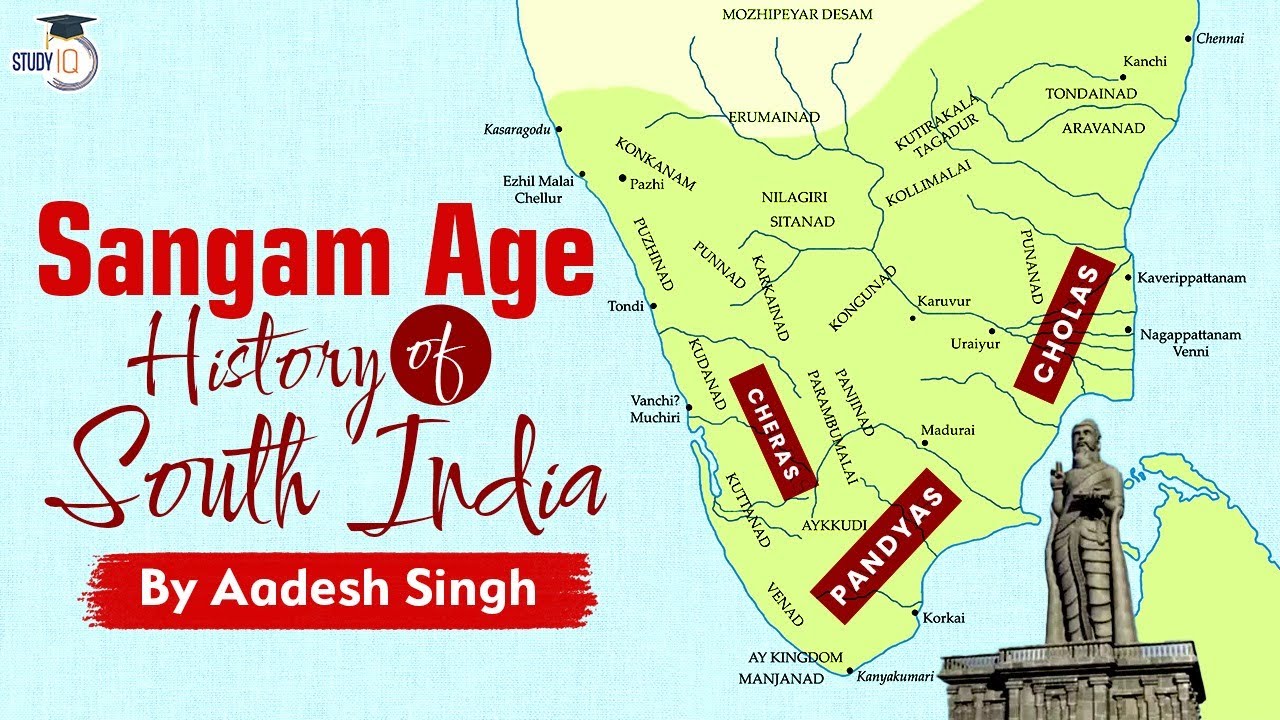
The history of Ancient South India is defined by the rise and fall of powerful imperial monarchies, most notably the Pallavas, Pandyas, and Cholas. A central turning point in this regional history was the often-overlooked Kalabhra interregnum, which stretched from the . This era of shift, civil struggle, and external invasion shaped the political map of Southern India for centuries. Understanding these dynamic regional conflicts and dynastic changes offers critical insight into how political boundaries and imperial authorities evolved across the Indian subcontinent.
In this chapter, you will understand:
- The nature and impacts of the Kalabhra Interregnum on early South Indian kingdoms.
- The military encounters between the Chalukyas, Pandyas, and the declining Pallava Empire.
- How internal succession wars created opportunities for the emergence of the Imperial Cholas.
- The Pandyan civil rift and the eventual invasions by the Delhi Sultanate.
Why this topic matters: This period illustrates how internal dynastic conflicts and power vacuums invite external invasions, altering the cultural and political structure of South India.
Core Idea: Southern Indian politics were marked by intense competition between the Pallavas, Pandyas, and Cholas. Internal succession disputes and regional rivalries continually weakened these dynasties, culminating in the rise of the Imperial Cholas and subsequent conquests by northern Sultanates.
Kalabhra Interregnum: The Fall and Resurgence of Pandya, Chola, and Pallava Imperial Powers in Ancient South India
A major political disruption known as the Kalabhra interregnum dramatically reset the power dynamic of the peninsula. The mighty Pandyas were temporarily pushed back by the Kalabhras, initiating an era of uncertainty for traditional royal families.
Historical records place this period between the , a nearly four-hundred-year window defined by instability following the decline of early kingdoms.
- The background of the Kalabhras remains debated among historians, yet their rule represents a clear break in traditional dynastic succession.
Recovery began near the end of the when the Pandyan leader Kadungon defeated the local occupiers, ushering in the Second Pandyan Empire.
- Around the same time, the Pallavas reclaimed their authority under Simhavishnu.
- He founded the imperial Pallava dynasty, establishing firm rule over the Tondaimandalam region.
Chalukya Invasions and Early Setbacks for the Pallava Empire
Even after their resurgence, the Pallavas faced constant military pressure from neighboring powers, leading to territorial losses during the .

- The Chalukya ruler Vikramaditya II launched a direct campaign into Pallava territory, briefly capturing the capital city of Kanchipuram.
Pallava Prestige Diminished by Chalukya Capture of Kanchipuram
Occupying Kanchipuram exposed the strategic vulnerabilities of the Pallava state to northern threats and damaged its imperial standing.
The Defeat of Nandivarman III by the Resurgent Pandyan Power
Following Chalukyan raids, the Pallava King Nandivarman III suffered a major defeat against the Pandyan ruler Shrimara Shrivallabha, who ruled from .
- The battle occurred near Kumbakonam, demonstrating growing Pandyan strength.
- These consecutive losses to both the Chalukyas and Pandyas highlighted the weakening grip of the late Pallava state.
Pallava War of Succession and the Rise of the Imperial Cholas
An internal succession crisis ultimately triggered the complete breakdown of Pallava power, creating an opening for the ascending Cholas.
- A bitter civil war erupted among three royal brothers following the death of the Pallava monarch.
Succession Conflict, Death of Nrupatunga, and the Final Battle of Aparajita
This internal strife proved far more damaging than previous external conflicts.
The transition of imperial hegemony from Pallava rulers to Aditya Chola in the early 10th century. - The prince Nrupatunga died during the fighting, leaving the defense forces fractured.
- The Chola kingAditya Chola allied with the Pandyan ruler Kamavarman to defeat the Pallava claimant Aparajita.
- By the early , the remaining Pallava faction submitted to Chola authority, marking the end of imperial Pallava rule.
Chronic Regional Conflicts and the Downfall of Pallava Authority
Continuous attacks from the Chalukyas, supported by the Western Gangas, along with opportunism from the Rashtrakutas and Pandyas, completely drained Pallava resources.
Quick Revision Capsule: Key Dynastic Shifts
A structured timeline of major regional conflicts and power transitions in Ancient South India:
| Era / Period | Major Key Players | Historical Outcome / Significance |
|---|---|---|
| Kalabhras vs. Early Dynasties | Kalabhra interregnum causes temporary eclipse of Pallava and Pandyan rule. | |
| Kadungon & Simhavishnu | Restoration of the Pandyan lineage and establishment of the Imperial Pallavas. | |
| Vikramaditya II (Chalukya) vs. Pallavas | Temporary occupation of Kanchipuram weakens Pallava prestige. | |
| Aditya Chola vs. Aparajita | Defeat of Pallava forces during a war of succession; emergence of Chola hegemony. | |
| Malik Kafur vs. Pandyan Brothers | Sack of Madurai following internal succession dispute between Vira and Sundara Pandya. |
Summary
The political landscape of Ancient South India was defined by relentless competition between the Pallava, Pandyan, and Chola dynasties. While early recovery from the Kalabhra interregnum restored traditional lineages, ongoing wars with the Chalukyas and Rashtrakutas steadily weakened these states. Internal succession disputes—such as the Pallava civil war in the and the Pandyan brothers' conflict in —ultimately opened the door for new powers. The Imperial Cholas capitalized on these disruptions to build an empire, while later invasions by Northern Sultanates eventually annexed the remaining Pandyan realms into broader imperial structures.
Quick Revision Points
Essential takeaways for historical analysis:
- (i) The Kalabhra interregnum () disrupted traditional monarchy until Kadungon and Simhavishnu led recoveries.
- (ii) The Chalukya capture of Kanchipuram by Vikramaditya II signaled structural weaknesses in the Pallava defense.
- (iii) The civil war between Pallava brothers allowed Aditya Chola to eliminate Aparajita and found the Imperial Chola era.
- (iv) The succession rift between Vira Pandya and Sundara Pandya facilitated Malik Kafur's campaign in and eventual annexation under Muhammad Bin Tughlaq ().
- Exam Tip: Pay close attention to how internal succession disputes repeatedly served as the catalyst for external takeover in South India—most notably in the Chola overthrow of the Pallavas and the Delhi Sultanate's campaign against the Pandyas.
Frequently Asked Questions (FAQ)
Q1: What was the significance of the Kalabhra interregnum?
A1: The Kalabhra interregnum () marked a significant period of political displacement where local monarchies were temporarily eclipsed, ending only when the Pandyas and Pallavas reestablished their lineages.Q2: How did the Imperial Cholas rise to power over the Pallavas?
A2: A severe war of succession among the Pallava brothers weakened their authority, allowing Aditya Chola to defeat Prince Aparajita and consolidate Chola dominance over the region by the early .Q3: What led to Malik Kafur's invasion of Madurai in 1311 CE?
A3: A ruinous civil war between the Pandyan brothers Vira Pandya and Sundara Pandya created a power vacuum that General Malik Kafur exploited on behalf of Delhi Sultan Alauddin Khilji, leading to the sack of Madurai.