Embark on a journey through the timeless artistry of the Sarnath School of Art, an unparalleled tradition that flourished near Varanasi, shaping the visual narrative of Buddhism across Asia. This school, prominent from the to the , is recognized for its distinctive, serene depictions of the Buddha, especially during the revered Gupta period. Understanding this legacy is crucial for students preparing for history and art-history examinations, as it defines the evolution of Indian Buddhist sculpture.
🎯 In this chapter, you will understand:
- The geographical and historical foundations of the Sarnath School near Varanasi.
- The stylistic evolution from the Mauryan era through the Golden Age of the Guptas.
- Core sculptural traits including anatomy, spiritual poise, and symbolic motifs.
- Key surviving masterpieces like the Lion Capital and the Dhamek Stupa carvings.
💡 Why this topic matters: Sarnath established the canonical representation of the Buddha, setting aesthetic benchmarks that spread across ancient Asian art.
🧠 Core Idea: A unique artistic synthesis balancing realistic physical anatomy, idealized aesthetic perfection, and deep meditative spirituality.
The Sarnath School of Art: A Profound Legacy of Buddhist Artistic Expression ( to )
The Sarnath School of Art emerged as a beacon of artistic excellence in ancient India, firmly rooted in the sacred ground of Sarnath, located near Varanasi in Uttar Pradesh. This profound tradition was instrumental in crafting the quintessential visual language for Buddhism, and its influence radiated outward, impacting sculptural trends across Asia for many centuries.
- (i) The school is celebrated for its distinctive artistic style, which profoundly shaped early Indian Buddhist sculpture and iconography.
- (ii) Its geographical location at Sarnath, a holy city, was central to its development and sustained patronage.
- (iii) The school's rich history spans an extensive period, making it a critical subject for the study of Indian art history.
The Sacred Birthplace of a Tradition: Sarnath and its Religious Significance
The very location of the Sarnath School is imbued with deep spiritual importance, marking it as the starting point of the Buddhist faith and providing the necessary environment for artistic genius to thrive.
The 'Turning of the Wheel of Dharma' and Sarnath's Sanctity
Sarnath holds an irreplaceable position in Buddhist history, as it was the sacred place where the Buddha, having attained enlightenment, delivered his first life-altering sermon. This pivotal event, famously known as the Dharmachakrapravartana or "Turning of the Wheel of Dharma", officially marked the commencement of the Buddhist doctrine and immediately consecrated Sarnath as a primary international pilgrimage site.
- (i) The establishment of Sarnath as a center for Buddhist learning attracted not only monks but also powerful imperial support.
- (ii) This sustained attention and financial backing from key figures, including the renowned Mauryan Emperor Ashoka, were crucial for the evolution and long-term prosperity of the Sarnath School of Art.
The Mauryan Period: Laying the Foundational Style of the Sarnath School
Spanning from to , the Mauryan period represents the vital genesis of the Sarnath School of Art. This era was significantly championed by Emperor Ashoka, a devoted Buddhist who commissioned monumental works that established the school's initial stylistic standards.
The Iconic Ashoka Pillar and Early Characteristics
The foundation of the distinctive Sarnath style can be traced back to the with the commissioning of magnificent structures by Emperor Ashoka. The enduring Ashoka Pillar, a masterpiece of the era, features intricate carvings depicting episodes from the Buddha's life, setting an early precedent for the school's sculptural finesse.

Image: The Lion Capital of Ashoka – A masterpiece defining Mauryan art at Sarnath. - (i) Emphasis on Realism: Early sculptures, such as the widely celebrated Lion Capital of Ashoka, demonstrate an exceptional commitment to realism, meticulously capturing the anatomical details and nuanced expressions of the figures.
- (ii) Geometric Forms: The integration of simple geometric shapes (circles, squares, triangles) in both the architecture and sculptures reflects the grandeur and symmetry characteristic of the Mauryan architectural style.
- (iii) Profound Symbolism: Sculptures frequently incorporated essential symbolic elements like the wheel of Dharma, the lotus flower, and the bodhi tree, serving as visual representations of core Buddhist philosophical concepts.
The Gupta Period: The Golden Age of Artistic and Spiritual Expression
The Gupta period () is universally acknowledged as the zenith of art and culture in Indian history. For the Sarnath School of Art, this was a time of unprecedented flourishing, marked by an aesthetic of refined elegance and deep spirituality that produced some of India's most iconic artistic treasures.
The Gupta Aesthetic: Idealized Beauty and Spiritual Serenity
The sculptures created during the Gupta age at Sarnath are instantly recognizable for their unparalleled grace and technical perfection. The artists achieved a profound blend of idealized beauty with a sophisticated understanding of human anatomy, resulting in figures that exude a powerful sense of calm and spiritual presence. This focus on harmony and aesthetic refinement defined the era's artistic vision.
- (a) Idealized Beauty: Figures are depicted with delicate, subtle features, characterized by graceful postures (known as tribhanga in later styles), and an overarching atmosphere of serenity, aligning with the Gupta aesthetic which prioritized beauty and harmony.
- (b) Emotional Depth: Crucially, these sculptures successfully conveyed a deep sense of inner feeling and spiritual experience, most clearly visible in the compassionate, downcast gaze of the Buddha and the calm, meditative expressions of the Bodhisattvas.
- (c) Elaborate Ornamentation: A love for meticulous craftsmanship is evident in the sculptures' intricate adornments, including finely detailed floral motifs, elaborate geometric patterns, and complex decorative elements, showcasing Gupta mastery of detail.
The Post-Gupta Period: Evolution and Regional Influences on the Sarnath Style
Following the significant decline of the Gupta Empire, the Sarnath School of Art did not fade but rather demonstrated resilience, continuing to evolve and assimilate new artistic trends, notably during the Pala and Sena periods (), which saw a crucial revival of Buddhist art.
Integration of Pala Style and New Artistic Mediums
During this later phase, the artistic output of Sarnath began to reflect the broader changes sweeping across North India. The continued production of sacred imagery cemented Sarnath's role as an active center, even as its characteristic style began to incorporate influences from other powerful regional art traditions, ensuring its continued relevance.
- (i) Influence of Pala Art: Sculptures from this time began to display elements of the Pala style, characterized by a transition to a more expressive, highly dynamic, and sometimes even more crowded composition compared to the serene classicism of the Gupta age.
- (ii) Increased Use of Color: A notable shift involved the more prominent application of color, with pigments and lacquers frequently used on the sculptures to significantly enhance their visual impact and details.
- (iii) Regional Variations: The once-uniform Sarnath School of Art began to exhibit localized differences, subtly reflecting the integration of other contemporary artistic traditions from surrounding regions.
Key Features Defining the Sarnath Sculptural Style: Realism, Idealism, and Spirituality
The enduring appeal and significance of the Sarnath School of Art lie in its distinctive synthesis of three core elements: a commitment to realism, the aspiration toward idealized beauty, and an overwhelming sense of spiritual depth.
A Blend of Human Anatomy and Inner Enlightenment
The sculptures tell a powerful visual story, often depicting key moments from the Buddha's life, profound Dharma teachings, and the inspiring lives of Bodhisattvas. These iconic pieces are renowned for their technical mastery, conveying a physical and spiritual perfection achieved nowhere else in such harmonious measure.
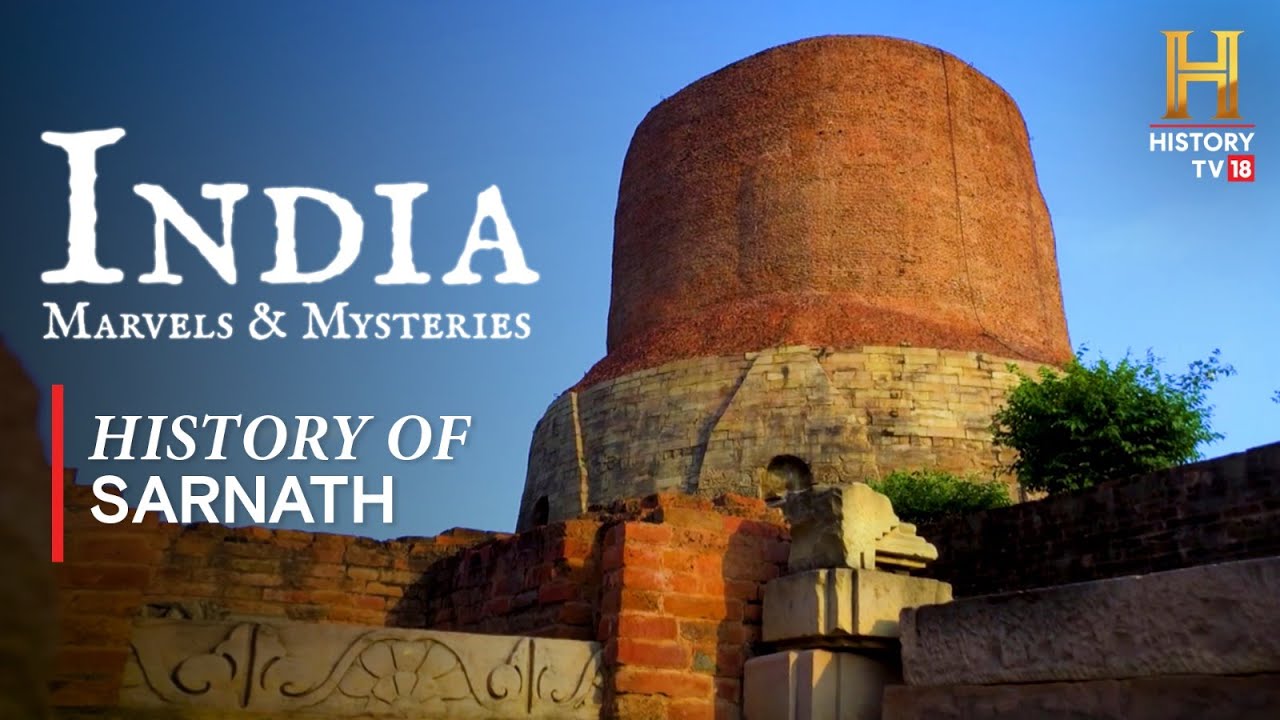
Image: The Dhamek Stupa at Sarnath – An impressive structural symbol of the Sarnath School's enduring legacy. - Realistic Depiction of Human Anatomy: Artists demonstrated a remarkable command over the human form, capturing intricate anatomical details—from the fine lines of the hands and feet to the specific facial features of the Buddha—with exceptional precision.
- Idealized Beauty: The figures embody a sense of spiritual perfection, characterized by their serene expressions and graceful postures. This aesthetic directly visualizes the Buddhist concept of beauty as an outward manifestation of profound inner purity and ultimate enlightenment.
- Spiritual Depth and Compassion: The art successfully communicates the internal emotional and spiritual state of the figures. This is perfectly exemplified by the Buddha's compassionate gaze and the tranquil countenance of the Bodhisattvas.
- Use of Symbolic Elements: Crucial Buddhist concepts are visually conveyed through the consistent inclusion of symbols, such as the wheel of Dharma (Dharmachakra), the lotus flower, the bodhi tree, and the stupa, reinforcing the profound spiritual meaning.
- Variety of Materials: Sculptures were crafted using diverse materials, including robust sandstone (specifically Chunar sandstone), softer limestone, and durable bronze, with the choice often dictated by the size and intended ritual purpose of the finished work.
Notable Sculptures: Iconic Masterpieces of the Sarnath School
The Sarnath School of Art has gifted the world a treasury of priceless sculptures that serve as cornerstones for the study of Indian art history, each a remarkable document of Buddhist spirituality and artistic achievement.
The Lion Capital, First Sermon Relief, and Stupa Art
From monumental pillars representing imperial power to intricate reliefs capturing sacred moments, the preserved artifacts highlight the school's stylistic range and thematic depth. These pieces provide invaluable insight into the visual culture and theological ideas that flourished at this religious hub.
- The Lion Capital of Ashoka: Dating back to the , this globally recognized Mauryan artwork features four lions standing back-to-back. It stands as an international symbol of Buddhist sovereignty and the triumphant propagation of the Buddha's teachings.
- The Buddha's First Sermon Relief: This significant Gupta period relief masterfully depicts the momentous occasion of the Buddha's first sermon at Sarnath, where he delivered the essential Four Noble Truths to his initial disciples, shown in Dharmachakramudra.
- Stupa Sculptures (e.g., Dhamek Stupa): The carvings adorning the Stupas of Sarnath, particularly those on the Dhamek Stupa, are famous for their remarkable intricacy and their detailed, narrative depiction of critical events from the Buddha's life, including his birth, ultimate enlightenment, and various teachings.
The Decline and Enduring Legacy of the Sarnath School
The artistic output of the Sarnath School of Art experienced a gradual decline after the , primarily due to rising political instability in the region and the simultaneous emergence of other major artistic and religious centers. Nonetheless, its influence was profound and irreversible. The school's unique, recognizable style—characterized by its blend of realism, elegance, and spiritual depth—left a deep and indelible mark on the subsequent development of Buddhist art not just in India but throughout the entirety of Asia. For students, studying the Sarnath School is vital to understanding the canonical representation of the Buddha and the transmission of Buddhist iconography across the globe.
⚡ Quick Revision Capsule: Sarnath School of Art
A quick comparative overview of the evolution and key features of the Sarnath School across historical periods:
| Historical Period | Key Stylistic Features | Iconic Masterpieces |
|---|---|---|
| Mauryan Period () | Monolith pillars, high mirror polish, realistic animal anatomy, symbolic lotus and chhatra motifs. | Lion Capital of Ashoka |
| Gupta Period () | Transparent drapery without folds, halo with delicate ornamentation, meditative expressions, Dharmachakramudra. | Seated Buddha in Preaching Pose, Standing Buddha images |
| Post-Gupta / Pala Era () | Dynamic poses, integration of bronze and stone, elaborate background stele, influence of Tantric Buddhism. | Carvings on Dhamek Stupa, late Bodhisattva statues |
📝 Summary
The Sarnath School of Art flourished from to near Varanasi, evolving into one of ancient India's premier centers for sculpture. Championed by rulers from Emperor Ashoka during the Mauryan era to the Gupta emperors and Pala dynasty, Sarnath produced a distinct aesthetic that replaced heavy drapery with soft, translucent robes and focused on serene, inward spirituality. As documented in classical texts like the Lalitavistara, Sarnath remains the birthplace of canonical Buddhist sculptural art across Asia.
🚀 Quick Revision Points
Essential facts to review before examinations:
- (i) Sarnath sandstone sculptures use local cream-colored Chunar sandstone with reddish specks.
- (ii) The Gupta Buddha at Sarnath is noted for the absence of garment folds, creating a smooth visual texture.
- (iii) Key iconographic gesture associated with Sarnath is the Dharmachakramudra (turning the wheel of law).
- (iv) The site represents the first sermon of the Buddha, as recorded in Mahavagga and other canonical texts.
- 💡 Exam Tip: When writing answers about Sarnath vs. Mathura schools, highlight that Sarnath Buddha figures have transparent drapery with no visible lines/folds, unadorned halos or simple decorative margins, and cream Chunar sandstone, whereas Mathura uses spotted red sandstone with prominent drapery folds.
❓ Frequently Asked Questions (FAQ)
Q1: What material was primarily used in the Sarnath School of Art?
A1: Sculptors at Sarnath primarily used cream-colored or yellowish-buff Chunar sandstone sourced from nearby quarries.Q2: How does Sarnath Gupta Buddha differ from Mathura Gupta Buddha?
A2: The Sarnath Buddha features completely smooth, transparent drapery without folds, whereas the Mathura Buddha exhibits visible schematic robe folds across the body.Q3: What is the significance of the Dharmachakramudra in Sarnath sculptures?
A3: It symbolizes the Buddha delivering his first sermon at the Deer Park in Sarnath, setting in motion the wheel of law (Dharmachakra).