The Mughal expansion in the saw two important military campaigns: the conquest of Malwa and the taking of Garh-Katanga. Key figures in these events include Baz Bahadur, Rupmati, Rani Durgavati, and Asaf Khan. Learning about these events helps students understand how Akbar's empire grew and built its political and cultural power, which is useful for Mughal history exams.
🎯 In this chapter, you will understand:
- How the Mughal Empire expanded into Malwa and defeated Baz Bahadur.
- The heroic story of Rupmati and her sacrifice.
- The brave resistance led by Rani Durgavati in Garh-Katanga against Asaf Khan.
- How Akbar brought stability and administrative control to Central India.
💡 Why this topic matters: This period shows how Akbar combined military strength with smart political strategies to build a lasting empire in Central India.
🧠 Core Idea: The conquest of Malwa and Garh-Katanga laid the foundation for Mughal control over trade and politics in central India during the .
Akbar's Military Campaigns: Conquest of Malwa and Overrunning of Garh-Katanga ()
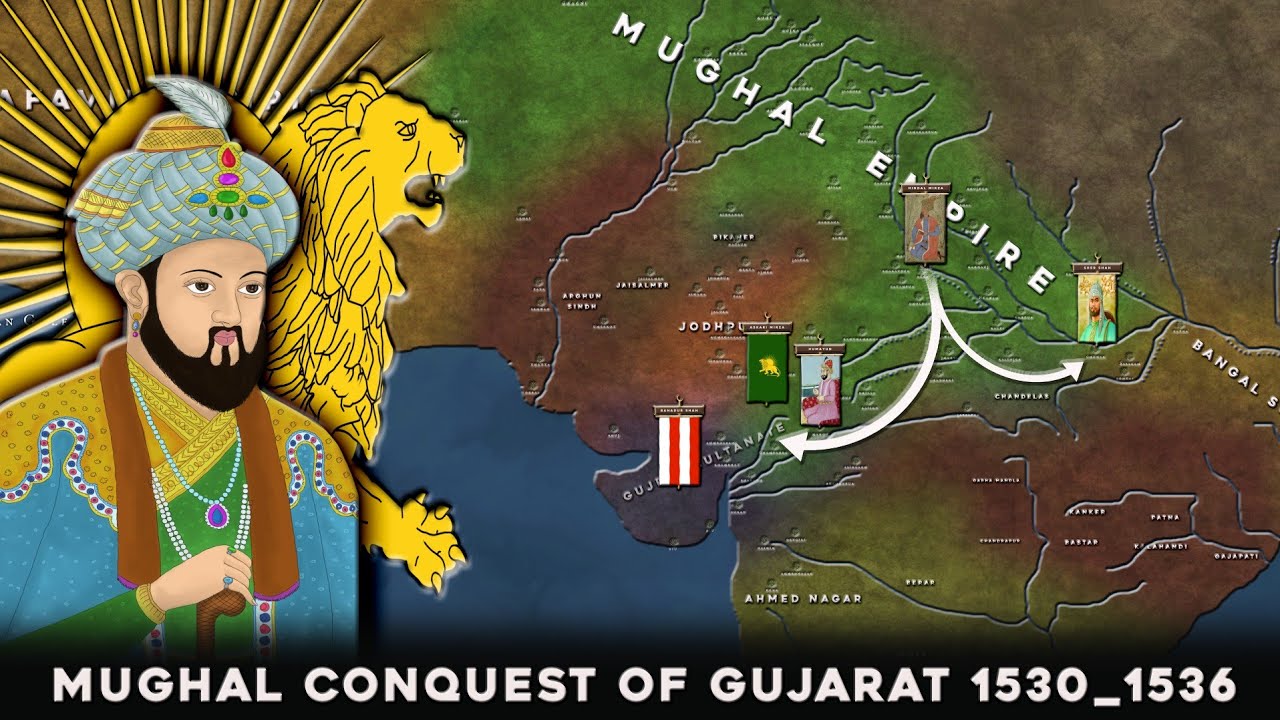
Adding Malwa to the empire was an early step in Mughal growth. It led to the defeat of Baz Bahadur and the tragic end of Rupmati.
The Malwa Sultanate was an independent region with a rich culture. It became an early target for Mughal growth under Akbar. Its ruler, Baz Bahadur, focused heavily on music and poetry while neglecting his military, which opened the door for the Mughals to take over.
- (i) Baz Bahadur was famous across the region for his love of music and poetry. Unfortunately, these interests made him ignore the need to build a strong army.
- (ii) His romance with the poet and singer Rupmati made the capital city, Mandu, a thriving center for art. However, this focus on culture left the kingdom weak in military power.
- (iii) The main Mughal attack was led by Adham Khan in . It defeated Baz Bahadur quickly. To avoid being captured by Adham Khan, Rupmati tragically ended her life, securing Mughal control over Malwa.
Baz Bahadur and Rupmati: Romanticism, Neglect, and the Fall of Malwa to Mughal Conquest
The story of Baz Bahadur and Rupmati mixes deep romance and support for music with political weakness and the Mughal takeover.

Baz Bahadur's Rule: Focus on Arts and Military Neglect
The ruler focused mainly on culture and arts. This weakness made it easy for the Mughals to invade the state.
- (i) His main focus was supporting the arts and poetry, rather than building strong defenses for his state.
- (ii) This neglect of the armed forces left Malwa weak, making it an easy target for Akbar's expanding empire.
- (iii) He wrongly depended on his kingdom's cultural status instead of building real military strength to protect his land.
Rupmati's Legacy: Symbol of Love and Sacrifice After
Rupmati is remembered for her talents as well as her brave final choice to sacrifice her life after her kingdom lost the war.
- (a) She was well known for her beauty, her musical talent in music, and her moving poetry.
- (b) After the swift Mughal victory, she chose self-sacrifice instead of letting herself be captured by Adham Khan.
- (c) She remains a famous figure in Malwa's history, representing devoted love and sacrifice.
Akbar's Military Expeditions to Malwa and Consolidation
The takeover happened in stages, followed by efforts to blend the new land into the Mughal Empire.
- (i) First Expedition (): Led by Adham Khan, this campaign won the first victory. However, harsh treatment by the winning army angered the local people.
- (ii) Second Expedition: After stopping a revolt by Bairam Khan, Akbar stepped in personally to set up firm, lasting control over the area.
- (iii) Baz Bahadur's Fate: At first, he ran away and stayed with the rulers of Mewar. Later, he made peace with Akbar and became a mansabdar in Akbar's court, showing Akbar's practical way of ruling.
Overrunning Garh-Katanga: The Heroic Resistance of Rani Durgavati
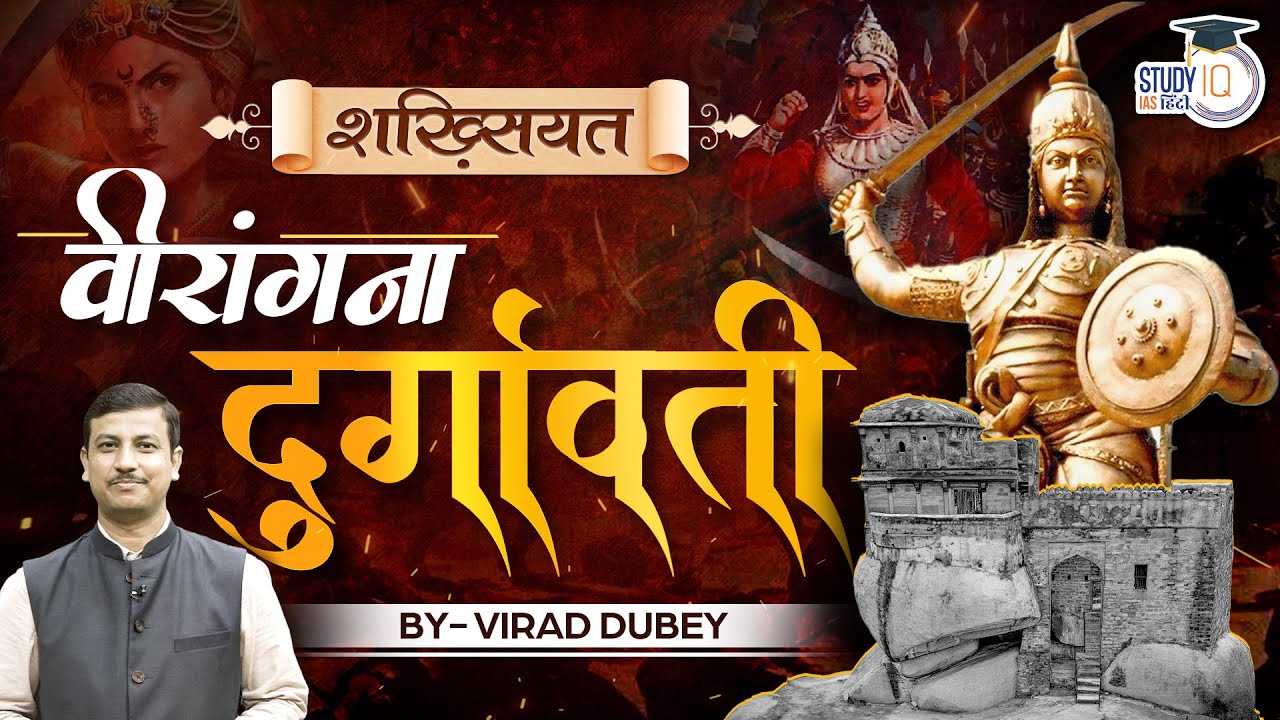
The Gond kingdom of Garh-Katanga (also called Garha Mandla) saw a famous battle against Mughal forces, led by its brave ruler, Rani Durgavati.
Legacy of Sangram Shah: Aman Das and Kingdom Expansion
The kingdom grew rich and strong under an earlier, forward-thinking ruler long before the Mughals arrived.
- (i) King Aman Das took the name Sangram Shah and helped expand Garh-Katanga during the .
- (ii) He built strong relations by arranging marriages with key families, such as the Chandel rulers.
- (iii) Before he passed away, he left behind a strong kingdom with vast resources, including soldiers, horses, and war elephants.
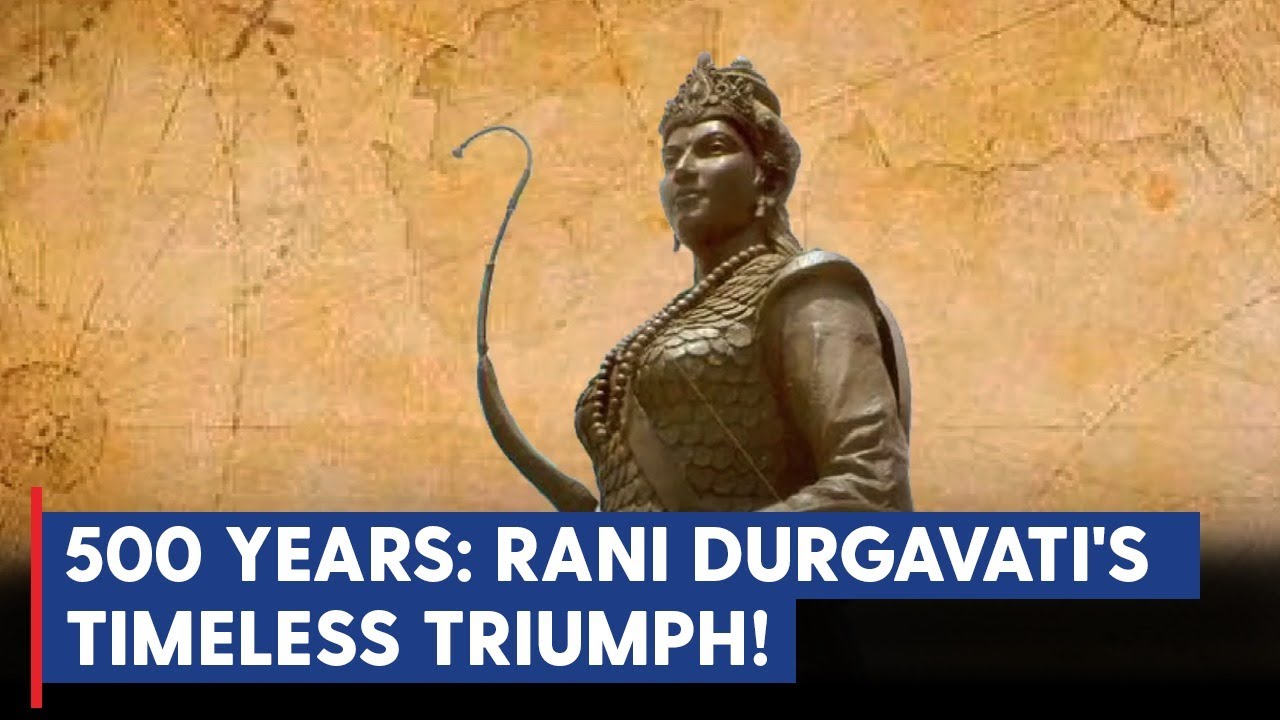
Rani Durgavati's Rule: A Skilled Marksman and Fearless Leader
After her husband passed away, Rani Durgavati took charge of the kingdom with great courage and skill.
- (a) She led the government wisely as a regent for her young son.
- (b) She was known as a skilled marksman and a brave military leader who earned the respect of her troops.
- (c) She defended her realm successfully against aggressive neighbors and later against the Mughal forces.
Asaf Khan's Invasion and the Self-Sacrifice of Rani Durgavati
The Mughal attack was driven by a desire for wealth and land, leading to a fierce fight near Jabalpur.
- (i) Asaf Khan's Greed: The Mughal commander, Asaf Khan, wanted the reported wealth and important location of Garh-Katanga. He attacked with 10,000 horsemen.
- (ii) Final Battle: Even after being badly wounded and left without help from her allies, Rani Durgavati kept fighting bravely against the larger army.
- (iii) Tragic Death: Facing defeat, she chose self-sacrifice and ended her own life near present-day Jabalpur to protect her honor.
⚡ Quick Revision Capsule: Central Indian Campaigns of Akbar
A quick look at key facts, historical figures, and events during the Mughal takeover of Malwa and Garh-Katanga.
| Region | Key Personalities | Outcome & Significance |
|---|---|---|
| Malwa | Baz Bahadur, Rupmati, Adham Khan | Conquered in ; integrated into the Mughal administrative framework. |
| Garh-Katanga | Sangram Shah, Rani Durgavati, Asaf Khan | Defeated near Jabalpur; wealth plundered by Asaf Khan; territory partially restored. |
| Mewar Alliance | Baz Bahadur (Refugee) | Temporary refuge given to Baz Bahadur before his submission as a mansabdar. |
| Mandu | Rupmati, Baz Bahadur | Cultural capital celebrated for music and poetry, lost to Mughal military force. |
| Central India | Akbar, Chandra Shah | Ten strategic forts retained under direct imperial Mughal control. |
📝 Summary
The conquest of Malwa and the taking of Garh-Katanga during the were important steps in expanding the Mughal Empire under Akbar. Stories of figures like Rupmati and Rani Durgavati show the strong local resistance against Mughal forces. For students, studying these events offers clear examples of Mughal military actions, cultural history, and administrative growth, as documented in historical works like Akbarnama.
🚀 Quick Revision Points
Essential facts to review before examinations:
- (i) Malwa was annexed by Adham Khan in , defeating ruler Baz Bahadur.
- (ii) Rupmati chose death over capture, becoming a symbol of devotion.
- (iii) Rani Durgavati led Garh-Katanga as regent and fought valiantly against Asaf Khan.
- (iv) Akbar restored core Gond lands to Chandra Shah while retaining ten key forts, as noted in the Akbarnama.
- 💡 Exam Tip: Focus on Akbar's diplomatic choices—such as making Baz Bahadur a mansabdar and giving land back to Chandra Shah—to answer questions on Mughal administrative policies.
❓ Frequently Asked Questions (FAQ)
Q1: Why did Malwa fall easily to Mughal forces in 1561?
A1: Malwa fell because its ruler, Baz Bahadur, focused heavily on arts and music while neglecting the maintenance and defense of his army.Q2: What was the result of Asaf Khan's invasion of Garh-Katanga?
A2: Rani Durgavati fought bravely but lost her life. Asaf Khan looted the kingdom's wealth, but Emperor Akbar later made him surrender it and restored part of the kingdom to Chandra Shah.Q3: What happened to Baz Bahadur after losing Malwa?
A3: After fleeing to Mewar, Baz Bahadur later surrendered to Akbar and was made an imperial official (mansabdar).