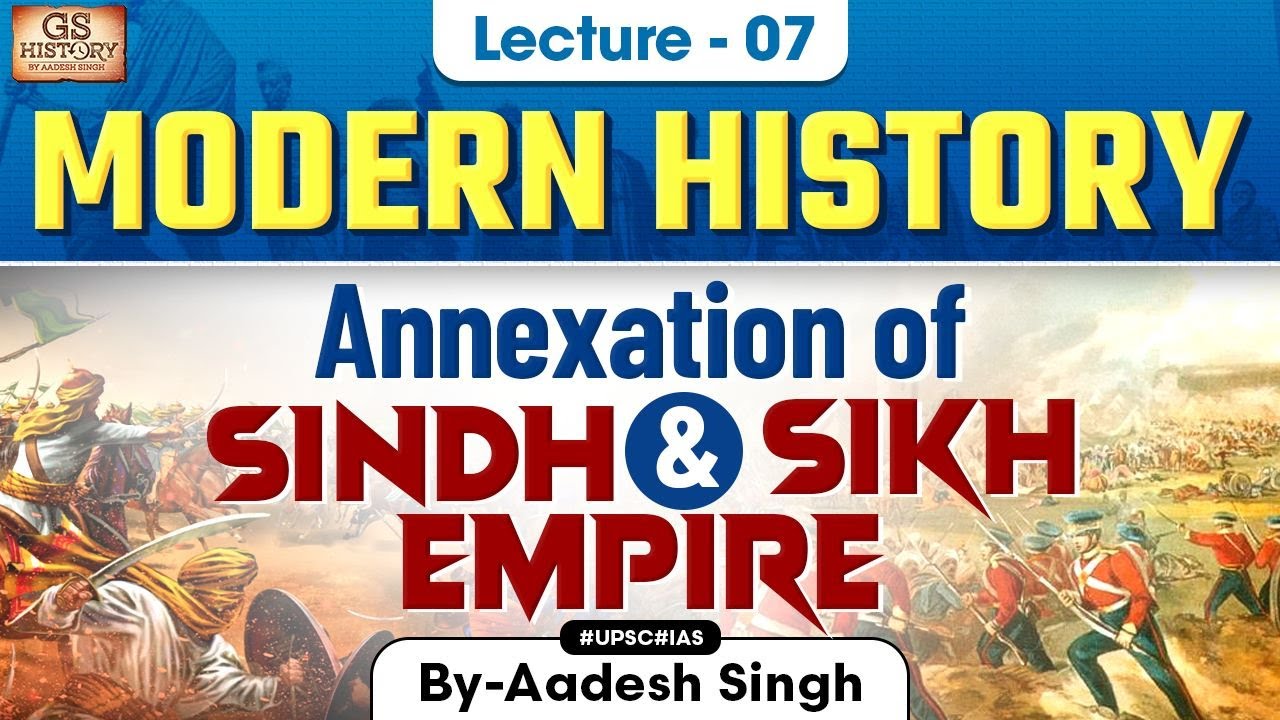
During the and early , the strategic British desire for trade routes and commerce in the Indian subcontinent intensified, leading to significant focus on Sindh. This era witnessed the consolidation of power by the influential Talpuras Amirs, who decisively shaped regional politics and commerce following the decline of the Kallora regime. The history of Sindh in this crucial period is defined by important treaties, imperial farmans, and the establishment of strategic trade settlements, making these developments vital for students preparing for competitive exams and studying Indian history and colonial trade dynamics.
🎯 In this chapter, you will understand:
- How the British used Mughal trade permissions to enter Sindh.
- The rise of the Talpura Amirs and the defeat of the Kallora rulers.
- The establishment and eventual closure of the English factory at Thatta.
- The territorial division of Sindh among the 'Char Yar' (Four Friends).
💡 Why this topic matters: Sindh was a vital gateway for riverine and maritime trade, making its political control essential to understanding British expansion in northwestern India.
🧠 Core Idea: Early British attempts to secure trade footholds in Sindh met mixed success until the Talpura dynasty unified and expanded regional rule, setting the stage for deeper colonial interest.
🏛️ Rise of the Talpuras Amirs and British Trade Ambitions in Sindh ()
The story of Sindh during this period combines the growth of local authority under the Talpuras with increasing strategic interest from British traders.
The transition across the and into the saw a clear shift in Sindh's political setup. This was marked by the fading power of the Mughal Empire and the rising influence of ambitious European trading powers, especially the British.
- (i) The original permission for British trade in Sindh was given through an official royal decree, or farman, issued by the reigning Mughal Emperor in .
- (ii) These initial trade rights granted at major ports gave the English East India Company essential operational bases. This presence continued until rising local tensions forced a change in the mid-18th century.
- (iii) The rise of the Talpuras marked a major political change, moving Sindh away from the divided rule of the Kallora chiefs toward a stronger, centralized government led by the Amirs.
💼 Early British Pursuit of Commerce in Sindh
The English used historical royal orders and local agreements to gain valuable trading privileges within the river and sea economy of Sindh.

📜 Imperial Farman Establishing British Trade Rights
The ability of the English to do business in Sindh was backed by an imperial Mughal order, giving them a legal right to trade for over a century.
- (i) The key farman of legally gave the English East India Company clear rights to trade at important ports along the coast and rivers of Sindh.
- (ii) These commercial rights were designed to match the advantages the British had already secured in other major trading centers across the Indian subcontinent.
⚔️ Consolidation of Power under the Talpuras Amirs in Sindh
Political power in Sindh shifted quickly as the strong Talpura clan replaced the declining Kallora chiefs and became the new rulers of the region.
🏢 The English Factory at Thatta and its Forced Closure
The British had a brief official presence when they were allowed to open a permanent trade post, though local political shifts soon ended it.
- (i) In , the English set up a trading factory in the historic city of Thatta, allowed by an official permit (parwana) issued by Ghulam Shah, the ruling Kallora prince.
- (ii) Showing clear favor to the British, Ghulam Shah issued another order in that banned all other Europeans from trading, making the English the only European traders allowed.
- (iii) However, this trade advantage ended in when the next ruler, Sarfraz Khan, changed the policy and forced the complete closure of the English factory.
👑 Settlement and Political Ascension of the Talpura Tribe
The strength of the Talpura dynasty grew from the movement and military skill of the Baluch tribe, leading to their political takeover in the late .
- (a) Starting in the , the powerful Baluch tribe known as the Talpuras began settling across the fertile plains of Sindh, steadily building their local influence.
- (b) These tribesmen were known as brave, skilled soldiers who could adapt well to the hard climate and tough conditions of the region.
- (c) The major turning point came in when Mir Fath (Fatah) Ali Khan established full control over the area and permanently exiled the last Kallora ruler.
- (d) This change in power was officially recognized when the Durrani king confirmed Mir Fath Khan's authority, advising him to share governance with his brothers, together known as the 'Char Yar' (The Four Friends).
🏰 Territorial Division and Military Expansion by the Amirs of Sindh
After taking power, the new Talpura Amirs divided the land among themselves and expanded their control through military force.
- (i) In , the rulers known as the Char Yar formally divided the kingdom, cementing their roles as individual governing Amirs of Sindh.
- (ii) Using their army, they expanded their control over major strategic places, including Amarkot, the port city of Karachi, the trade hub of Shikarpur, and the fort of Bukkar.
- (iii) This expansion firmly placed the Talpuras as the ruling elite across all of Sindh.
⚡ Quick Revision Capsule: Key Historical Events in Sindh
A quick chronological breakdown of major trade permissions, rulers, and political events in Sindh during the 18th and 19th centuries.
| Year / Period | Key Event / Document | Significance & Impact |
|---|---|---|
| Mughal Imperial Farman | Granted the English East India Company original trading rights at Sindh's ports. | |
| Thatta Factory Establishment | Ghulam Shah Kallora issued a parwana allowing an English trade post at Thatta. | |
| Exclusion of Other Europeans | Ghulam Shah granted the British exclusive European trading privileges in Sindh. | |
| Closure of Thatta Factory | Sarfraz Khan Kallora revoked British privileges and closed the Thatta trading post. | |
| Rise of Mir Fath Ali Khan | The Talpuras defeated the Kalloras; Durrani monarch confirmed governance by the 'Char Yar'. | |
| Territorial Division | The Char Yar divided Sindh among themselves and captured Karachi, Amarkot, Shikarpur, and Bukkar. |
📝 Summary
This period highlights how growing British trade goals met the firm rule of the Talpuras Amirs in Sindh. Key events—from the royal decree of to the setup of the Char Yar in —changed the political landscape of the region and laid the foundation for future colonial interest in northwestern India.
🚀 Quick Revision Points
Essential facts to review before examinations:
- (i) The first British trade rights in Sindh were granted by a Mughal farman in .
- (ii) The English built a factory at Thatta in under Ghulam Shah Kallora, which closed in under Sarfraz Khan.
- (iii) The Talpuras were a Baluch tribe who took control of Sindh in under Mir Fath Ali Khan.
- (iv) Sindh was governed by four brothers known as the 'Char Yar', who expanded their power to Karachi and Shikarpur.
- 💡 Exam Tip: Remember the timeline: 1630 (Mughal Farman) → 1758 (Thatta Factory) → 1775 (Factory Closure) → 1783 (Talpura takeover under Char Yar).
❓ Frequently Asked Questions (FAQ)
Q1: Who granted the first trading rights to the British in Sindh?
A1: The Mughal Emperor granted the original trading rights through a royal farman in .Q2: What was the 'Char Yar' in Sindh's history?
A2: The 'Char Yar' (Four Friends) refers to Mir Fath Ali Khan and his three brothers, who divided and jointly ruled Sindh under the Talpura dynasty.Q3: Why was the English factory at Thatta closed in 1775?
A3: Ruler Sarfraz Khan Kallora reversed his predecessor's pro-British policies and ordered the factory to close and leave Thatta.