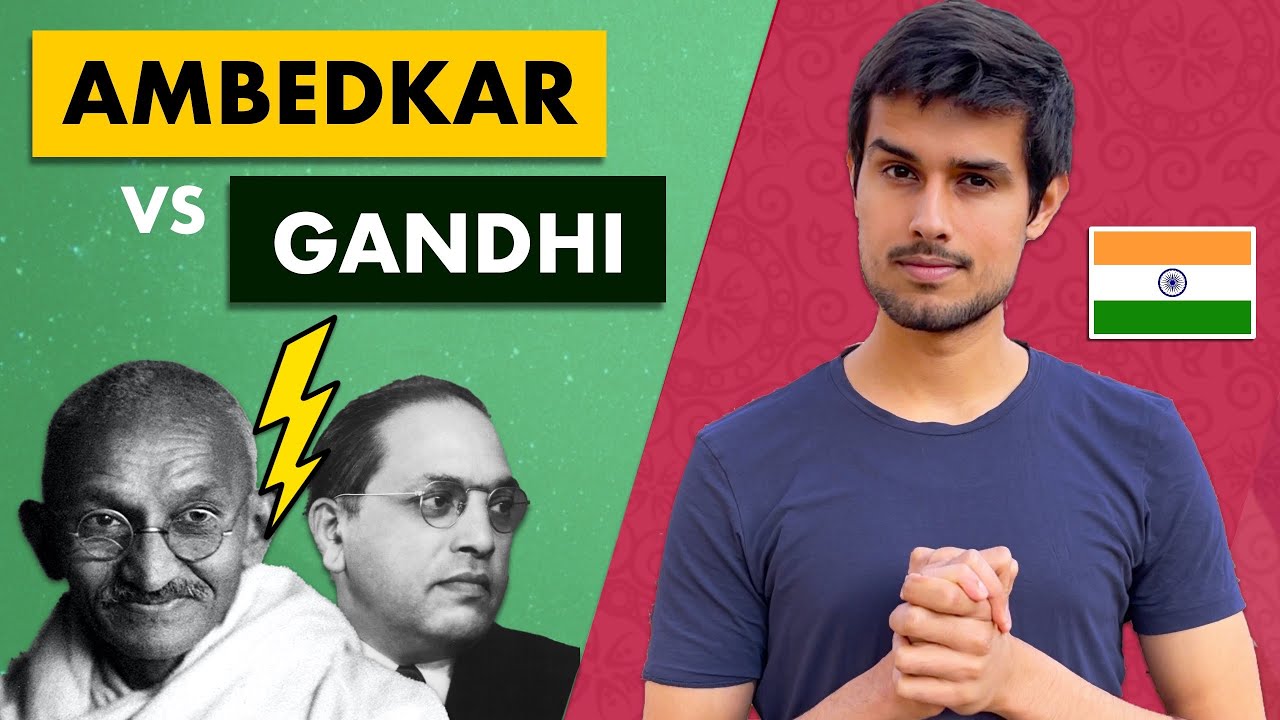
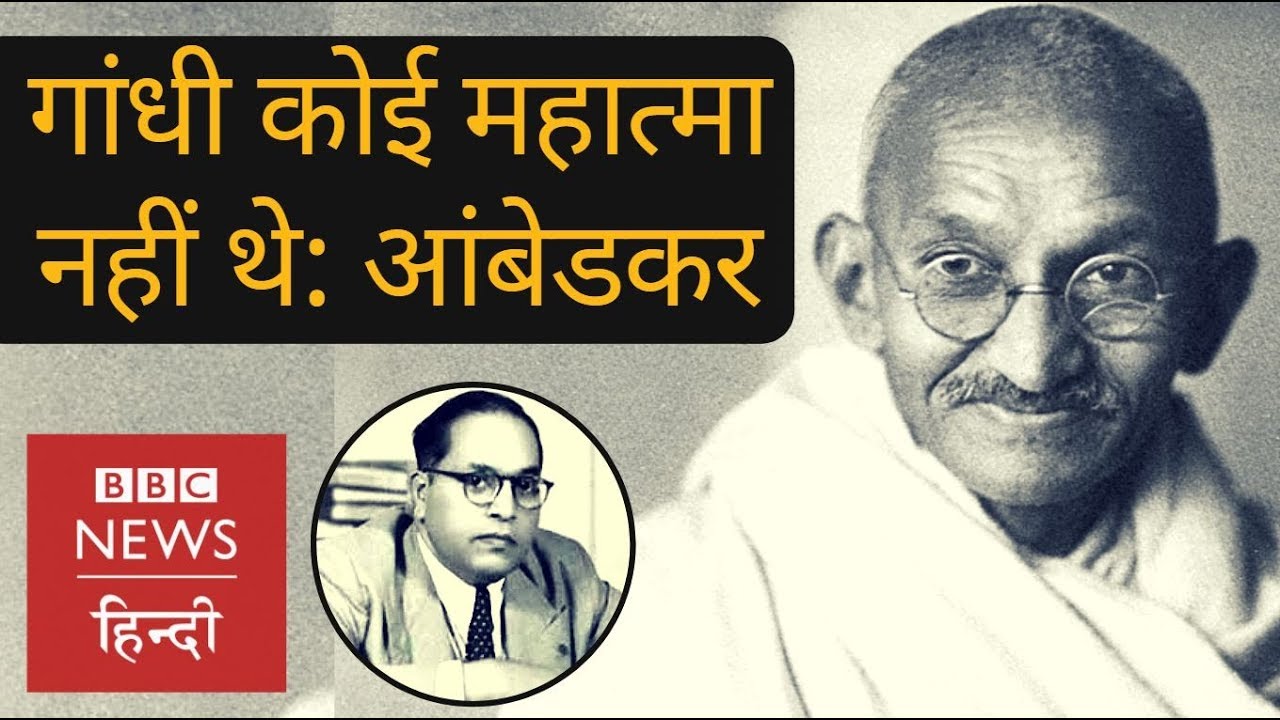
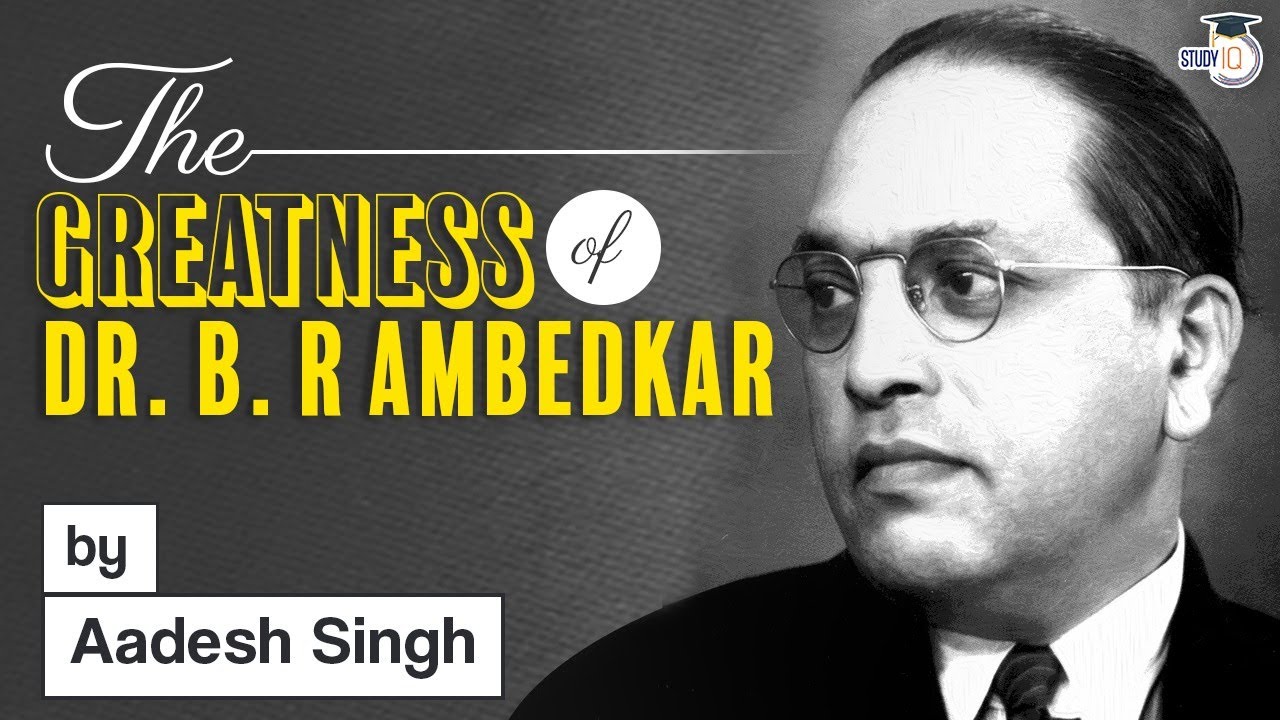
A deep comparison of the ideological clash and cooperation between Mahatma Gandhi and B.R. Ambedkar during the Indian freedom struggle. This study examines their views on social reform, democracy, and the annihilation of caste, giving clear insights for students preparing for competitive exams and historical research.
🎯 In this chapter, you will understand:
- The differing methods of Gandhi and Ambedkar regarding caste, untouchability, and social equality.
- Their debates on democracy, village self-rule (Gramraj), and parliamentary institutions.
- Their unique positions on economic growth, industrialization, and non-violence.
- How their shared vision created the foundation for modern Indian constitutional rights.
💡 Why this topic matters: The debates between Gandhi and Ambedkar shaped modern India's Constitution and its fundamental principles of social justice.
🧠 Core Idea: While Gandhi focused on moral awakening and rural decentralization, Ambedkar insisted on legal rights, constitutional guarantees, and modern urbanization.
Comparative Analysis of Gandhi and Ambedkar: Social, Political, and Ideological Perspectives ()
India's journey toward independence was guided by two legendary leaders whose visions for a free country often took different paths but shared a deep desire for human dignity.
The relationship between these two leaders was complex, marked by genuine respect alongside sharp debate, mainly focused on how to uplift oppressed communities and structure the future Indian nation.
- (i) Mahatma Gandhi represented a traditional, spiritual, and moral force that aimed to transform society through inner personal change.
- (ii) Dr. B.R. Ambedkar represented legal logic, focusing on firm laws, government rules, and protective rights for the Dalits.
- (iii) Their famous debates, especially around the Poona Pact of , remain key moments in Indian political thought.
Symbolism and Beliefs: Resistance Against Oppression and Colonial Rule
Both leaders used powerful symbolic actions to challenge existing power structures, though each focused on a different primary target in the freedom struggle.

Symbolic Acts of Resistance as Tools for Mass Mobilization
During India's struggle for independence, symbolic acts often spoke louder than words. Gandhi focused outward against foreign colonial rule, while Ambedkar focused inward against the social injustice of caste discrimination.
The Gandhian Perspective on Economic Autonomy
- (i) Gandhi famously led campaigns to burn foreign cloth to represent complete rejection of economic dependence.
- (ii) This act promoted Swadeshi (self-reliance), encouraging Indians to gain freedom by making their own goods using the spinning wheel.
The Ambedkarite Challenge to Scriptural Authority
- (i) B.R. Ambedkar took the radical step of burning the text Manusmriti in .
- (ii) This action was an explicit challenge to religious orthodoxy and a direct demand for a society built on equality.
Different Perceptions of Freedom: Popular Will vs. Institutional Security
Their understanding of national sovereignty differed; one sought it through the moral spirit of the people, while the other sought it through clear constitutional laws.
- (i) Gandhi: Thought that freedom was a lived experience that people must earn through self-discipline and peaceful resistance (Satyagraha).
- (ii) Ambedkar: Stated that for marginalized groups, real freedom requires strong legal protections and a reliable constitutional framework.
Democracy and Government: Gandhi’s Skepticism vs. Ambedkar’s Advocacy
The discussion on how to govern free India created a major contrast between self-reliant Village Republics and a Centralized Parliamentary System.
The Efficacy of Parliamentary Democracy in India
While Gandhi worried that big political institutions could easily become corrupt, Ambedkar viewed the parliament as a crucial safety net for minorities.
- (i) Gandhi’s View: He was cautious about standard parliamentary institutions, famously questioning their effectiveness in his book Hind Swaraj because they often acted without independent conviction.
- (ii) Ambedkar’s View: As the primary architect of the Indian Constitution, he strongly supported parliamentary democracy as the best system for fairness, representation, and government accountability.
Ideology and Social Views: Practicality vs. Liberalism
Gandhi believed the true heart of India lived in its quiet villages, whereas Ambedkar cautioned that traditional villages could perpetuate local prejudice and ignorance.
Vision of Gramraj vs. Modern Liberal Ideology
Their ideological disagreement turned on whether traditional village systems could serve as a fair basis for society.
- (i) Gandhi: Envisioned Gramraj (Village Self-Rule), where local power would allow every person to have a direct say in their community's economy and governance.
- (ii) Ambedkar: Rejected this idealization of rural life, championing a modern liberal ideology focused on protecting individual rights through a structured, urbanized state.
⚡ Quick Revision Capsule: Gandhi vs. Ambedkar Comparison
A quick side-by-side view of key differences and approaches between Gandhi and Ambedkar during the freedom movement.
| Feature / Topic | Mahatma Gandhi | Dr. B.R. Ambedkar |
|---|---|---|
| Primary Focus | Moral renewal and national unity against British rule | Legal rights and social equality for Dalits |
| Ideal Governance | Decentralized village self-rule (Gramraj) | Centralized parliamentary democracy |
| Caste System Strategy | Moral reform and reform within Varna system | Complete annihilation of caste through law |
| Economic Outlook | Cottage industries and hand-spinning wheel | Modern industrialization and technological growth |
| Approach to Resistance | Strict non-violence (Ahimsa) and moral pressure | Constitutional means, legal rights, and pragmatism |
Social Reforms and Untouchability: Moral Reform vs. Legal Remedies
Removing untouchability was a fundamental goal for both leaders, but their diagnoses and proposed solutions were very different.
Moral Atonement vs. Structural Transformation
Gandhi wanted to reform the conscience of upper castes, while Ambedkar focused on securing equal social and legal status for the oppressed.
The Gandhian Path of Integration
- (i) Gandhi viewed untouchability as a moral sin that required deep personal repentance from upper-caste Hindus.
- (ii) He introduced the term Harijan (Children of God) to build a feeling of shared spiritual connection and dignity.
The Ambedkarite Path of Legal Rights
- (i) Ambedkar firmly rejected the label Harijan as patronizing, insisting instead on Dalit or Depressed Classes.
- (ii) He maintained that untouchables needed distinct political representation, separate voting options, and binding legal protections.
Religion and State: Freedom vs. Secularism
How faith and politics interacted was a key point of discussion in their plans for a free India.
The Role of Religion in Public Life
For Gandhi, politics without religion lacked moral direction; for Ambedkar, bringing religion into public administration risked social bias.
- (i) Ambedkar: Supported strong public secularism where the government stays neutral and treats religion purely as a personal choice.
- (ii) Gandhi: Supported complete freedom of religion, arguing that healthy governance must be anchored in spiritual ethics.
Violence and Non-Violence: Purity of Means vs. Justified Ends
The principle of non-violence (Ahimsa) formed the foundation of their approaches to political and social reform.
The Absolute vs. Pragmatic Non-Violence
A central ethical question of the Indian freedom struggle was whether noble goals could justify any method used to reach them.
- (i) Gandhi: Maintained that the process is just as vital as the final goal, rejecting all violence because force only produces an aggressive society.
- (ii) Ambedkar: Preferred peaceful methods but took a pragmatic approach, acknowledging that self-defense can be necessary to protect fundamental human rights.
Mechanisation and Production: Traditional Skepticism vs. Modern Advocacy
In economics, their positions on modern machinery reflected a clash between traditional village production and industrial modernization.
Impact of Industrialization on Human Dignity
They viewed modern technology differently: as a risk of exploitation or as a tool for liberation.
- (i) Gandhi: Concerned that rapid mechanisation would cause widespread job loss, he promoted small, labor-friendly local industries.
- (ii) Ambedkar: Saw modern civilization and factory growth as essential to help people leave rigid, caste-based rural labor roles.
Shared Goals: A Unified Vision of Equality and Social Reform
Despite their energetic debates, both leaders shared an unwavering commitment to the upliftment of the Indian people.
The Synergy of Two Revolutionary Paths
Their complementary work helped ensure that principles of social justice became core pillars of modern India.
- Non-Violent Transformation: Both committed to using peaceful, democratic, and law-based steps to accomplish lasting social change.
- Communication Methods:Gandhi spoke in local languages to build a popular mass movement, while Ambedkar used legal English to draft protective rules in the Constitution.
- On Untouchability: Though using different tactics, they jointly made the abolition of untouchability an essential national commitment.
📝 Summary
The historical debate between Mahatma Gandhi and B.R. Ambedkar between and formed a primary foundation for modern India. Their contrasting perspectives on religion, democracy, and economic development created a balanced system of ideas. As documented in works like Hind Swaraj and The Annihilation of Caste, understanding these comparative views helps students grasp how concepts of justice, equality, and national freedom were established around and beyond.
🚀 Quick Revision Points
Essential facts to review before examinations:
- (i) Gandhi championed rural self-sufficiency through Gramraj and local Swadeshi production.
- (ii) Ambedkar drafted the Indian Constitution and advocated for strong centralized parliamentary democracy.
- (iii) Gandhi used moral persuasion and termed oppressed groups Harijan.
- (iv) Ambedkar insisted on legal rights, rejected Harijan for Dalit, and burned the Manusmriti in .
- 💡 Exam Tip: Focus on how Gandhi's moral-spiritual approach and Ambedkar's constitutional-legal approach complemented each other in shaping independent India.
❓ Frequently Asked Questions (FAQ)
Q1: What was the main difference between Gandhi and Ambedkar on ending untouchability?
A1: Gandhi focused on moral reform and changing hearts among upper castes, whereas Ambedkar demanded legal protections, constitutional rights, and political representation for Dalits.Q2: How did their economic visions differ for free India?
A2: Gandhi promoted decentralized cottage industries and the spinning wheel (Swadeshi), while Ambedkar favored industrialization and urbanization to break traditional caste barriers.Q3: What was the Poona Pact of 1932?
A3: The Poona Pact was an agreement between Gandhi and Ambedkar that replaced separate electorates for Depressed Classes with reserved seats within the general electoral system.