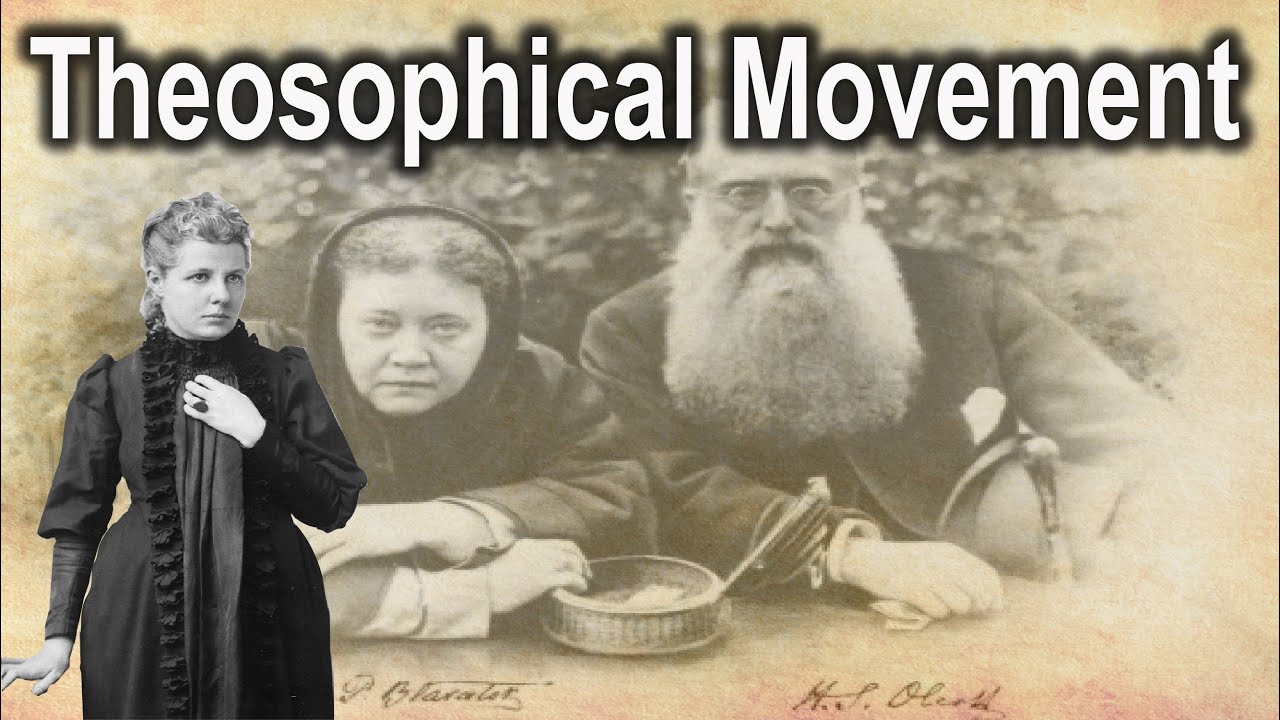
The Theosophical Society, established in by Madame Blavatsky and Colonel Olcott, emerged as a transformative force promoting universal brotherhood, social reform, and a profound Indian philosophical revival. Under the later guidance of Annie Besant, the movement championed education, women’s rights, and the Hindu renaissance, making it a cornerstone for students analyzing the cultural resistance against British colonial rule.
🎯 In this chapter, you will understand:
- The origins and relocation of the Theosophical Society to India.
- Core philosophical doctrines blending Western mysticism with Hindu metaphysics.
- Key social reform initiatives and educational contributions by Annie Besant.
- The historical impact and critical legacy of the movement on Indian nationalism.
💡 Why this topic matters: It reveals how an international organization helped rebuild cultural confidence and national pride in colonial India.
🧠 Core Idea: Combining Eastern spiritual practices with global reform created a powerful foundation for Indian self-respect and social change.
📌 Theosophical Society: Origins, Aims, Activities, Leadership, and Impact (1875–1933)
The founding of the Theosophical Society in was not merely an institutional event but a turning point in the cultural and spiritual revival of India. Originating in the West but finding its true soul in the East, the Society bridged the gap between ancient wisdom and modern reform, influencing the very fabric of Indian education and social thought.
Founding and Global Expansion
The organizational development of the movement followed a global journey before establishing its core roots in South Asia.
- (i) The movement was officially inaugurated in through the collaborative efforts of Madame H.P. Blavatsky and Colonel M.S. Olcott in New York.
- (ii) Recognizing India as its spiritual home, the headquarters was relocated to Adyar, near Madras, in , which remains its global center today.
- (iii) The core mission centered on universal brotherhood, seeking to strip away the rigidities of contemporary Indian social practices through a return to spiritual roots.
📌 Philosophical Beliefs and Mystical Foundations of the Theosophical Society
The Society synthesized the mystical elements of the West with the deep metaphysical currents of Hindu thought to uncover what they termed 'higher truths'.

Religious and Philosophical Inspiration and Deep Metaphysics
The narrative of Theosophy is built upon the belief that humanity can transcend the physical plane to achieve a direct communion with the divine.
The Concept of Divine Unity
Spiritual progress was seen as an internal and moral evolution available to every seeker.
- (i) The Society taught the essential unity of the human soul with God, achievable through dedicated contemplation, prayer, and revelation.
- (ii) Members wholeheartedly accepted the Indian doctrines of reincarnation and karma, viewing life as a continuous journey of evolution.
Scriptural and Vedic Foundations
Key texts from Indian antiquity formed the structural basis of their study courses.
- (a) Extensive inspiration was drawn from the Upanishads and the Vedanta philosophy.
- (b) The analytical frameworks of Samkhya and the disciplined practices of Yoga were integrated into their spiritual curriculum.
📌 Strategic Aims and Transformative Activities of the Theosophical Society
Beyond spiritual discourse, the movement acted as a catalyst for social reform and the active revival of traditional Indian cultural values.
Universal Brotherhood as a Social Mandate
This aim was the cornerstone of their identity, functioning as a direct challenge to the divisive social hierarchies of the .
- (i) They advocated for a universal brotherhood that functioned irrespective of race, creed, sex, caste, or color, promoting a radical equality for the era.
Social Reform Initiatives and Public Advocacy
The Society did not shy away from the darker aspects of society, actively campaigning against entrenched prejudices and harmful customs.
Public advocacy initiatives focused on women's education and removing caste barriers. - Social Justice: Dedicated campaigns were directed against child marriage and toward eliminating caste discrimination.
- Upliftment Programs: Direct efforts were made for the advancement of outcastes and improving widows’ conditions across India.
- Cultural Synergy: It was closely allied with the Hindu renaissance and maintained a brief collaboration with the Arya Samaj to promote Vedic teachings.
📌 The Era of Annie Besant: Leadership and Educational Expansion
The arrival of Annie Besant (–) marked a new chapter of dynamic growth and political-cultural integration for the Society in India.
The Rise of Annie Besant’s Leadership
A formidable orator and reformer, Besant transformed the Society into a household name within the Indian intelligentsia.
- (i) After arriving in India in , she deeply immersed herself in the country's struggle for reform and identity.
- (ii) Following Olcott’s death in , she was elected president, a role she used to champion Indian self-rule and dignity.
The Foundation of Central Hindu College (1898)
Education was Besant's chosen tool for national awakening, leading to the creation of one of India's most prestigious institutions.
The Vision at Benaras
The educational model blended local moral values with scientific knowledge.
- (a) She established the Central Hindu College at Benaras in to provide a balanced education.
- (b) The curriculum taught both the spiritual tenets of the Hindu religion and the empirical advancements of Western science.
- (c) This institution eventually became the foundational pillar of the Banaras Hindu University in .
Advocacy for the Education of Women
Besant recognized that no nation could rise while half its population remained in the dark, leading to her crusade for female literacy.
- (i) She was a tireless advocate for women’s education, viewing it as essential for the true empowerment of the Indian family and state.
⚡ Quick Revision Capsule: Theosophical Society Overview
This quick revision table provides a snapshot of core milestones, leadership, and contributions for fast exam preparation.
| Key Aspect | Details & Historical Facts | Impact & Significance |
|---|---|---|
| Founding Year & Place | Established in in New York, USA | Initiated a global interest in Eastern philosophies |
| Founders | Madame H.P. Blavatsky & Colonel M.S. Olcott | Created global bridge between Western and Eastern thought |
| Indian Headquarters | Moved to Adyar (Madras) in | Established India as the worldwide center of Theosophy |
| Key Leader in India | Annie Besant (Arrived , President ) | Linked cultural revival directly to nationalism |
| Major Educational Legacy | Central Hindu College at Benaras () | Formed the nucleus of Banaras Hindu University () |
📝 Summary
The Theosophical Society, birthed in by the visionary duo of Blavatsky and Olcott and steered to greatness by Annie Besant, remains a vital chapter in the story of social reform and Hindu philosophy. While its direct influence may have been concentrated among the elite, its role in fueling Indian nationalism and restoring cultural confidence under British colonial rule is undeniable. For students, mastering this topic is essential for a complete understanding of the Indian cultural renaissance as documented in historical texts like Modern India.
🚀 Quick Revision Points
Essential facts to review before examinations:
- (i) Founded in in New York; shifted to Adyar in .
- (ii) Core principle was universal brotherhood without discrimination by caste, race, or sex.
- (iii) Strongly advocated reincarnation, karma, and study of Upanishads.
- (iv) Annie Besant established Central Hindu College in , later expanding to BHU in .
- 💡 Exam Tip: Focus on the transition of Central Hindu College into BHU and Annie Besant's dual contribution to education and national awakening.
❓ Frequently Asked Questions (FAQ)
Q1: Who were the main founders of the Theosophical Society?
A1: It was founded by Madame H.P. Blavatsky and Colonel M.S. Olcott in .Q2: Where was the international headquarters of the Society established in India?
A2: The international headquarters was established at Adyar near Madras in .Q3: What was Annie Besant's major educational contribution?
A3: She established the Central Hindu College at Benaras in , which later became Banaras Hindu University in .