The Vokkaliga Sangha, Justice Movement, and Self-Respect Movement represent key social and political reform movements within Mysore and the Madras Presidency. Spanning from through the , these powerful initiatives were designed to challenge Brahmin dominance and secure social justice for non-Brahmin communities. Understanding this historical significance is vital for students aiming for excellence in Indian history exams and civil service preparations.
🎯 In this chapter, you will understand:
- The main goals of non-Brahmin reform movements in South India.
- The role of the Vokkaliga Sangha in educational and administrative reforms in Mysore.
- How the Justice Movement fought for legislative and job representation.
- The radical social reforms introduced by Periyar through the Self-Respect Movement.
💡 Why this topic matters: It highlights how early 20th-century activism reshaped political participation and social rights across Southern India.
🧠 Core Idea: Non-Brahmin communities organized to dismantle systemic inequalities in education, governance, and religious practice.
Historical Significance of the Vokkaliga Sangha, Justice Movement, and Self-Respect Movement in South India
This period marked a transformative era of socio-political reform focused on empowering non-Brahmin communities across South India.
The start of the 20th century saw organized resistance against deep caste-based inequalities. These efforts were not just political; they were educational and administrative campaigns that reshaped society in Mysore and Madras. By advocating for greater participation in government and challenging religious monopolies, they created modern frameworks for social justice.
- (i) The rise of the Vokkaliga Sangha as a organized response to Brahmin dominance in administration, education, and religious leadership.
- (ii) The work of the Justice Movement, which focused on securing legislative representation and access to government jobs for non-Brahmin groups.
- (iii) The radical Self-Respect Movement, which sought complete social equality by removing caste-based religious practices.
Background and Impact of the Vokkaliga Sangha in Mysore
Emerging as an important community organization, the Vokkaliga Sangha stood as a strong advocate for the Vokkaliga community against social and political challenges.

The Strategic Anti-Brahmin Movement of 1905
In , the Vokkaliga Sangha launched a campaign to challenge Brahmin dominance. This initiative helped the community demand fair access to government jobs and educational institutions in Mysore. By stressing the importance of social justice, the movement promoted equality across the region.
- (i) Demanded fair representation in the Mysore Civil Services.
- (ii) Built a foundation for non-Brahmin students to pursue higher education without bias.
Community Empowerment and Modern socio-economic Impact
Beyond political progress, the Sangha concentrated on the long-term growth of the Vokkaliga community. It aimed to balance modern progress with preserving cultural heritage, improving living standards while keeping strong communal ties.
Institutional Development and Welfare
Key welfare and growth initiatives established by the Sangha include:
- (a) Managing educational institutions that provide specialized academic training.
- (b) Developing healthcare facilities to serve both the community and the public.
- (c) Running ongoing welfare projects that support the wider non-Brahmin movement.
The Justice Movement: Securing Rights for Non-Brahmin Communities
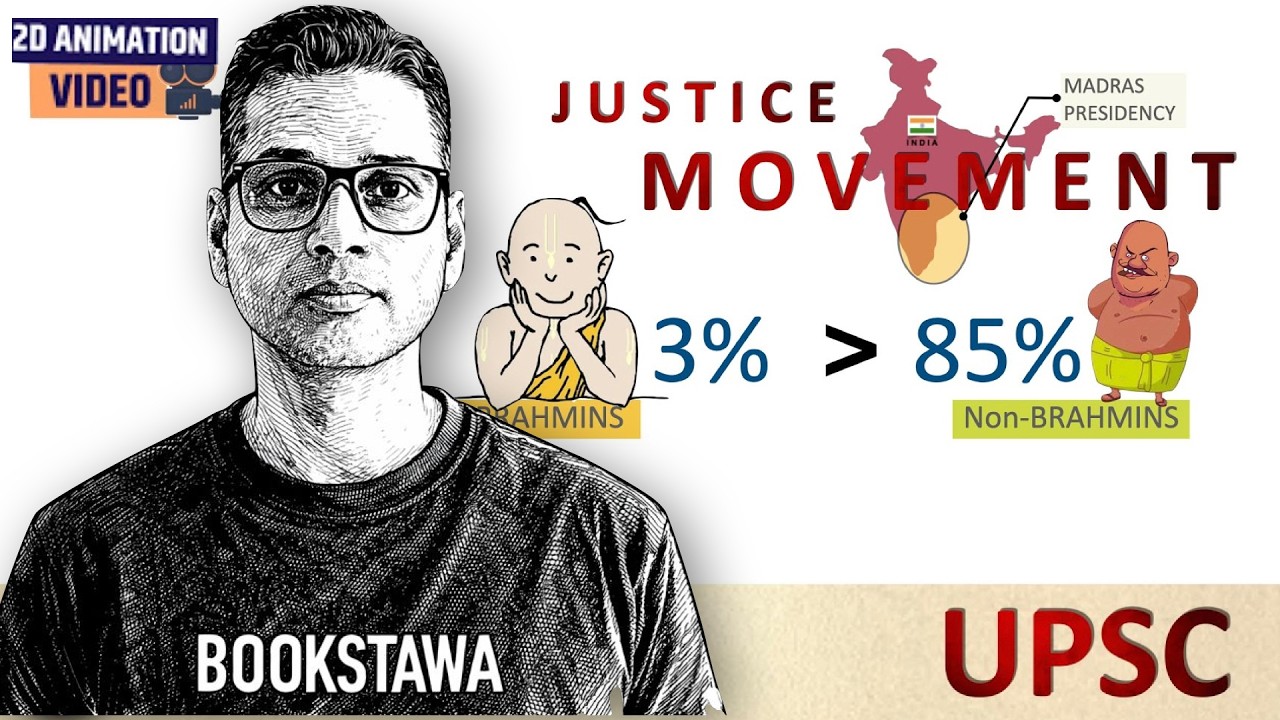
In the Madras Presidency, the Justice Movement served as the main political force working to secure legislative seats and government positions for non-Brahmin populations.
Visionary Founders and Core Strategic Objectives
The movement was led by key figures who recognized that political inclusion was necessary for social progress. Guided by Leaders like C.N. Mudaliar, T.M. Nair, and P. Tyagaraja, the movement declared that non-Brahmin majorities must have an active voice in government affairs.
- (i) Systematic lobbying for legislative representation to influence public policy.
- (ii) Establishing the South Indian Liberal Federation to provide a unified platform for non-Brahmins.
- (iii) Opening opportunities for lower-caste individuals within the Madras Presidency administration.
The Landmark Milestone of 1917
A major milestone occurred in with the establishment of the Madras Presidency Association. This group helped represent lower-caste interests and presented non-Brahmin concerns to the British administration.
- (a) Uniting diverse non-Brahmin sub-castes around shared political goals.
- (b) Publishing the Non-Brahmin Manifesto, which outlined the movement's needs and aspirations.
The Self-Respect Movement: Championing Social Reforms and Equality
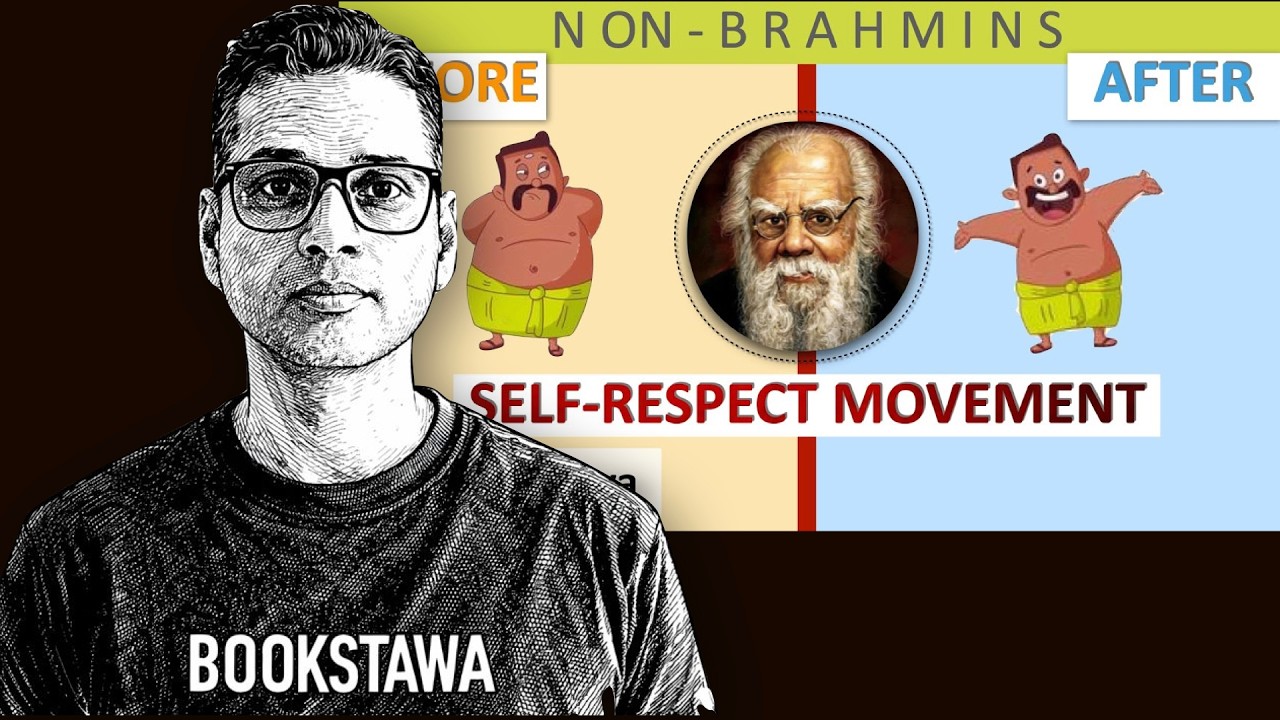
Started by E.V. Ramaswamy Naicker (popularly known as Periyar) in the mid-, this movement aimed for fundamental social and cultural reform.
Founder’s Philosophy and Primary Egalitarian Goals
Periyar taught that political power means little without self-respect and dignity. His Self-Respect Movement sought social equality by addressing the root causes of caste discrimination. He maintained that a person's worth depends on their humanity, not their birth, directly challenging traditional practices that maintained social hierarchies.
- (i) Promoting Self-Respect marriages, which took place without Brahmin priests or traditional Sanskrit rites.
- (ii) Challenging caste-based exclusion in public areas and places of worship.
- (iii) Encouraging non-Brahmin communities to take pride in their identity and reject unequal customs.
⚡ Quick Revision Capsule: Key South Indian Reform Movements
A concise summary of the major movements, key leaders, primary focus areas, and key achievements.
| Movement / Organization | Key Leaders & Region | Primary Focus & Impact |
|---|---|---|
| Vokkaliga Sangha | Mysore () | Education access, civil service representation, and community welfare initiatives. |
| Justice Movement | C.N. Mudaliar, T.M. Nair, P. Tyagaraja (Madras Presidency) | Published the Non-Brahmin Manifesto and advocated for legislative and government employment representation. |
| Madras Presidency Association | Formed in (Madras Presidency) | United non-Brahmin sub-castes to present collective political demands to the government. |
| Self-Respect Movement | E.V. Ramaswamy Naicker (Periyar) () | Promoted social equality, dignity, Self-Respect marriages, and challenged caste-based discrimination. |
📝 Summary
The collective efforts of the Vokkaliga Sangha, Justice Movement, and Self-Respect Movement transformed the social landscape of South India. By empowering non-Brahmin communities and advocating for social justice, these movements successfully challenged caste inequalities that existed for generations. For students, studying these developments from through the provides clear insight into how anti-caste activism shaped modern political representation and civil rights in India.
🚀 Quick Revision Points
Essential facts to review before examinations:
- (i) The Vokkaliga Sangha () focused on education and civil service access in Mysore.
- (ii) The Justice Movement created the South Indian Liberal Federation and issued the Non-Brahmin Manifesto.
- (iii) The Madras Presidency Association was established in to unite non-Brahmin groups.
- (iv) Periyar introduced the Self-Respect Movement in the to emphasize equality and dignity over caste rituals.
- 💡 Exam Tip: Pay close attention to the distinct methods used by each movement—such as administrative lobbying by the Justice Party versus social and cultural reform by Periyar's Self-Respect Movement.
❓ Frequently Asked Questions (FAQ)
Q1: What was the main objective of the Vokkaliga Sangha in 1905?
A1: Its main goal was to challenge Brahmin dominance in civil services and education while securing fair opportunities for the Vokkaliga community in Mysore.Q2: What role did the Justice Movement play in Madras?
A2: The Justice Movement mobilized non-Brahmin communities to secure legislative representation and fair access to government jobs within the Madras Presidency.Q3: How did Periyar's Self-Respect Movement address social inequality?
A3: Started in the by Periyar, the Self-Respect Movement promoted Self-Respect marriages without priests, challenged caste exclusion in public spaces, and advocated for human dignity.