The voting process in India encompasses a rigorous journey from candidate oath-taking and election campaigning to polling procedures, electronic voting, and the final counting of votes. These procedural steps, strictly overseen by the Election Commission of India, are designed to ensure transparency, fairness, and efficiency in the world's largest democracy, making them critical study material for students studying Indian elections and democratic governance.
🎯 In this chapter, you will understand:
- How political candidates formally pledge loyalty to the Constitution before contesting an election.
- The timeline, rules, and code of conduct that govern election campaigns across the country.
- How polling stations are set up and how voters cast secret ballots safely.
- The role of Electronic Voting Machines (EVMs), vote counting, and judicial resolution of election disputes.
💡 Why this topic matters: India is the world's largest democracy. Understanding how elections work helps us see how leaders are chosen fairly, how laws protect voters' choices, and how millions of votes are counted accurately without bias.
🧠 Core Idea: Voting in India follows a clear set of step-by-step legal rules managed by an independent authority—from candidate registration and public speeches to electronic voting and legal checks.
Election Process in India — Candidate Oath, Campaign, Voting, EVM & Counting of Votes
A structured journey of democratic participation begins long before the first vote is cast, rooted in legal protocols and constitutional mandates. The electoral framework ensures that every participant, from the candidate to the voter, operates within a system of accountability and precision to maintain the sanctity of the Representation of the People Act. This entire sequence guarantees that elections remain free, fair, and orderly across every state and union territory in India.
- (i) The process initiates with the formalization of candidacy through a solemn oath.
- (ii) It transitions into a high-energy period of public engagement known as the campaign.
- (iii) It culminates in the technical execution of polling and the systematic tabulation of the public's will.
The Solemn Rite: Candidate Oath or Affirmation
Before entering the political arena, every aspirant must bind themselves to the Constitution of India through a formal oath. Taking this oath is a non-negotiable legal requirement. It ensures that every candidate promises to respect the sovereignty and integrity of India before asking citizens for their votes.

Protocol for Administering the Oath
The law specifies exactly who can witness this legal commitment to ensure its validity and authenticity across various circumstances, making sure no candidate is left out due to unavoidable physical obstacles.
- (i) Under normal circumstances, the authorized officers are the Returning Officer or the Assistant Returning Officer of the specific constituency.
- (ii) Special provisions exist for candidates in unique situations:
- (a) For those confined in prison or under preventive detention, the prison superintendent or detention commandant is empowered to act.
- (b) For bedridden or hospitalized candidates, the medical superintendent or the attending doctor is authorized.
- (c) Candidates residing outside India can fulfill this via the Indian Ambassador, High Commissioner, or an authorized consular officer.
- (iii) Timing is critical; the oath must be administered immediately after the nomination is submitted and strictly no later than the day before scrutiny.
The Battle for Hearts: The Election Campaign
The campaign is the vibrant heart of the voting process in India, serving as the primary window for voters to evaluate their future leaders. During this active period, political parties present their ideas, plans, and promises directly to the public so citizens can make informed decisions when casting their ballots.
Chronology of the Campaign Phase
The transition from a nominee to a campaigner follows a strict statutory timeline to ensure a level playing field for all political parties and independent candidates alike.
- (i) Nominations are filed within a week and are subsequently scrutinized by the Returning Officer.
- (ii) Candidates are granted a two-day grace period following scrutiny to withdraw their names if they choose.
- (iii) The official campaign window lasts for at least two weeks, reaching a mandatory halt exactly before polling begins.
Ethical Guidelines and Persuasion Tactics
To prevent chaos and ensure fair competition, all participants must adhere to the Model Code of Conduct while engaging with the electorate. This regulatory framework maintains peace and ensures no political group misuses official power.
- (i) The Model Code of Conduct serves to maintain peace and prevent conflicts between rival factions.
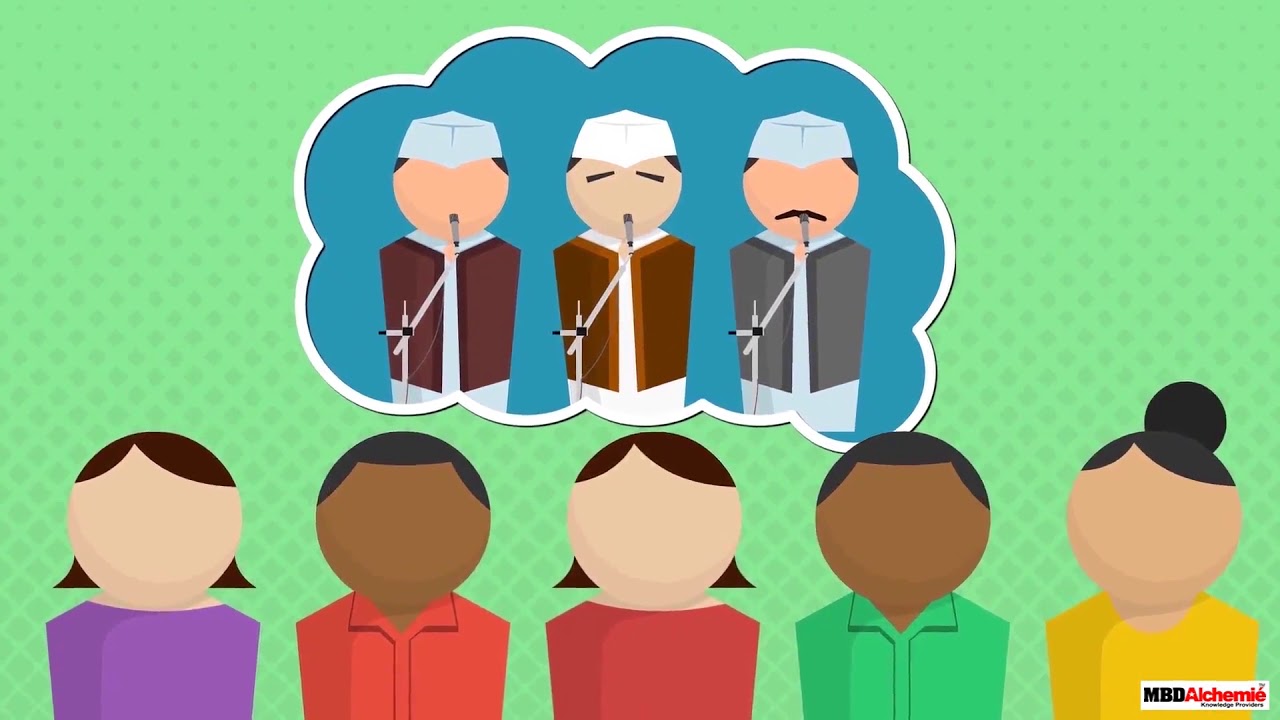
- (ii) Strategic tools utilized include the release of manifestos, catchy slogans, pamphlets, and large-scale public rallies.
- (iii) Personal connection is established through direct appeals and the traditional method of door-to-door canvassing.
The Day of Decision: Polling and Voting Procedure
Polling day is the logistical climax of the election, requiring massive coordination to ensure every citizen can exercise their right safely and comfortably. Millions of polling staff and security officers work together to organize secure voting stations across urban cities and remote villages alike.
Organizing the Polling Infrastructure
The Election Commission of India prioritizes accessibility and security, often utilizing public institutions like schools and community halls to house the machinery of democracy.
- (i) Polling is often staggered over multiple days to effectively manage security forces and ensure fair conduct.
- (ii) Stations are strategically placed within 2 km of voters’ residences, serving a maximum of 1500 individuals per station.
- (iii) These stations remain open for a minimum of to accommodate the working public.
The Tools of Choice: Ballot Papers and Symbols
Before the digital shift, and in specific administrative contexts, the physical ballot remains a central artifact of the process, helping all voters recognize their preferred party regardless of literacy levels.
Secured voting compartment ensuring secret ballot voting. - Party Identification: The Returning Officer prepares a definitive candidate list, ensuring recognized party candidates receive their designated party symbols.
- Secret Voting: Voting is conducted via a secret ballot, where voters are verified against electoral rolls before entering a screened compartment.
- Ballot Deposit: After marking their choice, the voter deposits the paper into a secured ballot box under the watchful eyes of election officials.
The Digital Leap: Electronic Voting Machines (EVMs)
The introduction of Electronic Voting Machines (EVMs) revolutionized the voting process in India by eliminating the flaws of the manual paper ballot system. EVMs make voting simpler for citizens and make vote collection completely tamper-proof and swift.
Technological Benefits of EVMs
The shift to EVMs has modernized the Indian electoral landscape, providing several distinct advantages for the administration and the general public during nationwide polls.
Operational Efficiency
EVMs streamline the entire voting procedure, removing human recording mistakes and drastically shortening election timelines.
- (i) EVMs effectively eliminate the possibility of "invalid" or "doubtful" votes that often plagued paper ballots.
- (ii) The technology allows for a significantly faster counting process, leading to quicker result declarations.
Environmental and Economic Impact
Replacing millions of paper ballots with electronic hardware delivers massive benefits for conservation efforts and reduces national electoral budgets.
- (i) The system is highly eco-friendly, drastically reducing the massive paper usage required for national elections.
- (ii) It reduces printing costs, as only one reference sheet is needed per polling station rather than thousands of individual ballots.
Vigilance and Victory: Supervision and Counting
The final phase involves the careful tabulation of votes under the scrutiny of independent observers to guarantee an untainted result. Once polling concludes, EVMs and ballot boxes are sealed in presence of party representatives and transported under heavy security to counting centers.
Independent Oversight and Expenditure Monitoring
To maintain transparency, the Election Commission of India deploys specific neutral personnel to monitor the integrity of the contest and prevent corrupt practices.
- (i) Observers are appointed to monitor both the conduct of the campaign and the actual election expenditure of candidates.
- (ii) The counting process itself is directly supervised by Returning Officers and designated Observers to prevent malpractice.
Determining the Mandate
The Indian democratic system uses specific mathematical and geographical models to determine who will represent the people in government bodies.
- (i) The candidate who secures the highest number of votes is declared the winner of the constituency.
- (ii) Both Lok Sabha and State Assembly elections operate on the first-past-the-post system within single-member constituencies.
Transparency Through Media and Legal Recourse
The process does not end at the ballot box; it extends into the realms of public scrutiny and the judicial system. Independent oversight guarantees that any potential wrongdoing can be challenged legally and publicly reviewed.
- (i) Media Coverage: Journalists are granted access to polling and counting centers to ensure transparency, provided they strictly maintain voter secrecy.
- (ii) Election Petitions: Should malpractices be suspected, any elector or candidate can file a petition in the High Court. If allegations are upheld, the court has the power to order a re-election.
⚡ Quick Revision Capsule: Key Stages of the Indian Voting Process
This reference guide breaks down the core stages of an Indian election for rapid revision prior to examinations.
| Electoral Stage | Key Responsibility / Rule | Primary Authority / Mechanism |
|---|---|---|
| Candidate Oath | Candidate swears allegiance to the Constitution of India before nomination. | Returning Officer or authorized official |
| Campaigning | Parties present manifestos; stops strictly before polling. | Governed by Model Code of Conduct |
| Polling Day | Voters cast confidential votes at assigned stations (within 2 km). | Secret Ballot via EVM or paper ballot |
| Electronic Voting | Votes recorded electronically; eliminates invalid paper votes. | Electronic Voting Machine (EVM) |
| Counting & Declaration | Candidate with highest vote count wins single-member seat. | First-past-the-post system |
📝 Summary
Understanding the voting process in India is essential for appreciating how the Election Commission of India maintains a fair and transparent democracy. From the candidate oath to the implementation of EVMs and the first-past-the-post system, every step is designed to uphold the Model Code of Conduct over designated election . For students studying Indian Polity and Governance, mastering these procedural nuances is vital for excelling in exams related to Indian governance and civic duties.
🚀 Quick Revision Points
Essential facts to review before examinations:
- (i) Candidates must take a legal oath before a Returning Officer or specified medical/jail authority before nomination scrutiny.
- (ii) Public campaigning ends strictly before voting begins under the Model Code of Conduct.
- (iii) Polling booths are located within 2 km for every voter, ensuring accessibility through a secret EVM ballot.
- (iv) Parliamentary and Assembly elections follow the first-past-the-post system, as outlined in the Representation of the People Act.
- 💡 Exam Tip: Always remember the timeline sequence: Nomination Filing ➔ Oath Taking ➔ Scrutiny ➔ Withdrawal Window ➔ Campaign (stops 48 hrs prior) ➔ Polling ➔ Vote Counting. Questions often test the order of these stages!
❓ Frequently Asked Questions (FAQ)
Q1: Who administers the candidate's oath if the candidate is in hospital or prison?
A1: If hospitalized, the medical superintendent or attending doctor administers the oath. If in prison or under preventive detention, the prison superintendent or detention commandant is legally empowered to administer it.Q2: When does the election campaign officially end?
A2: All public campaign activities, rallies, and speeches must strictly end before the hour fixed for the conclusion of polling, as mandated by the Model Code of Conduct.Q3: What electoral system is used to declare winners in Indian parliamentary elections?
A3: India uses the first-past-the-post system in single-member constituencies, where the candidate who receives the highest number of valid votes in a constituency is declared elected, as governed by the Representation of the People Act and supervised by the Election Commission of India.