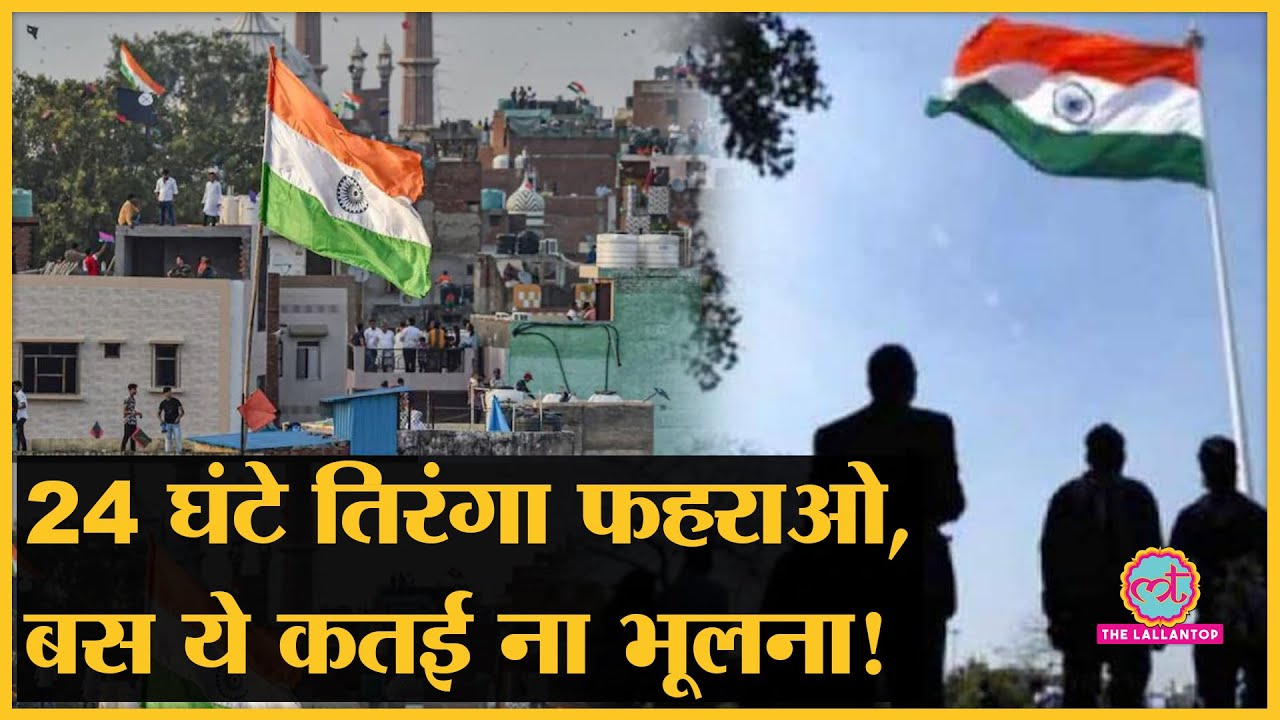
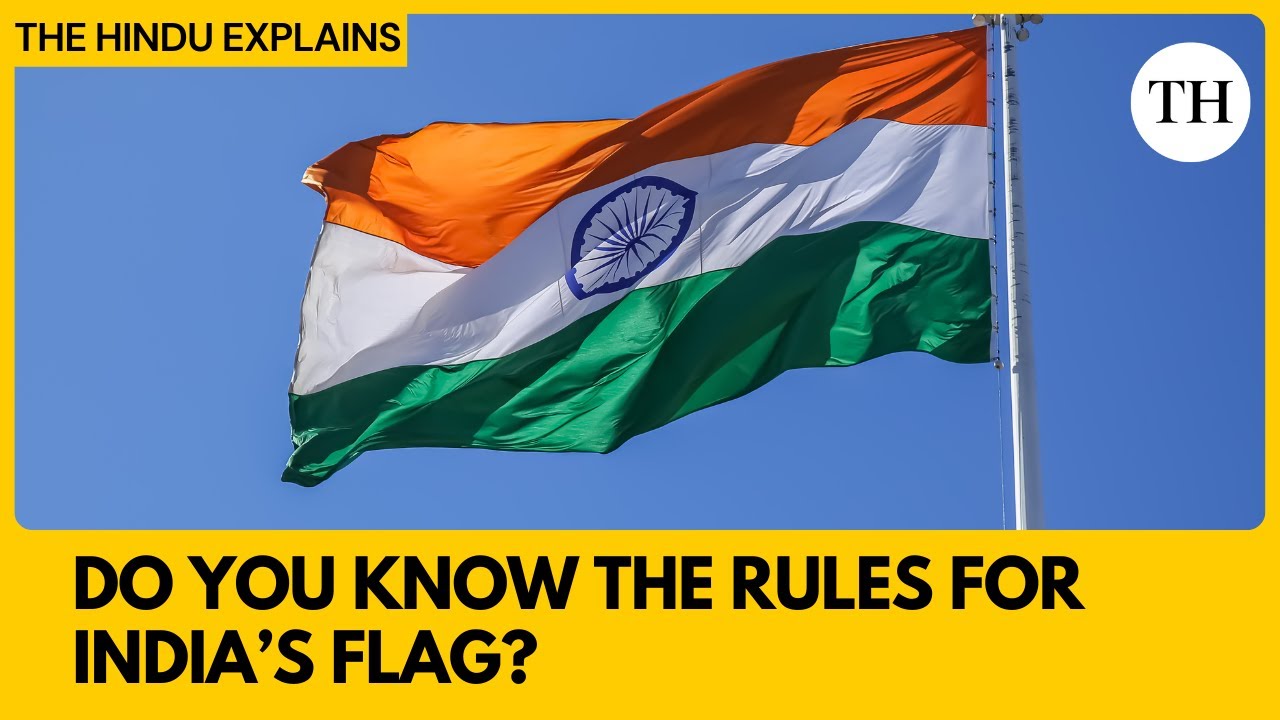
The Flag Code of India, serves as the main rulebook for displaying and using our national flag. It makes sure that every single citizen knows how to show proper respect and care for the flag. Understanding these rules is very important for students and candidates who are preparing for national exams because it helps them learn the legal importance of our special Tricolour.
🎯 In this chapter, you will understand:
- The history, dimensions, and correct cloth materials used for the national flag.
- How schools, businesses, and regular citizens can fly the flag correctly without making mistakes.
- Special rules for government offices, diplomatic trips, and official vehicles.
- How to lower the flag to half-mast during sad news and how to retire damaged flags respectfully.
💡 Why this topic matters: The national flag represents the honour, freedom, and unity of our country. Knowing its rules helps us celebrate properly while protecting its dignity at all times.
🧠 Core Idea: The Flag Code of India, brings all past rules together so that everyone across the nation treats the Tricolour with uniform respect, exact measurements, and true pride.
Flag Code of India, 2002 — Guidelines and Protocols for National Respect
This law brings together many old laws, rules, and government notices into one clear guide. It shows us how India protects and honours its most prized national symbol, making sure that whether you are in a small town or in a large government building, the Tricolour is treated with equal dignity everywhere.
The main rules covered under this official document include:
- (i) It combines different government acts and instructions so both citizens and officers have one clean guide.
- (ii) It sets exact rules on what cloth to use and how to stitch the flag correctly.
- (iii) It explains how everyone should behave politely and respectfully during national ceremonies.
Part I – Structure, Material, and Dimensions of the Flag
Every national flag must be made according to strict physical sizes set by the Bureau of Indian Standards (BIS). This keeps the design completely identical across the nation.

Detailed Structural Design and Composition
The Tricolour is a carefully made rectangle divided into three equal horizontal stripes of saffron, white, and green. In the middle sits the navy blue wheel known as the Ashoka Chakra.
- (i) Design & Structure: The Ashoka Chakra has 24 spokes and sits in the exact middle of the central white stripe.
- (ii) Material: By law, the flag should be made of hand-spun and hand-woven khadi cloth using cotton, silk, or wool.
- (iii) Shape & Proportion: The ratio of the flag's length to its height must always be 3:2.
- (iv) Standard Sizes: Sizes can range from big display flags measuring down to desk flags measuring .
Part II – Hoisting Rules for Citizens, Schools, and Institutions
This part allows regular citizens, private groups, and educational organisations to display the national flag freely, while giving clear warnings to avoid any unintentional disrespect or accidental damage.
Restrictions on Usage and Legal Prohibitions
To protect the flag's honour, several strict rules ban using the flag as a decoration or commercial object.
- (i) The flag must never be used to make money, nor lowered or dipped as a salute to any single person.
- (ii) It must never be worn as clothes, drawn as curtains, or hung like festive party banners.
- (iii) Nothing should ever be written on the flag, and it must never touch the ground or dip into water.
- (iv) Flying the flag at half-mast is strictly restricted to official periods of national sadness.
Hoisting Traditions in Schools and Educational Institutions
In schools, raising the flag is a meaningful tradition that helps students learn unity and respect through organised steps.
- (i) Students stand neatly in line by class while the head teacher and student leaders stand near the flagpole.
- (ii) After the flag is unfurled and saluted, everyone sings the National Anthem together.
- (iii) The Pledge: Everyone repeats together: “I pledge allegiance to the National Flag and to the Sovereign Socialist Secular Democratic Republic for which it stands.”
Part III – Official Display by Government Offices
Government offices must set a flawless example when flying the flag, showing everyone the proper way to follow the rules outlined in the Flag Code of India, .
Official Display and Specialized Installations
The Government of India requires all government buildings and international embassies to display the flag properly as a sign of national authority.
Defence and Diplomatic Missions
- (i) Military camps and defence posts follow strict daily rules when raising and lowering the flag.
- (ii) Embassy leaders living in other countries fly the Indian flag at their offices while following international laws.
Correct Handling Practices
- (i) The flag must take the most prominent spot; it is raised quickly and lowered slowly and gently.
- (ii) On a stage, the flag must sit on the speaker's right-hand side or be placed flat against the wall behind them.
Part IV & V – Identifying Incorrect Display and Disposal Rules
Doing something wrong—like flying a torn or dirty flag—violates national rules and harms the flag's sacred position.
Ensuring Sacredness and Proper Disposal
The code gives explicit instructions on how to handle flags carefully and how to dispose of worn-out flags privately.
- (i) Forbidden Actions: Saffron must never be placed at the bottom, and the flag cannot be draped over desks, statues, or roofs.
- (ii) Disposal: When a flag gets damaged, it must be destroyed completely in private, usually by burning it respectfully.
- (iii) Special Exception: Fresh flower petals may be placed inside the folded flag only for special celebrations before it is unfurled.
Part VII – Displaying with International Flags
When our flag flies next to flags from other countries, international rules are followed to make sure our flag maintains its position of honour.
Rules for Multi-Flag Arrangements
During international visits or world summits, placing the Tricolour correctly is done using alphabetical lists and designated spots.
- (i) The Indian flag stays on the far right end of the flag line from the viewer's side.
- (ii) If flags are arranged in a circle, our flag comes first, and no other flag is placed higher than ours.
- (iii) When placed next to the United Nations flag, the Indian flag usually stands on the right side.
Part IX & X – Rules for Cars, Trains, and Planes
Only top-ranking leaders of the government are allowed to fly the national flag on their official vehicles.
Eligible Officials and Vehicle Placement
Important leaders like the President, Prime Minister, and Chief Justices have the special privilege of displaying the flag on their official transport.
- (i) Motor Cars: The small flagpole must be fixed tightly on the front right side of the car.
- (ii) Aircraft: The national flag flies alongside the host country's flag when the President or Prime Minister flies abroad.
- (iii) Trains: On special Presidential trains, the flag is shown on the train engine side facing the platform when stopped.
Part XI – Protocol for Half-Masting During Mourning
When the nation grieves the passing of important state leaders, the flag is flown at half-mast to mark official respect and solemn sorrow.
Execution of Half-Mast Procedures
Lowering the flag to half-mast requires special movements to show care and respect.
- (i) The flag is raised all the way to the top of the pole first, then lowered halfway down.
- (ii) During state funerals, the flag covers the coffin with saffron toward the head, but it must never be buried or burned with the body.
- (iii) On national holidays like Independence Day, the flag flies at full height unless it is on the specific building where the deceased leader lies.
⚡ Quick Revision Capsule: Flag Code Rules
Here is a quick summary of key flag display standards and legal rules for fast review:
| Topic Category | Key Standard or Rule | Important Detail to Remember |
|---|---|---|
| Flag Dimensions | Ratio length to height is 3:2 | Always rectangular in shape |
| Material Used | Hand-spun khadi (cotton, silk, wool) | Guarantees tradition and quality standards |
| Ashoka Chakra | 24 spokes in navy blue | Located in the exact middle of white band |
| Car Display | Mounted on the front right side | Allowed only for designated top officials |
| Disposal Method | Private destruction by burning | Done quietly with full dignity |
📝 Summary
The Flag Code of India, bridges legal demands with civic duty. It helps ensure that our national flag receives complete honour in schools, government offices, and home displays alike. Learning these protocols helps students perform better in exams and helps everyone become responsible citizens who treat the national flag with respect everywhere.
🚀 Quick Revision Points
Essential facts to review before examinations:
- (i) The official proportion of the flag is always 3:2, and the cloth should be hand-loomed khadi.
- (ii) Never let the flag touch the ground or water, and never use it as decoration or clothing.
- (iii) Always raise the flag quickly and lower it slowly with care.
- (iv) Damaged flags must be destroyed completely in private, preferably by burning as outlined in the Flag Code of India, .
- 💡 Exam Tip: Remember that the ratio of the flag is 3:2 (Length : Width/Height), and the flagpole mount on an official car is always on the front right side!
❓ Frequently Asked Questions (FAQ)
Q1: What is the correct length-to-height ratio for the Indian flag?
A1: The official length to height (width) ratio of the national flag must always be 3:2.Q2: Can private citizens fly the national flag at their homes?
A2: Yes, the Flag Code of India, allows citizens to fly the Tricolour proudly on any day, as long as they follow the rules of respect.Q3: What should be done if a national flag becomes torn or faded?
A3: A damaged flag should not be displayed. It must be destroyed in private with full dignity, preferably by burning, according to the Flag Code of India, .