The complex landscape of Voting behaviour in India serves as a clear mirror that reflects the diverse nature of Indian society and its overall democratic health. When millions of people go to vote during an election, many different social, economic, and political forces come together to influence how each voter chooses a representative. Think of it like deciding what to eat at a giant family picnic—some people pick based on traditional family habits, others pick based on who cooked the food, and some decide based on what smells best at that exact moment. Understanding these voting choices is a crucial subject for students of polity and UPSC aspirants who want to decode the true pulse and heart of Indian democracy.
🎯 In this chapter, you will understand:
- How traditional social backgrounds like caste, religion, and language guide voter choices.
- The role of famous, strong leaders and how their personal charm affects election results.
- Why voters evaluate government work, economic growth, and election promises before casting a vote.
- How money, modern media campaigns, and age groups shape everyday political decisions.
💡 Why this topic matters: India is the largest democracy in the world. Knowing how voters make up their minds helps us understand how our government is formed, how public policies are created, and how every citizen holds leaders accountable.
🧠 Core Idea: Voting behavior is simply the study of why people vote the way they do. In India, choices are guided by a mix of deep-rooted identity (who you are) and practical performance (what the leaders actually do for you).
Key Factors Influencing Voting Behaviour in India: A Deep Dive into Electoral Dynamics
The Indian electoral process is a big, multi-layered celebration of democracy guided by many guiding factors. Experts usually group these drivers into two big main categories: socio-economic factors (your family, job, community, and income) and political factors (party promises, leader personality, and government performance). To understand these drivers properly, we need to look at the rich history and social fabric of our nation, where long-standing community traditions and modern everyday needs meet right inside the voting booth.
- (i) The foundational role of social stratification (how society is divided into groups) and long-time family loyalties in shaping modern political choices.
- (ii) The strong impact of charismatic leadership (inspiring leaders) and the recent movement toward performance-based evaluation (checking if leaders kept their promises).
- (iii) The rising influence of media and economic conditions (like jobs and price rises) on modern voter thinking.
The Socio-Cultural Determinants of Indian Elections
India is a land famous for its pluralism, which means having many different cultures, traditions, and backgrounds coexisting together. Because of this, a voter's social identity often acts like a pair of colorful glasses—it becomes the primary lens through which they view all their political choices.

The Power of Caste and Religious Identities
The historical story of caste identity in India is perhaps the most enduring and long-lasting chapter of its political history. It stays a very powerful influence in daily life. Political parties study these groups very carefully, planning election strategies around precise caste alignments and picking candidates based on which group has more members in that area.
Caste as a Political Tool
Caste groups often band together during elections to make sure their local community gets a voice, better schools, roads, and fair opportunities from the government.
- (i) The famous political scholar Rajni Kothari once pointed out that "Indian politics is casteist, and caste is politicised," which means politics uses caste, and caste groups use politics to gain equal rights.
- (ii) Scholar Paul Brass noted that at the grassroots village level, caste solidarity (standing together with your group) and forming friend groups across different castes build the real foundation of voter choices.
The Role of Religious Sentiments
Religion is another sensitive factor that touches many people emotionally across the country.
- (i) Even though our country operates under a strong secular framework written in our Constitution (meaning the state treats all religions equally), religious sentiments still frequently sway how people feel when voting.
- (ii) During campaign rallies, political parties sometimes rely on group appeal or religion-based messaging to gather support and make sure their core vote banks stay strong.
Linguistic and Regional Aspirations
Apart from faith and caste, the language a person speaks at home and the state or region they belong to create distinct cultural pride. Strong regional parties use this cultural pride very effectively to protect local interests.
- (a) Linguistic factors (language connection) have been central to Indian politics ever since the historical reorganisation of states, which drew state borders based mainly on spoken languages.
- (b) The great success of popular regional parties like the DMK in Tamil Nadu and the TDP in Andhra Pradesh serves as a clear proof of how much linguism in politics matters to local voters.
- (c) Strong regionalism and sub-regional identities guide everyday choices by directly appealing to local sentiments; in some rare, extreme historical situations, unhappy secessionist groups have even called for election boycotts to show their protest.
Political, Economic, and Leadership Drivers of the Vote
While social identities build the base, the practical performance of the ruling government and the personal charm of candidates provide the real momentum for change during election years.
The Influence of Charisma and Performance
The single most noticeable feature in many major elections is the strong appeal or charisma of political leaders. A popular leader can inspire millions of citizens, often overcoming local differences to create a unified national message.
Leadership Impact through the Eras
Throughout our history, powerful leaders have connected deeply with people, making voters feel safe and hopeful about the nation's future.
- (i) Famous national personalities such as Jawaharlal Nehru, Indira Gandhi, Rajiv Gandhi, Jay Prakash Narayan, Atal Bihari Vajpayee, and Narendra Modi have shaped India's path through their strong personal popularity.
- (ii) Important regional state leaders command similar trust in their home territories, often serving as the main face and voice for their regional parties.
Assessing the Ruling Party
Today, people don't just vote for big names; they also carefully inspect what the leaders did while in power.
- (i) Modern voters increasingly check the actual performance of the ruling party against the written promises they made in their official election documents, known as manifestos.
- (ii) Historical election results—like the voting out of the ruling Congress party in or the Janata Party in —show the massive power of anti-incumbency, which is when unhappy citizens vote to remove a government that failed to deliver on its promises.
Economic Power and Ideological Loyalty
During every campaign season, there is an ongoing struggle between monetary power (campaign spending) and strong personal beliefs (ideology).
- (a) Monetary Power: Even though strict election laws set official limits on campaign spending, large amounts of money are spent on public rallies, and unluckily, illegal gifts like money, liquor, or free goods are sometimes handed out to influence vulnerable voters.
- (b) The Exception: As scholar Paul Brass explained, during special wave elections (when an intense public mood sweeps the entire nation), massive public enthusiasm completely overcomes money power, making financial spending secondary to public desire for change.
- (c) Ideology: A dedicated group of voters remains guided by core political principles, such as communism, secularism, capitalism, or decentralisation, giving steady support to their chosen party no matter what happens.
- (d) Party Identification: Having an emotional attachment to parties was very strong among voters back in the and , but this loyalty has seen a steady drop since the as voters became more independent thinkers.
The Myriad of Secondary Influencing Factors
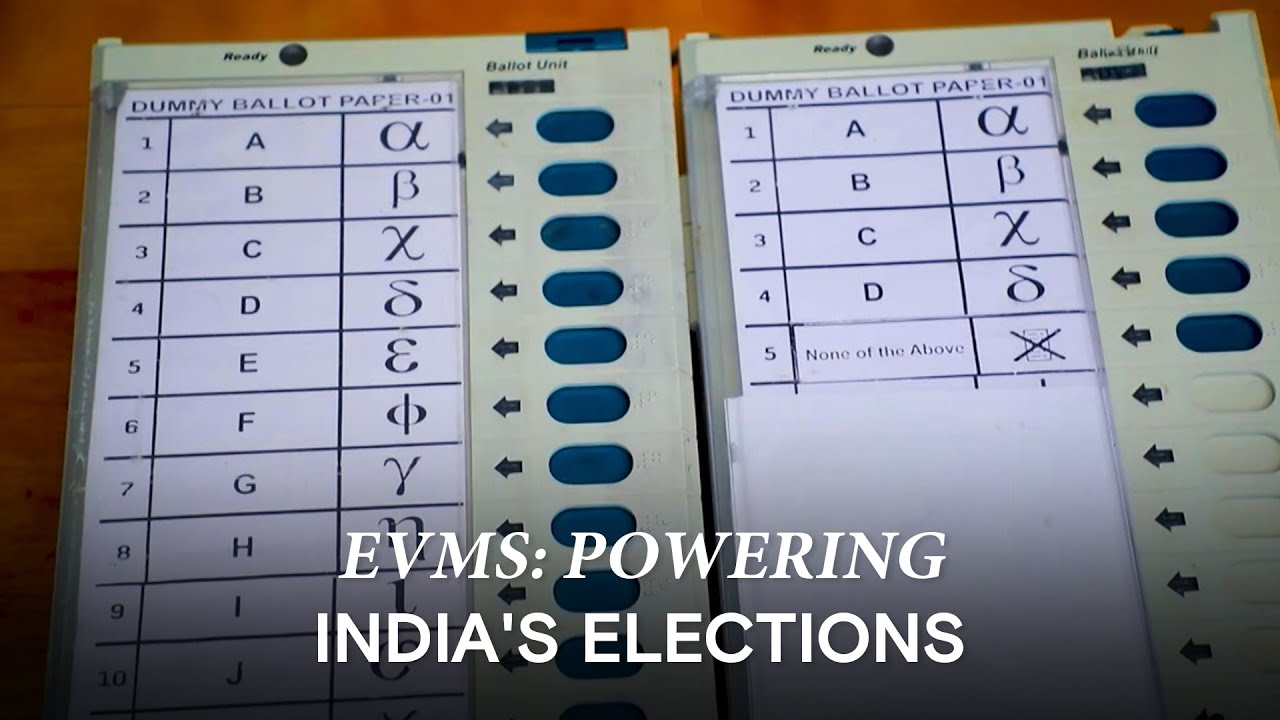
Along with big social and political reasons, many smaller daily life conditions finish the full picture of why an Indian voter presses a particular button on the Electronic Voting Machine (EVM).
- Political & Economic Events: Unplanned national emergency events like wars, major corruption discoveries, or leader assassinations change voter minds quickly, alongside ongoing economic realities like price inflation and job availability.
- Demographics & Social Circles: Important demographic traits like age differences (young first-time voters versus older generations), gender preferences, education levels, and living in rural villages versus urban cities create distinct voting preferences.
- Personal & Local Ties: A voter's income level, advice from family elders, and how well-known or respected a local candidate is (including their family reputation) play major roles during local polling day.
- Communication & Strategy: The active role of modern news media, social media networks, and smart election campaign advertising helps form strong public opinions right before polling day.
⚡ Quick Revision Capsule: Key Factors of Voting Behaviour
This quick review table breaks down the main influences on voting behaviour in India for fast learning and exam preparation.
| Factor Category | Key Elements | Impact on Elections |
|---|---|---|
| Socio-Cultural | Caste, Religion, and Language | Forms long-term vote banks and helps parties select candidates based on local population setup. |
| Leadership | Charismatic figures (e.g., Narendra Modi, Indira Gandhi) | Creates national electoral waves that can transcend local or regional community issues. |
| Governance | Performance, Party Manifestos | Triggers anti-incumbency if governments fail to deliver on promises like roads, jobs, and safety. |
| Economic | Inflation, Job availability, Money power | Directly influences how middle-class, working, and rural citizens judge government success. |
| Information | News channels, Social media, Campaigns | Shapes modern public opinion rapidly right before voters walk into polling booths. |
📝 Summary
In summary, the study of voter decision-making in India shows a dynamic, evolving system. While traditional bonds like caste, language, and regional identity provided the main foundation from the early post-independence era starting in up through the , modern voters in recent decades have become far more practical. Today's Indian electorate continuously balances respected family traditions with present-day needs like jobs, good governance, strong national security, and trustworthy leadership. Mastering these concepts—from caste politicization to anti-incumbency—gives students a solid foundation as documented in standard polity reference works like Indian Polity by M. Laxmikanth.
🚀 Quick Revision Points
Essential facts to review before examinations:
- (i) Voting choices are shaped by a combination of social identity (caste, religion, region) and government performance (economy, jobs, leadership).
- (ii) Scholar Rajni Kothari highlighted how politics uses caste while caste groups use politics to claim equal rights and representation.
- (iii) The reorganisation of Indian states in established language as a major regional factor in state elections.
- (iv) Strong national waves, leader charisma, and voters' reaction against unkept promises (anti-incumbency) can defeat money power during elections.
- 💡 Exam Tip: When writing answers on Indian polity, always classify voting factors into two broad categories—Socio-Cultural (Caste, Religion, Language) and Political-Economic (Charisma, Anti-incumbency, Performance, Media)—and cite experts like Rajni Kothari or Paul Brass to score higher marks!
❓ Frequently Asked Questions (FAQ)
Q1: What is voting behaviour?
A1: Voting behaviour is the study of how and why citizens decide to cast their votes for specific candidates or political parties during an election.Q2: What is anti-incumbency in Indian elections?
A2: Anti-incumbency refers to a situation where voters are unhappy with the current ruling government's performance and vote them out of power in favor of opposition parties.Q3: How does caste influence voting choices in India?
A3: Caste identity acts as a social bond where political parties select candidate tickets matching local caste numbers, and community members vote together to secure fair representation and government development for their group.