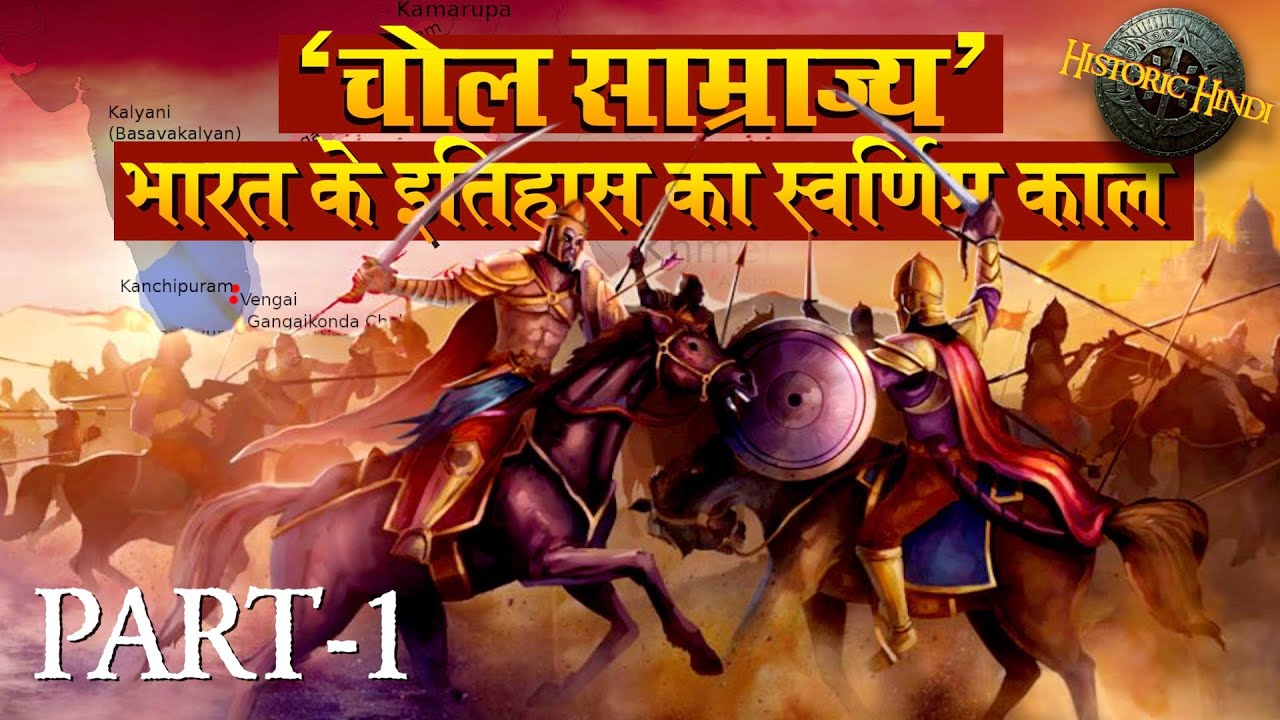
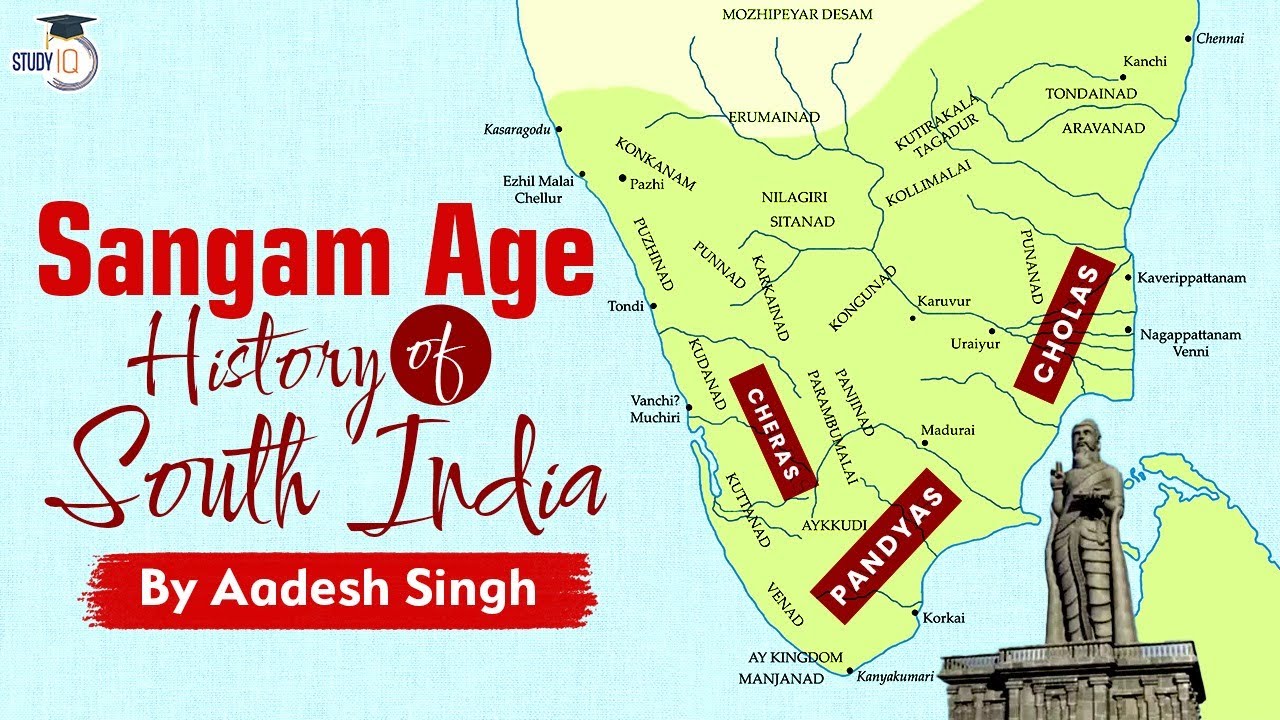
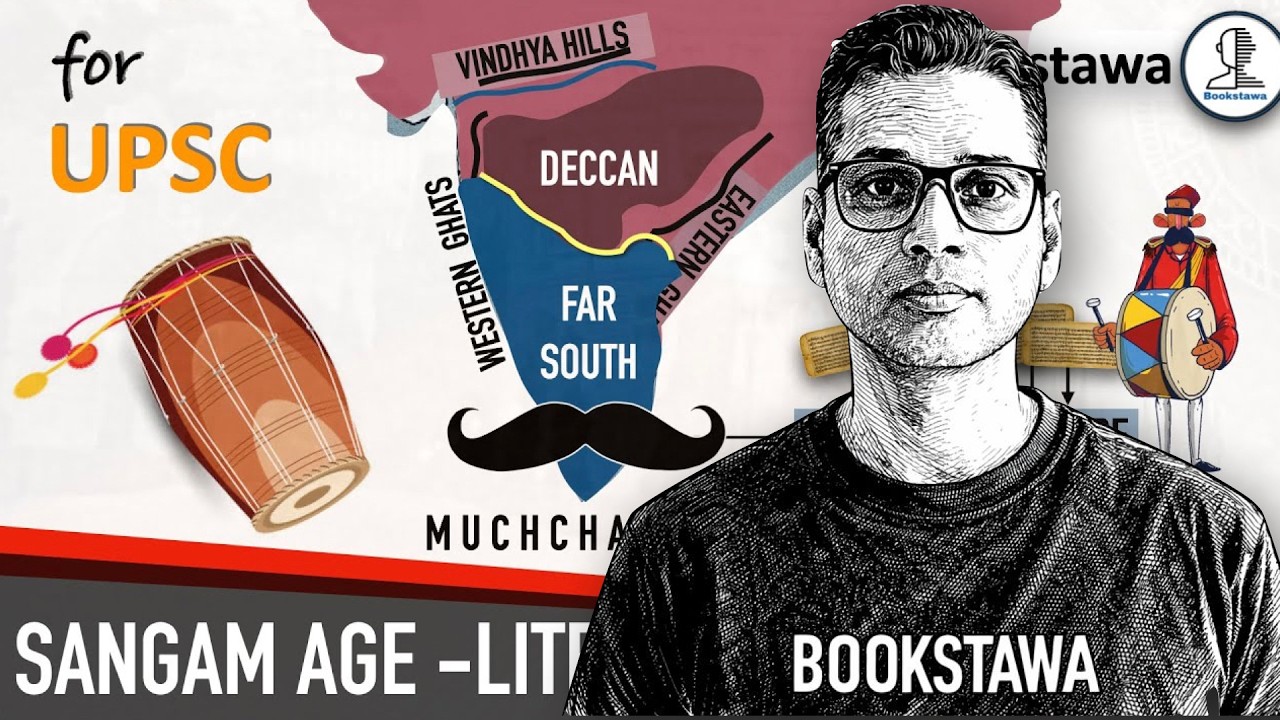
The Chola Dynasty represents one of the most spectacular phases of Indian history, marking a magnificent golden age of South Indian culture, art, and socio-political stability. Ruling from the fertile plains of the Kaveri river, the Chola monarchs established an empire that combined administrative brilliance with unparalleled artistic patronage. Their legacy remains etched permanently into the landscape of Tamil Nadu through towering stone monuments, highly advanced maritime networks, and immortal literary texts. Understanding this classical era offers critical insights into how religious devotion, community life, and state governance combined seamlessly to build an sophisticated, enduring civilization whose cultural footprints crossed oceans into Southeast Asia.
In this chapter, you will understand:
- The dramatic rise of Bhakti devotional cults and the shifting dynamics between Shaivism, Vaishnavism, Buddhism, and Jainism.
- The structural evolution of Dravidian architecture and the groundbreaking engineering transition from brick to heavy stone construction.
- The perfection of classical Tamil literature, monumental historical inscriptions, and the legendary lost-wax bronze sculptures.
- The multidimensional role of Chola temples as socio-economic hubs, schools, banks, and community safe havens.
Why this topic matters: For modern students and historians, the Chola period provides an essential baseline for studying classical Indian statecraft, exceptional metalwork engineering, local self-governance models, and the historic preservation of cultural identity through stone records.
Core Idea: Driven by immense wealth from trade networks and strategic land administration, the Chola monarchs transformed religious devotion into grand tangible expressions. They replaced fragile materials with permanent granite stone, codified sacred hymns, institutionalized localized village democracies, and turned local temples into the vibrant economic and spiritual beating heart of everyday medieval society.
Chola Religion: Shaivism, Vaishnavism, and Religious Movements
The Chola period witnessed the peak influence of the powerful Shaivite and Vaishnavite devotional movements, leading to a religious transformation that saw the decline of earlier faiths across the empire.
Rise of Devotional Movements and Decline of Buddhism
Between the 6th and 9th centuries AD, the intense fervor of the Shaivite and Vaishnavite devotional movements (Bhakti) became the dominant religious force in the Tamil regions, dramatically rewriting the local religious map.
- The increasing popularity of these devotional cults directly contributed to the decline of Buddhism in the Tamil regions, although Jainism managed to survive and persist alongside the mainstream orthodox movements.
Royal Patronage of Shaivism and the Suddashaiva Order
The Chola rulers, exemplified by the great monarch Raja Raja I, were famously ardent Shaivites, actively promoting the worship of Lord Shiva and taking on grandiose titles that reflected their deep religious commitment.
- Raja Raja I adopted the title Shivapada Shekhara, demonstrating his devotion, and notably commissioned the magnificent Brihadeswarar Temple in Tanjore.
- The Suddashaiva order (pure Shaivism) gained substantial support, particularly from the powerful Vellala community, solidifying its influence within the social structure.
- Older, more ascetic Shaivaite sects like the Kapalikas and Kalamukhas also maintained a degree of influence within the society.
The Expansion of Vaishnavism and Ramanuja's Influence
Despite some royal resistance, the Vaishnavite movement continued its expansion, propelled by the dedicated efforts of its leading spiritual figures, showcasing a degree of religious tolerance or at least coexistence within the empire.
- The great Vaishnavite saint Ramanuja, despite facing opposition from monarchs such as Kulottunga I, was highly successful in expanding the reach and influence of the Vaishnavite cult across South India.
Chola Architecture, Art, and Literature: A Golden Era of South Indian Culture
The cultural achievements of the Cholas, especially in architecture, bronze sculpture, and Tamil literature, represent an unparalleled creative peak in the history of South India, leaving a lasting legacy.

- Architecture Evolution: Chola architecture was a magnificent and refined evolution of Pallava architecture. The Chola artisans and engineers innovated by prioritizing the use of durable stone instead of bricks, ensuring the longevity of their sacred structures. The patronage system, supported by tax-free land grants, drove this architectural boom.
Chola Architecture: Evolution, Stone Construction, and Temple Layout
Temples flourished under rulers like Aditya and Parantaka, characterized by a specific layout with three niches on shrine walls and two on the ardhamandapa (front hall).
- The concept of royal patronage flourished, with tax-free land grants, known as Devadana, providing sustained support for temple maintenance and expansion.
- The typical Chola temple featured high boundary walls, a towering entrance gopuram, and a pyramidal structure over the sanctum (vimana), often topped by an octagonal shikhara. A unique feature was the inclusion of a water tank within the premises.
Prominent Chola Temples: Architectural Masterpieces of Dravidian Style
The major Chola temples are masterpieces of Dravidian architecture, each telling a story of religious devotion, engineering brilliance, and artistic skill, becoming enduring cultural and religious hubs.
- The Nataraja Temple at Chidambaram is famous for its syncretic blend of Shaivism and Vaishnavism, where Lord Shiva is revered as the cosmic dancer, performing the spectacular Ananda Tandava.
- The Nageswaraswamy Temple at Kumbakonam, built by Aditya Chola, is an ingenious marvel of astronomical alignment, ensuring sunlight illuminates the sanctum only during the Tamil month of Chithirai (April/May).
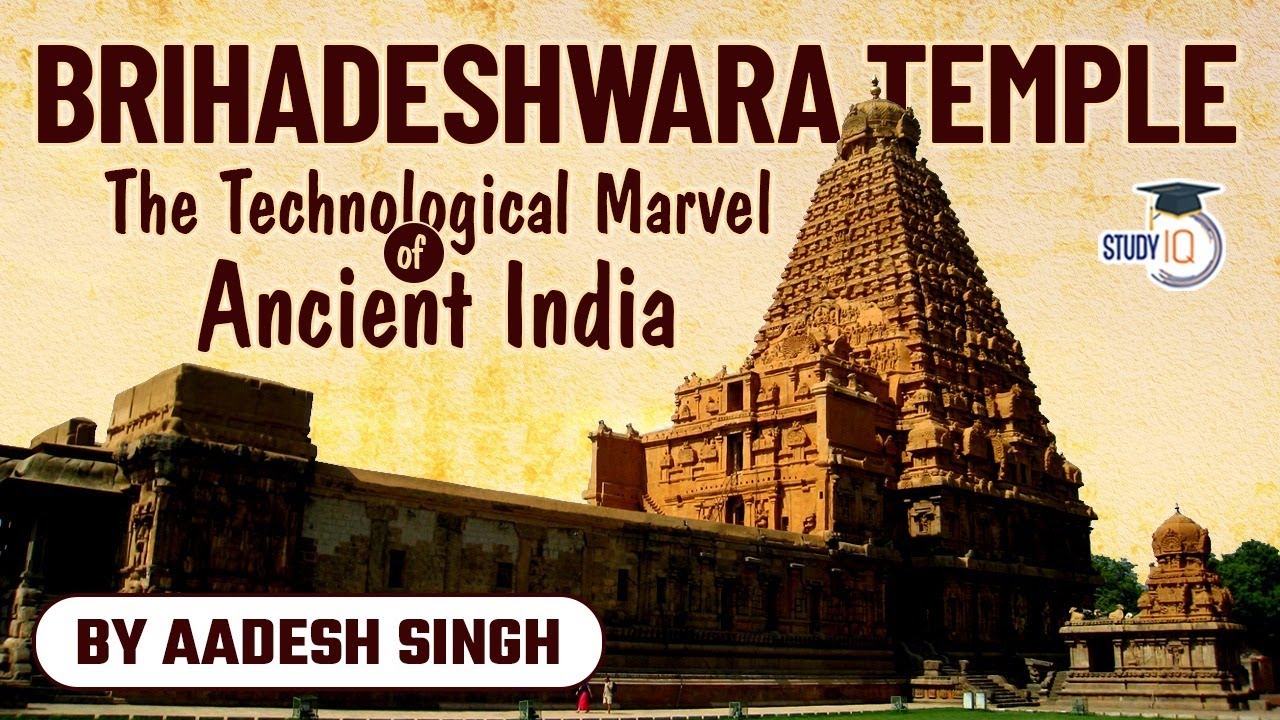
- The Brihadeeswara Temple in Tanjore, commissioned by Raja Raja Chola I in 1010 AD, is the largest built entirely of granite. Its walls are adorned with frescoes and sculptures narrating tales from the Puranas, cementing its status as a UNESCO World Heritage Site and the crowning achievement of Chola architectural engineering.
Chola Art: Bronze Sculpture, Painting, Music, Dance, and Coinage Excellence
Chola art flourished across various mediums, achieving global recognition, particularly for its dynamic bronze idols and the integration of arts like music and dance into religious life.
- The lost-wax technique was perfected to create stunning bronze idols, with the Nataraja statue being the most iconic, symbolizing Shiva’s cosmic dance. The earrings of Shiva often reflected the dual nature of Ardhanarishwara (half-male, half-female).
- Paintings adorned temple walls, notably in Tanjore and Gangaikondacholapuram, often depicting grand epic stories. A famous mural captures Rajaraja Chola I receiving wisdom from his guru, Karuvur Devar.
- Music and dance were formalized in temple rituals. Rajaraja Chola I revived the sacred Tevaram hymns, appointing singers called the Oduvars, while Nataraja (as Adal Vallan) became the perfect embodiment of Tamil dance traditions.
- Chola coinage was standardized in gold, silver, and copper. Coins from rulers like Uttama Chola (tiger facing two fishes) and Raja Raja I (standing king and seated goddess) were common, while Rajendra I inscribed his titles like ‘Gangaikonda Chola’.
Chola Literature: Learning Centers and Tamil Literary Giants
The Chola period was a time of prolific literary creation, heavily supported by temples and the mathas, which served as vital centers for instruction in a range of subjects, from the sacred to the scientific.
- Educational Core: Temples and mathas were key learning centers, providing instruction in subjects like the Vedas, Epics, Mathematics, and Medicine, and fostering the development of Saiva Siddhanta philosophy.
Notable Literary Works: Ramavataram, Periyapuranam, and Historical Accounts
This era saw the creation of monumental works that became foundational to the Tamil literary canon, covering epics, hagiographies, and historical accounts.
- Kamban's Ramavataram: This is the celebrated Tamil version of the Ramayana, establishing Kamban as an absolute literary giant of medieval India.
- Sekkilar's Periyapuranam: This essential text chronicled the lives of the 63 Nayanmars (Shaivite saints), contributing significantly to devotional literature.
- Jayakondar's Kalingattupparani: A semi-historical poem detailing the brilliant Kalinga war fought by Kulottunga I.
- Ottakuthur's Moovarula: A biographical work narrating the lives of three consecutive Chola rulers: Vikrama Chola, Kulothunga II, and Rajaraja II.
Chola Inscriptions: Administration and Historical Insights
Chola inscriptions, predominantly in Tamil, served as invaluable historical records, providing granular details about the empire’s governance, taxation, and temple activities, offering primary evidence for students of history.
The Uttaramerur inscription functions as an early textbook on structural local democracy and electoral rules. - Inscriptions were mainly in Tamil, though some used Sanskrit and Grantham, revealing insights into temple administration and the complex taxation structure.
- The Brihadeshwara Temple inscription definitively states that the temple was constructed entirely with stone, a crucial piece of architectural information confirming their physical engineering achievements.
- The famed Uttaramerur inscription details the highly sophisticated village administration system under Parantaka I, often cited as an early model of local democratic governance.
- Other inscriptions, such as those at Ennayiram, Thirumukkudal, and Thirubhuvanai, provide comprehensive details about the empire's extensive educational institutions and centers of learning.
Decline of the Cholas: Weak Successors and Pandya Ascendance
The decline of the magnificent Chola Empire was a slow, gradual process, primarily precipitated by a succession of weak rulers and the unrelenting pressure from a resurgent rival power.
- The empire’s stability eroded significantly after the reign of Kulothunga I due to a line of weak successors, making it highly vulnerable to external threats.
- The rising Pandya dynasty launched aggressive and repeated invasions, progressively weakening Chola authority across the deep south.
- The ultimate blow came in 1264 AD when Jatavarman Sundara Pandyan I sacked Gangaikonda Cholapuram. The final decisive defeat of Rajendra Chola III by Maravarman Kulasekara Pandyan I in 1279 AD marked the definitive end of Chola rule, with territories falling to the Telugu Cholas and the Pandyas.
Chola Cultural Quick Revision Capsule
A quick summary layout of core achievements, key rulers, and foundational cultural assets of the Chola Dynasty:
| Core Domain | Key Ruler / Catalyst | Primary Masterpiece / Achievement Metric |
|---|---|---|
| Granite Architecture | Raja Raja Chola I | Brihadeeswara Temple (Tanjore, 1010 AD) – Built completely of solid granite. |
| Bronze Metal Sculpture | Imperial Artisans | Perfected lost-wax technique; iconic Nataraja (Adal Vallan) idol format. |
| Local Self-Governance | Parantaka I | Uttaramerur Inscription – Comprehensive guidelines for local village democracy. |
| Tamil Epic Literature | Kamban | The Ramavataram – Foundational epic masterwork of the Tamil literary canon. |
| Devotional Compilations | The Alvars & Nayanmars | Nalayira Divya Prabandham (4000 Vaishnavite verses) and the Tevaram hymns. |
Summary
The Chola Era stands as an immortal pillar of Tamil Nadu's golden age, celebrated globally for its balanced expansion of administrative power, economic stability, and unmatched artistic achievements. By codifying sophisticated taxation policies and systemic land surveys as early as the 9th century, the Chola kings built an affluent state capable of sustaining massive public works. For history students, exploring this dynasty is completely vital to mapping the evolution of South Indian architecture, appreciating the fluid aesthetic genius of Chola bronze sculpture, and evaluating genuine historic frameworks of local autonomy and civic administration.
Quick Revision Points
Essential parameters for fast exam revision and student orientation:
- (i) Stone Shift: Cholas pioneered substituting earlier Pallava brick temple structures with heavy, long-lasting granite stone.
- (ii) Vimana vs Gopuram: Their style prioritized a towering pyramidal vimana over the central sanctum, rather than huge entrance gates.
- (iii) Local Democracy: Local selection mechanisms used a lot system detailed clearly inside the Uttaramerur stone record.
- (iv) The End: Chola supremacy ended officially in 1279 AD when Maravarman Kulasekara Pandyan I crushed Rajendra Chola III.
- Exam Tip: Always associate Parantaka I with the village council inscriptions at Uttaramerur, and connect Raja Raja I with the completion of the Tanjore Brihadeeswara Temple in 1010 AD. Examiners frequently test these specific alignments!
Frequently Asked Questions (FAQ)
Q1: What major structural modification did the Cholas introduce to South Indian architecture?
A1: The Cholas changed building methods by prioritizing durable stone instead of bricks, allowing them to construct much larger, permanent monuments like the Tanjore Brihadeeswara Temple.Q2: What is the historical value of the Uttaramerur inscription?
A2: It provides an incredibly detailed record of local village assembly rules, qualification criteria, and selection processes under Parantaka I, acting as an early template for local self-governance.Q3: Who was Ramanuja and how did he relate to Chola state policy?
A3: Ramanuja was a monumental Vaishnavite saint who expanded his movement despite political friction and active resistance from certain Shaivite Chola kings like Kulottunga I.
Society and Culture: Temples, Art, Religion, and Literature—A Golden Age
The Chola period is rightly celebrated as a golden era, where culture, art, and religion were deeply intertwined, with majestic temples standing as the primary focal points of community life and artistic expression.
Temples as the Epicenter of Chola Life: Social and Religious Roles
The temples under the Cholas transcended their religious function to become the veritable center of social and religious life. They played a critical multi-faceted role in the community, reflecting the society’s deep spiritual foundations.
- Functioning as schools for education and as safe havens during times of conflict, the temples were integral to community welfare and security.
- Reflecting the religious fervor, the Cholas were devout followers of Lord Shiva, and their deep religious ties extended to the Trimula deity at Sri Venkateshwara temple, showcasing a broad devotional spectrum.

Brihadeeswarar Temple Map - Layout and Architectural Details of the Chola-Era Temple Artistic and Architectural Flourishing: Chola Temple Marvels and UNESCO Sites
Art, religion, and literature flourished simultaneously, culminating in extraordinary architectural achievements. The Chola monarchs commissioned the construction of numerous Shiva temples, particularly along the fertile banks of the Kaveri river.
- The Thanjavur Brihadeswara Temple, a towering and magnificent structure, was the largest and tallest of its time and impressively retains its natural color paintings to this day.
- Several grand Chola-era temples—including Brihadisvara, Gangaikondacholisvaram, and Airavatesvara—have been rightfully designated as UNESCO World Heritage Sites, recognizing their outstanding universal value in South Indian architecture.
Chola Literature and the Legacy of Tamil Verses: The Nalayira Divya Prabandham
The Chola period fostered a rich literary output in Tamil. A standout example of this literary heritage remains a cherished source of devotional poetry.
- The Nalayira Divya Prabandham, an expansive collection of 4000 Tamil verses composed by the Alvars, is a monumental and highly cherished literary work from this era.