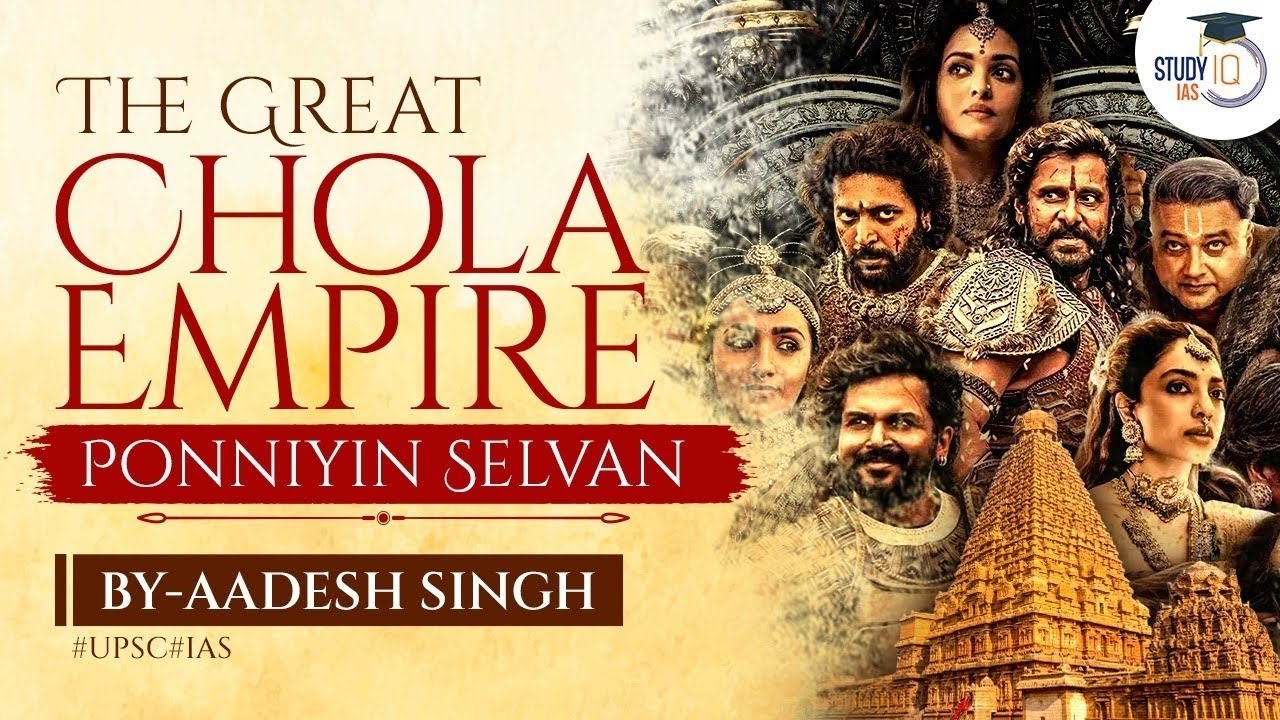
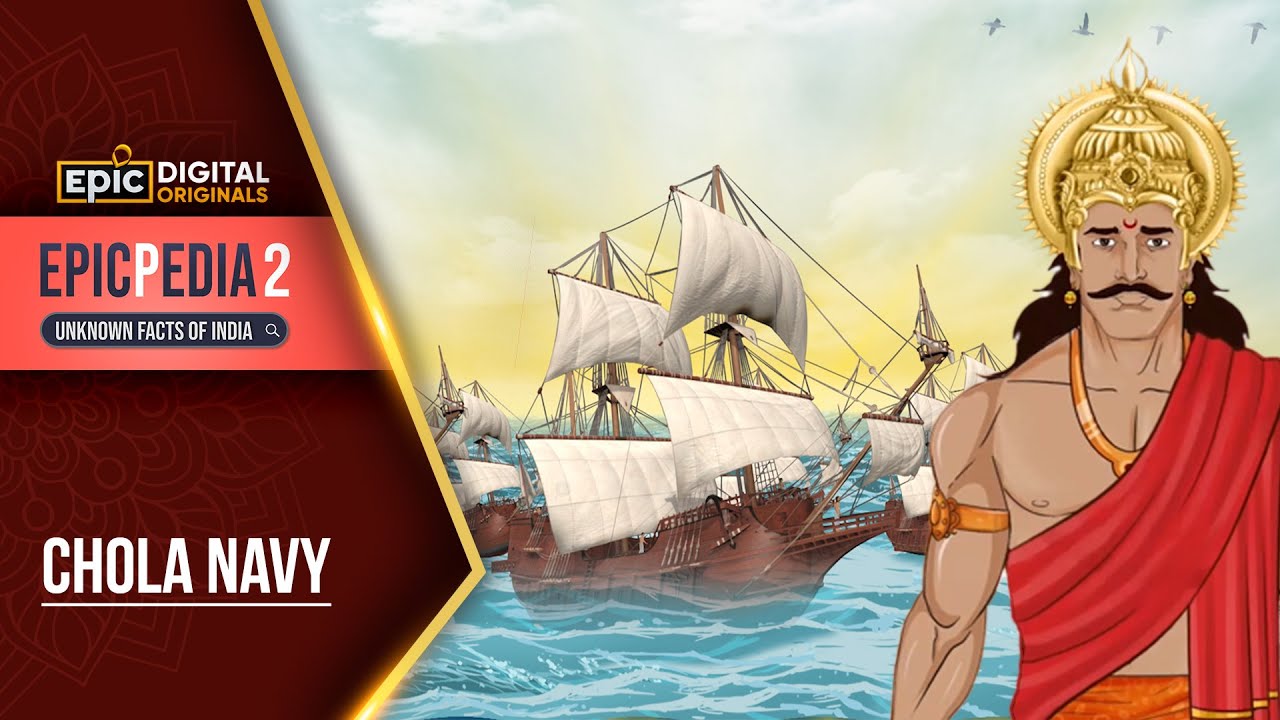
The Imperial Chola Administration and Warfare represents a critical period in South Indian history, defined by both aggressive military expansion and a sophisticated governance model. The Chola state managed a complex balance by combining top-down imperial control with highly autonomous local assemblies. This structured narrative explores the inner workings of the Chola administrative system, their aggressive warfare tactics, robust trade and economic policies, and their systematic approach to revenue collection. Understanding these interconnected pillars is crucial for students preparing for history and civil service examinations focused on the development of the Medieval South Indian Kingdoms.
In this chapter, you will understand:
- The dual nature of Chola authority, blending aggressive conquest with advanced civil institutions.
- The multi-tiered political map divided into Mandalam, Valanadu, and Nadu.
- The economic importance of maritime trade guilds and revenue assessment based on cropping patterns.
- The factors that caused the empire's eventual fragmentation and vulnerability to outside forces.
Why this topic matters: This subject illustrates how a medieval state could sustain long-distance military actions while preserving grassroots democracy. It serves as a benchmark for local self-government and agrarian management in historical analyses.
Core Idea: The Chola Empire (c. 9th–13th Century) achieved historical prominence by pairing a fierce, expansionist army with an advanced revenue and local administration structure. While their wars across South India and Sri Lanka were highly destructive, their internal rule nurtured local assemblies and vast trading networks. Ultimately, continuous conflicts with regional neighbors weakened the state, paving the way for the transformation of the southern political landscape by the early 14th century.
Chola Empire Warfare, Administration, and Economic Policies (c. 9th–13th Century)
The Chola era was characterized by a paradoxical blend of brutal military expansionism and the establishment of a remarkably strong, decentralized administrative framework. The central authority relied on its capacity to project power across vast territories, swiftly followed by institutionalizing a systematic method of governance to ensure long-term stability and a steady resource flow.
- Imperial Ambitions and Administrative Balance
The state balanced central military dominance with structural freedom at the base of the political pyramid.
- (i) The military campaigns during this period grew increasingly brutal and destructive, moving beyond mere conquest to encompass widespread punitive actions against enemy territories and populations.
- (ii) Despite the militaristic approach, the Cholas were celebrated for their significant contribution to good governance, particularly through the encouragement of robust local self-government at the village level, which organically strengthened their political reach and control.
The Harsh Realities of Chola Military Expansion and Territorial Dominance
The aggressive military campaigns launched by the Chola emperors were instrumental in establishing their hegemony, but these victories were often secured through devastating and unsparing tactics against rival kingdoms.

The Sacking and Plunder of Chalukyan Cities
The protracted rivalry between the Cholas and the Western Chalukyas led to intense and destructive warfare, demonstrating the Chola military's ability to penetrate deep into enemy heartlands and inflict significant material and psychological damage.
- (i) Chola armies routinely sacked and plundered strategically important Chalukyan cities, a common punitive military practice of the time.
- (ii) A notable example was the deliberate destruction and pillaging of the Chalukyan capital city, Kalyani, which served as a clear message of Chola superiority and military might.
- (iii) The accounts also record acts of extreme harshness, including the massacre of the local population, even encompassing vulnerable groups like Brahmans and children, highlighting the ruthless nature of the inter-dynastic conflicts.
Punitive Actions Against Sri Lanka
The Chola military also directed its formidable power southwards, launching major campaigns to assert control over Sri Lanka (then Ceylon), resulting in the destruction of historical landmarks and the mistreatment of the royal family.
- (a) The ancient and revered capital city of Anuradhapura in Sri Lanka was systematically destroyed by the invading Chola forces, symbolizing the complete subjugation of the island kingdom.
- (b) The captured Sri Lankan king and queen were subjected to harsh treatment, which was intended to demoralize the local resistance and consolidate Chola political dominance over the region.
Architecture of Chola Administrative System and Local Self-Government
Following conquest, the Cholas implemented a centralized yet efficient system of administration, which famously incorporated and fostered strong, autonomous local governing bodies, ensuring effective management of a vast empire.
Multi-Tiered Administrative Structure: Mandalam, Valanadu, and Nadu
The empire was meticulously organized into distinct tiers to ensure both central oversight and local functional efficiency, crucial for revenue collection and maintaining order.
Hierarchical structure of the Chola administrative framework - (i) Mandalam (Provinces): The entire empire was typically divided into four provinces, often governed directly by royal family members, such as royal princes, providing direct linkage to the central imperial authority.
- (ii) Valanadu (Divisions): These were groupings of smaller administrative units known as nadus, functioning as key regional divisions to manage interconnected local areas.
- (iii) Nadu (District Equivalent): This represented the basic unit of administration, primarily consisting of a cluster of villages whose populations frequently shared close kinship ties, reflecting a naturally formed social structure.
Royal Roads and Local Self-Governance Infrastructure
In addition to the territorial divisions, the Chola regime invested in critical infrastructure and championed a form of grassroots democracy, foundational to their long-term political success.
- (a) Network of Royal Roads: The Cholas constructed an extensive network of royal roads that served a dual purpose: facilitating robust trade and commerce, and ensuring the rapid movement of military forces for swift crisis response and territorial control.
- (b) Village Self-Government: Perhaps the most enduring legacy was the remarkable promotion of local self-government in villages, where autonomous assemblies managed local affairs, resource distribution, and dispute resolution, significantly strengthening the political base.
Chola Economic Power, Trade, and Revenue System
The Chola Empire was an economic powerhouse, aggressively promoting both internal and international trade, which directly influenced their expansionist foreign policy and was sustained by a structured system of revenue and land classification.
Aggressive Trade Promotion and Coastal Expansion Motive
The imperial focus shifted strategically towards maximizing economic opportunities, especially those presented by maritime commerce, driving Chola engagement across Southeast Asia.
- (i) Extensive Trade Network: The Cholas actively promoted trade, with influential, large trade guilds successfully conducting wide-ranging commerce, establishing economic links with distant regions like Java and Sumatra.
- (ii) The Economic Imperative: Historian R. Chakravarti posited that while the early Cholas concentrated on generating internal revenue from their land base, the imperial Cholas were strategically drawn toward coastal expansion specifically because of the lucrative economic opportunities presented by sea trade and control over trade routes.
Land Revenue: The Economic Backbone and Land Classification
Land revenue constituted the primary source of state income, relying on a meticulous system of land classification based on agricultural productivity and water availability.
- (a) Main Source of Income: The state’s principal financial strength was derived from land revenue, which was managed through a highly structured and systematic taxation process.
- (b) Classification by Cropping Patterns: Land was carefully categorized to ensure equitable and efficient tax assessment:
Single-Crop Lands (Oru-puvilaiyum nilam)
- Land designated for yielding a single harvest annually.
Double-Crop Lands (Irupuvilaiyum nilam)
- Lands capable of sustaining and yielding two separate crops within a year.
Wetlands (Nir nilam and Nanjey)
- Nir nilam referred to typical wetlands, while Nanjey was used to denote improved lands, usually well-irrigated and thus highly productive.
Dry or Wastelands (Punjey)
- This category included less productive dry or wastelands that required different agricultural inputs and yielded lower revenue.
Two Tiers of Taxation and Various Specific Dues
The system featured a dual structure for revenue extraction—local and central—complemented by a complex list of specific taxes levied on cultivators, labor, and various professions.
- (i) Local Taxation: This tier included taxes levied and collected at the fundamental administrative levels of the village and nadu, directly funding local governance and needs.
- (ii) Supra-local Taxation: This revenue stream was strictly controlled by the central administration, representing the empire's share of income necessary for maintaining the court, military, and large-scale public works.
- (iii) Taxes on Cultivators and Labor: Key agricultural taxes included Kutimai (a direct tax on cultivators) and Vetti/Vettinai (compulsory labor dues, often directed towards vital irrigation projects).
- (iv) Taxes on Space and Commons:Natacci/Uracci represented taxes levied on utilized spaces, covering residential spaces and common community lands.
- (v) Trading and Artisanal Dues: The state extracted revenue from various trades and professions:
- Cunkam: A significant Toll Tax levied on commercial movement of goods.
- Tattar Pattam: A specific tax imposed on goldsmiths.
- Ennai Irai/Urai Nali: A tax collected on the trade of oil.
- Kurai Kacu: The tax collected related to the production or trade of cloth.
- Verrilai: A specific tax levied on betel leaves.
- Vannar Parai: A tax imposed on washermen.
- Paci Pattam: A tax related to the activity of fishing.
- (vi) Mode of Payment: Crucially, most of these taxes were predominately paid in kind (in the form of produce, goods, or labor) rather than being remitted primarily in cash, reflecting a predominantly agrarian economy.
The Decline of the Chola Empire and Rise of Regional Powers (13th Century Onwards)
While the Chola Empire demonstrated remarkable resilience through the twelfth century, the inevitable forces of internal strain and the ascent of new, powerful regional entities ultimately led to its fragmentation and decline in the early thirteenth century.
Fragmentation of the Old Order and Rise of New Kingdoms
The dissolution of the Chola power coincided with the end of other significant dynasties, creating a power vacuum that was swiftly filled by ambitious successor states across the Deccan and South India.
- (i) The later Chalukyan empire, a long-standing rival to the Cholas in the Maharashtra region, also simultaneously came to its definitive end, marking the conclusion of a major era of imperial rivalry.
- (ii) The Cholas were rapidly superseded by dynamic emerging powers in the Southern landscape, including The Pandyas and Hoysalas, who asserted their independence and dominance.
- (iii) In the Northern Deccan, the vacuum was filled by the Yadavas and the Kakatiyas, establishing their own regional strongholds and contributing to the geopolitical fragmentation.
Internal Weakening and External Collapse by Delhi Sultans
Despite their cultural contributions, the constant internecine conflict among these new regional kingdoms ultimately weakened them, paving the way for complete external subjugation by Northern forces.
- (a) These successor states often became rivals, frequently engaging in warfare that involved the destructive sacking of towns and temples, actions which ironically contributed to their own economic and political instability.
- (b) Although all these kingdoms actively patronized art and architecture, their perpetual and self-defeating warfare ultimately led to their downfall, leaving them vulnerable to external threats.
- (c) The final blow to these fragmented South Indian powers was delivered by the Sultans of Delhi, who successfully destroyed these kingdoms by the beginning of the fourteenth century, fundamentally altering the political map of the subcontinent.
Chola Administration Quick Revision Capsule
A quick summary structural framework of Chola socio-economic systems and metrics:
| Administrative / Land Unit | Technical Term & Classification | Core Function & Economic Metric |
|---|---|---|
| Province | Mandalam | Four primary regional zones governed by royal family members to maintain direct ties to the center. |
| District Cluster | Nadu | Basic unit of localized administration held together by strong community kinship ties. |
| Single-Crop Land | Oru-puvilaiyum nilam | Agrarian land evaluated specifically for generating a single harvest per year. |
| Double-Crop Land | Irupuvilaiyum nilam | Highly fertile agricultural fields capable of delivering two full crop cycles annually. |
| Wetlands & Improved Lands | Nir nilam / Nanjey | Well-irrigated, highly productive zones prioritized for systematic land revenue assessment. |
Summary
The Chola Empire remains a foundational study for understanding the synthesis of power and governance in Medieval India, showcasing a state that was not only a formidable military power but also a sustained economic powerhouse. Their strategic trade ambitions were key drivers of their expansionist policies, while the detailed, tiered administrative and revenue system allowed them to efficiently sustain a vast territory for centuries. For students, studying the Chola administration, from the strong center to the autonomous village self-government, provides crucial insights into decentralized governance models and the intricate mechanism of land revenue that supported imperial might.
Quick Revision Points
Key foundational takeaways for exam preparation:
- (i) Chola governance relied heavily on a multi-tiered regional structure scaling from Mandalam down to the Nadu.
- (ii) Grassroots democracy was preserved through highly autonomous village self-government assemblies.
- (iii) The economic pivot shifted from purely internal land taxation toward aggressive coastal expansion and maritime trade guild networks.
- (iv) Financial structures were split into local tiers and supra-local central streams, with revenue collected predominantly in kind.
- Exam Tip: Pay close attention to the specific land and tax terms, such as Nanjey (wetlands), Cunkam (toll tax), and Kutimai (cultivator dues). Examiners frequently use these specific medieval terms to test clarity on economic frameworks.
Frequently Asked Questions (FAQ)
Q1: What were the major divisions within the Chola administrative hierarchy?
A1: The empire was split systematically into Mandalam (provinces overseen by royal princes), which were further divided into Valanadu (regional divisions), and then into Nadu (districts comprised of close-knit village clusters).Q2: How did the Cholas structure their land revenue system?
A2: Revenue was determined through a rigorous survey of land classifications based on watering styles and harvest counts. Key groups included single-crop land (Oru-puvilaiyum nilam), double-crop land (Irupuvilaiyum nilam), wetlands (Nir nilam/Nanjey), and dry wastelands (Punjey).Q3: What factors caused the ultimate decline of the Chola state?
A3: Internal fatigue and the continuous conflict with rising powers like the Pandyas and Hoysalas fractured the southern landscape. These constant wars left the successor kingdoms politically exhausted and highly vulnerable to the Sultans of Delhi by the early 14th century.