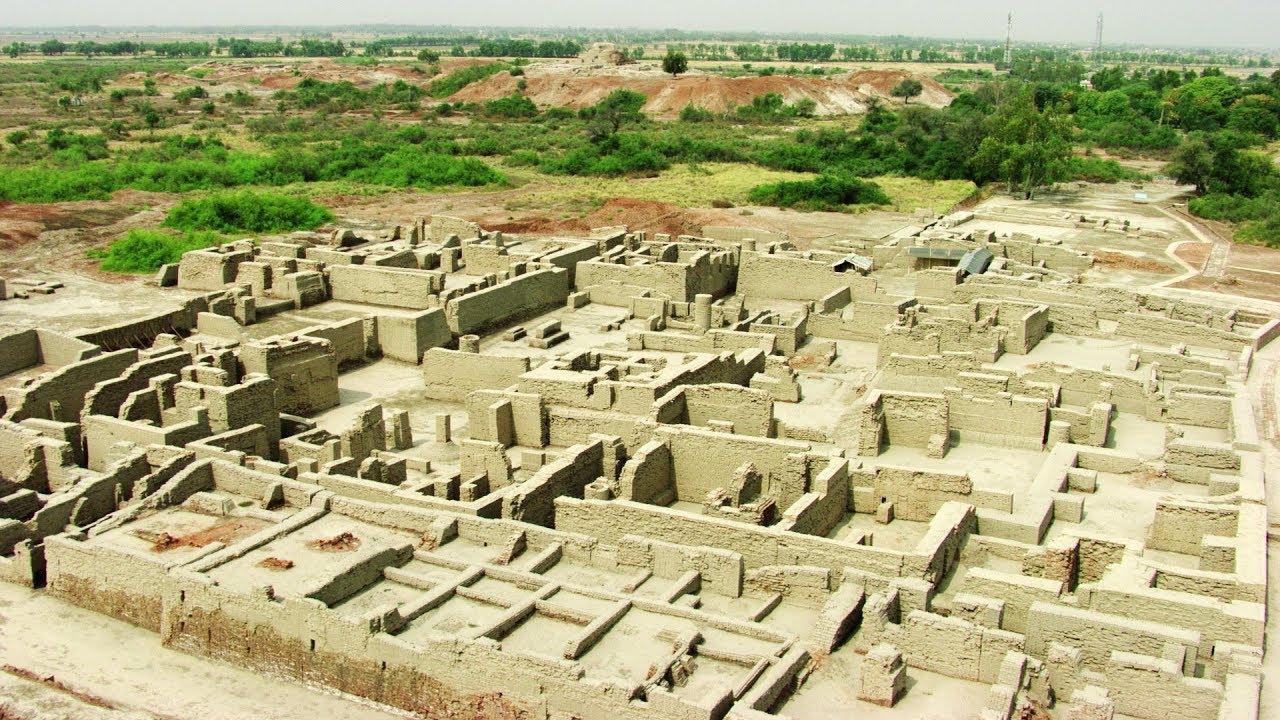
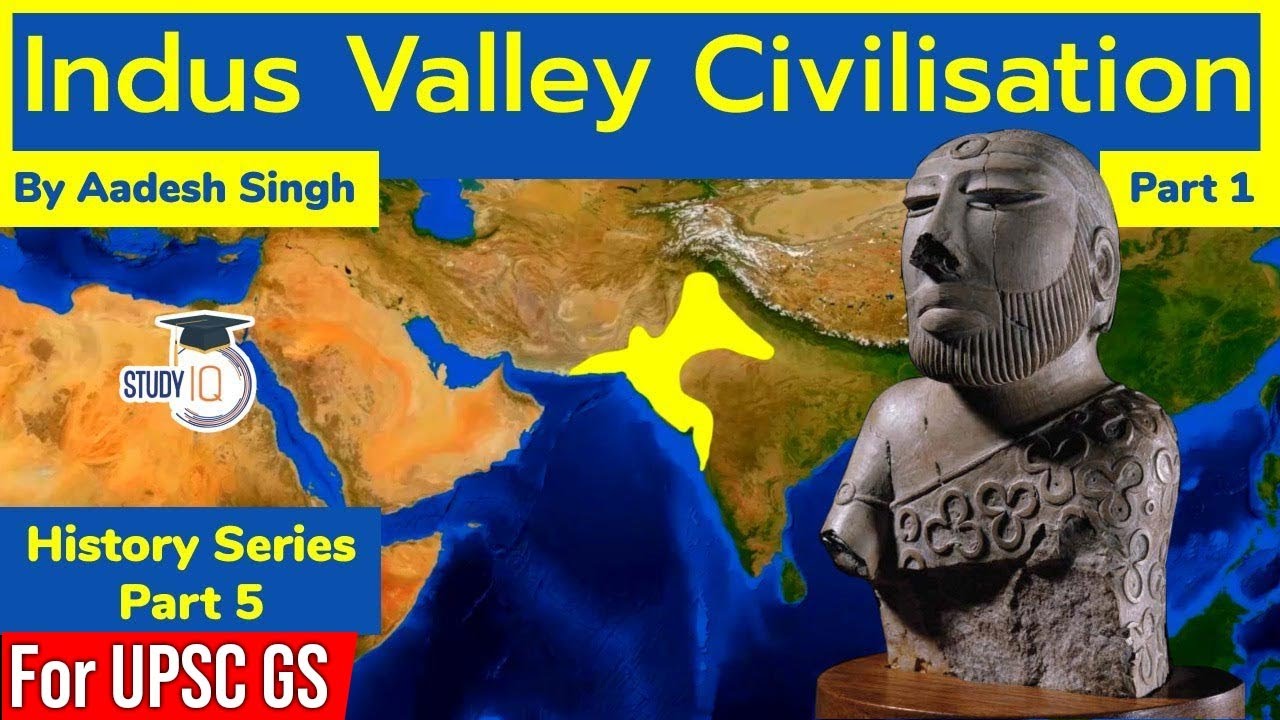
The Early Harappan Culture marked a crucial period in South Asian prehistory, emerging from early farming communities across the Indus-Saraswati river valleys. Spanning from the late 4th millennium B.C. to the mid-3rd millennium B.C., this phase displays cultural uniformity alongside strong regional diversity. Studying this era is highly beneficial for students preparing for history and archaeology exams, providing clear insights into early urbanization, advanced trade networks, and early societal organization.
In this chapter, you will understand:
- The transition from rural villages to planned urban settlements.
- Agricultural strategies, domesticated animals, and long-distance trade.
- Technological milestones in mud-brick masonry, standardized ratios, and sanitation.
- Material culture markers including Red Ware, copper tools, and terracotta assets.
Why this topic matters: This formative phase contains the structural blueprint for the Mature Harappan period, making it a heavily tested area in competitive civil services and history examinations.
Core Idea: The Early Harappan period acts as a stepping stone from village life to complex cities. Communities standardized building sizes, managed surplus farming, and built protective walls, laying the groundwork for full urbanization.
Exploring Key Features of Early Harappan Culture: Settlements, Economy & Trade Networks
The Early Harappan Civilization laid the foundational groundwork for one of the ancient world's most sophisticated urban societies, moving steadily away from isolated rural farming setups.
Foundational Civil Framework
This era handles the crucial historical shift from scattered rural villages to structured town environments, fostering commercial growth and advanced social layering.
- (i) The geographical spread covered major river valleys like the Indus, Saraswati, and Darishadwati.
- (ii) Settlements developed planned layouts and were frequently fortified for protection.
- (iii) Interconnected trade networks and specialized craftsmanship point to a healthy, expanding regional economy.
Geographical Extent of Early Harappan Culture and Regional Diversity
The civilization extended its influence across expansive zones of modern South Asia, successfully integrating diverse local populations into a shared economic and cultural network.

Key Regions and Territories Defining the Harappan Sphere
The core footprint of the culture demonstrates clear settlement expansion across the northwestern subcontinent.
- (i) The territory covered modern Pakistan, northwest India, and parts of eastern Afghanistan.
- (ii) Key active centers thrived in the fertile zones of Baluchistan, coastal Gujarat, and the Haryana region.
Settlements & Urban Planning in the Early Harappan Period: From Village to Town
This developmental stage highlights the introduction of calculated town planning and defensive building designs to secure populations against river floods.
Key Archaeological Sites and Foundations of Urban Life
Field excavations provide physical proof of growing social complexity, creating the architectural base for later eras.
- (i) Crucial type-sites defining this baseline include Kot Diji, Amri, Kalibangan, and the large site of Rakhigarhi.
- (ii) Domestic structures consisted primarily of sturdy mud-brick houses built on elevated mounds to survive floodwaters.
- (iii) Settlements featured direct, straight paths alongside the initial building steps of functional drainage systems for public hygiene.
Architectural & Structural Features: Planning and Construction Skills
The design of residences and defenses during this era reveals advanced planning capabilities utilizing highly standardized materials.
Massive Fortifications and Standardized Bricks
Imposing defensive walls protect these early settlements, built using strict, uniform architectural specifications.
- (i) Heavy perimeter fortification walls stand out at major locations like Kalibangan, Siswal, and Rakhigarhi.
- (ii) Builders utilized carefully shaped mud bricks adhering strictly to a standard 1:2:3 dimensional ratio.
- (iii) The presence of heavy fortifications proves a clear corporate need for security against outside challenges or territorial conflicts.
House Complexes and Construction Techniques
Domestic layouts indicate a strong awareness of family comfort, community living, and specialized masonry work.
- (i) Homes were neatly split into distinct living zones, including dedicated cooking spaces, open central courtyards, and multiple private rooms.
- (ii) Structural brick masonry regularly utilized an English bond pattern to ensure strong, interlocking wall stability.
- (iii) The primary choice for everyday building work remained cheap, insulating, sun-dried mud bricks.
Drainage Systems and Early Sanitation Practices
The building of clear wastewater channels shows an early and vital focus on group health and cleanliness.
Early brick drainage channels linking residential sectors - (i) Functional wastewater networks are clearly documented at major sites including Kalibangan and Rakhigarhi.
- (ii) Channels featured paths crafted from durable burnt brick at high-moisture points, alongside standard mud bricks.
- (iii) This civic infrastructure highlights the systematic management of town wastewater for a cleaner living area.
Early Harappan Core Metrics Quick Revision Capsule
A quick summary look at the foundational features, economies, and material markers of the Early Harappan phase:
| Core Archaeological Site | Primary Economic & Material Feature | Key Architectural Infrastructure |
|---|---|---|
| Kot Diji | Mass production of classic Red Ware pottery styles | Early defensive stone foundations and mud-brick structures |
| Kalibangan | Definitive proof of early ploughed fields and diverse crop cultivation | Massive perimeter fortification walls and early drainage lines |
| Rakhigarhi | Extensive internal trade links and diverse terracotta figurines | Standardized 1:2:3 mud-brick complexes and street networks |
| Amri | Domestication of local cattle and specialized regional bartering | Stratified residential cell layouts and elevated flood platforms |
| Siswal | Production of stone, bone, and early copper utility tools | Substantial defensive village enclosures and mud-brick homes |
Summary
The Early Harappan Culture is a foundational milestone in South Asian prehistory, acting as the developmental runway for the mature Indus Valley Civilization. This phase introduced uniform urban planning, wide-reaching trade networks, and distinct technological innovations that shaped the subcontinent's bronze age. Mastering these developmental steps allows students to trace how simple farming villages evolved into massive, organized ancient cities.
Quick Revision Points / Notes
Key review facts for instant student exam preparation:
- (i) The culture flourished from the late 4th millennium B.C. down to the mid-3rd millennium B.C.
- (ii) Primary crops included wheat, barley, peas, and mustard, alongside cattle and sheep herding.
- (iii) Architecture relied heavily on mud bricks matching a uniform 1:2:3 size ratio.
- (iv) Long-distance trade connections linked these local sites directly to ancient Mesopotamia.
- Exam Tip: Always highlight the 1:2:3 brick ratio and the ploughed field evidence at Kalibangan in descriptive answers. These key facts demonstrate a clear understanding of Early Harappan technological advancement before the Mature phase.
Frequently Asked Questions (FAQ)
Q1: What marks the main architectural shift in the Early Harappan period?
A1: The main shift is the move from scattered villages to planned towns featuring perimeter fortification walls, houses set on raised flood mounds, and uniform 1:2:3 ratio bricks using the English bond pattern.Q2: Which agricultural items and animals supported this early economy?
A2: The economy relied on growing wheat, barley, peas, and mustard, utilizing advanced plowing methods. Communities domesticated cattle, buffalo, sheep, and goats to support their food needs.Q3: What long-distance trade links have been verified for this phase?
A3: Archaeologists have documented vital trade connections stretching to Mesopotamia, helping exchange items like copper from Khetri, sandstone from the Aravallis, and coastal shells.