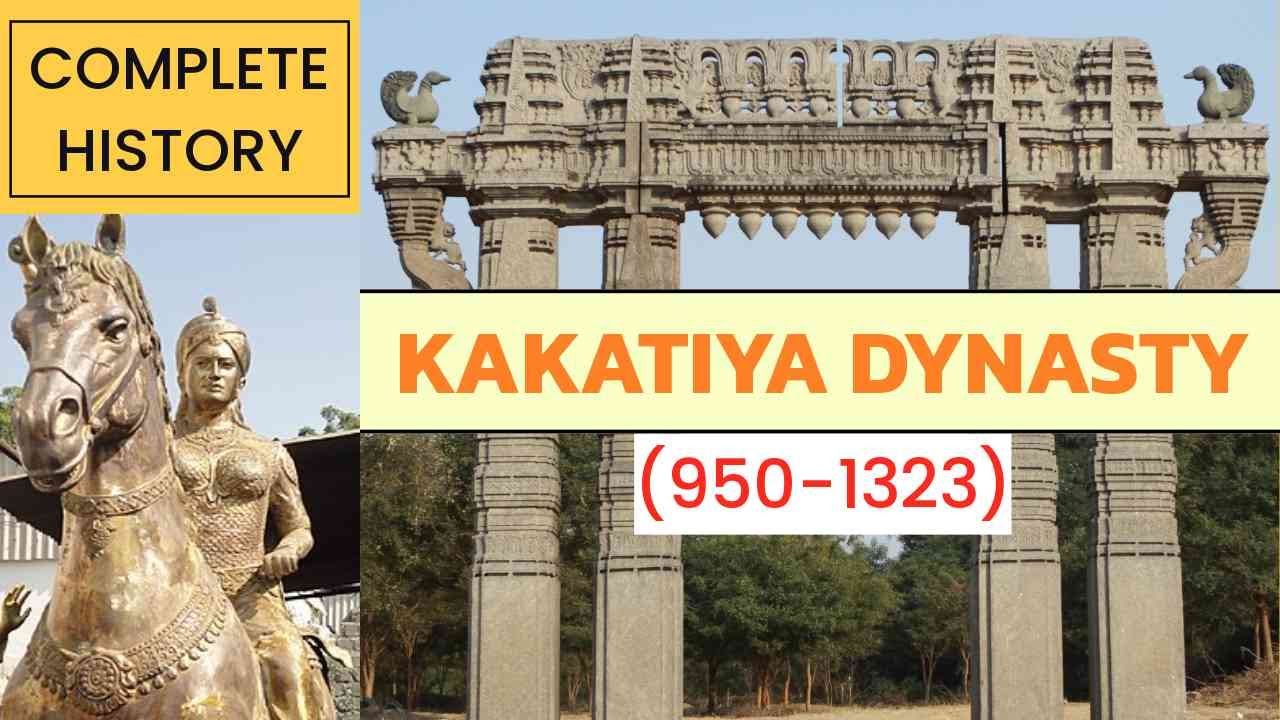
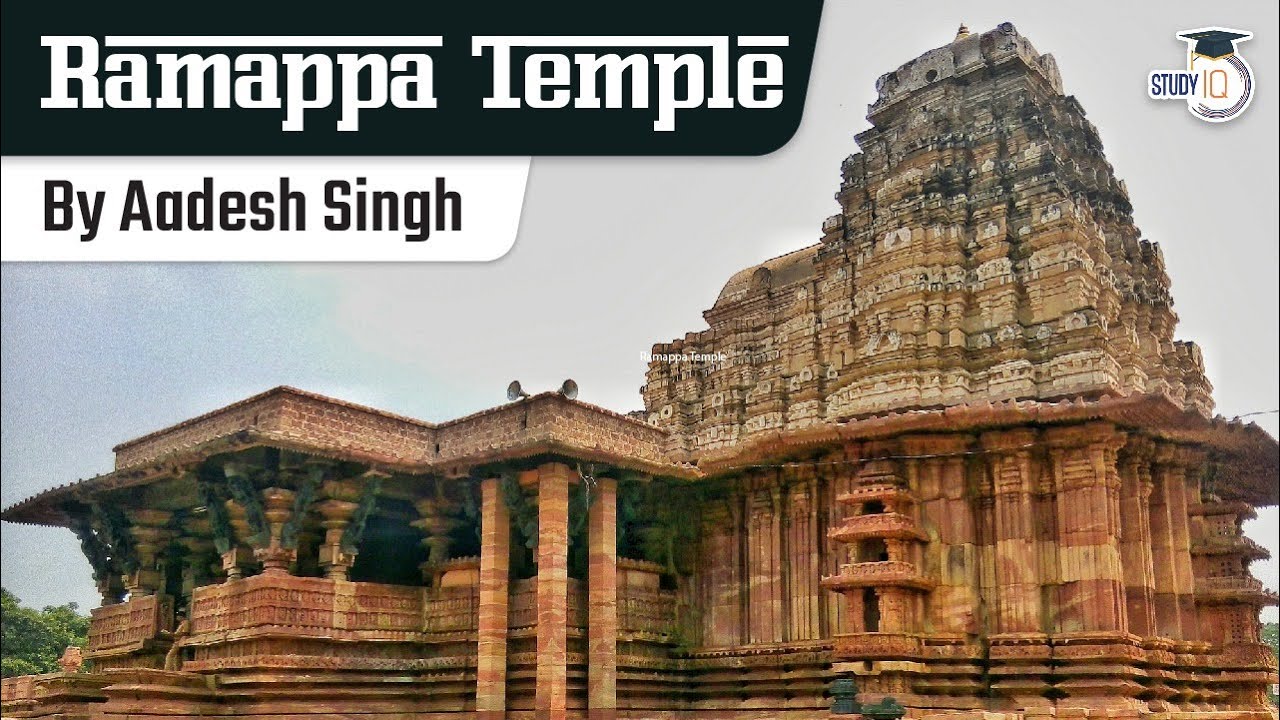
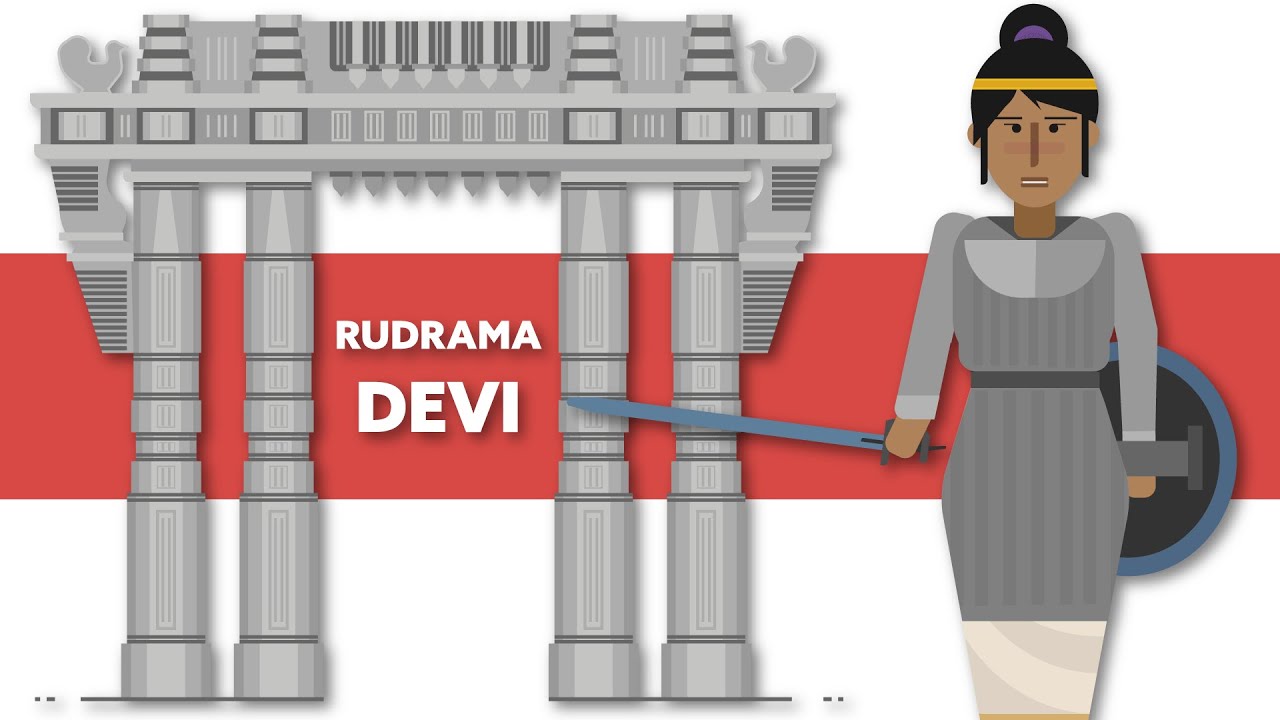
The religious landscape of medieval Andhradesa under the Kakatiya Dynasty underwent a profound transformation over the centuries. In their early years, the Kakatiya rulers acted as staunch patrons of Jainism, building notable temples and supporting monastic traditions across the region. However, as the dynasty expanded its territorial reach and consolidated political authority, royal favor shifted decisively toward Saivism. This transition was far more than a simple matter of personal faith; it served as a crucial instrument for state formation, political unification, and social integration. By aligning themselves with powerful Saiva sects, prominent spiritual preceptors, and monastic institutions like the Golaki Matha, the Kakatiya monarchs effectively legitimized their sovereign authority. At the same time, earlier religious traditions such as Buddhism gradually faded, often absorbing into mainstream Brahmanical traditions. Exploring this dynamic spiritual evolution offers key insights into how religion, royal power, and temple architecture intersected in medieval South Indian history.
In this chapter, you will understand:
- The early patronage of Jainism under Kakatiya rulers and the waning influence of Buddhism.
- The rise of dominant Saiva sects like the Kalamukha, Pasupata, and Aradhya Saivism.
- The historical significance of the Malakapuram inscription of Rudramadevi.
- Scholarly perspectives by Herman Kulke, Burton Stein, and Cynthia Talbot on royal legitimacy.
Why this topic matters: Understanding the religious shifts during the Kakatiya era is vital for Indian history studies. It illustrates how medieval rulers used religious patronage, temple building, and grants to monastic institutions to build state legitimacy and consolidate political authority.
Core Idea: The Kakatiya dynasty transitioned from early Digambara Jainism to state-backed Saivism. Royal support for influential sects like the Kalamukha and Pasupata, guided by royal preceptors like Visveswara Sivacharya, transformed temples into vital centers of socio-economic and political power throughout Andhradesa.
Religion of Kakatiya Andhra Dynasty: From Jainism to the Rise of Saivism
The religious landscape of the Kakatiya period was dynamic, evolving from early Jain patronage to the eventual dominance of Saivism, a shift that played a key role in political and cultural legitimization. This gradual ideological evolution enabled the dynasty to connect with broad agrarian populations and establish strong local governance networks.
Early Religious Practices: Jainism and the Fading of Buddhism
The initial phase of the dynasty saw the early Kakatiya rulers primarily identifying as followers of Jainism, specifically the Digambara sect, which left its mark on the region's religious architecture.
- (i) The early rulers are historically credited with the construction of the notable Padmakshi temple located at Hanumakonda, a significant site reflecting their initial Jain faith.
- (ii) While faint traces of Buddhism still existed in the region, the religion had significantly waned in prominence and was largely subsumed into the dominant Brahmanical traditions of the time.
- (iii)
Assimilation of Buddhist Concepts
This assimilation was symbolized by the conceptual identification of Buddha with the Hindu deity Vishnu, illustrating the blending of religious thought into the prevailing spiritual landscape.
- Preservation of local Jain shrines alongside newly erected Saiva structures.
- Gradual transformation of monastic centers into socio-religious land-grant hubs.
- Integration of folk deities into mainstream Brahmanical temple worship.
- Shift of merchant guild patronage from Jain basadis to Saiva temples.
The Ascendancy of Saivism and Royal Patronage
Over time, Saivism emerged as the most dominant and influential faith across the Kakatiya territories, receiving continuous and significant support from the royal family, which often affiliated with specific sects. This religious shift helped integrate diverse local communities into a unified regional identity.

- Kalamukha Sect Patronage: Prominent early kings actively financed Kalamukha monasteries and scholarly centers.
Key Saiva Sects and Royal Leadership
Different Kakatiya rulers championed specific Saiva schools, establishing deep bonds between the throne and spiritual preceptors.
- (a) Rulers like Beta II and Prola II were known as staunch patrons, particularly supporting the ascetic yet influential Kalamukha sect of Saivism.
- (b) Under the extended and successful reign of Ganapati Deva, the Pasupata sect of Saivism witnessed a significant surge in popularity and official status.
- (c) The relationship between state and religion was cemented by Visveswara Sivacharya, who held the highly prestigious and powerful position of the Rajaguru (Royal Preceptor) during the period.
- (d) Establishment of temple-centered villages (Agraharas) to support daily rituals and monastic education.
Religious Inscriptions, Legacy, and Scholarly Interpretations
Inscriptions not only record religious activities but also offer insights into the relationship between royal power and religious sanction, a theme explored by contemporary scholars. Epigraphic records serve as vital historical evidence for analyzing the social reach of medieval temple networks.
- Epigraphic Records: Stone inscriptions carved on temple walls recorded royal land grants, tax exemptions, and religious endowments.
Inscriptional Insights and Historical Perspectives
Modern historians evaluate these religious records to uncover how state power was constructed and maintained in medieval South India.
The famous Malakapuram inscription documenting the Golaki Matha and Pasupata Saivism during Queen Rudramadevi's reign. - Malakapuram Inscription: The pivotal Malakapuram inscription of Rudramadevi provides crucial insights detailing the growth and extensive activities of the Pasupata sect and the influential Golaki Matha across the region known as Andhradesa.
- Aradhya Saivism: The rise of the distinct Aradhya Saivism tradition was marked by the profound contributions of the notable spiritual scholar Mallikarjuna Pandita.
- Scholarly Views on Patronage: Modern scholars such as Herman Kulke and Burton Stein have significantly emphasized the fundamental role played by religious patronage in the processes of state formation, while Cynthia Talbot suggested that the Kakatiyas' selective religious support ultimately served to legitimize royal power.
Quick Revision Capsule: Kakatiya Religious History
Below is a quick overview summarizing the primary religious phases, key figures, and historical milestones of the Kakatiya Dynasty:
| Religious Tradition / Phase | Key Patrons & Figures | Core Impact & Key Significance |
|---|---|---|
| Early Jain Phase | Early Kakatiya Rulers | Patronized Digambara Jainism; constructed the historical Padmakshi temple at Hanumakonda. |
| Kalamukha Saivism | Beta II & Prola II | Established early Saiva royal patronage, granting lands and support to Kalamukha ascetics. |
| Pasupata Saivism | Ganapati Deva & Visveswara Sivacharya | Elevated Pasupata Saivism to official status under the guidance of the royal Rajaguru. |
| Golaki Matha & Inscriptions | Rudramadevi | Documented in the Malakapuram inscription, detailing vast socio-religious and educational activities. |
| Aradhya Saivism | Mallikarjuna Pandita | Popularized a distinct devotional Saiva movement tailored to the cultural landscape of Andhradesa. |
Summary
The religious evolution of the Kakatiya Dynasty reflects a strategic transition from early Jainism to widespread Saivism. While early rulers built Jain shrines like the Padmakshi temple in Hanumakonda, later monarchs realized the political value of supporting Saiva sects such as the Kalamukha and Pasupata. Under prominent leaders like Ganapati Deva and Rudramadevi, guided by spiritual preceptors like Visveswara Sivacharya, Saiva monasteries (Golaki Matha) became core centers of administration, education, and community life. As noted by modern historians like Cynthia Talbot, Herman Kulke, and Burton Stein, this religious patronage was key to state formation and legitimized royal power across Andhradesa.
Quick Revision Points for Students
Key facts to remember for examinations:
- (i) The early Kakatiyas followed Digambara Jainism and built the famous Padmakshi temple at Hanumakonda.
- (ii) Buddhism declined during this period as Buddha was conceptually integrated as an avatar of Vishnu within Brahmanical traditions.
- (iii) Beta II and Prola II patronized the Kalamukha sect, while Ganapati Deva elevated the Pasupata sect.
- (iv) The Malakapuram inscription of Rudramadevi is the key source detailing the activities of the Golaki Matha in Andhradesa.
- Exam Tip: Pay special attention to the historical sources! Questions frequently focus on matching rulers like Rudramadevi with the Malakapuram inscription, identifying Visveswara Sivacharya as the Rajaguru, or comparing the scholarly views of Cynthia Talbot, Herman Kulke, and Burton Stein regarding state formation and royal legitimacy.
Frequently Asked Questions (FAQ)
Q1: Which Jain temple is associated with the early Kakatiya rulers?
A1: The early Kakatiya rulers constructed the famous Padmakshi temple located at Hanumakonda, which stands as a key architectural testament to their initial patronage of Digambara Jainism.Q2: What is the significance of the Malakapuram inscription?
A2: Issued during the reign of Queen Rudramadevi, the Malakapuram inscription provides detailed records regarding the growth, land grants, and extensive socio-religious activities of the Pasupata sect and the Golaki Matha in medieval Andhradesa.Q3: How do modern historians interpret the Kakatiyas' religious patronage?
A3: Scholars like Herman Kulke and Burton Stein view religious patronage as an essential element of state formation, while Cynthia Talbot emphasizes that supporting Saiva institutions enabled the Kakatiyas to legitimize royal power and unify diverse regional populations.