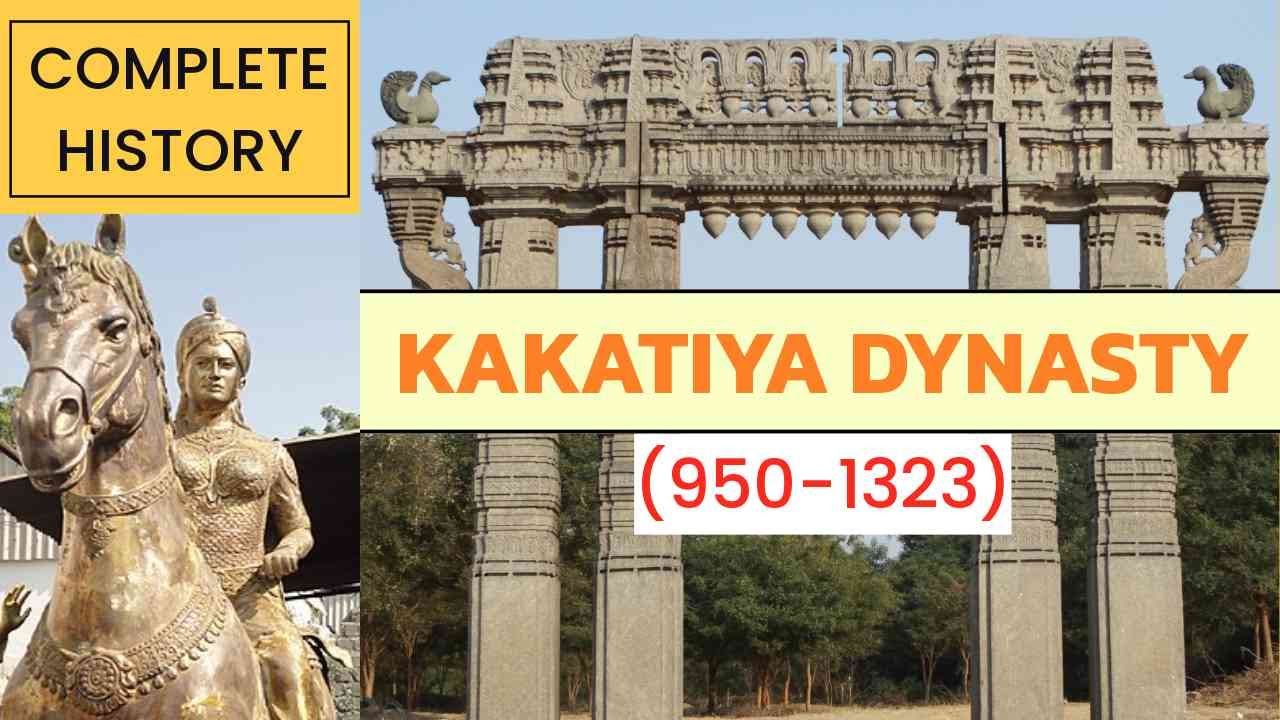
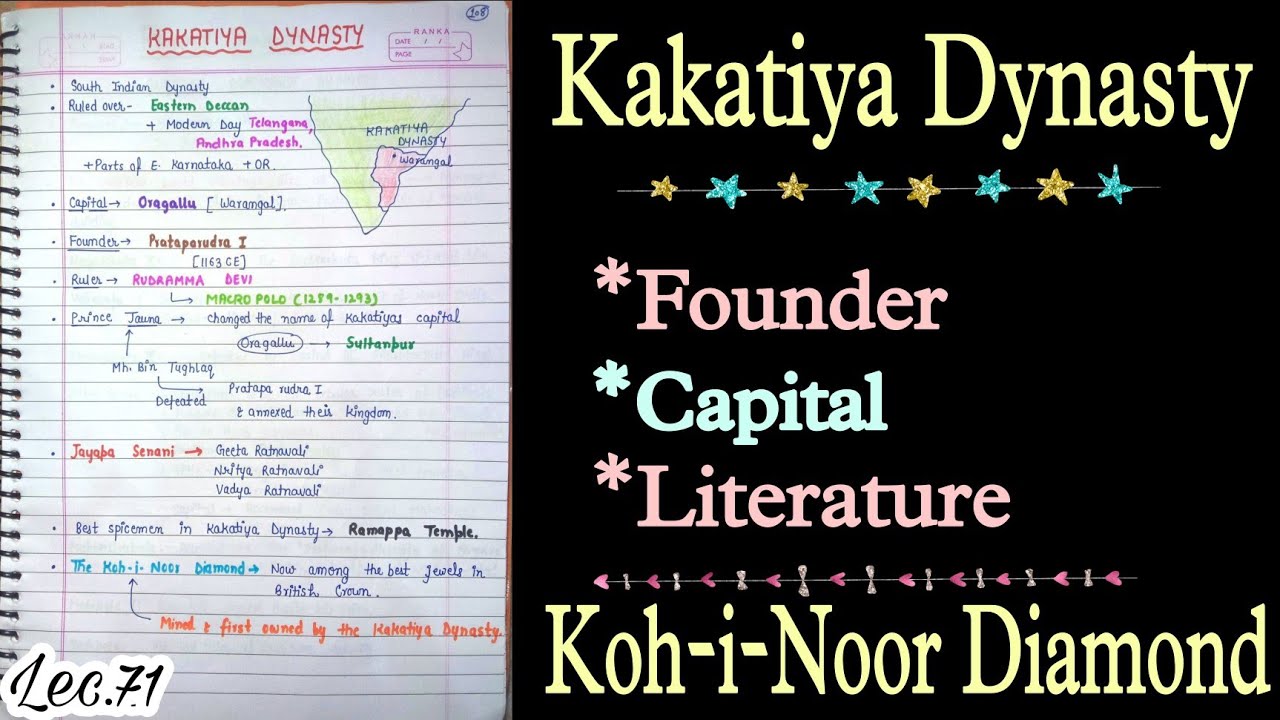
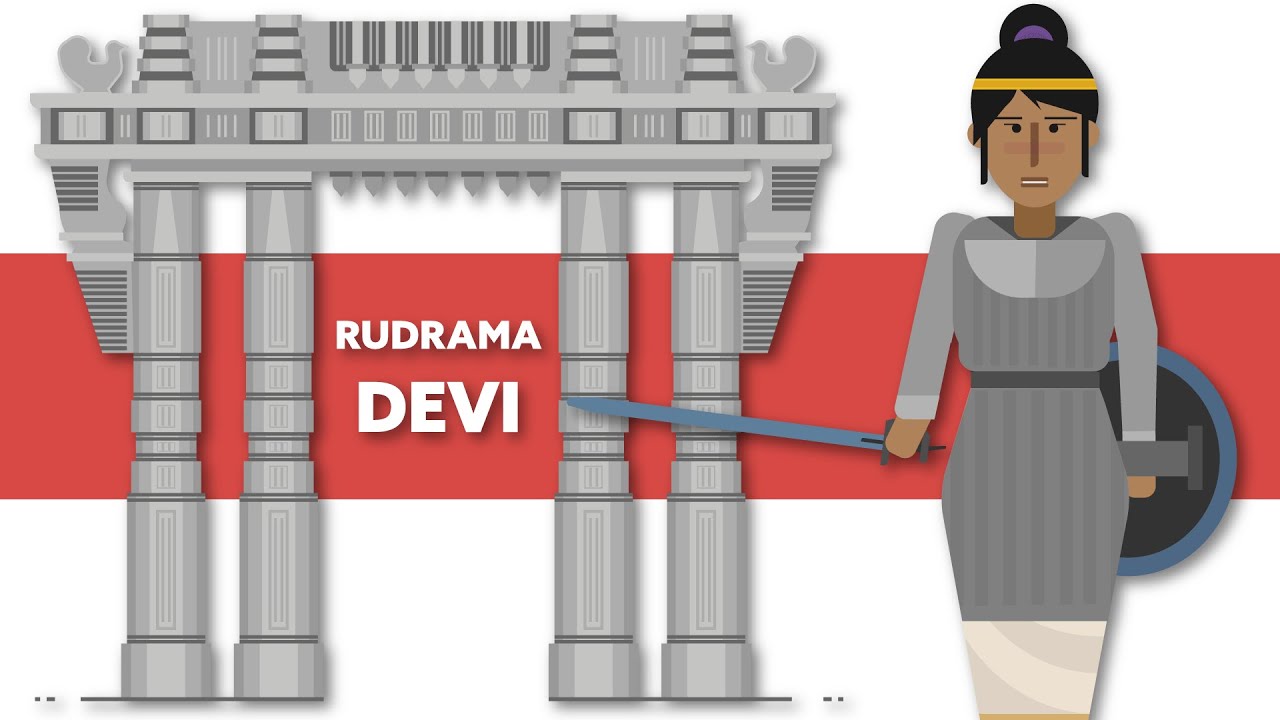
The Kakatiya era represents a golden period in the history of the Deccan region, particularly in present-day Telangana and Andhra Pradesh. Beyond their military feats and administrative innovations, the royal court transformed into a flourishing hub for intellectuals, poets, sculptors, and artists. They gave equal honors to classic Sanskrit scholarship and vernacular Telugu literature, creating works that still shape South Indian heritage. Alongside written traditions, Kakatiya builders developed an iconic style of temple architecture and stone craftsmanship—marked by intricate motifs, sandbox foundations, and massive granite monuments that stood the test of centuries.
In this chapter, you will understand:
- The dual growth of Sanskrit and Telugu court literature under Kakatiya patronage.
- Key literary figures such as Tikkanna Somayaji, Vidyanatha, and Jayapasenani.
- Unique features of Kakatiya temple architecture, using granite, sandstone, and lightweight bricks.
- Iconic architectural masterpieces, decorative motifs (like Kirtimukha), and ancient fresco paintings.
Why this topic matters: This topic is central to Indian medieval history and art history examinations. Understanding Kakatiya cultural accomplishments provides key insights into South Indian regional identity, temple design techniques, and the development of early Telugu literary meter.
Core Idea: The Kakatiyas promoted a rich cultural climate through two main pillars: language and stone. They actively patronized traditional Sanskrit scholarship and popular Telugu poetic traditions while raising magnificent monuments like the Thousand-Pillared Temple and Rudresvara Temple with highly detailed decorative sculptures.
Culture and Literature: A Flourishing of Sanskrit and Telugu Arts
The Kakatiya court fostered a vibrant cultural scene where both the classical language of Sanskrit and the vernacular Telugu language found significant patronage and produced major literary works across poetry, performance art, and religious commentaries.
Sanskrit Literature: The Language of the Elite and Scholars
Sanskrit, as the traditional language of elite communication and official scholarship, was celebrated throughout the kingdom, leading to elaborate epigraphic inscriptions and major treatises.
- (i) Eminent scholars like Nandi, Acchitendra, Antantasuri, and Iswarasuri composed ornate and elegant Kavya-style epigraphs engraved on stone pillars and copper plates.
Key Sanskrit Authors and Royal Treatises
Prominent court poets penned influential works praising kings and analyzing artistic forms.
- (a) The court poet Vidyanatha authored the celebrated work Parataparudrayasobhushana, which praised the ruling lineage and provided guidelines on Sanskrit grammar and poetics.
- (b) Royal military commander Jayapasenani wrote classic works on music and dance, including Nrityaratnavali (a treatise on classical dance) and Gitaratnavali (a treatise on vocal music).
Telugu Literature: The Rise of the Vernacular and Major Epics
The vernacular Telugu literature experienced a true golden age under Kakatiya patronage, shifting from scholarly exclusivity to vibrant narrative epics written in popular meters.
- (i) Renowned literary figures like Tikkanna Somayaji and Mantri Bhaskara made monumental contributions, enriching early Telugu literary identity.
- (ii) Noble author Gona Budda Reddi composed the epic Ranganatha Ramayanam, a pioneering translation of the Ramayana written in the accessible Dvipadakairya (couplet) poetic meter.
- (iii) Other celebrated authors include Nanne Choda (author of Kumara Sambhavama), Baddena (creator of the famous moral guide Sumati Satakam), and Palkuriki Somanadha (who authored the prominent Virasaiva religious text Basavapuranam).
Kakatiya Architecture and Art: Distinctive Temple Style and Intricate Motifs
The Kakatiya architectural school blended traditional elements inherited from earlier dynasties with local regional innovations, yielding a refined, aesthetically distinct architectural movement.

Temple Architecture: Materials and Iconic Structures
While builders initially drew upon Chalukyan architecture principles, they quickly adapted indigenous structural methods to construct heavy, durable monuments on sandy soil foundations.
- (i) The primary materials used for lower wall foundations and columns were local, durable granite and hard sandstone blocks.
- (ii) To reduce weight on the superstructures (towers), builders crafted upper storeys and roofs out of special lightweight fired bricks and lime mortar.
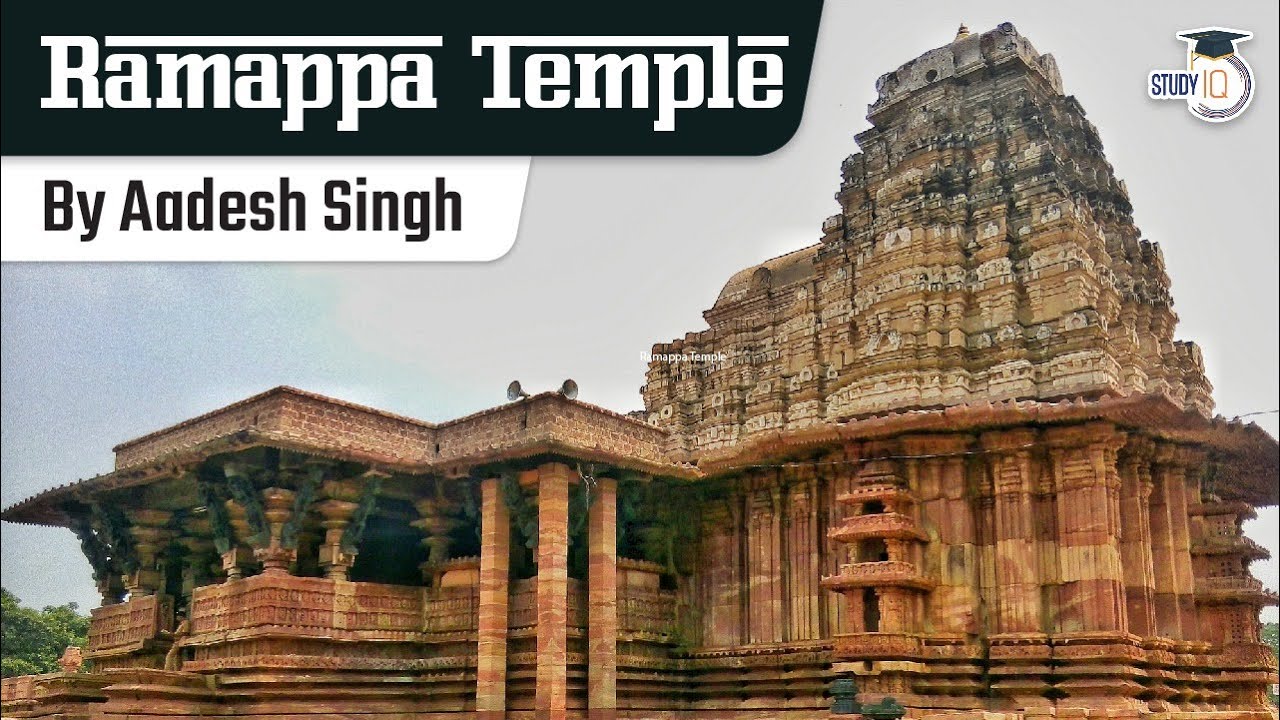
- (iii) Iconic examples include the Thousand-Pillared Temple at Hanumakonda and the world-renowned Rudresvara (Ramappa) Temple built under army commander Recharla Rudra.
Sculptural Mastery and Fresco Painting
Beyond structural framework, Kakatiya sites are famous worldwide for the fine detail worked into stone surfaces and ceilings.
Sculpture and Decorative Art: Intricate Motifs and Finesse
Stone carvers paid detailed attention to symbolic ornamental patterns, filling doorways and pillars with deep relief work.
- (i) Sculptors featured decorative gateways known as Kirtitorana alongside ornate Kirtimukha (face of glory) masks integrated into doorway frames.
- (ii) Majestic, highly polished Nandi images carved from single stone blocks were placed at sites like Palampet, Sambhuni Gudi, and Ghanapur, featuring delicate bell ornamentation.
- (iii) Graceful motifs of the sacred Hamsa (swan) decorated friezes, pillars, and main entrance panels across major temples.
Patronage of Painting and Fresco Art
Visual arts extended into wall and ceiling murals, decorating holy shrines with vivid mythological storytelling.
Surviving ceiling fresco painting from the Kakatiya period depicting mythological scenes. - (i) Traces of vibrant pigment work remain preserved on inner temple ceilings at Ghanapur and Palampet.
- (ii) A celebrated surviving artwork is a partially preserved ceiling fresco depicting the mythological Churning of the Milk Ocean inside the Namevara temple located at Pillalamarri.
Quick Revision Capsule: Culture, Literature, and Art
A structured breakdown of authors, literary contributions, architectural components, and locations from the Kakatiya period:
| Category | Key Name / Work | Historical Significance / Description |
|---|---|---|
| Sanskrit Literature | Vidyanatha (Parataparudrayasobhushana) | Prominent royal treatise on Sanskrit grammar and poetics written in praise of the king. |
| Dance & Music Treatises | Jayapasenani (Nrityaratnavali & Gitaratnavali) | Classic scholarly texts covering Indian performance arts, dance techniques, and vocal rhythms. |
| Telugu Epic Poetry | Gona Budda Reddi (Ranganatha Ramayanam) | Major Telugu rendition of the Ramayana epic rendered in the popular Dvipadakairya meter. |
| Iconic Temple Architecture | Rudresvara Temple (by Recharla Rudra) | Famous temple constructed at Palampet utilizing granite bases and floating brick roofs. |
| Visual Arts & Murals | Namevara Temple (at Pillalamarri) | Houses preserved ancient ceiling frescoes depicting the Churning of the Milk Ocean. |
Summary
The Kakatiya dynasty left an indelible mark on South India's cultural heritage. By extending court patronage to both classical Sanskrit scholars and pioneering Telugu writers, they expanded regional literary horizons. Simultaneously, their engineers and sculptors created durable stone monuments that incorporated sandbox techniques, carved Kirtitorana archways, mirror-polished Nandi figures, and expressive fresco murals that remain central to Indian art history today.
Quick Revision Notes
Core points to remember for quick review:
- (i) Sanskrit Scholars:Vidyanatha wrote Parataparudrayasobhushana; Jayapasenani composed Nrityaratnavali and Gitaratnavali.
- (ii) Telugu Literature:Gona Budda Reddi composed Ranganatha Ramayanam in Dvipadakairya meter; Baddena composed Sumati Satakam; Palkuriki Somanadha authored Basavapuranam.
- (iii) Building Materials: Base structures were built with granite and sandstone, while upper towers used lightweight bricks and lime.
- (iv) Art Motifs: Key architectural elements include Kirtimukha, Kirtitorana gateways, carved Hamsa (swans), and bell-ornamented Nandi statues.
- Exam Tip: Pay special attention to the matching of authors with their respective books (e.g., Vidyanatha with Parataparudrayasobhushana and Jayapasenani with Nrityaratnavali). Questions often test the structural materials used in Kakatiya temples (granite vs. lightweight bricks) and key architectural features like the Kirtitorana arches.
Frequently Asked Questions (FAQ)
Q1: What are the main features of Kakatiya temple architecture?
A1: Kakatiya temples are known for using local granite and sandstone for lower walls, lightweight bricks for roofs, star-shaped layout plans, sandbox foundations, carved Kirtitorana entry gateways, and polished single-stone Nandi sculptures.Q2: Which major Telugu literary works were composed during the Kakatiya era?
A2: Notable works include Gona Budda Reddi's Ranganatha Ramayanam (written in Dvipadakairya meter), Baddena's moral text Sumati Satakam, and Palkuriki Somanadha's religious text Basavapuranam.Q3: Where can surviving Kakatiya fresco paintings be seen?
A3: Traces of original temple frescoes can be found on ceilings at Ghanapur, Palampet, and notably in the Namevara temple at Pillalamarri, which features a mural of the Churning of the Milk Ocean.