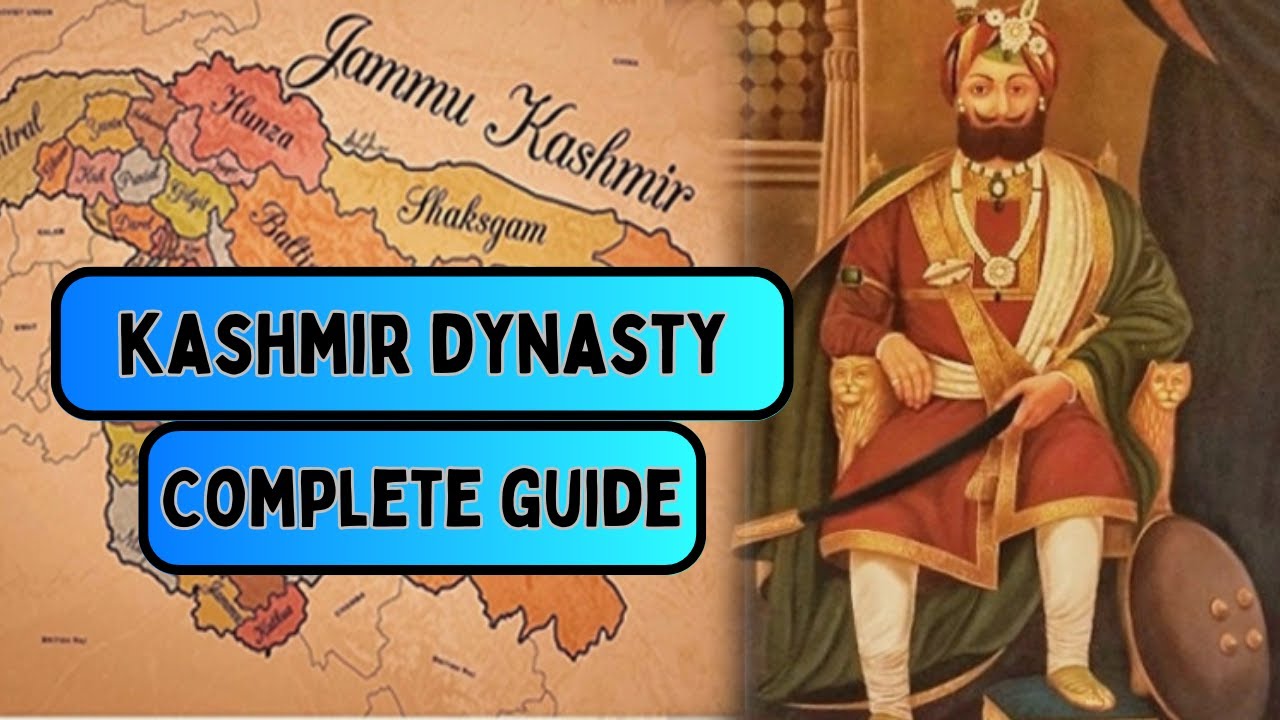
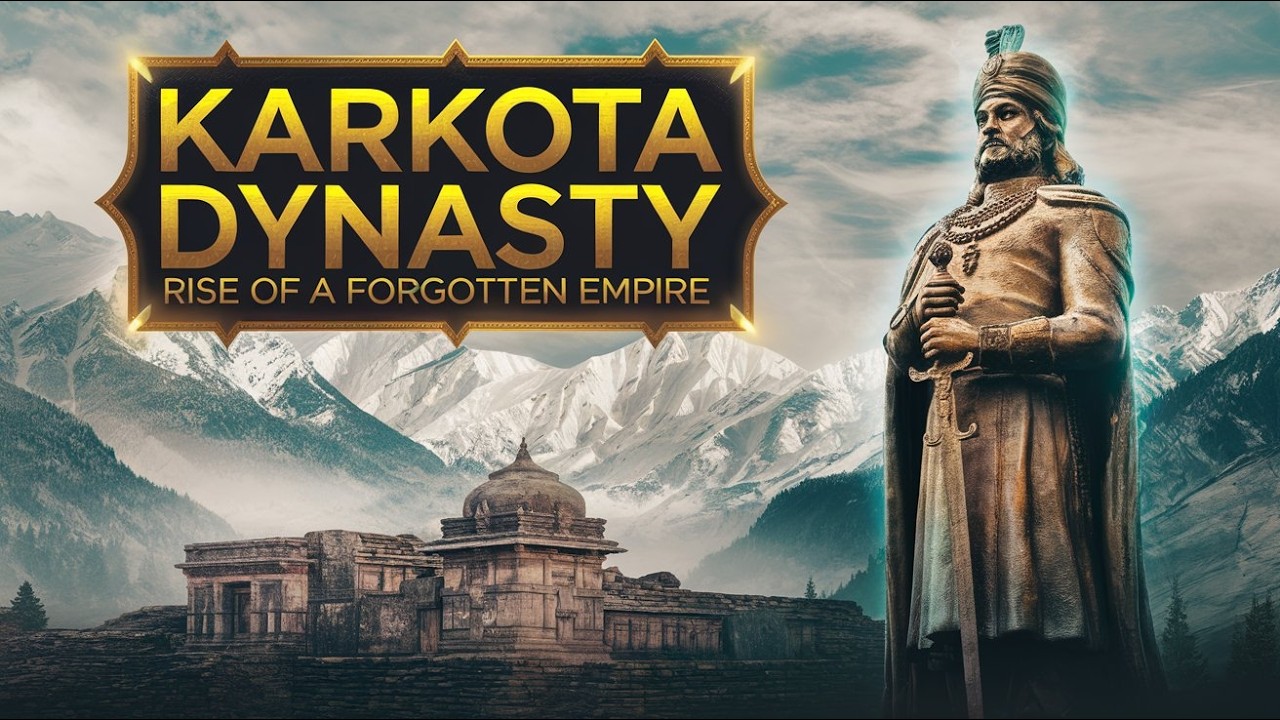
The structured and comprehensive political history of the Kashmir valley marks its true beginning with the rise of the formidable Karkota Dynasty (also known as the Naga Dynasty) in 627 A.D. This foundational era altered the geopolitical map of the region, lifting Kashmir from an isolated mountain valley into a major, commanding imperial power across North India. The period combined aggressive military expansion, strong administrative stabilization, and unmatched cultural patronage. By challenging external threats like the early Arab advances and expanding territories deep into the Indian plains, the Karkota monarchs established a golden age of wealth and architectural brilliance that defined regional politics for generations.
In this chapter, you will understand:
- How Durlabhavardhana founded the Karkota Dynasty and secured political stability.
- The geopolitical impact of the Arab invasions and the resistance led by Chandrapida.
- The imperial conquests of Lalitaditya Muktapida and the building of the Martanda Sun Temple.
- The intellectual growth under Jayapida and the ultimate decline leading to the Utpala Dynasty.
Why this topic matters: Studying the Karkota Dynasty is essential for understanding how early medieval Kashmir projected power globally. Their military strategies checked early Arab advances, while their unique structural architectural styles influenced monument building across the absolute entirety of the northwestern Indian subcontinent.
Core Idea: Beginning in 627 A.D., the Karkota Dynasty replaced the Gonanda line, establishing a sprawling empire that stretched from the borders of Tibet deep into the Indian heartland. Led by iconic conquerors like Lalitaditya, the kingdom flourished economically and artistically. However, internal corruption, tyrannical shifts in leadership, and succession disputes gradually weakened the state, paving the way for the rise of the Utpala Dynasty in 813 A.D.
The Rise of the Powerful Karkota or Naga Dynasty in Kashmir
The formal history of the valley begins with the ascendancy of the Karkota Dynasty in 627 A.D., a period marked by unprecedented military expansion and cultural patronage, transforming Kashmir into a major North Indian power.
Durlabhavardhana: The Founder and the Chinese Pilgrim's Visit
The dynasty was established by Durlabhavardhana, who initially served as a powerful officer under Baladitya, the last ruler of the preceding Gonanda Dynasty. Through a strategic marriage to Baladitya’s daughter, he successfully inherited the throne and ushered in the Karkota rule.
- (i) Length of Reign:Durlabhavardhana maintained control for a significant period, ruling for thirty-six years, during which he established political stability and laid the foundation for future expansion.
Yuan Chwang's Documented Observations and Territorial Boundaries
His reign witnessed the historic visit of the celebrated Chinese pilgrim, Yuan Chwang, whose valuable travel accounts detail the flourishing state of the kingdom and the extent of its territories.
- Takshasila (modern Rawalpindi area) fell directly under his sovereign control.
- Simhapura (the Salt Range region) was fully integrated into the kingdom.
- Urasa (Hazara), Punch, and Rajapura (Rajaori) swore allegiance to the throne.
- Crucial gateways of Western and Northwestern Punjab were commanded by the Karkota state.
Succession, Arab Invasion, and the Short Reign of Chandrapida
Following the foundational stability established by the creator of the dynasty, his son Durlabhaka took control and held the throne for fifty years, ensuring a long period of institutional continuity. However, the subsequent handover of power became highly turbulent as a bitter rivalry emerged among his three sons: Chandrapida, Tarapida, and Muktapida.

- The Frontier Crisis: The emergence of coordinated international military pressure tested the resilience of the state infrastructure.
Chandrapida's Defense Strategies and Tragic End
Chandrapida’s time on the throne was dominated by a major external threat: the Arab invasion led by Muhammad-bin-Qasim, which presented a significant challenge to the absolute sovereignty of Kashmir.
- Chandrapida actively sent diplomatic envoys to request aid from the Chinese Emperor.
- Even though external military support did not materialize, he relied entirely on his own domestic forces.
- He successfully repelled the advancing Arab forces purely on his own military merit.
- Known for exemplary piety and justice, his principled reign ended tragically when he was murdered by his ambitious brother, Tarapida.
Lalitaditya Muktapida: The Universal Monarch of Kashmir and Grand Conquistador
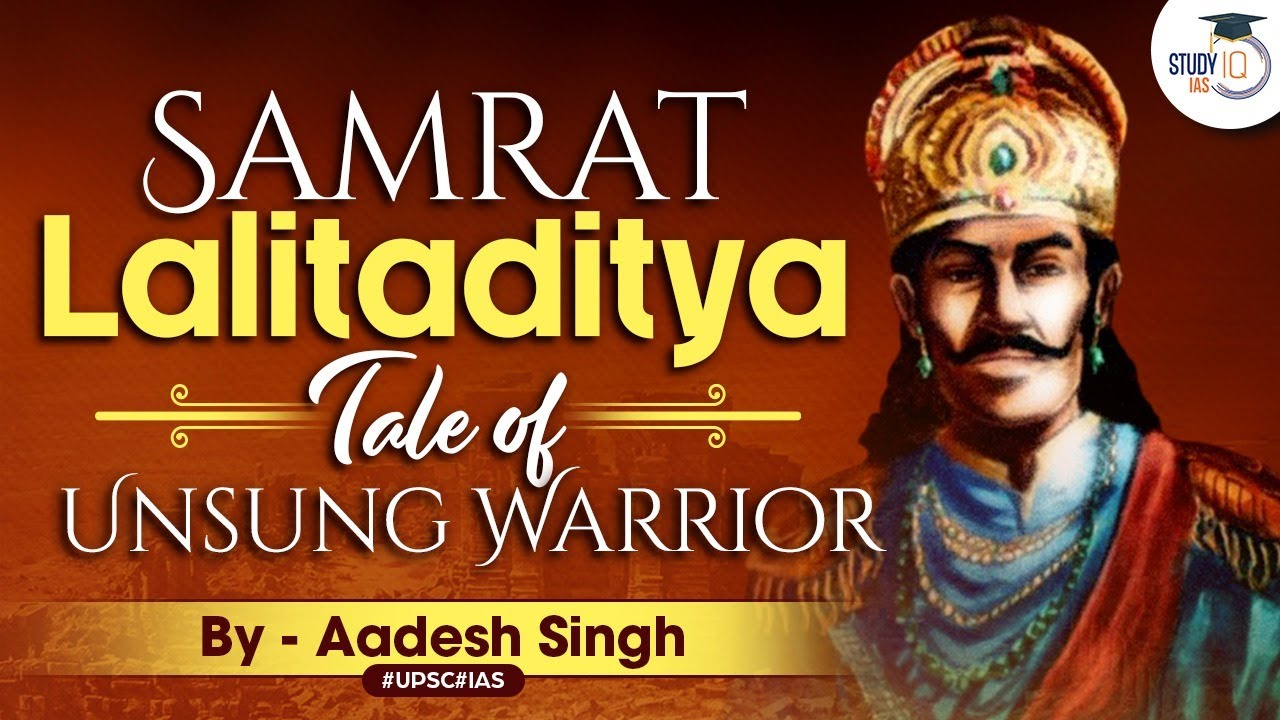
Ascending the throne in 724 A.D., Lalitaditya Muktapida became the most formidable and celebrated ruler of the Karkota Dynasty, transforming the kingdom into a vast empire through aggressive and strategic military campaigns that lasted for thirty-six years.
- Global Imperial Expansion: The systematic subjugation of neighboring empires turned Kashmir into the undisputed diplomatic core of the region.
Cultural Patronage and Architectural Masterpieces of Lalitaditya
Beyond unmatched military might, Lalitaditya Muktapida was a deeply dedicated patron of art and architecture, leaving behind enduring stone monuments that stand as a testament to Kashmir's golden age of construction and cultural zenith.
The majestic architectural remains of the ancient Martanda Sun Temple, dedicated to the Sun God Surya. - He directed the construction of the magnificent Martanda Temple for the Sun God (Surya), which remains a masterpiece of ancient Kashmiri architecture.
- He demonstrated deep religious pluralism by building large Buddhist Viharas at Hushkapura.
- He consecrated grand shrines to the classical Hindu deities Shiva and Vishnu throughout the valley.
- He secured total victory over Yasovarman of Kanauj, spreading his political influence to Magadha, Gauda, Kamarupa, Kalinga, and parts of the Deccan, earning the title of Universal Monarch.
Quick Revision Capsule: Karkota Dynasty Rulers
A structured breakdown of the primary rulers of the Karkota lineage, their administrative timelines, and their central political milestones:
| Ruler Name | Reign Duration / Era | Core Historical Contribution |
|---|---|---|
| Durlabhavardhana | Rule of 36 Years (Begins 627 A.D.) | Founded the dynasty; hosted Chinese pilgrim Yuan Chwang and secured Punjab frontiers. |
| Durlabhaka | Rule of 50 Years | Maintained long-term political stability and structural economic continuity across the kingdom. |
| Chandrapida | Short Reign (Ended by conspiracy) | Repelled the dangerous Arab invasion led by Muhammad-bin-Qasim with exceptional justice. |
| Lalitaditya Muktapida | Rule of 36 Years (Begins 724 A.D.) | Achieved pan-Indian conquests as a Universal Monarch; built the grand Martanda Temple. |
| Jayapida | Rule of 31 Years (Also named Vinayaditya) | Defeated Kanauj; patronized legendary literary scholars before his rule turned tyrannical. |
Summary
The historical trajectory of the Karkota Dynasty represents the absolute political zenith of ancient Kashmir. Starting from a peaceful political transition in 627 A.D. under Durlabhavardhana, the empire expanded rapidly due to administrative foresight and military superiority. The dynasty successfully served as a northern shield against early foreign invasions, particularly during the military resistance organized by Chandrapida and Lalitaditya against Arab forces. Lalitaditya's era successfully balanced extensive imperial campaigns with enduring architectural contributions, as seen in the stone ruins of the Martanda Sun Temple. Despite later intellectual growth under the scholarly king Jayapida, growing financial exhaustion, internal palace politics, and structural mismanagement caused the dynasty to weaken, resulting in the establishment of the Utpala Dynasty in 813 A.D.
Quick Revision Points
Key facts to remember for examinations and academic tracking:
- (i) The Karkota Dynasty officially began in 627 A.D. following the end of the ancient Gonanda Dynasty.
- (ii) Durlabhavardhana's imperial boundaries included Takshasila, Simhapura, and Urasa, stretching over Western Punjab.
- (iii) Lalitaditya Muktapida defeated Yasovarman of Kanauj and checked the advances of the Arab commander Mammuni.
- (iv) The Karkota line collapsed when Avantivarman came to power and founded the Utpala Dynasty in 813 A.D.
- Exam Tip: Always associate the construction of the iconic Martanda Sun Temple directly with Lalitaditya Muktapida. Examiners frequently test the accounts of the Chinese traveler Yuan Chwang regarding the exact structural geography of Durlabhavardhana's kingdom.
Frequently Asked Questions (FAQ)
Q1: Who was the founder of the Karkota Dynasty, and how did he come to power?
A1: The dynasty was founded by Durlabhavardhana in 627 A.D. He rose to prominence as an influential officer under Baladitya, the final ruler of the Gonanda Dynasty, and successfully ascended the throne following a strategic marriage to the king's daughter.Q2: Which foreign invader threatened Kashmir during the reign of King Chandrapida?
A2: The kingdom faced a major external threat from the Arab invasion led by Muhammad-bin-Qasim. King Chandrapida managed to successfully repel these forces entirely through his own military strategies and merit.Q3: What architectural monuments are attributed to King Lalitaditya Muktapida?
A3: King Lalitaditya is most famous for building the magnificent stone Martanda Sun Temple dedicated to Surya. He also commissioned numerous Buddhist Viharas at Hushkapura along with grand shrines dedicated to Shiva and Vishnu.