During the Kakatiya era, the Deccan region witnessed remarkable commercial growth and financial stability. The kingdom's wealth relied heavily on structured merchant bodies, extensive inland transport routes, and organized coastal ports. Royal policies actively protected merchants, while organized trade associations regulated the movement of daily commodities, cash crops, and luxury imports. By securing riverways like the Godavari and Krishna and enforcing clear laws at major ports, the Kakatiya rulers built an international commercial hub that attracted global travelers and traders.
In this chapter, you will understand:
- The operational structure of merchant guilds (Srenis) and logistics channels.
- Primary inland market commodities and major commercial ports.
- Royal trade protection under King Ganapati Deva and the Motupalli epigraph.
- The historical observations recorded by Venetian traveler Marco Polo.
Why this topic matters: Understanding Kakatiya economic history highlights early Indian trade governance, state-sponsored maritime security, and the crucial role merchant associations played in regional prosperity.
Core Idea: The Kakatiya state thrived through state-licensed merchant guilds (Srenis and Pekkandru) and trader-friendly maritime charters. Royal decrees ensured the safety of foreign and local merchants, regulating import tariffs and promoting bustling markets from the capital at Warangal to coastal gateways like Motupalli.
Overview of Kakatiya Commercial Enterprise
The circulation of goods and wealth was systematically regulated by powerful merchant organizations, allowing for stable and widespread commercial activity that propelled the kingdom's economic status.
Guild-Based Trade Networks and Economic Prosperity
Commercial operations relied on structured institutional bodies that managed both manufacturing and regional movement of goods throughout the realm.
The Role of Organized Guilds (Srenis) and Logistics
Commercial activity within the Kakatiya kingdom was expertly managed by highly organized guilds, known historically as Srenis, which represented both the merchants and the specialized artisans of the time.
- (i) These powerful guilds were central to the economy, as they received formal, official licenses from the state to conduct their business, not only in major towns but also at the local periodic fairs.
- (ii) The efficient movement of goods was a priority, with primary transportation facilitated by traditional means such as sturdy carts, strong oxen, nimble horses, and reliable riverboats navigating the crucial arteries of the Godavari and Krishna rivers.
- (iii) A specific organization, the Pekkandru guild, played a particularly significant role in facilitating lucrative long-distance trade, thereby immensely contributing to the kingdom’s financial strength and broader economic reach.
Key Ports and Market Goods
A flourishing international trade was maintained through key coastal centers, while the local markets were vibrant hubs for a wide variety of essential and commercial goods.
- (a) Prominent Ports: Key maritime centers such as Motupalli, Krishnapattanam, Chinaganajam, Nellore, and Divi served as vital gateways, supporting extensive overseas commerce and bringing foreign wealth into the region.
- (b) Warangal Market Goods: The central market in the capital city of Warangal facilitated brisk trade in bulk agricultural products like rice, wheat, and lentils, alongside a rich variety of seasonal vegetables and fruits.
- (c) Additional Commodities: Further commodities traded included cash crops and high-value provisions such as coconuts, mangoes, tamarind, rich honey, clarified ghee, various types of oil, aromatic turmeric, and fiery ginger.
Maritime Governance and Foreign Exchange
The Kakatiya rulers were proactive in drafting strategic, trader-friendly policies, ensuring the safety of merchants and regulating trade to maximize the benefits of overseas commerce for the kingdom.

Maritime Trade Policies and Port Management
State administration under visionary leaders prioritized security for international merchant fleets to ensure long-term revenue and stability.
King Ganapati Deva, Motupalli Epigraph, and Foreign Trade
King Ganapati Deva is specifically credited with implementing remarkably favorable maritime trade policies, a strategic move designed to vigorously encourage and protect valuable overseas trade and the crucial merchant community.
- (i) The historically significant Motupalli epigraph stands as a testament to this commitment, as it unequivocally assured safety to traders, promising them fair treatment and explicitly laying out the application of regulated tariffs on all imported goods.
- (ii) These imported goods, which brought immense wealth and exotic items to the kingdom, included highly valuable commodities such as gold, exquisite ivory, glittering pearls, and aromatic spices.
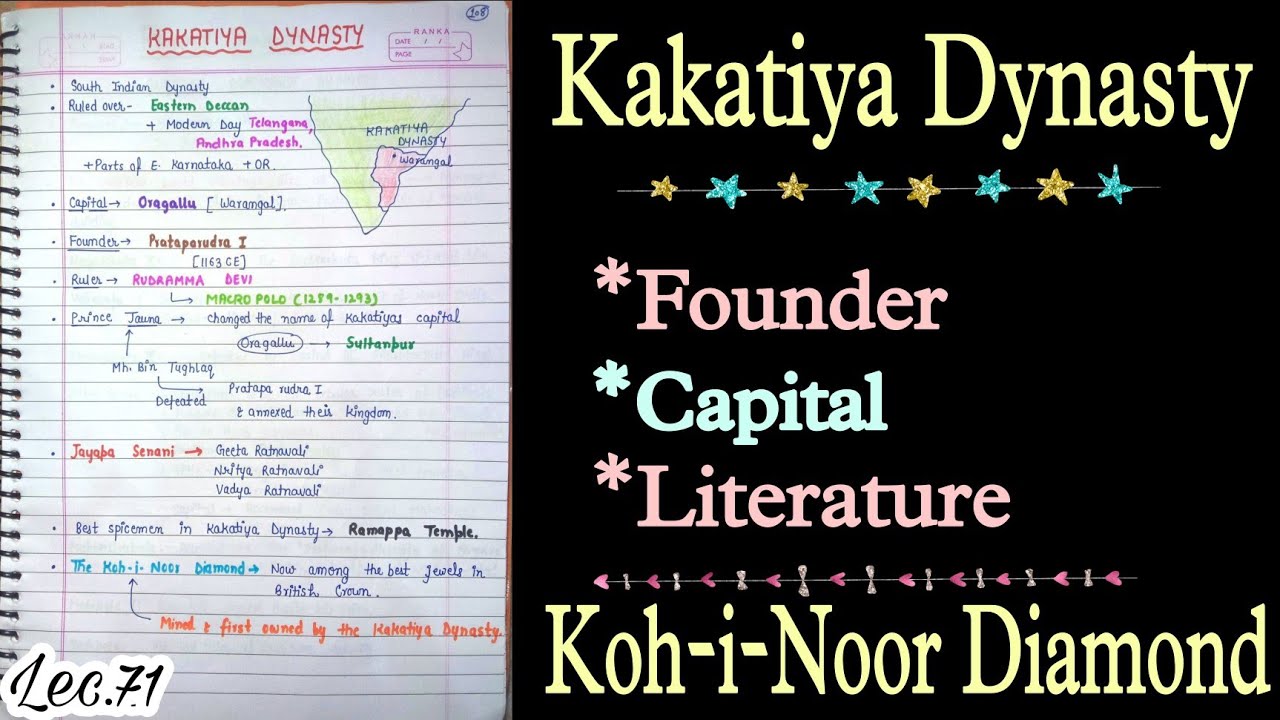
- (iii) The international importance of these trade policies is attested to by the visit of Marco Polo, the famous Venetian traveler, who documented the vibrant trade and bustling activities of the port of Motupalli during the height of the Kakatiya era.
Kakatiya Economic & Trade Structure
Quick reference overview of trade entities, market hubs, and policy milestones under the Kakatiyas:
| Entity / Concept | Key Features & Transport | Primary Commodities / Objective |
|---|---|---|
| Merchant Guilds (Srenis) | State-licensed organizations operating in towns and periodic fairs | Regulated local commercial trade and artisan production |
| Pekkandru Guild | Specialized long-distance merchant network | Managed inter-regional and overland economic channels |
| Warangal Central Market | Inland capital trading center using ox-carts and riverboats | Rice, wheat, lentils, ghee, oil, turmeric, and ginger |
| Coastal Ports (Motupalli, Nellore, Divi) | Maritime gateways along the east coast and major river deltas | Facilitated high-value international sea commerce |
| Motupalli Epigraph | Royal decree issued by King Ganapati Deva | Protected foreign merchants and set fixed import tariffs on gold, ivory, and spices |
Summary
The Kakatiya kingdom's economic strength was built upon a well-organized system of trade, royal protection, and merchant associations. State-licensed guilds like the Srenis and Pekkandru systematically managed inland commerce and long-distance transport using carts, draft animals, and river channels along the Godavari and Krishna rivers. At the same time, King Ganapati Deva revolutionized maritime trade through the historic Motupalli epigraph, which guaranteed safety and standardized tariffs for foreign merchants. This stable environment turned ports like Motupalli into bustling global trade hubs, attracting international travelers such as Marco Polo and fueling the prosperity of the Kakatiya state.
Quick Revision Points
Essential facts to review before examinations:
- (i) Srenis were state-licensed guilds that organized artisans and regulated local markets and fairs.
- (ii) The Pekkandru guild specifically managed long-distance trade routes across the kingdom.
- (iii) Major riverways (Godavari & Krishna) were key channels for moving goods via riverboats.
- (iv) The Motupalli epigraph issued by King Ganapati Deva legally protected sea merchants and standardized import duties on goods like gold, pearls, and spices.
- Exam Tip: Remember that King Ganapati Deva issued the Motupalli epigraph to protect foreign merchants and fix import tariffs. Also, associate the Pekkandru guild with long-distance trade and Marco Polo with recording Kakatiya maritime activity at the port of Motupalli.
Frequently Asked Questions (FAQ)
Q1: What were Srenis and what role did they play in the Kakatiya kingdom?
A1: Srenis were official merchant and artisan guilds licensed by the state to organize business activities, enforce commercial rules, and run markets in major towns and periodic fairs.Q2: What was the historical importance of the Motupalli epigraph?
A2: Issued by King Ganapati Deva, the Motupalli epigraph was a royal charter that guaranteed safety to maritime traders, protected foreign merchants from exploitation, and clearly defined import duties on luxury goods like gold, ivory, pearls, and spices.Q3: Which famous foreign traveler visited the Kakatiya port of Motupalli?
A3: The famous Venetian traveler Marco Polo visited the port of Motupalli and documented the vibrant maritime commerce and prosperity of the region during the Kakatiya era.