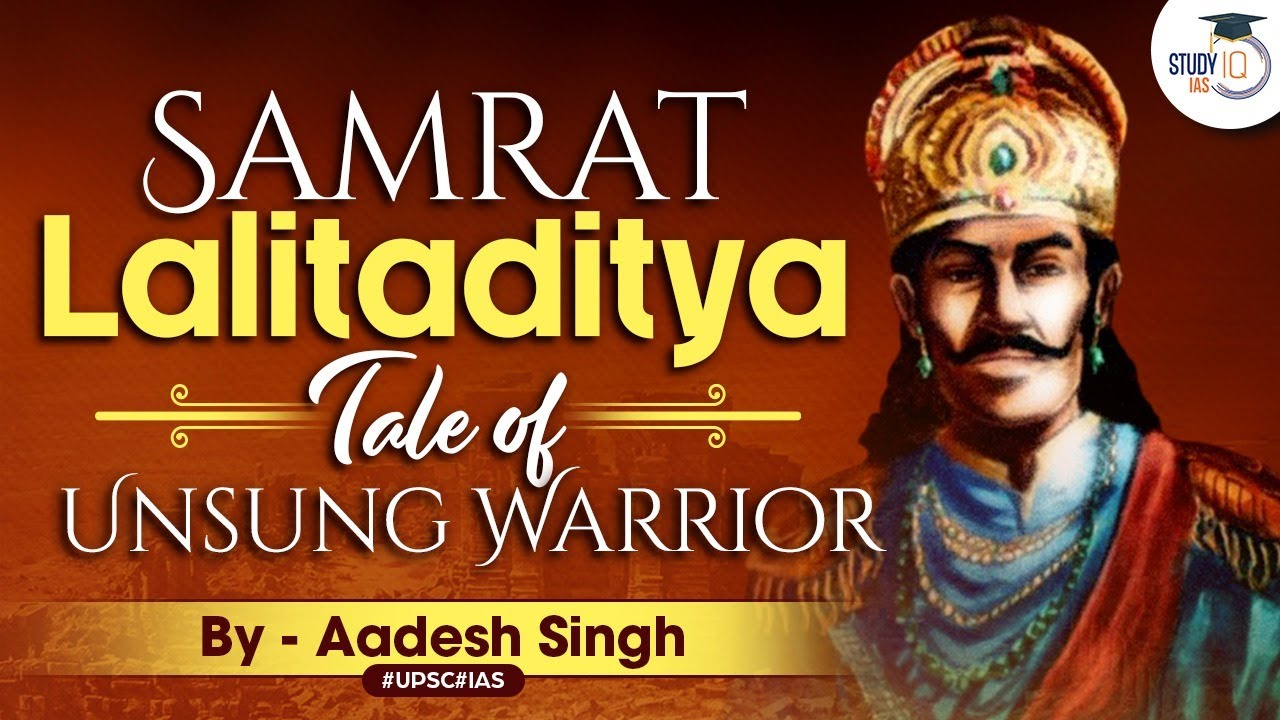
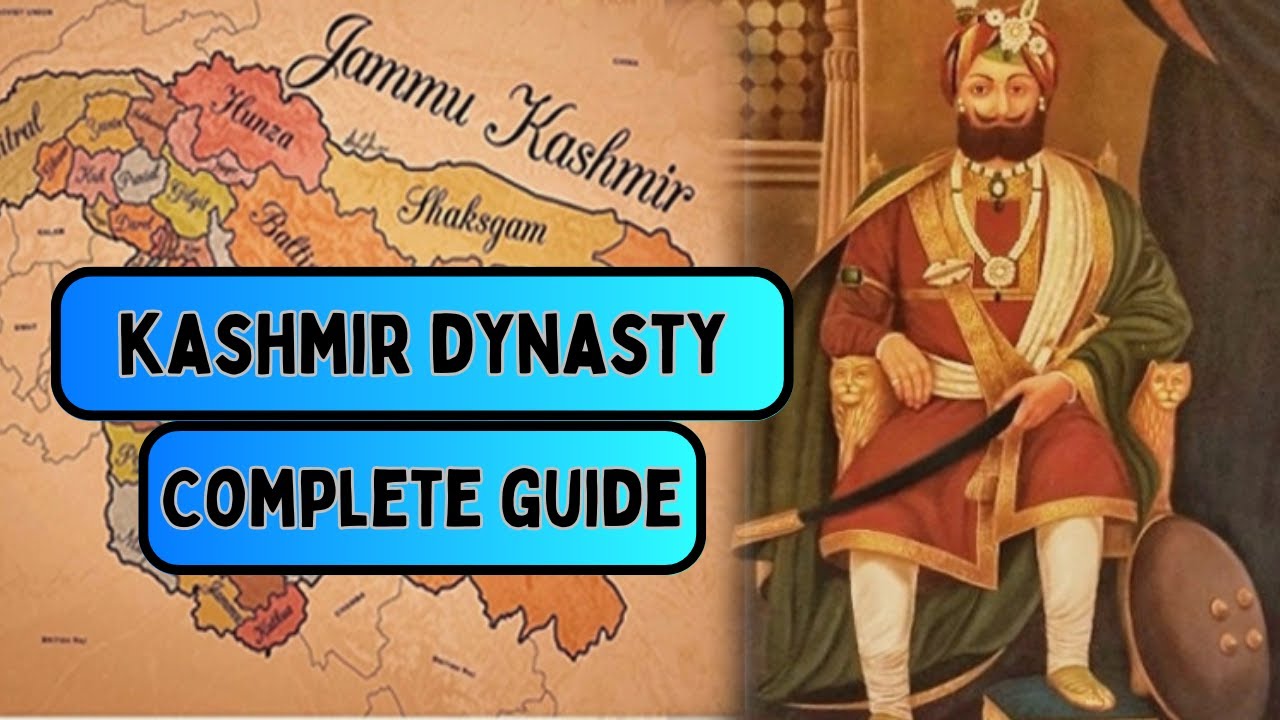
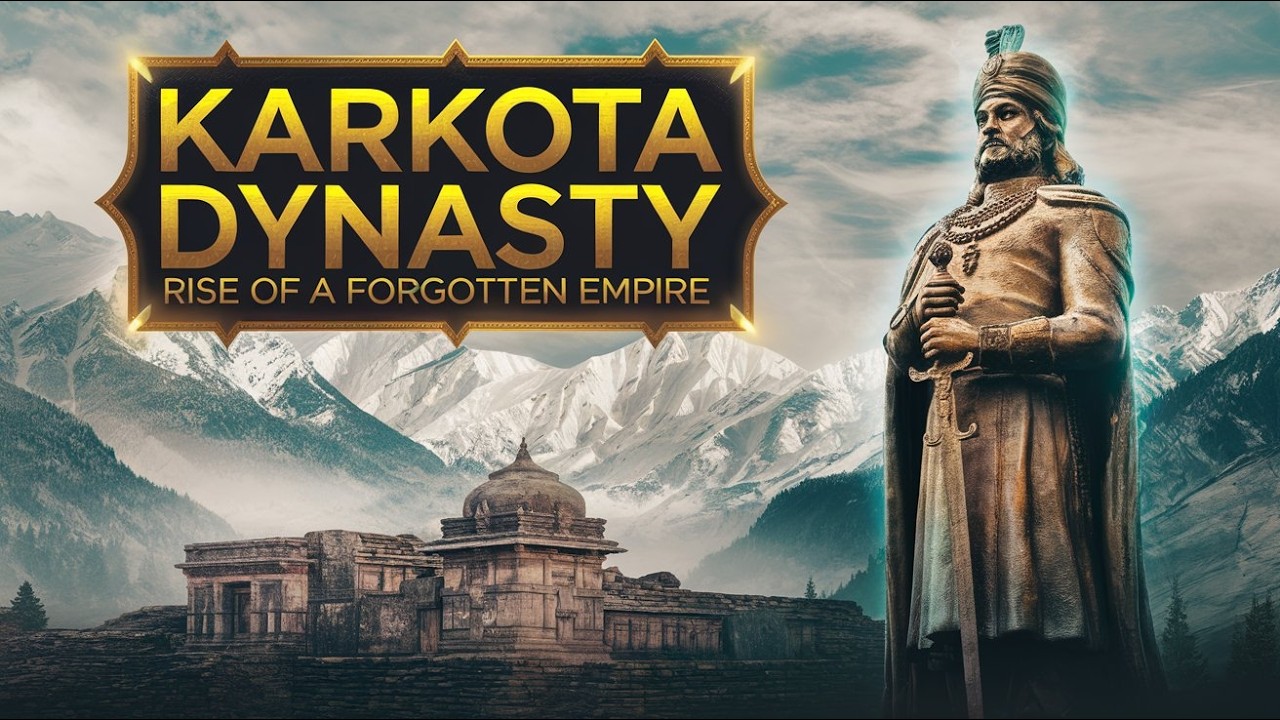
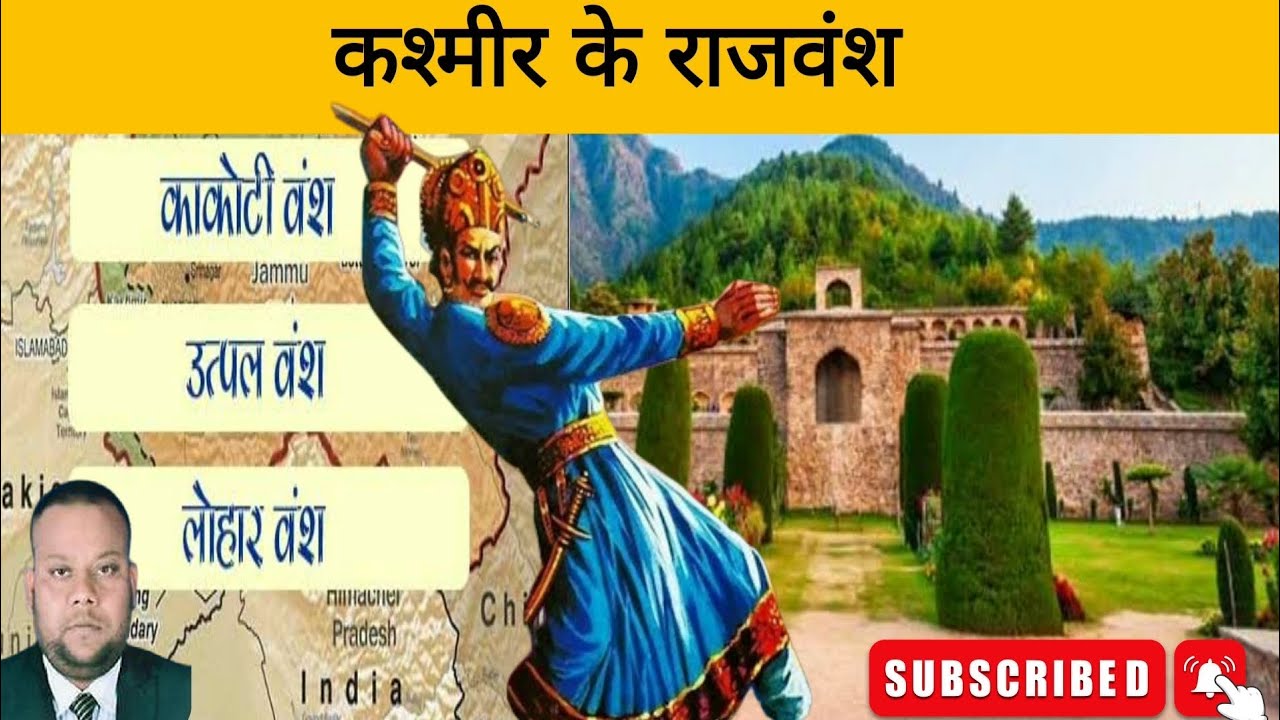
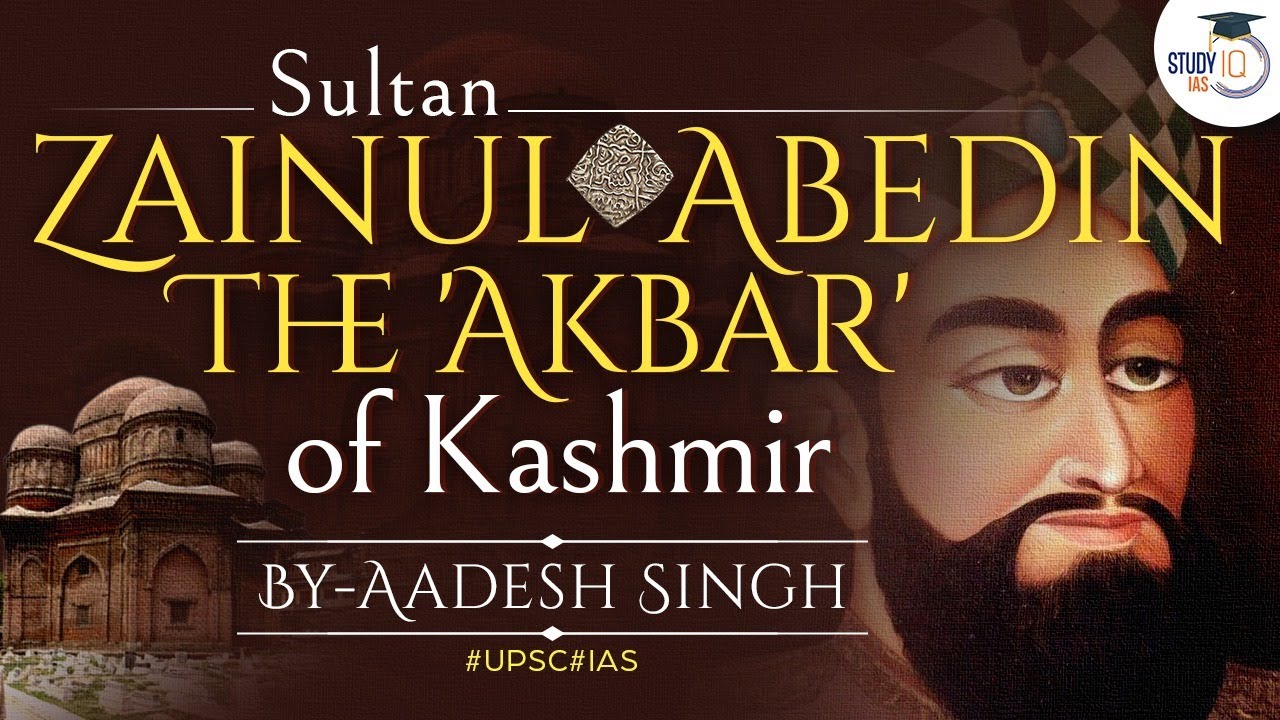
Embark on a detailed journey through the illustrious history of Kashmir's Dynasties, a region strategically placed between Punjab and Central Asia. This chronicle, largely sourced from the text Kalhana’s Rajatarangini written in the 12th Century A.D., is indispensable for students preparing for historical and competitive exams. It provides deep insights into the reigns of the Karkota, Utpala, and Lohara Dynasties that profoundly shaped the valley’s ancient and medieval political landscape. Understanding this timeline highlights how the region served as a crucial imperial and commercial center within medieval South Asian history.
In this chapter, you will understand:
- The critical geographical and strategic position of ancient Kashmir.
- The political foundations laid by the Maurya and Kushana Empires.
- The military and cultural expansions under the Karkota, Utpala, and Lohara Dynasties.
- The internal conflicts caused by regional groups like the Damaras and Tantrins.
Why this topic matters: This history outlines the evolution of regional power, showing how a territory transitioned from a vast imperial power under legends like Lalitaditya Muktapida into a complex political landscape managed by distinct medieval aristocracies.
Core Idea: The history of ancient and early medieval Kashmir centers on its geographic positioning as a link between India and Central Asia. Through records like Kalhana’s Rajatarangini, we track the rise of local dynasties alongside internal challenges from powerful factions. These events laid the groundwork for the unique cultural and political identity of the valley.
Historical Context & Geography of Ancient Kashmir
The early narrative of this magnificent region is primarily reconstructed through the comprehensive records provided by the seminal work Kalhana’s Rajatarangini. This text acts as the ultimate cornerstone for understanding the political evolution of the valley, describing its rich transitions over several centuries.
Strategic and Imperial Evolution
The geographical significance of Kashmir, nestled in the upper Vitasta (Jhelum River) valley, made it a coveted territory for empires and invaders throughout history.
- The Kashmir kingdom served as a crucial strategic and commercial corridor, positioned directly between the power centers of Punjab and the vast trade networks of Central Asia.
Maurya and Kushana Era Foundations
Before local dynasties arose, Kashmir was deeply integrated into major pan-Indian imperial frameworks that introduced key cultural and religious systems.
- During the ancient period, Kashmir became an integral part of the sprawling Maurya Empire, prominently under Emperor Asoka, who is credited with constructing numerous stupas, monasteries, and founding the ancient city of Srinagar.
- Following Asoka’s death, Kashmir briefly asserted independence under his son Jalauka, marking an early shift toward localized political rule.
- The valley later became a vital province of the powerful Kushana Empire, notably during the reign of Kanishka, who famously hosted the historic Third Buddhist Council in the region.
The Three Imperial Dynasties of Kashmir
The local political narrative truly consolidated during the early medieval era with the rise of the Karkota, Utpala, and Lohara rulers who established an independent imperial footprint.

- The era saw extensive military expansions that projected Kashmiri influence far beyond the mountainous boundaries of the valley.
Significance for Students and Aspirants
The detailed study of the Karkota, Utpala, and Lohara Dynasties provides invaluable context for understanding the long history of Kashmir. The state transitioned from a major imperial power under rulers like Lalitaditya Muktapida into a complex political zone heavily impacted by local power structures.
- Imperial expansion under these lineages led to vast architectural achievements, including the construction of the iconic Martanda Temple.
- The era highlights critical historical patterns of political centralization, military strategy, and dynamic cultural patronage.
- Persistent challenges of succession and foreign invasions regularly tested the stability of the local administrations.
- The systemic friction between the crown and the regional aristocracy defined the domestic politics of the medieval state.
Succession, Aristocracy, and Internal Conflict
The later medieval phases of the dynastic cycle faced growing domestic resistance from entrenched political factions within the valley.
- Internal political balance shifted as local feudal groups began challenging the central administrative authority of the ruling houses.
Impact of the Damaras and Tantrins
The balance of power was continuously disrupted by military groups and landholding elites who manipulated the royal succession lines.
Visual representation of historical textual analysis based on Kalhana's structural narratives. - The state was frequently ravaged by internal strife led by the powerful Damaras (feudal landlords) and the elite Tantrins (military factions).
- These ongoing internal struggles weakened the central authority, making the valley increasingly vulnerable to external disruptions.
- The structural degradation of the ruling lines shows how decentralized aristocracies could alter the destiny of regional kingdoms.
- This historical narrative, documented primarily in Kalhana’s Rajatarangini, remains crucial for studying the socio-political patterns of medieval South Asian history.
Quick Revision Capsule: Kashmir Dynastic Timeline
Review this direct overview of the foundational eras and primary political phases that shaped ancient and medieval Kashmir:
| Dynasty / Era | Primary Source & Rulers | Core Historical Impact |
|---|---|---|
| Maurya Empire | Emperor Asoka & Jalauka | Integration into pan-Indian empire; construction of stupas; founding of ancient Srinagar. |
| Kushana Empire | Emperor Kanishka | Integration as a key northern province; hosted the famous Third Buddhist Council. |
| Karkota Dynasty | King Lalitaditya Muktapida | Vast imperial expansion; height of military power; construction of the magnificent Martanda Temple. |
| Utpala Dynasty | Local Kashmiri Lineage | Consolidation of domestic administrative structures; initial rise of internal aristocratic friction. |
| Lohara Dynasty | Later Medieval Rulers | Faced deep political fragmentation and continuous internal strife caused by the Damaras and Tantrins. |
Summary
The dynastic chronicle of ancient and early medieval Kashmir reveals a dynamic political cycle. It shows a clear transition from integrated pan-Indian rule under the Mauryas and Kushanas to independent regional power under the Karkota house. Ultimately, the region faced structural fragmentation during the Utpala and Lohara phases. Sourced heavily from the pages of Kalhana's Rajatarangini, this history highlights the continuous struggle between centralized monarchies and decentralized regional aristocracies like the Damaras. This study offers essential historical insights for students looking to map out the medieval political systems of South Asia.
Quick Revision Points
Keep these central historical rules and structural transitions in mind for your upcoming examinations:
- (i) Kashmir's geographic positioning in the upper Vitasta valley created a key bridge connecting Punjab to Central Asia.
- (ii) Emperor Asoka brought Maurya administration to the valley and laid the groundwork for the ancient city of Srinagar.
- (iii) The Karkota Dynasty marked the peak of Kashmir's external military power, led by the conquests of Lalitaditya Muktapida.
- (iv) Long-term political stability was primarily broken by domestic conflicts involving internal groups like the Damaras and Tantrins.
- Exam Tip: Always associate the construction of the famous Martanda Temple directly with the Karkota ruler Lalitaditya Muktapida. For source-based questions, remember that Kalhana's Rajatarangini completed in the 12th Century A.D. stands as the essential primary source for this entire sequence.
Frequently Asked Questions (FAQ)
Q1: What is the primary historical source for the ancient and medieval dynasties of Kashmir?
A1: The primary source is Kalhana’s Rajatarangini, a foundational historical text written in the 12th Century A.D. that provides a chronologically structured narrative of the valley's rulers.Q2: Who were the Damaras and Tantrins mentioned in Kashmiri medieval history?
A2: The Damaras were powerful local feudal landlords and the Tantrins were elite military factions. Together, they frequently disrupted internal politics, manipulated royal successions, and caused widespread domestic instability during the later dynastic phases.Q3: Which major ruler is celebrated for extending Kashmir's imperial influence and building the Martanda Temple?
A3: King Lalitaditya Muktapida of the renowned Karkota Dynasty is celebrated for leading extensive military campaigns outside the valley and commissioning the grand Martanda Temple.