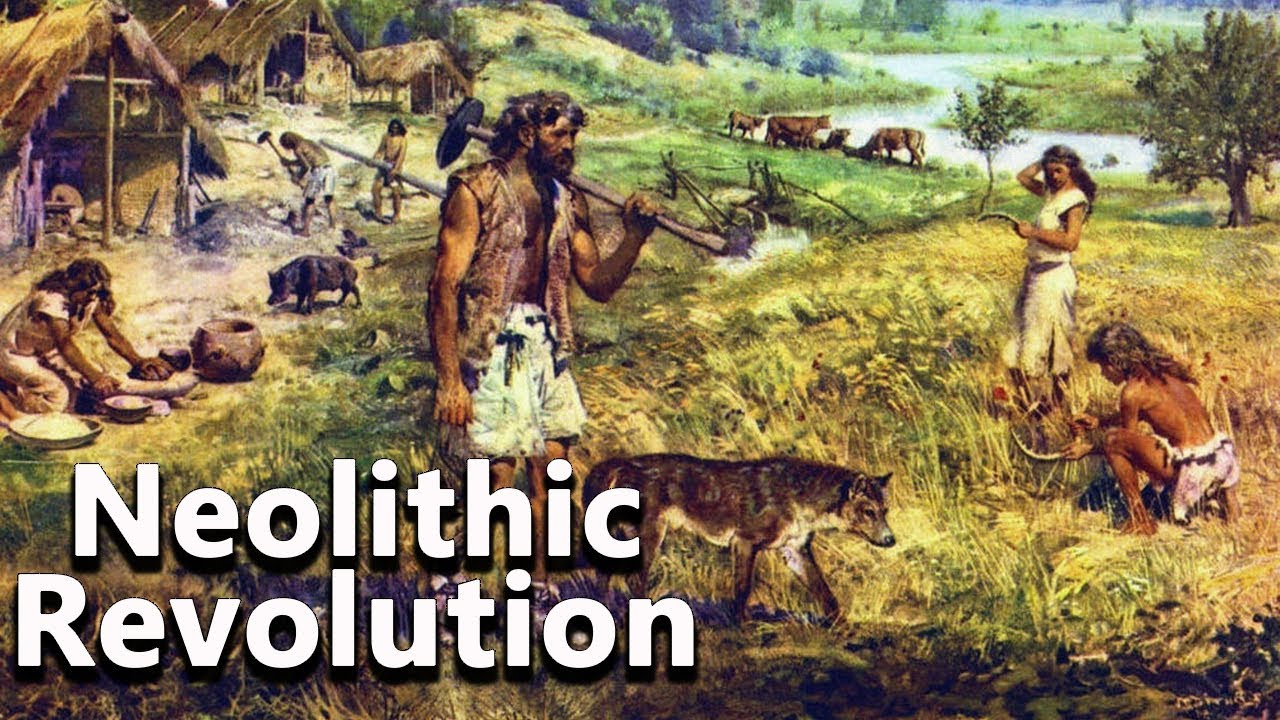
The transition into the New Stone Age marks one of the most critical shifts in human civilization. Before this era, human communities lived as nomadic groups, moving constantly from place to place in search of food and wild game. The arrival of systematic farming completely transformed this lifestyle, allowing people to clear land, cultivate crops, build permanent homes, and establish organized villages. By introducing polished stone tools, functional ceramic cookware, and animal husbandry, early communities laid the structural groundwork for social organization, trade, and regional governance across the globe.
In this chapter, you will understand:
- The transition from nomadic foraging to settled agricultural life
- Key archaeological sites across the Indian subcontinent including Mehrgarh and Burzahom
- Technological advancements in ground stone tools, pottery, and animal domestication
- Theoretical frameworks introduced by early archaeologists like Sir John Lubbock and V. Gordon Childe
Why this topic matters: Understanding early farming settlements provides essential context for ancient history examinations. It explains how economic surpluses allowed early societies to build villages, create art, develop trade networks, and eventually pave the way for urban metal-age civilizations.
Core Idea: Between and , human societies shifted from hunting wild animals to raising livestock and cultivating crops. This economic change encouraged permanent village housing, specialized polished tools, ceramic pottery, and distinct regional cultures across India.
Neolithic Age: The Global Agricultural Revolution and the Rise of Permanent Settlements (–)
This transformative era represents a clear break from the earlier Palaeolithic and Mesolithic periods. Human groups stopped relying solely on wild forage and started producing their own food supplies through deliberate planting and livestock rearing.
Early Archaeological Discoveries in India
Archaeologists gradually uncovered the vast scope of early farming cultures across the subcontinent through key field discoveries over the past two centuries.
- (i) The first documented discovery of a polished stone tool took place in when Captain Meadows Taylor uncovered artifacts at Lingasagur in Karnataka.
- (ii) The first recognized village settlement was identified by Fraser in the Bellary District in , offering a look into early community organization.
- (iii) Extensive field surveys conducted by Robert Bruce Foote later recorded more than 200 distinct sites across South India, detailing the wide spread of early agrarian communities.
Defining the Neolithic Era: Pioneers and Conceptual Frameworks
The term originates from Greek root words meaning "new stone," yet its true importance lies in the major economic and technological changes that took place during this time.

- Systematic food production separated this period from all previous prehistoric ages.
Etymology and Key Defining Traits
The name combines the Greek terms Neo (meaning "new") and Lithos (meaning "stone"), reflecting significant shifts in tool crafting and daily survival strategies.
- (i) According to the Encyclopædia Britannica, the age stands out due to the widespread adoption of polished stone implements that offered improved precision and durability.
- (ii) The production of durable pottery vessels made it possible to cook grains and store surplus harvests safely over long periods.
- (iii) Early horticulture and deliberate animal domestication served as the primary economic pillars that replaced simple hunting routines.
Key Theorists Defining the Concept
Several influential researchers developed key frameworks to explain how these social and economic transformations shaped human history.
Pioneering Historical Theorists
Early scholars categorized these shifts by looking at tool refinement and broad economic structures.
- Sir John Lubbock first coined the term in his book Pre-historic Times published in to distinguish polished stone tools from older chipped stone tools.
- V. Gordon Childe popularized the phrase "Neolithic Revolution" in his writings, describing the development of a self-sufficient food economy as a turning point in human control over nature.
- Archaeologist Miles Burkitt outlined four essential pillars for this period: agriculture, animal domestication, ground stone tools, and ceramic pottery.
The Grand Transition to Agrarian Life
Moving away from nomadic foraging was a gradual process that occurred roughly between and , establishing rural lifestyles before the arrival of metalworking.
- Refined Toolkits: Farmers crafted polished axes, adzes, and chisels that made clearing trees and tilling soil much easier.
- Livestock Management: Domesticated animals provided steady supplies of milk and meat while also serving as transport and field labor.
- Crop Cultivation: People observed natural plant cycles and began planting wheat, barley, and rice to secure dependable grain yields.
- Ceramic Storage: Fired clay jars allowed households to protect harvested grain from moisture, pests, and spoilage.
- Village Construction: Settlers built sturdy huts made of mud-brick or timber, forming small rural communities that grew over time.
- Emergence of Metal Working: Towards the end of the era, communities began experimenting with copper, gold, and bronze, bringing an end to the Stone Age.
Prominent Settlements and Archaeological Sites Across the Subcontinent
Early agricultural communities developed across distinct geographic regions, each adapting its housing, farming methods, and tools to local conditions.
- Regional geography influenced whether communities built underground pit houses, constructed mud-brick shelters, or carved out terrace gardens.
Mehrgarh: Early Agricultural Life in the Subcontinent
Situated in modern-day Pakistan, Mehrgarh represents the earliest known farming settlement in the Indian subcontinent, with occupation dating back to around
Phases of Occupation at Mehrgarh
Excavations revealed a long transition from early farming techniques to advanced ceramic production.
- The earliest layer () shows an aceramic culture where people farmed and raised livestock without using clay pots.
- The middle period () records the widespread introduction of wheel-made pottery alongside barley and wheat cultivation.
- Excavations directed by Jean-François Jarrige in and Catherine Jarrige in brought to light rectangular mud-brick structures and organized burial grounds.
Key Sites in Kashmir and the Baluchistan Region
Settlements in northern and western zones show clear adaptations to local mountain environments and climate conditions.
- Kashmir Valley Sites: Locations like Burzahom and Gufkral feature unique underground pit-dwellings designed to protect residents from severe cold.
- Excavated between and , Burzahom revealed pit structures with plaster floors and unusual burial sites where domestic dogs were interred with their owners.
- Located near Srinagar, Gufkral showcases a clear progression from early toolmaking to coarse grey pottery production.
- Baluchistan Settlements: Sites such as Kili Ghul Muhammad, Rana Ghundai, and Anjira show early steps in animal keeping and craft work.
- Kili Ghul Muhammad () yielded early evidence of cattle farming and basic handmade pottery.
- Rana Ghundai contained layers of ash hearths and plain ceramic fragments from nomadic campsites.
- Anjira revealed well-crafted stone blades paired with wheel-turned, painted pottery.
- Kashmir Valley Sites: Locations like Burzahom and Gufkral feature unique underground pit-dwellings designed to protect residents from severe cold.
Belan Valley, South India, and Other Key Regional Zones
Researchers like V.D. Krishnaswami () and B.K. Thapar () mapped distinct cultural zones across Central, Eastern, and Southern India.

Map showing key regional agricultural zones across the Indian subcontinent - Belan Valley (Vindhyan Region): Sites including Chopani-Mando, Koldihawa, and Mahagara preserve physical evidence of communities transitioning from wild foraging to systematic rice cultivation.
- Southern Plateau: Locations like Maski, Brahmagiri, Tekkalakota, Piklihal, Paiyampalli, Hallur, and Utnur show grey ware ceramics, polished stone axes, and large ash mounds linked to cattle penning.
- Northeastern Hills: Sites across the Assam Hills produced distinctive shouldered celts and cord-marked pottery dating to around
- Eastern Coastal Belt: Excavations at Kuchai, Shankarjang, Suabarei, and Baidipur in Odisha uncovered early rice grains alongside polished tools.
Quick Revision Capsule: Regional Comparison
This reference overview highlights key regional settlements, notable artifacts, and primary archaeological findings across India:
| Region / Site | Key Archaeological Findings | Historical Significance |
|---|---|---|
| Mehrgarh (Baluchistan) | Mud-brick houses, barley, wheat, early livestock remains | Oldest recorded farming site in the Indian subcontinent () |
| Burzahom & Gufkral (Kashmir) | Underground pit houses, coarse grey ware, dog burials | Demonstrates architectural adaptation to cold northern mountain climates |
| Koldihawa & Mahagara (Belan Valley) | Early rice husk impressions, circular huts, cattle pens | Provides early evidence of systematic rice farming in Central India |
| Maski, Hallur & Paiyampalli (South India) | Ash mounds, polished stone celts, grey pottery, bone tools | Highlights pastoral cattle management and polished stone craftsmanship |
| Assam Hills & Eastern Zone | Shouldered stone celts, cord-marked pottery, ground axes | Shows distinct eastern stone-tool traditions and forest-clearing methods |
Summary
The New Stone Age brought a fundamental transformation in human economic life. By moving away from daily foraging and developing crop cultivation, early societies built permanent homes, stored food reserves, and formed organized villages. Sites such as Mehrgarh, Burzahom, and Koldihawa show how early settlers tailored their housing, tools, and farming practices to fit local environments. Mastering ground stone axes, ceramic pottery, and livestock management created the social stability needed for future cultural growth, laying the ground for early metal-working cultures and urban settlements.
Quick Revision Notes
Focus on these core facts when reviewing this chapter:
- (i) The shift to agriculture provided reliable food surpluses that allowed permanent villages to develop.
- (ii) Sir John Lubbock introduced the term "Neolithic" in , while V. Gordon Childe defined its economic impact as the "Neolithic Revolution."
- (iii) Mehrgarh in modern Pakistan stands as the earliest recorded agricultural settlement in the Indian subcontinent.
- (iv) Polished stone axes, functional ceramic cookware, and livestock management served as the primary technological pillars of the era.
- Exam Tip: Keep clear distinctions between key regional sites for objective questions: remember Burzahom for pit-dwellings and animal burials, Koldihawa for early rice farming evidence, and Mehrgarh for the earliest mud-brick village structures.
Frequently Asked Questions (FAQ)
Q1: What defines the transition from the Mesolithic to the Neolithic period?
A1: The main difference lies in food production. While Mesolithic groups relied on hunting and gathering wild resources, New Stone Age communities cultivated crops, raised livestock, crafted polished stone tools, and built permanent homes.Q2: Why is Mehrgarh considered historically important?
A2: Located in Baluchistan, Mehrgarh contains the oldest evidence of agricultural life and settled housing in the Indian subcontinent, with layers dating back to aroundQ3: What unique architectural features were discovered at Burzahom in Kashmir?
A3: Settlers at Burzahom dug deep circular and rectangular pits into the ground to protect themselves from severe cold weather, plastering the inside walls and floor surfaces with mud.