The Mesolithic Era in India spans roughly from to . It forms a crucial bridge connecting the earlier nomadic lifestyles of the Palaeolithic period to the settled farming communities of the Neolithic era. As global climates shifted toward warmer, wetter conditions with reliable rainfall, natural food sources expanded significantly. Human groups began moving beyond simple survival tactics, developing refined hunting tools, establishing temporary seasonal camps, and domesticating animals and plants. This period laid the foundational groundwork for early Indian civilization through technological ingenuity, organized social structures, spiritual burial customs, and vibrant rock art expression.
In this chapter, you will understand:
- The transition from Palaeolithic nomadic life to Mesolithic seasonal settlements.
- The invention, manufacture, and application of composite microlithic tools.
- Early evidence of plant cultivation and animal husbandry across the Indian subcontinent.
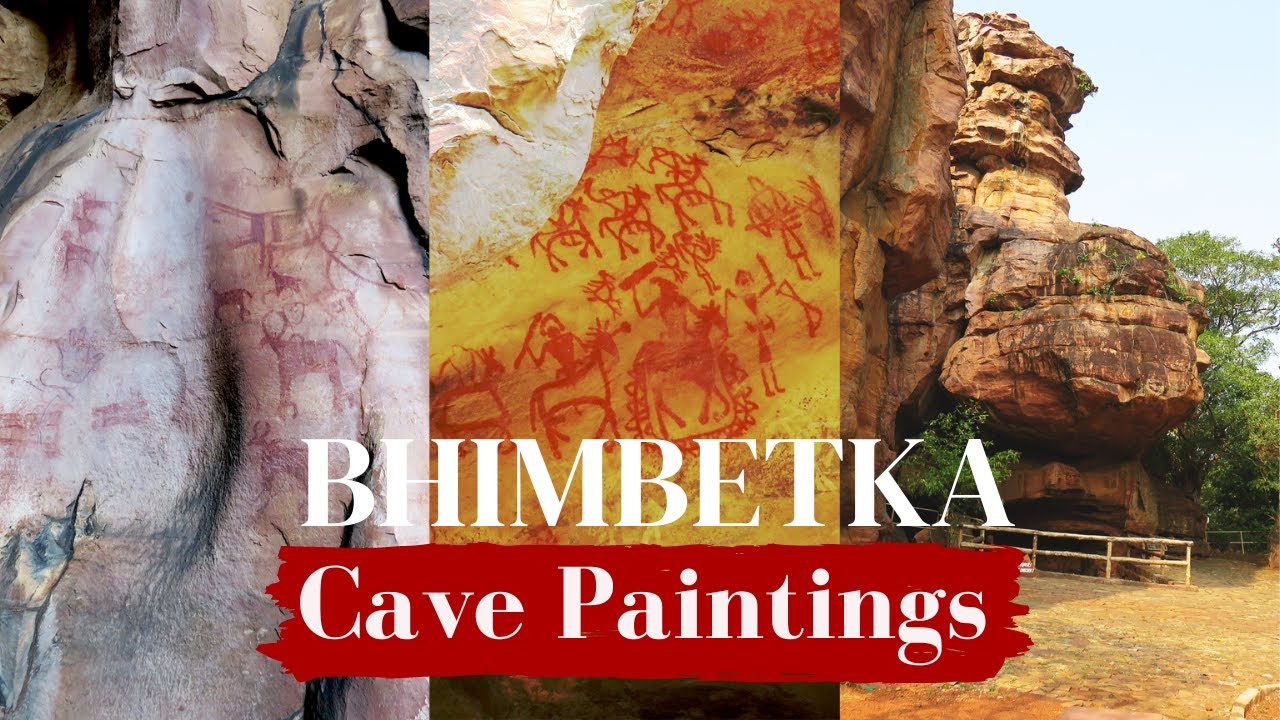
- The cultural, spiritual, and artistic significance of Mesolithic burials and rock art shelters.
Why this topic matters: It highlights the critical evolutionary step where humans shifted from total reliance on wild foraging to managing animals, cultivating early crops, creating specialized toolkits, and producing lasting artistic records.
Core Idea: The Mesolithic era in India introduced miniature stone tools called microliths, early animal domestication starting with dogs and cattle, structured ritual burials, and expansive rock art across sites like Bhimbetka, bridging prehistoric hunter-gatherer existence with settled agricultural life.
Overview of Mesolithic Transitions and Society
During this phase, human groups adapted to post-glacial environmental shifts. Favorable weather conditions allowed communities to establish semi-permanent settlements in diverse terrains ranging from river valleys to rock shelters.
Technology and Subsistence Systems
Advancements in hunting methods and tool fabrication transformed daily survival, allowing higher efficiency in securing food and processing resources.
- Miniature tool manufacturing became the hallmark of Mesolithic material culture.
Microlithic Tool Innovations
Craftsmen crafted small, geometric stone implements made from durable minerals to create composite tools for specialized tasks.
- Tiny stones made of flint or chert were hafted onto bone or wooden handles.
- Composite arrows, spears, and scythes replaced heavy Palaeolithic bifacial hand-axes.
- Invention of the bow and arrow, barbed spears, and weighted ring stone clubs.
- Use of animal head disguises such as deer, bull, or rhino masks for stealth hunting.
Social Structures, Burials, and Artistic Practices
As social organization grew more structured, Mesolithic communities expressed their spiritual views and social organization through formal burial practices and expressive rock paintings.

- Intentional interments demonstrated clear beliefs regarding mortality and group identity.
Burial Customs and Ritual Offerings
Deceased individuals were buried inside settlements or caves following specific ritual arrangements reflecting social hierarchy and family ties.
- Bodies were arranged in extended, flexed, or fractional secondary positions.
- Double burials highlight early paired pair-bond or family arrangements.
- Grave goods included animal meat cuts, grinding stones, bone beads, and red hematite.
- Artistic expression flourished using natural pigments derived from iron oxide and limestone.
Geographical Reach and Key Archeological Discoveries
Archaeological surveys reveal that Mesolithic hunter-gatherers adapted successfully to varied environments throughout the Indian subcontinent.
- Western and Central India contain dense concentrations of microlithic manufacturing centers and rock art complexes.
Regional Distribution of Mesolithic Sites
Excavations confirm a wide network of active settlements stretching from coastal regions to mountain ranges.

Detailed geographical breakdown of Mesolithic excavation zones and rock art shelters. - Bagor along the Kothari River in Rajasthan is India's largest horizontally excavated Mesolithic site.
- Tilwara shows a continuous sequence from pure microliths to later contact with wheel-made pottery.
- Langhnaj, Akhaj, and Valasana in Gujarat yielded human burials, animal remains, and scrapers.
- Adamgarh in Madhya Pradesh provides early concrete evidence for domesticating dogs, cattle, and sheep around .
Quick Revision Capsule
Key highlights of the Indian Mesolithic period organized by core parameters:
| Core Domain | Key Features & Innovations | Historical Significance |
|---|---|---|
| Timeline | Roughly to | Bridge between Palaeolithic and Neolithic eras |
| Tool Technology | Composite tools using flint or chert microliths | Replaced heavy hand-axes with light, efficient weapons |
| Subsistence | Hunting, fishing, dog and cattle domestication, wild rice and grain gathering | First foundational steps toward animal husbandry and agriculture |
| Burial Customs | Extended, flexed, and double burials with grave goods | Indicates social structure, pair bonding, and spiritual concepts |
| Rock Art | Natural red and white pigment art depicting hunting, dancing, and fauna | Provides visual documentation of prehistoric life and rituals |
Summary
The Mesolithic Era represents a transformative chapter in Indian prehistory. By moving away from massive stone implements toward versatile composite microliths, humans improved their hunting efficiency and secured a broader diet. Warmer climatic conditions favored animal domestication and early plant gathering, leading to semi-sedentary lifestyles. Through elaborate burial customs and detailed rock art created at sites like Bhimbetka, these ancient populations recorded their social practices, spiritual worldviews, and daily routines before eventually transitioning into fully agricultural Neolithic societies.
Quick Revision Points
Essential takeaways to review before examinations:
- (i) Microliths are small stone blades hafted onto wood or bone handles to construct composite tools.
- (ii) Adamgarh in Madhya Pradesh and Bagor in Rajasthan offer early evidence of animal domestication around .
- (iii) marked the discovery of the first Indian rock shelter art by A.C.L. Carlyle at Sohagighat.
- (iv) Dr. V.S. Vakankar discovered the famous Bhimbetka rock shelters in .
- Exam Tip: Remember that Bagor is the largest horizontally excavated Mesolithic site in India, and Adamgarh gives crucial early evidence for animal domestication. Pay attention to tool material types like chert and chalcedony when answering archaeology questions.
Frequently Asked Questions (FAQ)
Q1: What are microliths and why were they significant?
A1: Microliths are tiny, geometrically shaped stone tools made of materials like flint or chert. They were attached to wooden or bone shafts to make light, effective composite weapons such as arrows and spears, replacing heavy Palaeolithic tools.Q2: Which Mesolithic site in India provides key evidence of early animal domestication?
A2: Adamgarh in Madhya Pradesh, along with Bagor in Rajasthan, provides some of the earliest verified archaeological evidence for domesticating animals like dogs, sheep, goats, and cattle around .Q3: Who discovered the Bhimbetka Rock Shelters and when?
A3: Dr. V.S. Vakankar discovered the Bhimbetka Rock Shelters in . Located near Bhopal, the complex contains hundreds of rock shelters featuring depictions of prehistoric life, fauna, and rituals.