The Bundi School of Painting, a famous regional style from Rajasthan, began in the . It stands out for its bright, pure colors and well-planned designs. This art style is essential for students studying art history and Indian culture. It offers a clear view into Rajput royal life, natural scenery, and how local themes mixed with Mughal influences, as seen in the famous early Bundi Ragamala from .
🎯 In this chapter, you will understand:
- The origin and primary features of the Bundi painting tradition.
- How royal patrons and Mughal masters guided its growth over time.
- The natural elements, animal figures, and feminine features unique to this style.
- Popular themes like Ragamala, Baramasa, hunting scenes, and Krishna legends.
💡 Why this topic matters: Bundi painting represents one of the most vibrant branches of Rajput art, combining local storytelling with refined technical craft.
🧠 Core Idea: Deep royal support, bright color choices, accurate plant and animal details, and literary inspirations define the Bundi school.
Bundi School of Painting: Evolution, Patronage, and Distinctive Features (17th–19th Century)
The Bundi School became a major art center during the . It created a clear visual style marked by bold composition patterns and rich colors.
-
This early growth built the foundation for an art style that mixed the natural beauty of the region with the grand lifestyle of its kings.
- (i) The school is widely recognized for its masterly use of rich color palettes that feel lively and expressive.
- (ii) A main feature was its careful design structure, where every picture was planned with neat order and skill.
- (iii) The early starting phase is clearly seen in the Bundi Ragamala series, painted at Chunar in under King Bhoj Singh ().
Key Patrons and Significant Phases of Development in Bundi Rajput Art
The growth and artistic direction of Bundi paintings depended directly on the personal tastes and political connections of its ruling kings, who funded artists across many generations.
Royal Patrons Shaping the Bundi Painting Style
A series of supportive rulers helped this art thrive from its early steps to its later detailed style, keeping creative work continuous.
- (i) Rao Chattar Sal (): His support was vital while he served as Governor of Delhi under Mughal Emperor Shahjahan, bringing fresh artistic ideas to the Bundi court.
- (ii) Rao Bhao Singh (): This period brought a rise in personal portraits and new creative methods, showing a shift toward individual themes.
- (iii) Aniruddha Singh () and Budh Singh: Even during times of political instability, these rulers kept funding artists so that work never stopped.
- (iv) Umed Singh (): His long rule brought a refined period famous for small details and ideas taken from Deccani art styles.
Later Themes: Focus on Hunting and Elaborate Palace Murals (19th Century)
In the , artists turned toward the main hobbies of the kings, ending in large wall paintings inside royal buildings.
- (a) Under Bishen Singh (), paintings frequently showed hunting trips, reflecting his personal interest in outdoor sports.
- (b) The rule of Ram Singh () is known for grand wall paintings inside the chitrashala (picture gallery) of the Bundi palace.
- (c) These large murals captured royal parades, action-filled hunts, and stories of Lord Krishna, creating a permanent visual record of royal life.
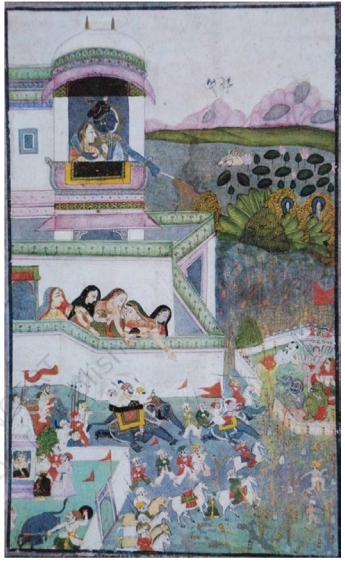
Bundi School of Paintings - Baramasa - A seasonal art piece from the Bundi tradition showing the twelve months of the year, capturing changing feelings, nature, and weather in India.
Distinctive Artistic Features of the Bundi and Kota Schools
Bundi and its neighbor, Kota, share similar visual features. Their artwork is easy to recognize because of natural landscapes, detailed plants, and specific ways of drawing people.
Naturalism in Landscapes and Equestrian Portraits
Artists showed deep love for nature by filling scenes with local plants, trees, and forest animals.
- (i) Paintings are famous for rich green trees, plants, and natural wildlife found around the region.
- (ii) Physical features like hills, thick forests, and rivers were painted with clear realism.
- (iii) The school excelled at painting kings on horses and made unmatched, accurate drawings of majestic wild elephants.
Idealized Portrayal of Feminine Beauty in Bundi Style
Women in Bundi paintings were drawn using clear rules of beauty that gave the style a unique face and form.
- (a) Female figures are usually short or petite, with charming round faces.
- (b) Special facial traits include a sloping forehead and a sharp, pointed nose.
- (c) Artists drew women with slim waists and full cheeks, matching the beauty standards of that era.
Bundi Ragamala: Early Masterpieces and Influence of Mughal Masters
The Bundi Ragamala is a landmark early artwork. It set the direction for the school and proved that local artists learned directly from Mughal royal painters.
Early Artists and Mughal Mentorship of the Bundi School
Written records on the artwork pages list the names of early painters, showing their direct connection to Mughal art workshops.
- (i) Persian writings from name the painters as Shaykh Hasan, Shaykh Ali, and Shaykh Hatim.
- (ii) These local painters were taught by famous Mughal court artists like Mir Sayyid Ali and Khwaja Abdus Samad, bringing high technical skill into the Rajput tradition.
Key Folios and Iconic Ragas in Bundi Painting
The Ragamala series turned musical modes into dramatic visual scenes, creating famous artworks full of mood and story details.
- (a) The Raga Dipak page is a night scene that captures the soft light of glowing oil lamps along with story elements.
- (b) Other famous pages include Raginis Khambavati, Bilaval, Malashri, Bhairavi, and Patmanjari, each turning music into painted poetry.
Popular Thematic Narratives in Bundi Painting: Baramasa and Krishna Legend
Besides court portraits, Bundi painters took stories from classical literature and religious books, showing changing weather and divine love.
Baramasa: Seasonal Depictions Based on Keshav Das
The "Twelve Months" or Baramasa theme showed how changing seasons affected human feelings and relationships.
- (i) The artwork follows the famous book Kavipriya written by poet Keshav Das for Rai Parbin of Orchha.
- (ii) The paintings show how daily life, nature, and human emotions shift month by month through the year.
Royal Activities and Krishna Legends in Later Bundi Art
As time passed, painters added detailed records of court routines and devotional themes centered on Lord Krishna.
- (a) Daily life of the royal court, including hunting trips and sports, became common subjects for painters.
- (b) Stories of the Krishna legends, especially his childhood in Vrindavan, became central to later art periods.
Significance of Bundi School for Rajput Art and UPSC Students
The Bundi School of Painting holds an important place in Indian art history. It combines Mughal methods with native Rajput styles, winning praise for vibrant colors and green landscapes. Spanning from the early Bundi Ragamala of to late patrons like Rao Umed Singh, this style helps students understand how regional art reflected the social, political, and cultural life of the Hadoti region.
⚡ Quick Revision Capsule: Bundi School Features
Key information about patrons, themes, and visual styles in Bundi painting:
| Category | Key Details | Historical Significance |
|---|---|---|
| Origin & Date | Emerged in in Rajasthan | Early foundation marked by Bundi Ragamala () at Chunar. |
| Key Rulers | Rao Chattar Sal, Rao Bhao Singh, Umed Singh, Ram Singh | Guided court portraiture, Deccani influences, and gallery murals. |
| Main Themes | Ragamala, Baramasa, hunting, Krishna stories | Based on literary works like Kavipriya by poet Keshav Das. |
| Visual Style | Rich greenery, sharp facial features, vibrant colors | Famous for realistic elephants, round faces, and night scene lighting. |
| Mughal Link | Mentorship by Mir Sayyid Ali & Khwaja Abdus Samad | Trained artists like Shaykh Hasan, Shaykh Ali, and Shaykh Hatim. |
📝 Summary
The Bundi School of Painting developed between the and as a main branch of Rajput visual art. Supported by kings like Rao Chattar Sal and Umed Singh, Bundi art combined natural landscapes with royal subjects. With influence from Mughal masters and poetry like Kavipriya, it created memorable works like Raga Dipak and colorful wall murals inside the Bundi palace gallery.
🚀 Quick Revision Points
Essential facts to review before examinations:
- (i) Early period marked by the Bundi Ragamala painted at Chunar in .
- (ii) Masters Mir Sayyid Ali and Khwaja Abdus Samad guided local artists like Shaykh Hasan.
- (iii) Distinct features include lush green foliage, realistic elephants, and female figures with sharp noses.
- (iv) Seasonal Baramasa paintings draw directly from Kavipriya by poet Keshav Das.
- 💡 Exam Tip: Focus on the 1591 Ragamala series, the Mughal connection through artists like Shaykh Hasan, and key visual markers like elephant drawings and lush landscapes when answering exam questions.
❓ Frequently Asked Questions (FAQ)
Q1: When did the Bundi School of Painting start?
A1: It developed as a clear regional style during the late and flourished throughout the .Q2: Who were the main artists behind the early Bundi Ragamala?
A2: The series was created by Shaykh Hasan, Shaykh Ali, and Shaykh Hatim, who were mentored by Mughal masters.Q3: What literary work inspired the Baramasa paintings in Bundi?
A3: The Baramasa paintings were inspired by the poetry text Kavipriya composed by poet Keshav Das.