Embark on a fascinating journey through Ancient Indian Art History by exploring the major Schools of Sculpture: Mathura, Gandhara, Amaravati, and Sarnath. These regions deeply shaped how people represented the Buddha and other deities during the to . Supported by rulers like the Kushanas and Satavahanas, each school used local materials like red sandstone, bluish-grey sandstone, and white marble. Learning about these styles helps students easily prepare for history and art examinations.
🎯 In this chapter, you will understand:
- How religious devotion inspired artists to depict the Buddha in human form.
- The distinct materials and styles of the Mathura, Gandhara, and Amaravati schools.
- The narrative art and dynamic movement seen in Southern Indian sculptures.
- The spiritual elegance and artistic refinement of the Sarnath School during the Gupta period.
💡 Why this topic matters: This era marks the historic shift from symbolic representations of deities to human statues, establishing the foundation of Indian visual art and stone sculpture.
🧠 Core Idea: Regional traditions, imperial patronage, and local stone types created four unique artistic styles that captured both spiritual ideas and everyday stories.
Comparison of Major Schools of Art: Mathura, Gandhara, Amaravati, and Sarnath (1st to 5th Centuries CE)
During the early Christian era, particularly between the and , the growth of Buddhism inspired artists to create detailed stone images of the Buddha. This movement established three major regional centers: Gandhara, Mathura, and Amaravati.
The Flourishing of Artistic Schools in Response to Religious Fervor
These early schools transformed religious art by shifting from symbols like footprints or umbrellas to direct human images of the Buddha.
- (i) The rise of these traditions marked a key change toward portraying the Buddha in human shape.
- (ii) Each center created its own style based on local tastes, royal backing from kings like the Kushanas and Satavahanas, and local materials.
- (iii) The realistic details of Gandhara, the solid forms of Mathura, and the action scenes of Amaravati together reflect the rich variety of early Indian art.
The Vibrant Mathura School of Art: Pioneering the Indigenous Buddha Form
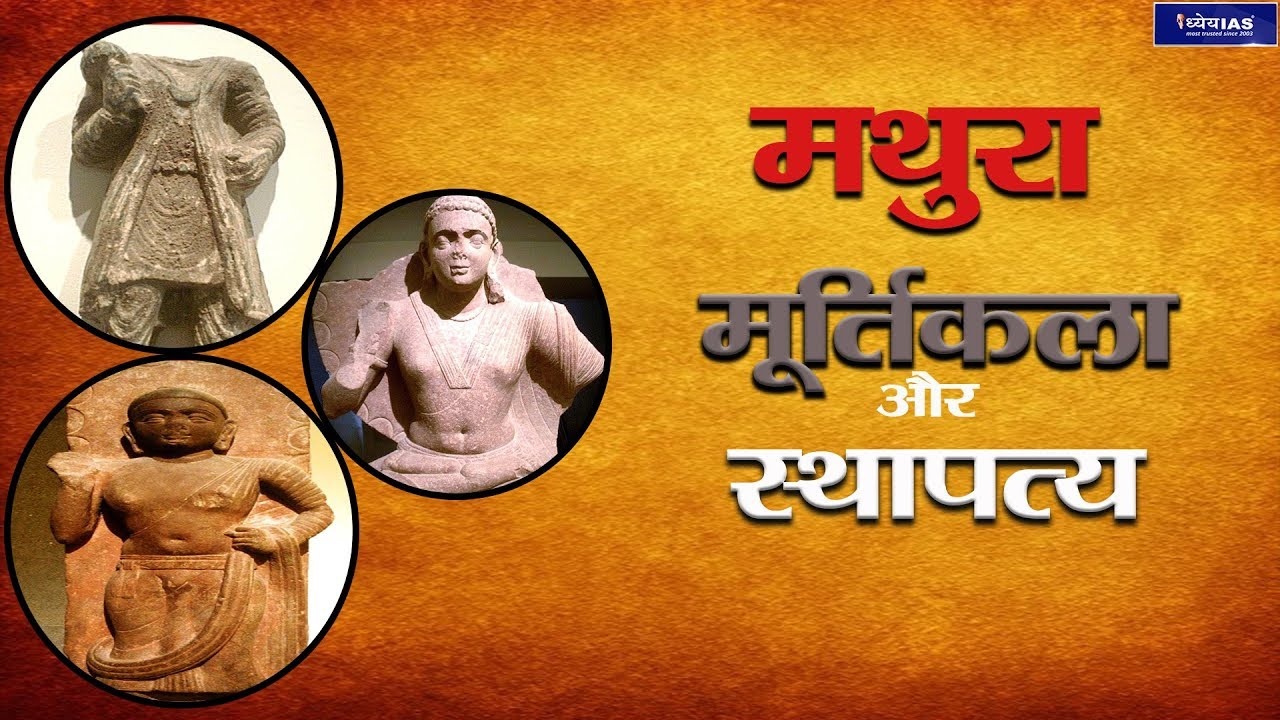
Located near the Yamuna River, the Mathura School developed a purely local style of sculpture. Under the encouragement of rulers like Kanishka, artists proudly crafted the earliest human statues of the Buddha.

Distinctive Style and Use of Spotted Red Sandstone
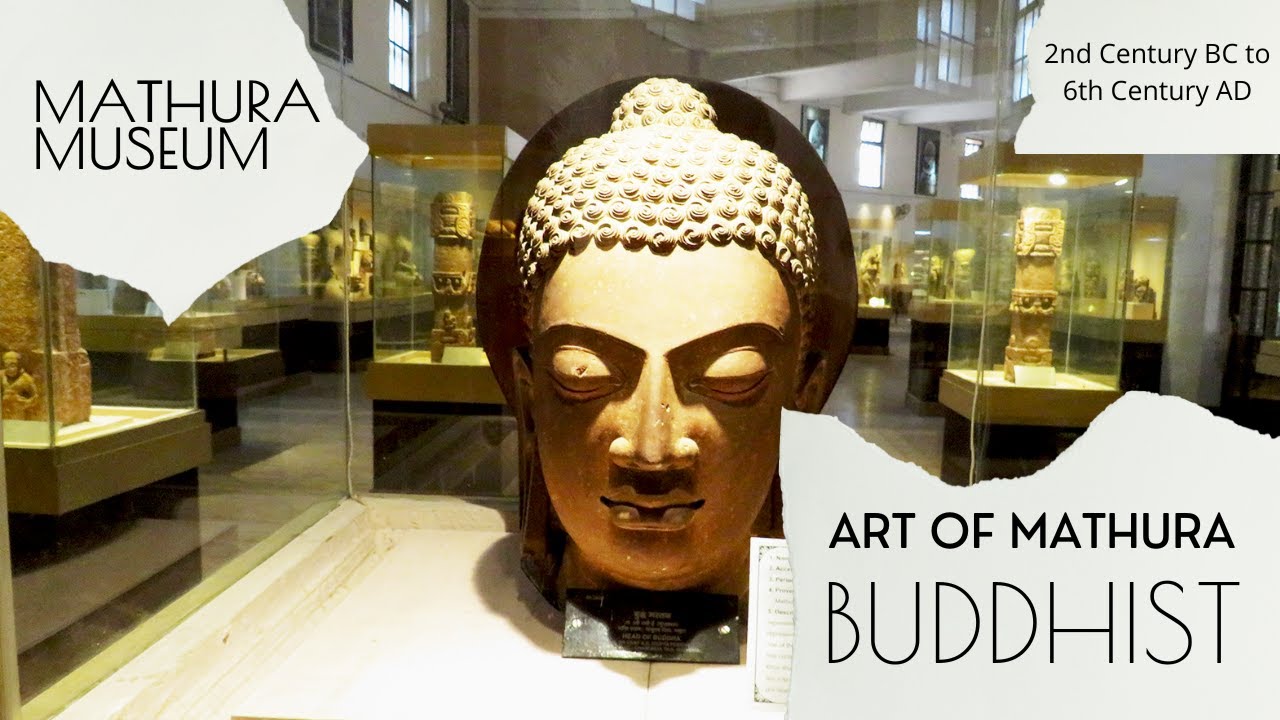
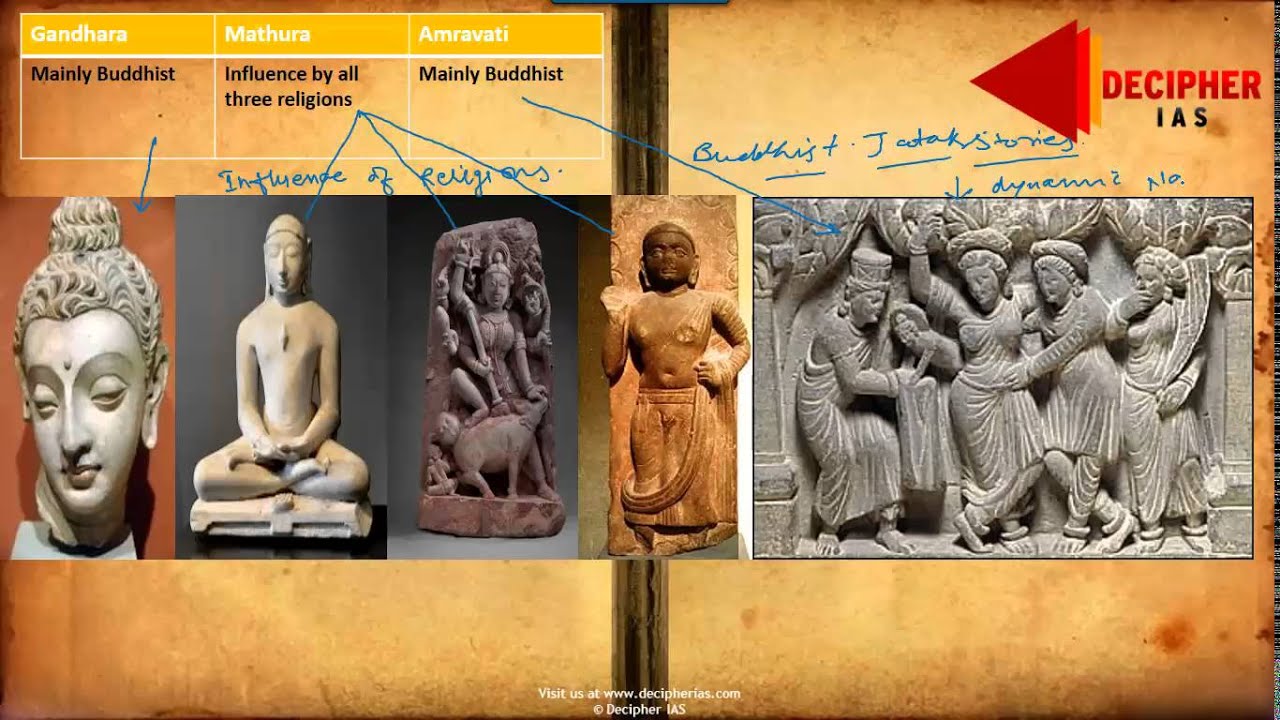
Artists in Mathura worked almost exclusively with local spotted red sandstone. They focused on conveying strong, physical presence and inner spiritual power rather than matching exact human body proportions.
- (i) Mathura art was open to diverse beliefs, carving figures for Buddhist, Vaishnava, and Shaiva traditions.
- (ii) Craftsmen carved statues of Hindu gods like Shiva and Vishnu alongside their consorts Parvati and Lakshmi, often holding their traditional weapons (ayudhas).
- (iii) The school also sculpted lively female figures like yakshinis and apsaras, as well as early statues of Jain Tirthankaras.
Sculptural Characteristics and Regional Centers
Early Mathura figures were built with bold confidence to show peaceful strength. While Mathura was the primary workshop, its influence spread to nearby sites like Sarnath and Kausambi.
- (a) The Buddha figures display clear cloth folds, while the decorated halo behind the head features intricate carved patterns.
- (b) Sculptors prioritized peaceful face sentiments and spiritual warmth over strict bodily details.
The Dynamic Amaravati School of Art: Mastery of Narrative Art
In southern India along the Krishna River, the Amaravati School of Art grew under the patronship of the Satavahana dynasty. This style is famous for its crowded, energetic story panels carved from white marble.
Sculpting in White Marble: Movement and Vitality
Active in modern Andhra Pradesh near the lower Krishna and Godavari rivers, Amaravati sculptors chose smooth white marble to decorate stupa walls and railings.
- (i) Every panel overflows with movement and vitality, depicting humans, animals, and flowers with natural grace.
- (ii) Artists carved detailed circular medallions that tell entire stories, such as the Buddha calming an angry elephant.
- (iii) Key centers for this style include Amaravati, Nagarjunikonda, Goli, Ghantasala, and Vengi.
Narrative Structure and Later Influence
The famous Amaravati Stupa featured a procession path surrounded by stone railings (vedika) filled with carvings from the life of the Buddha and the Jataka tales.
- (a) The carvings depict both symbolic scenes and full human figures of the Buddha in lively settings.
- (b) This energetic local style was unaffected by outside cultures and later inspired Pallava and Chola stone carvers.
⚡ Quick Revision Capsule: Comparison of Ancient Art Schools
Review the main differences among the primary regional sculpture styles of early India below.
| Feature | Mathura School | Gandhara School |
|---|---|---|
| Primary Patronage | Patronized by Kushana rulers | Patronized by Kushana rulers |
| Main Location | Mathura, Sonakh, and Kankalitala along the Yamuna River | North West Frontier around modern Kandahar |
| Stone Material | Spotted Red Sandstone | Bluish-grey sandstone, later switching to stucco and mud |
| Cultural Influence | Purely indigenous development without foreign style inputs | Heavy Greek and Roman artistic influence (Indo-Greek art) |
| Artistic Focus | Spiritual facial warmth with richly decorated head halos | Realistic physical muscles, wavy hair, and heavy folded garments |
Major Differences Between Mathura, Gandhara, and Amaravati Schools of Art
Comparing Mathura, Gandhara, and Amaravati reveals clear variations in location, materials, royal support, and design choices.
Mathura School: Key Distinctions
Developing between the and , the Mathura style stands as a classic product of local Indian talent.
- (i) Period & Patronage: Active from the to under Kushana rulers.
- (ii) Location: Centered in and around Mathura on the Yamuna River banks.
- (iii) Material: Crafted almost exclusively from spotted red sandstone.
- (iv) Influence: Built by local sculptors without foreign influence.
- (v) Artistic Detail: Features light cloth folds and a richly adorned halo behind the head.
Gandhara School: Indo-Greek Fusion
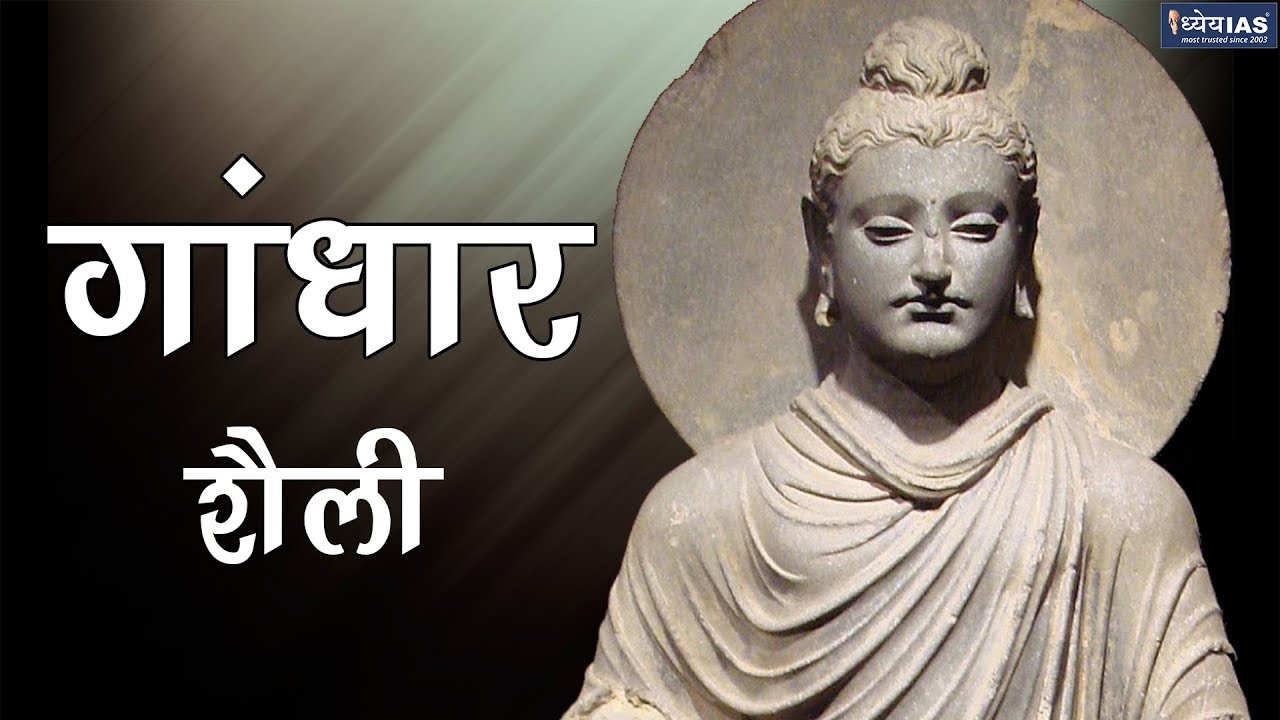
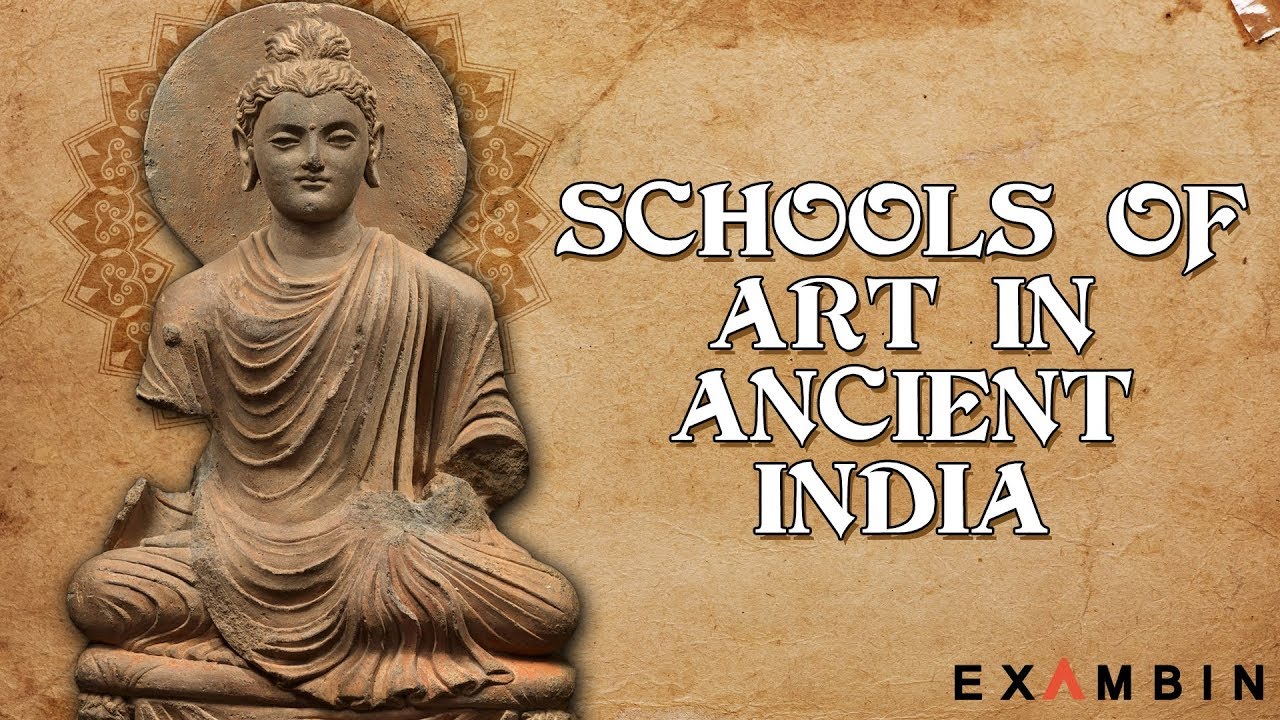
The Gandhara School blends Greek design elements with Indian themes, creating statues that resemble Greek gods like Apollo.
- (a) Period & Patronage: Active between and under Kushana support.
- (b) Location: Centered in the North West Frontier near Kandahar.
- (c) Material: Early statues used bluish-grey sandstone, while later works used mud and stucco.
- (d) Influence: Known as Indo-Greek art because of its strong Greek and Hellenistic traits.
- (e) Artistic Detail: Relief panels tell stories of the Buddha's birth, departure from home, and sermons with deep cloth folds.
Amaravati School: Narrative Movement
The Amaravati School focuses on expressive group scenes filled with emotional energy and natural movement.
- (i) Patronage: Supported primarily by Satavahana rulers.
- (ii) Location: Developed near the Krishna-Godavari valley around Amaravati and Nagarjunakonda.
- (iii) Material: Used striking white marble slabs.
- (iv) Influence: An entirely local design, unaffected by foreign traditions.
- (v) Artistic Detail: Panels illustrate the life of the Buddha and Jataka Tales in dense, active arrangements.
The Refined Sarnath School of Art: The Essence of Gupta Period Sculpture
Developing near Sarnath during the and , this school brought classical elegance to Indian art by refining earlier Mathura techniques during the Gupta Period.
Style and Material: Cream-Colored Sandstone
The Sarnath School of Sculpture simplified earlier details to create smooth, peaceful figures with sheer, delicate garments.
- (i) Artists used smooth cream-colored sandstone and metal to create clean, simple surfaces.
- (ii) The statues highlight key spiritual concepts like the Dhamma-Chakra (Wheel of Law), the Four Noble Truths, and the Eightfold Path.
Conclusion: The Enduring Legacy and Significance for Students
The regional schools of art—Mathura, Gandhara, Amaravati, and Sarnath—beautifully express the religious and cultural history of early India. Their unique choices in patronage, stone material, and design show how artistic ideas spread across time. Mastering these details offers great value to students preparing for history and heritage assessments.
📝 Summary
From the through the , Indian artists developed distinct regional styles to depict religious ideas. While Gandhara combined Greek realism with Buddhist themes using bluish-grey stone, Mathura relied on red sandstone to carve bold indigenous figures. Meanwhile, Amaravati used white marble to tell vivid stories from the Jataka Tales, and Sarnath perfected calm, elegant statues during the Gupta era.
🚀 Quick Revision Points
Essential facts to review before examinations:
- (i) Mathura art used spotted red sandstone and carved images for Buddhism, Hinduism, and Jainism.
- (ii) Gandhara art is recognized as Indo-Greek art due to its Hellenistic clothing and realistic features.
- (iii) Amaravati art stands out for its dynamic narrative panels carved in white marble under Satavahana rule.
- (iv) Sarnath statues reflect Gupta elegance using cream sandstone and themes from the Dhamma-Chakra.
- 💡 Exam Tip: Always remember the primary material for each school: Mathura = Spotted Red Sandstone, Gandhara = Bluish-Grey Sandstone/Stucco, Amaravati = White Marble, and Sarnath = Cream-Colored Sandstone.
❓ Frequently Asked Questions (FAQ)
Q1: Which royal dynasties patronized the Mathura and Amaravati schools?
A1: The Mathura School was heavily supported by the Kushana kings, while the Amaravati School flourished under the Satavahana rulers.Q2: Why is the Gandhara School called Indo-Greek art?
A2: It earned the term Indo-Greek art because artists applied Greek aesthetic styles—such as realistic drapery and Apollo-like features—to Indian religious subjects.Q3: What makes Sarnath sculptures distinct from early Mathura sculptures?
A3: Sarnath figures feature smooth cream sandstone, transparent drapery, and a calm spiritual expression, refining the earlier and bolder Mathura style.